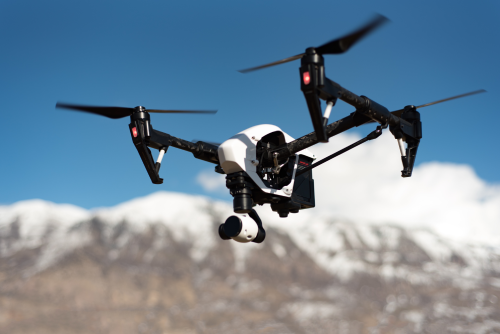
How drones are used in railway inspection is less about dramatic aerial footage and more about safer, faster decision-making. A well-planned drone mission can help engineers inspect track corridors, overhead equipment, bridges, embankments, and railway property without sending people first into difficult or risky locations.
In India, that matters because railway assets pass through crowded cities, flood-prone sections, long bridges, cuttings, remote terrain, and fast-changing construction zones. The best results come when drones are treated as a practical inspection tool inside a maintenance workflow, not as a replacement for engineers.
Quick Take
- Drones are most useful for first-look inspections, repeat monitoring, post-weather checks, and hard-to-reach structures.
- Common railway uses include corridor patrol, vegetation and encroachment monitoring, overhead equipment inspection, bridge checks, embankment and drainage review, station and depot roof inspection, and project progress tracking.
- Most jobs start with a multirotor drone and a high-resolution RGB camera. Zoom, thermal, and LiDAR payloads are added only when the job truly needs them.
- Drones improve safety by reducing climbing, working at height, and unnecessary exposure near active rail infrastructure.
- They do not replace all manual inspection. Fine rail defects, track geometry, electrical testing, and many safety-critical measurements still need ground tools and trained staff.
- In India, railway approval, airspace compliance, and site safety coordination are essential. Always verify the latest DGCA and operational rules before flying.
What railway inspection actually includes
Railway inspection is much broader than “looking at tracks from above.” A railway corridor includes many different assets, and each one has its own inspection method.
Typical inspection targets include:
- Rails, sleepers, ballast, and drainage beside the track
- Points and crossings, also called turnouts
- Overhead equipment (OHE), the wires and fittings that power electric trains
- Bridges, culverts, viaducts, retaining walls, and tunnel portals
- Embankments, cuttings, slopes, and flood-prone sections
- Station roofs, yards, depots, and other railway buildings
- The right of way, meaning the land reserved for railway use, where encroachment, vegetation, and dumped material can create problems
A drone is strongest when teams need:
- A quick visual overview
- Access to difficult or unsafe viewpoints
- Repeatable image records over time
- Mapping of larger areas
- Faster prioritisation before sending ground crews
A drone is less useful when the job requires:
- Touch-based or close-contact testing
- Very fine rail measurements
- Underwater inspection
- Routine work inside dark, GPS-poor spaces using a normal outdoor drone
How drones are used in railway inspection
Track corridor and right-of-way patrol
This is one of the clearest uses of drones in railway inspection. The drone captures images or video of a defined stretch of corridor so teams can spot issues around the line, not just on the rail.
Typical findings include:
- Encroachments near the track
- Excess vegetation affecting visibility or access
- Standing water and blocked drainage
- Washouts after heavy rain
- Erosion near embankments
- Fallen branches or loose material near the line
- Boundary wall damage or unauthorised access points
This kind of patrol is especially useful after the monsoon or after a storm. Instead of sending teams to search a large area section by section, engineers can first identify which locations deserve urgent attention.
For Indian conditions, this is highly practical on routes where flooding, slope instability, and informal encroachment can change quickly. A stitched aerial map, called an orthomosaic, gives teams a top-down record they can compare across weeks or seasons.
Overhead equipment inspection
On electrified routes, much of the critical infrastructure sits above ground and near live electrical systems. That makes physical access slower and more safety-sensitive.
Drones can help inspect:
- OHE masts and poles
- Cantilever assemblies
- Insulators
- Droppers and support fittings
- Visible corrosion or damage
- Clearance from nearby trees or structures
- Signs of looseness or misalignment visible from outside
A zoom camera is especially useful here because the drone can stay farther away while still capturing detail. In some cases, a thermal camera may help detect abnormal heat patterns on electrical components. But thermal imaging is not a magic answer. Readings depend on weather, load, surface material, and camera settings, so images must be interpreted carefully.
The important point is that drone imagery supports OHE inspection. It does not replace electrical testing, railway procedures, or decisions about isolation and maintenance.
Bridges, culverts, viaducts, and retaining walls
Rail bridges often have areas that are awkward, slow, or risky to inspect using ladders, rope access, or temporary platforms for an initial review. Drones are very good at providing a first visual assessment.
Teams use them to inspect:
- Deck edges
- Girders and truss members
- Surface cracks in visible areas
- Rust, coating failure, and corrosion
- Peeling paint and concrete spalling
- Vegetation growth on structures
- Culvert entries and exits
- Retaining wall distress
- Visible water flow patterns and potential scour around piers from above the waterline
This helps engineers decide where detailed follow-up is needed. Instead of mobilising costly access equipment everywhere, they can focus resources on the structures showing visible concern.
Embankments, cuttings, slopes, and drainage
Many rail disruptions begin beside the track rather than on the track. A blocked drain, a slipping slope, or gradual embankment erosion can become a serious operational issue.
Drones are useful for spotting:
- Slope failure signs
- Surface cracks on embankments
- Settlement and erosion
- Blocked or damaged side drains
- Rockfall-prone faces
- Waterlogging and poor runoff
- Terrain changes after repeated rain
This is where photogrammetry becomes valuable. Photogrammetry means creating maps or 3D models from overlapping photos. It allows teams to compare the shape of a slope over time and detect changes.
For higher-value projects, LiDAR may be used. LiDAR is a laser-based scanning method that can capture terrain more effectively through light vegetation. It is powerful, but it is usually justified only for specific corridor, earthwork, or topographic tasks.
Stations, yards, depots, and railway buildings
Railway inspection is not limited to open track. Drones are also practical around fixed assets such as:
- Station roofs
- Platform canopies
- Gutters and drainage channels
- Yard lighting poles
- Depot roofs and ventilation systems
- Warehouses and service buildings
This is often the quickest way to show the real value of drone inspection to non-track teams. A short roof survey can reveal damaged sheets, clogged drains, corrosion, or possible water entry points without sending people onto fragile roofs.
In controlled depot environments, drones may also assist visual checks of parked rolling stock roofs or other elevated areas. But those missions need site-specific procedures and should not be improvised around active operations.
Post-incident and post-weather assessment
After heavy rain, a storm, slope movement, or another disruption, maintenance teams first need a clear picture of the site.
Authorised drone teams can provide:
- A rapid overhead view of the affected area
- Safer access to unstable ground
- Photos and video for planning repairs
- Progress tracking during restoration
- Documentation for internal review
This is one of the strongest use cases in India. When monsoon damage affects embankments, culverts, drainage, or access roads, a drone can help the railway team understand the extent of the problem before mobilising the full response.
Construction monitoring and asset handover
Drones are also widely used before a railway line is operational. They help track:
- Earthwork progress
- Bridge construction stages
- Track-laying progress
- Station redevelopment
- Material stockpiles
- Access roads and site movement
For contractors and consultants, this creates a visual record of the project. During handover, these records can support documentation, though final acceptance still depends on the official engineering checks and required measurements.
A simple comparison of railway drone tasks
| Inspection task | Typical drone setup | Main output | Best use |
|---|---|---|---|
| Corridor patrol | Multirotor or corridor-mapping platform with RGB camera | Photos, video, orthomosaic | Encroachment, drainage, vegetation, washouts |
| OHE inspection | Multirotor with zoom camera, sometimes thermal | Close visual images, annotated defects | Masts, insulators, fittings, visible damage |
| Bridge inspection | Stable multirotor with wide and zoom views | Close-up photos, video, 3D model if needed | First-look structural review and prioritisation |
| Embankment and slope monitoring | Mapping drone with RGB, RTK if accuracy matters | Terrain map, 3D surface model | Erosion, settlement, slip risk, drainage |
| Station or depot roof inspection | Compact multirotor with high-resolution camera | Image set and defect report | Water ingress, corrosion, damaged roofing |
| Post-weather rapid assessment | Fast-deploy multirotor | Live view, photos, stitched map | Immediate situational awareness |
RTK means improved satellite positioning for more accurate mapping, especially when the job involves measurement.
What a useful drone inspection should deliver
A railway drone mission is only valuable if the output helps maintenance teams act. Raw footage alone is rarely enough.
Useful deliverables often include:
- Tagged photos of each defect
- A route map showing where findings were recorded
- An orthomosaic for area-level comparison
- A 3D model or terrain surface where relevant
- Thermal images, if the task demands them
- A defect register with severity or priority
- Before-and-after records for repeat inspections
This is a key practical point: the value is not the flight itself. The value is the report and how quickly it leads to a maintenance decision.
How a railway drone inspection workflow usually works
1. Define the asset and defect types
Start by being specific. Is the team looking for erosion, blocked drains, visible bridge cracks, OHE damage, roof corrosion, or encroachment?
A vague mission produces vague data.
2. Confirm permissions and operational controls
Before flying, confirm:
- Railway approval
- Airspace status
- Site restrictions
- Crew responsibilities
- Emergency procedures
- Any local operating controls around active rail assets
If the mission is near live OHE or active lines, the site safety plan matters as much as the flight plan.
3. Choose the drone and sensor
A standard RGB camera is enough for many jobs. Add:
- Zoom when the drone must stay at a safer stand-off distance
- Thermal when temperature differences are relevant
- Higher-accuracy mapping tools when measurements matter
4. Plan the capture properly
Set:
- Flight height
- Image overlap
- Camera angle
- Time of day
- Take-off and landing points
- Safe exclusion zones
For mapping, overlapping images are essential. For structures, angled photos often reveal more detail than straight-down views.
5. Check data quality on site
If the photos are blurred, too dark, overexposed, or missing sections, it is much better to refly immediately than discover the problem back in the office.
6. Process the data
This may include:
- Stitching images into an orthomosaic
- Creating a 3D model
- Organising photos by asset ID
- Marking defects on a map
- Preparing a defect log
This is the stage where flying becomes inspection.
7. Review with the engineering team
The maintenance or asset team should help interpret what the images mean. A drone operator can capture excellent data, but engineering conclusions still belong with the right specialists.
8. Schedule ground verification and repeat monitoring
High-priority findings go for immediate field verification. Lower-priority locations can be watched in the next survey cycle to see whether the condition is stable or worsening.
Why railway teams use drones
The biggest gain is not just speed. It is better visibility with less exposure.
Drones help because they can:
- Reduce the need for early climbing or access into risky areas
- Cover larger sections faster than a purely manual first-look check
- Create repeatable photo records over time
- Shorten the gap between finding a problem and assigning work
- Improve communication between field teams, contractors, and managers
- Support planning before maintenance blocks or access equipment mobilisation
For Indian operators, repeatability is especially useful. The same corridor can be recorded after the monsoon, before maintenance, and after repairs, making comparisons much easier.
Where drones still struggle
Drone inspection has real limits, and it is better to be clear about them.
Drones are less effective when:
- Very fine rail defects must be confirmed
- Exact track geometry and gauge measurements are required
- Wind, rain, dust, or harsh light reduce image quality
- Long corridor coverage exceeds multirotor battery endurance
- GPS becomes unreliable near structures or under cover
- Dense vegetation hides the ground
- Teams collect huge amounts of data without a clear review process
Thermal cameras can also mislead when missions are poorly timed or the imagery is interpreted without context.
A good rule is simple: use drones to narrow down where attention is needed, then use the right engineering method to confirm the issue.
Safety, legal, and compliance points in India
Railway inspection involves active transport operations and potentially sensitive infrastructure. Compliance should never be treated casually.
Keep these points in mind:
- Do not assume ordinary recreational flying habits are suitable for railway work.
- Flights over or near railway property generally need authorisation from the concerned railway authority, project owner, or site controller.
- Airspace rules still apply. Verify the latest DGCA requirements, Digital Sky process, and any local restrictions before flying.
- Do not plan flights over crowded platforms, public areas, or moving trains unless the mission is specifically authorised and controlled.
- Maintain safe stand-off from overhead electrical assets and other hazards.
- Some close inspection tasks may need railway operational coordination, restricted access, or other formal safety controls. Those decisions belong to the railway authority and site management.
- Clarify how inspection data will be stored, shared, and protected, especially around critical infrastructure.
- Pilot competency, insurance, and equipment suitability should match the risk of the job. Verify current requirements rather than relying on old summaries.
If you want to offer railway drone services in India, the safe approach is to treat the job as both an aviation operation and a railway safety operation.
Choosing the right drone setup for railway inspection
Most readers assume every railway mission needs a very expensive industrial system. In reality, the right setup depends on the asset and the deliverable.
A good starting setup
For many jobs, a reliable multirotor with:
- Stable flight
- High-resolution RGB imaging
- Accurate geotagging
- Good wind handling
- A usable zoom option if possible
can already handle a large share of practical inspection work.
When zoom matters
Zoom is especially useful when the drone should not get too close, such as near:
- OHE structures
- Bridge faces over water or traffic
- Fragile roofs
- Busy yard areas
When thermal helps
Thermal can be useful for:
- Suspected heat anomalies in electrical areas
- Some moisture-related roof investigations
- Maintenance cases where temperature contrast matters
But thermal should be task-driven, not added just because it sounds advanced.
When mapping accuracy matters
If the job involves measurements, compare platforms that support:
- RTK or PPK positioning
- Consistent survey flight planning
- Ground control workflows where required
When LiDAR is worth it
LiDAR is most useful for:
- Complex terrain
- Vegetated corridors
- Detailed earthwork modelling
For routine visual inspection, it is often unnecessary.
Common mistakes in railway drone inspection
Flying too high and missing the defect
A wide overview video may look impressive, but it may not show the actual problem. Flight height should match the defect size the team needs to detect.
Using the wrong sensor
Not every job needs thermal or LiDAR. Many useful inspections can be done with a standard camera, while some critical issues cannot be proven from aerial imagery at all.
Forgetting how the report will be used
If the client needs findings organised by chainage, structure number, asset ID, or maintenance zone, that should be built into the workflow from the start.
Ignoring light and weather
Harsh midday light can flatten detail. Deep shadows can hide defects under bridges or canopies. Wind can also reduce image sharpness and flight stability.
Treating drone images as final proof
A drone can reveal a crack, drainage failure, or corrosion patch. It usually cannot decide structural severity or certify that an asset is safe for operation.
Poor coordination with site teams
Good railway drone work depends on communication. If the operator does not coordinate with the railway contact, safety staff, and engineering team, the mission may produce poor data or create operational risk.
FAQ
Can drones replace manual railway inspection?
No. They are best used to support and speed up inspection, not replace all ground checks, measurements, or engineering judgement.
What is the most common drone used for railway inspection?
In practice, many tasks begin with a multirotor drone carrying a high-resolution RGB camera. It is flexible, can hover, and works well for close visual inspection.
Are thermal cameras necessary for railway inspection?
Not for every job. Thermal is useful only when temperature differences matter, such as some electrical checks or roof moisture investigations.
Can drones inspect railway tracks for cracks?
They can help identify obvious surface issues or sections needing follow-up, but fine cracks and precise track-condition assessment usually need closer ground methods or specialised systems.
Are drones useful after the monsoon?
Yes. This is one of the strongest applications in India. Drones are very useful for checking washouts, erosion, blocked drains, slope movement, and waterlogging after heavy rain.
Can a small consumer drone be used for railway inspection work?
For simple visual tasks, a capable small drone may help. But professional railway work often needs stronger reliability, better geotagging, zoom capability, clearer reporting, and tighter safety processes.
Can drones fly inside railway tunnels?
Not like normal outdoor flights. Tunnels are dark and often have poor GPS reception. Tunnel work usually needs specialised drones with lighting and confined-space capability.
What is the biggest operational challenge in railway drone inspection?
Usually not the flying itself. The bigger challenge is planning a mission that fits railway operations, captures usable data, and turns that data into a report the maintenance team can act on.
How often should railway assets be inspected with drones?
There is no single schedule. It depends on the asset type, risk level, weather exposure, season, and maintenance plan.
Is AI enough to detect all railway defects automatically?
No. AI can help sort images and flag possible issues, but human review is still necessary, especially for safety-critical railway decisions.
Final takeaway
Drones are most valuable in railway inspection when they answer a simple question quickly and safely: where should engineers look first? If you are starting in this space, begin with one clear use case such as post-monsoon corridor checks, bridge visual inspection, or station roof surveys, and build a workflow around permissions, repeatable data capture, and actionable reporting.
