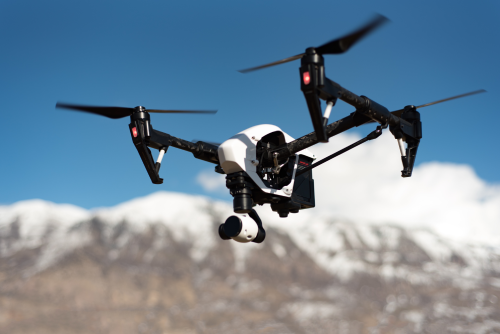
The best drones for wedding professionals are not always the biggest or most expensive ones. For most Indian wedding shooters, the right choice comes down to reliability, safe flying in crowded environments, strong daylight image quality, and a setup that you can actually maintain with spare batteries, props, and service support.
Quick Take
If you want the short answer, here it is:
- Best overall for most wedding professionals: DJI Air 3 or Air 3S class
- Best lightweight option for solo shooters and travel weddings: DJI Mini 4 Pro
- Best premium cinematic option for high-budget productions: DJI Mavic 3 Classic or Mavic 3 Pro class
- Best specialty add-on for dramatic fly-throughs: DJI Avata 2 or similar FPV drone
- Best value if buying used carefully: DJI Air 2S or Mini 3 Pro
The most important buying rule is simple: buy the drone that fits your wedding workflow, local compliance needs, and repair reality in India, not just the one with the most impressive marketing.
Best Drones for Wedding Professionals at a Glance
| Drone or class | Best for | Why it works for weddings | Main limitation |
|---|---|---|---|
| DJI Mini 4 Pro | Solo shooters, destination weddings, social-first teams | Very portable, fast to deploy, discreet, strong feature set for its size | Less comfortable in wind and very low light than larger drones |
| DJI Air 3 / Air 3S class | Most wedding filmmakers and studios | Strong all-round balance of image quality, dual-camera flexibility, safety features, and portability | Bigger and louder than a Mini-class drone |
| DJI Mavic 3 Classic / Pro class | Premium cinematic wedding films | Better low-light headroom, stronger main camera, more polished footage | Higher cost, larger kit, overkill for some social media deliverables |
| DJI Avata 2 / FPV class | Planned cinematic fly-throughs and hype shots | Unique immersive movement and high energy visuals | Not a primary wedding drone, higher skill and safety demands |
| DJI Air 2S / Mini 3 Pro used | Budget-conscious professionals building a backup kit | Still capable for daylight wedding work if bought carefully | Older batteries, repair history, and serviceability need extra caution |
What wedding professionals actually need from a drone
Wedding work is very different from scenic travel flying. You are shooting one-time moments, often around people, decoration structures, lights, wires, sound towers, trees, and changing weather. The drone has to be more than “good on paper.”
Here is what matters most.
Reliable image quality in real wedding conditions
A wedding drone must handle:
- Bright outdoor mandap scenes at noon
- Harsh backlight during sunset portraits
- Large white decor and shiny jewellery
- Darker evening venue reveals
- Fast transitions between wide property shots and tighter couple frames
This is where dynamic range matters. Dynamic range means how well the camera keeps detail in bright highlights and dark shadows in the same shot. Weddings often have both at once.
A useful lens setup
Wedding shooters rarely want only one framing option.
A wider lens helps with:
- Venue reveals
- Baraat movement
- Resort overviews
- Large family layouts
A medium tele lens helps with:
- Cleaner couple shots from a safer distance
- More cinematic compression
- Less visual clutter in busy venues
- Smoother storytelling without flying too close to guests
That is why the Air and Mavic classes are so popular for paid work.
Strong safety features
For weddings, obstacle sensing is not a luxury. It is a major risk-control feature.
Obstacle sensing means the drone uses sensors to detect objects around it. It does not make the drone foolproof, but it can help in complex spaces with trees, archways, lamp posts, tents, and venue structures.
That said, no wedding professional should treat obstacle sensing as permission to fly aggressively around people.
Portability and setup speed
Wedding days are chaotic. You may move from:
- Bride or groom home
- Baraat route
- Temple or mandap
- Resort lawn
- Reception venue
A drone that packs small, launches quickly, and transfers files fast is often more valuable than a bulkier drone with slightly better image quality.
Spare parts and support in India
This is one of the most ignored buying factors.
Before buying, ask:
- Can you easily get genuine propellers?
- Are batteries available locally?
- Is gimbal repair realistic?
- Can your seller help with warranty or service claims?
- If the drone crashes before a Sunday wedding, do you have a backup?
For professionals, after-sales support is part of image quality. A drone sitting in a repair queue does not earn money.
Best drones for wedding professionals
DJI Mini 4 Pro
Best for solo professionals, travel-heavy teams, and backup duty
If you are a wedding photographer or filmmaker who wants a practical drone without carrying a heavy setup, the Mini 4 Pro is one of the smartest choices.
Why it works:
- Very easy to pack for destination weddings
- Fast to launch between events
- Less intimidating in intimate venues
- Strong enough for wide establishing shots, couple reveals, and social media clips
- A good option for creators who also shoot reels and vertical edits
It is especially useful for:
- Small to mid-sized weddings
- Resort and beach weddings
- Daylight shoots
- Teams that move frequently between locations
- Professionals who need a second drone as backup
Where it struggles:
- Strong wind compared with larger drones
- Very dark conditions
- High-pressure commercial work where every shot must feel premium
- Large venue coverage where dual focal lengths are useful
For many Indian wedding creators, the Mini 4 Pro is the most practical entry point into paid aerial work. It is also a very sensible backup drone even if your main drone is bigger.
Who should buy it
Buy this if:
- You are moving from photography to hybrid photo-video services
- You mostly deliver Instagram reels, highlight films, and short cinematic edits
- You travel often for weddings
- You want a lightweight system you will actually carry
Skip it if:
- Your brand is built around premium cinematic wedding films
- You often shoot large luxury venues
- You need stronger wind confidence and more lens flexibility
DJI Air 3 or Air 3S class
Best overall for most wedding professionals
For most wedding shooters, this is the sweet spot.
The Air-class drone is usually the best balance between:
- Portability
- Professional image quality
- Safer handling
- Better wind performance than Mini-class drones
- Lens flexibility for storytelling
The biggest reason wedding teams like this class is simple: it feels versatile on real assignments.
You can use it for:
- Baraat entry coverage from a safe offset
- Couple walk-ins
- Resort and venue reveals
- Mandap environment shots
- Sunset portrait sequences
- Compressed tele-style frames without flying too close
Why it stands out:
- Dual-camera setup on this class is very useful in weddings
- Better separation between subject and background than a purely ultra-wide look
- More professional framing options in one flight
- Stronger confidence outdoors compared with a Mini-class drone
- Good balance for teams that deliver both social content and longer films
The Air-class drone is the one most wedding professionals should start with if they are serious about offering drone shots regularly, not occasionally.
Who should buy it
Buy this if:
- Drone work is a regular paid service in your business
- You want one drone that covers most wedding scenarios well
- You shoot both venue visuals and couple portraits
- You need a dependable all-rounder, not just a travel gadget
Skip it if:
- You are just testing whether drone work fits your business
- You need maximum portability above everything else
- Your budget is better spent on a lighter primary drone plus a second battery set
DJI Mavic 3 Classic or Mavic 3 Pro class
Best premium choice for high-end cinematic wedding films
If your clients care deeply about film quality, luxury venue presentation, and polished cinematic delivery, the Mavic 3 class is where things start to feel truly premium.
Its strengths are most visible in:
- High-contrast daytime scenes
- Sunset work
- Luxury property reveals
- More controlled cinematic movement
- Premium final films shown on larger screens, not just phones
Why professionals choose it:
- Better low-light headroom than smaller classes
- A stronger main camera for demanding grading workflows
- More refined footage for premium edits
- Better suited to large-scale destination properties and luxury venues
The Mavic 3 Pro class adds extra framing flexibility for filmmakers who know how to use multiple focal lengths creatively. But that does not mean every wedding team needs it.
For many professionals, the question is not “Is the Mavic better?” It is “Will my clients pay for the difference?”
In many social-first wedding deliverables, the answer may be no.
Who should buy it
Buy this if:
- You sell premium cinematic wedding films
- You work at large luxury venues and destination properties
- Your team already has a lighter backup drone
- You color grade seriously and want stronger source footage
Skip it if:
- You are a beginner
- Most clients mainly want short reels and quick highlight edits
- You need to travel light
- You cannot comfortably budget for batteries, backup, and possible repair costs
DJI Avata 2 or similar FPV drone
Best specialty add-on, not your main wedding drone
FPV stands for first-person view, a flying style that creates immersive, fast, sweeping camera movement. FPV wedding clips can look spectacular when used well.
Good uses include:
- Planned venue fly-throughs before guests enter
- Resort room-to-lawn transitions
- Dramatic dance floor reveals in controlled conditions
- High-energy opening sequences for highlight films
But this is not the right first drone for most wedding professionals.
Why?
- It needs more pilot skill
- It can be riskier in crowded or unpredictable environments
- It is easier to overuse and make the wedding film feel gimmicky
- It is not ideal for calm, elegant coverage of key moments
In short, FPV is a tool for selected shots, not for full wedding coverage.
Who should buy it
Buy this if:
- You already have a conventional camera drone
- You or your pilot are properly trained
- You shoot large venues with space for controlled fly-throughs
- Your clients want a more cinematic, hype-driven style
Skip it if:
- You are new to drones
- You want one drone to handle everything
- You often shoot in tight, crowded venues
- You do not have a clear safety plan and spotter support
Used DJI Air 2S or Mini 3 Pro
Best value if you inspect carefully
A used drone can make sense for wedding professionals who want:
- A budget-friendly start
- A backup aircraft
- A lower-risk training platform before buying a premium model
The Air 2S and Mini 3 Pro are still capable for daylight wedding work, especially if your deliverables are social-friendly and you know their limits.
But used drones need careful inspection.
Check these before paying:
- Battery health and charging behavior
- Gimbal smoothness and horizon level
- Propeller arms for stress marks or cracks
- GPS lock speed outdoors
- Sensor errors and calibration warnings
- Remote controller condition
- Activation status and ownership proof
- Crash or water-damage history
- Smooth file recording with your preferred memory card
- Availability of replacement batteries and parts in your market
If the seller cannot answer basic maintenance questions, walk away.
Which type of wedding professional should buy which drone?
| Buyer profile | Best fit | Why |
|---|---|---|
| Photographer adding drone as an extra service | Mini 4 Pro | Easier to carry, easier to justify, good enough for many wedding deliverables |
| Full-time wedding filmmaker | Air 3 / Air 3S class | Best overall balance of safety, framing flexibility, and business practicality |
| Premium luxury wedding studio | Mavic 3 Classic / Pro class | Better cinematic output for demanding clients and bigger venues |
| Agency offering specialist dynamic shots | Avata 2 plus a regular camera drone | FPV works best as an add-on service, not the main tool |
| Budget-conscious pro building a second kit | Used Air 2S or Mini 3 Pro | Useful backup if inspected carefully |
India-specific buying checks before you place the order
Wedding professionals in India need to think beyond the drone itself.
Verify the latest DGCA and Digital Sky requirements
Rules can change, and the correct compliance path may depend on:
- Drone category and weight
- Where you fly
- Whether the operation is commercial
- Whether the location falls in restricted or controlled airspace
- Current requirements around registration, pilot credentials, permissions, and platform processes
Before buying or flying, verify the latest official guidance. Do not rely on old YouTube videos, dealer promises, or assumptions based on another pilot’s experience.
Private venue does not automatically mean free-to-fly
Many wedding professionals make this mistake.
Even if the client has booked:
- A resort
- A farmhouse
- A banquet lawn
- A palace property
You still need to consider airspace, safety, local restrictions, and venue approval. Being on private property does not automatically remove aviation responsibilities.
Check local practical restrictions
Before every event, verify:
- Distance from airports and helipads
- Nearby military or government-sensitive zones
- Temporary restrictions, VIP movement, or event-specific controls
- High-tension wires, cranes, trees, and lighting towers
Make sure your contract covers drone limitations
Your client agreement should clearly state that drone coverage is subject to:
- Weather
- Safety conditions
- Venue approval
- Airspace restrictions
- Local compliance needs
- Pilot judgment on the day
This avoids arguments when the drone cannot be flown safely.
Accessories wedding drone professionals should not skip
A wedding drone is not just the aircraft.
At minimum, budget for:
- Three to five batteries if drone shots are a regular deliverable
- Extra propellers
- High-quality memory cards
- Charging hub or multi-battery charger
- Neutral density or ND filters for smoother cinematic motion in bright light
- Protective case or compact shoulder bag
- A landing pad for dusty lawns and sandy destination venues
- Backup controller cables and charging accessories
- Insurance, if available and suitable for your work
- A backup drone or at least a backup capture plan
Many professionals overspend on the airframe and underspend on the working kit.
A simple wedding drone buying formula
If you are confused, use this decision process:
-
Define your deliverable – Reels and highlight edits only? – Full cinematic wedding films? – Premium luxury destination work?
-
Count your real locations – Tight urban venues – Open resorts – Beach or hill weddings – Banquet-heavy city events
-
Assess your flying experience honestly – Beginner – Comfortable but cautious – Experienced commercial pilot
-
Plan for backup – Spare batteries – Spare props – Second drone or second shooter – Alternate ground-based shot if drone cannot fly
-
Check compliance and service support in India – Latest official rules – Seller credibility – Parts availability – Repair turnaround
-
Buy for the next 18 months, not just the next wedding – Will this drone still fit your clients and style after one season?
Common mistakes wedding drone buyers make
Buying an FPV drone first
It looks exciting, but it is the wrong first purchase for most wedding teams. Start with a conventional camera drone.
Ignoring spare batteries
One or two batteries are rarely enough for professional work, especially when you must wait for the right light.
Flying too close to people for dramatic shots
This is one of the biggest professional mistakes. The safest shot is usually also the more elegant shot.
Choosing specs over serviceability
A slightly better camera means little if batteries, props, or repairs are hard to get when you need them.
Not recceing the venue
Wedding venues are full of hazards:
- Fairy light wires
- Temporary trusses
- Trees
- Decor poles
- Smoke machines
- Fireworks
- Animals during baraat
- Rooftop obstructions
A short location check can prevent an expensive mistake.
Assuming obstacle sensing will save everything
It helps, but it does not replace skill. Sensors can struggle in certain lighting, thin branches, reflective surfaces, and fast, unpredictable movement.
Forgetting sound and client perception
Larger drones are louder. During emotional ceremonies or intimate rituals, a noisy drone can become a distraction and make your team look careless.
Safety and legal reminders for wedding shoots
This is the part professionals should take seriously.
- Always verify the latest official Indian rules before commercial or event flying.
- Do not fly over crowds just because the venue looks open.
- Keep a safe takeoff and landing zone away from guests.
- Avoid flying near fireworks, confetti cannons, smoke bursts, and elevated lighting rigs.
- Be extra cautious around horses, elephants, bands, and moving vehicles in baraat processions.
- Do not pressure the pilot to “just get the shot” if wind, wires, or crowd density make it unsafe.
- Use a spotter when the environment is busy.
- Respect privacy. Not every guest wants to be filmed from above.
- Indoor flying may reduce some airspace issues, but it does not remove safety, venue, and liability concerns.
A professional wedding drone operator is judged as much by restraint as by creativity.
FAQ
Is a sub-250g drone enough for wedding work?
Yes, for many professionals it is enough for daylight venue shots, couple reveals, and social content. But if weddings are a major paid service and you want more consistent results in wind or more lens flexibility, an Air-class drone is usually the stronger long-term choice.
Do I need a license or registration to shoot weddings with a drone in India?
Requirements can depend on the current DGCA framework, the drone category, where you fly, and the nature of the operation. Always verify the latest official rules, platform requirements, and airspace conditions before offering paid services.
Which is better for weddings: Mini, Air, or Mavic?
- Mini for portability and lower carrying burden
- Air for the best overall balance
- Mavic for premium cinematic work
For most paid wedding teams, the Air class is the sweet spot.
Should I buy an FPV drone for weddings?
Only if you already have a normal camera drone and either you or your pilot are skilled enough to use FPV safely. It is a specialty tool, not the main workhorse for most weddings.
How many batteries do wedding professionals need?
For regular professional use, three batteries should be considered a practical minimum. More may be needed for destination weddings, outdoor multi-location events, or long coverage days.
Is it safe to fly a drone during a baraat?
Only if the environment, crowd movement, and space allow it, and only with conservative flying. Baraats can be unpredictable because of bands, horses, dancing crowds, vehicles, and overhead wires. Safety has to come first.
Can I fly a drone inside a banquet hall or wedding venue?
Sometimes indoor flying is possible from a venue and safety standpoint, but it still requires careful risk control. GPS performance may be weak indoors, and obstacles are often closer than they appear. Get venue approval and use a very conservative plan.
Is a used drone worth buying for wedding work?
Yes, if it is from a trustworthy seller and passes a detailed inspection. Used drones are especially useful as backup units. Do not buy used just because the price looks attractive.
What matters more for weddings: camera quality or obstacle sensing?
Both matter, but for professionals, safety and reliability often matter first. A slightly better image is not worth it if the drone is harder to fly safely around complex venues.
Final takeaway
If you want the safest recommendation for most readers, choose an Air-class drone as your main wedding workhorse. If you are just starting or need a highly portable kit, the Mini 4 Pro is the smartest lightweight option. If you run a premium studio and clients genuinely pay for cinematic polish, step up to the Mavic 3 class.
Whatever you buy, do not judge the drone in isolation. Judge the full working system: legal fit, batteries, spare props, repair support, backup plan, and your ability to fly it safely on the most chaotic day of someone else’s life.
