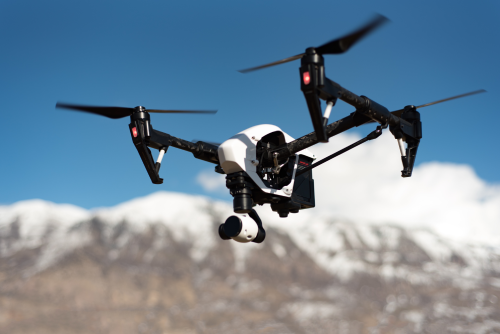
The best drones for property marketing are not always the biggest or most expensive ones. For most Indian real-estate agents, creators, and small businesses, the right drone is the one that gives clean, stable footage, handles urban flying sensibly, and is practical to own, repair, and legally operate.
Quick Take
If you want a short answer, these are the strongest drones to shortlist for property marketing:
- Best overall for most people: DJI Mini 4 Pro
- Best for premium listings and more cinematic exteriors: DJI Air 3
- Best value if your budget is tight: DJI Mini 3
- Best image quality for luxury properties: DJI Mavic 3 Classic
- Best for dramatic fly-through style shots: DJI Avata 2, but only as a specialist second drone
For India, do not buy only on camera hype. For property work, after-sales support, batteries, safe flight features, compliance, and ease of use matter just as much as image quality.
What property marketing actually needs from a drone
A drone for real-estate marketing has a very different job from a drone used for travel vlogs or FPV freestyle.
You usually need to show:
- the full building or plot clearly
- the surrounding roads, amenities, and approach
- scale and layout
- premium angles for social media reels
- short, smooth clips that are easy to edit into a listing video
That means the best drones for property marketing should offer a good mix of these qualities:
Stable, easy video
A three-axis gimbal is the camera stabiliser that keeps footage smooth. This matters far more than flashy spec-sheet numbers.
For property marketing, smooth movement beats aggressive speed.
Good dynamic range
Dynamic range is how well a camera holds both bright sky and darker building shadows in the same shot.
This is especially important in India, where harsh midday light is common and white buildings can easily lose detail.
Reliable obstacle sensing
Obstacle sensing uses sensors to detect walls, trees, poles, and sometimes other objects.
It is not a substitute for pilot skill, but it is very useful in property shoots where you may be working near:
- balconies
- boundary walls
- trees
- parked vehicles
- power lines
- signage
- rooftop structures
Useful framing options
A second lens or medium-tele view can make buildings look more elegant. Very wide shots can sometimes make structures look stretched or less premium.
This is one reason higher-end drones can justify their price in luxury real-estate work.
Simple vertical content workflow
A lot of property marketing in 2026 is reel-first.
If you regularly deliver Instagram Reels, Shorts, and story-style clips, drones that make vertical capture easy can save time in post-production.
Good battery ecosystem
One battery is never enough for client work.
You will often need multiple takes for:
- the hero reveal
- top-down overview
- orbit
- road approach
- neighbourhood context
- second attempt after the client changes the brief on site
Practical ownership
For Indian buyers, this includes:
- genuine seller support
- spare propeller availability
- local repair options
- controller and app reliability
- documentation and invoice clarity
Best drones for property marketing
Here is the short comparison first.
| Drone | Best for | Why it stands out | Main watch-out |
|---|---|---|---|
| DJI Mini 4 Pro | Most solo creators, agents, small agencies | Portable, strong safety features, easy social content, excellent all-rounder | Costs more than entry-level Mini models |
| DJI Air 3 | Premium exteriors, villas, townships, agencies | Better framing flexibility, stronger wind handling, more “pro” feel | Larger and less casual than a Mini |
| DJI Mini 3 | Budget-conscious beginners | Good image quality for the price, light and travel-friendly | Fewer advanced safety features |
| DJI Mavic 3 Classic | Luxury listings and high-end branding | Better image depth and stronger premium output | More expensive and overkill for many users |
| DJI Avata 2 | Specialist dynamic shots | Unique immersive movement for entrance and amenity videos | Not a beginner’s first or only property drone |
DJI Mini 4 Pro: Best overall for property marketing
For most people, this is the easiest recommendation.
If you are a solo property consultant, content creator, freelancer, or small media team, the DJI Mini 4 Pro hits the sweet spot between portability, quality, and safety.
Why it works so well:
- small and easy to carry between multiple locations in a day
- strong obstacle sensing for more confidence around structures
- very good video quality for listings, reels, and ads
- simple workflow for vertical social content
- easier to use for one-person shoots
It is especially strong for:
- apartments
- builder updates
- villas
- low-rise residential projects
- resort and homestay marketing
- broker-led social media content
Where it shines in real work is speed. You can arrive, set up quickly, get a hero shot, an orbit, a top-down frame, and a road-approach reveal without needing a large kit.
Its main limitation is that it is still a compact drone. In stronger wind, larger drones usually feel more planted. And if you are doing only luxury campaigns where image character matters a lot, a bigger camera system can still look richer.
Buy this if you want one drone that covers most property jobs well.
DJI Air 3: Best for premium exteriors and versatile framing
If the Mini 4 Pro is the practical all-rounder, the Air 3 is the drone that starts feeling more like a dedicated business tool.
Its biggest strength for property marketing is framing flexibility. A wide view is useful for establishing shots, but a medium tele view is often what makes buildings look expensive. It compresses perspective, cleans up composition, and avoids some of the exaggerated look of ultra-wide footage.
That makes the Air 3 especially good for:
- villas and farmhouses
- luxury apartments
- resorts
- clubs and amenities
- larger gated communities
- township marketing where you need both scale and polish
Other reasons it suits paid work:
- generally better wind confidence than a Mini-class drone
- more composed exterior shots
- stronger separation between hero shots and context shots
- better fit for agencies that shoot regularly
The trade-off is simple: it is less casual than a Mini. It is bigger, more obvious in the air, and not the kind of drone you throw in a tiny shoulder bag and forget about.
Still, if premium exterior marketing is where you make money, the Air 3 is one of the smartest upgrades.
Buy this if your clients care about polished visuals and you often shoot larger or more premium properties.
DJI Mini 3: Best value for beginners and lean budgets
Not everyone needs the latest model to market property well.
If you are just starting out, testing drone content for your brokerage, or building a freelance portfolio, the Mini 3 can still be a strong value choice.
Why it makes sense:
- easier on the budget than newer higher-end options
- still capable of attractive listing footage
- light, portable, and beginner-friendly
- good fit for simple outdoor shoots in open areas
It works best when your shooting style is controlled:
- slow push-ins
- gentle reveals
- simple top-downs
- wide neighbourhood context
- clean daylight exteriors
Where you need to be careful is safety margin. More affordable drones often ask more from the pilot. If you shoot near trees, poles, balconies, or cramped spaces, spending more on a model with stronger obstacle sensing can be worth it.
So the Mini 3 is not the best business drone for every scenario, but it is a good starting point if your budget is tight and your shoots are relatively straightforward.
Buy this if you want solid property footage without stretching your budget too early.
DJI Mavic 3 Classic: Best for luxury property marketing
When the property itself is premium, the content has to look premium too.
The Mavic 3 Classic is the drone to consider if you shoot luxury villas, high-end resorts, boutique developments, architecture-led homes, or branded real-estate campaigns where image quality matters more than portability.
Why serious teams like this class of drone:
- larger sensor look with richer tonal depth
- stronger results in difficult lighting
- more polished sky, shadow, and building detail balance
- footage that grades well in professional edits
This does not automatically mean every viewer will notice the difference on a phone screen. But clients paying for luxury positioning often do notice the overall finish.
It is most useful when paired with a proper production workflow:
- planned golden-hour or approved low-angle light shoots
- ground camera coverage
- edited brand film or launch video
- careful colour correction
- repeatable agency output
Why it is not for everyone:
- higher cost
- larger kit to manage
- unnecessary for many standard broker listings
- not the easiest first drone
If your work is mainly everyday apartment listings, this is likely overkill. But if you sell premium presentation, it can absolutely justify itself.
Buy this if your clients are developers, resorts, luxury brokers, or architecture-focused brands.
DJI Avata 2: Best as a specialist add-on, not your only drone
A lot of people see FPV-style property videos online and assume that is the best format for every listing.
It is not.
The Avata 2 is a specialist tool. It can create exciting movement through entrances, clubhouses, lobbies, and outdoor amenities. When used well, it gives a “walk-through in one shot” feeling that standard camera drones cannot match.
That makes it useful for:
- clubhouses
- resort pathways
- event venues
- large sample-flat compounds
- dramatic social media teasers
But there are three major catches:
- It is not the easiest platform for beginners.
- It should not replace a regular gimbal drone for standard listing coverage.
- Indoor or close-quarters flight needs real skill, planning, and safety discipline.
For many property teams, a handheld gimbal camera is still the better choice for indoor tours. An FPV drone makes sense only when you specifically want dynamic motion and have the skill to do it safely.
Buy this only if you already know why you need it.
Which drone fits your property type?
| Property type | Best choice | Why |
|---|---|---|
| Standard apartment listing | DJI Mini 4 Pro | Fast setup, enough quality, easy solo workflow |
| Small plots and independent houses | DJI Mini 3 or Mini 4 Pro | Portable and efficient for short jobs |
| Villas and farmhouses | DJI Air 3 | Better exterior compression and premium framing |
| Luxury homes and resorts | DJI Mavic 3 Classic | Better image character for high-end branding |
| Townships and large amenity projects | DJI Air 3 or Mavic 3 Classic | Better control over wide vs tighter exterior shots |
| Reel-heavy promotional campaigns | DJI Mini 4 Pro | Social-friendly workflow |
| Immersive entrance or amenity fly-throughs | DJI Avata 2 as second drone | Unique motion style, but specialist use only |
How to choose the right property-marketing drone in India
Start with the kind of jobs you will actually shoot
Ask yourself:
- Mostly apartment listings or builder updates?
- Premium villas and resorts?
- Social media reels for local brokers?
- Full campaign work for developers?
- Outdoor only, or indoor motion shots too?
A common mistake is buying for rare dream projects instead of regular monthly work.
Prioritise after-sales support
In India, spare parts and service matter a lot.
Before buying, check:
- whether genuine batteries are easy to source
- whether propellers and guards are available
- where repairs happen if the gimbal is damaged
- whether your city has a trusted dealer or service contact
- how long downtime usually lasts
A cheaper grey-market purchase can become expensive if one small crash grounds your business for weeks.
Do not overspend on the drone and underspend on the kit
For property marketing, a usable kit usually means:
- at least 3 batteries
- spare propellers
- fast memory cards
- landing pad
- carry case
- ND filters if you shoot video seriously
- car charging solution or field charging plan
The drone body alone is not the full budget.
Think about your editing workflow
If your final output is mostly:
- Instagram Reels
- YouTube Shorts
- WhatsApp status clips
- broker social posts
then ease of vertical delivery matters.
If your final output is mostly:
- premium website videos
- launch films
- YouTube property tours
- branded ad edits
then lens choice and image grading headroom matter more.
Safety, legal, and compliance checks for property shoots in India
Property marketing is one of the easiest places to get careless because the client may assume “it’s just inside our project, so it’s fine.”
That is not a safe assumption.
Before any real-estate drone shoot in India, verify the latest official requirements yourself. Rules can change based on drone class, location, airspace status, and operational category.
A practical checklist:
- Check the airspace status for the exact property location on the official platform before the shoot.
- Confirm current compliance requirements for your drone, including registration, built-in compliance features, and any pilot qualification requirements that apply to your setup.
- Take clear permission from the property owner or developer, and where relevant, from the housing society, site manager, or facility operator.
- Do not fly over uninvolved people, public roads, or neighbouring terraces just because the shot looks good.
- Maintain visual line of sight and avoid flying in rain, strong wind, or poor visibility.
- Respect privacy. Do not hover near balconies, windows, or adjacent homes.
- Brief the client in advance that some shots may not be possible legally or safely.
- Consider insurance for professional work and keep records of your jobs, flights, and battery condition.
Also remember that indoor flying is not automatically “safe” just because GPS is weak or the drone is under a roof. Tight indoor spaces, fans, lights, cables, and people make indoor work risky very quickly.
Accessories worth buying with your property drone
The right accessories can improve your output more than chasing one more camera upgrade.
The most useful add-ons are:
- extra batteries: essential for client work
- ND filters: help maintain more natural motion in bright daylight video
- high-brightness screen or good phone mount setup: useful in harsh sun
- landing pad: helpful on dusty plots and construction sites
- spare propellers: basic but critical
- compact hard case: protects the gimbal during transport
- power bank or car charger plan: important for multi-property days
If you are serious about property marketing, also consider a handheld gimbal camera for interiors. In many situations, that is safer and more useful than trying to force a drone indoors.
Common mistakes buyers make
Buying for specs, not for workflow
A drone can have impressive numbers on paper and still slow you down on real jobs.
For property marketing, easy setup, safe operation, and consistent results matter more.
Choosing an ultra-budget drone for paid client work
Very cheap drones often fail where it hurts most:
- wind stability
- gimbal smoothness
- app reliability
- battery confidence
- repair ecosystem
They may be fine for learning, but not for dependable client delivery.
Ignoring obstacle sensing
On open farmland, you may get away without it.
Around real property, you are dealing with:
- poles
- façade edges
- cables
- signboards
- trees
- terraces
Safety features are not optional luxury for many jobs.
Trying standard camera drones indoors
This is one of the biggest mistakes in property marketing.
A normal GPS camera drone is usually best for outdoor exteriors and controlled open spaces. Indoors, it can become unpredictable, noisy, and risky.
Using extreme wide shots to make property look misleadingly large
Good marketing should present a property attractively, not deceptively.
Do not rely on exaggerated perspective or edits that hide important context such as major obstructions or neighbouring structures.
Not checking the site before the shoot
A quick recce can reveal:
- tower cranes
- overhead cables
- narrow approach roads
- bird activity
- poor takeoff spots
- nearby restricted areas
That can change your choice of drone and shot plan.
FAQ
Is a sub-250 g drone enough for property marketing?
Yes, for many jobs it is. A compact drone like the Mini 4 Pro can handle apartment listings, houses, plots, and social media content very well. But for premium villas, resorts, or large townships, a bigger drone like the Air 3 or Mavic 3 Classic may give better framing and a more polished look.
Which is better for real-estate work: DJI Mini 4 Pro or DJI Air 3?
Choose the Mini 4 Pro if you want maximum portability and a strong one-person workflow. Choose the Air 3 if you shoot higher-end properties regularly and want more flexible exterior framing with a more premium visual result.
Do I need permission to fly a drone for property marketing in India?
You must verify the current official requirements before each shoot. Do not assume private property gives automatic permission to fly. Airspace rules, drone class requirements, and operational conditions still matter. Also take permission from the property owner or site authority.
Can I fly a drone inside an apartment complex or gated society?
Only if it is legal, safe, and properly authorised. Even with site permission, you still need to think about privacy, nearby people, parked cars, children, balconies, and local airspace status. Many society jobs are better handled with a very cautious shot plan and limited flight area.
Are FPV drones good for property marketing?
They are good for a specific style of shot, not for all property work. FPV drones are best used as a second tool for dramatic entrances or amenity fly-throughs. They are not the easiest or safest first drone for general listing work.
How many batteries do I need for a property shoot?
For serious work, plan for at least three batteries. This gives you room for multiple takes, safety retries, and a second location in the same session. For larger shoots, more may be sensible.
Should I buy a used drone for real-estate work?
It can make sense, especially if you find a well-kept drone from a trusted seller. But inspect battery health, gimbal condition, controller function, and crash history carefully. For paid client work, reliability matters more than getting the lowest price.
What is the best first drone for a beginner property creator?
The safest first serious choice is usually the DJI Mini 4 Pro if your budget allows it. If not, the DJI Mini 3 is a reasonable entry point, but you will need to be more conservative in how and where you fly.
Do I need a separate camera for interiors?
Often, yes. A handheld gimbal camera or smartphone gimbal is usually the better and safer tool for room tours, lobby walkthroughs, and narrow indoor spaces. A drone is mainly for exteriors, approach shots, and scale.
Final takeaway
If you want one reliable answer for most buyers, choose the DJI Mini 4 Pro. If you shoot premium properties and want better framing for exteriors, step up to the DJI Air 3. If luxury branding is your niche, the DJI Mavic 3 Classic is the stronger long-term tool. If money is tight, start with the DJI Mini 3 and keep your shot plans simple.
Whatever you buy, treat property marketing as a professional workflow, not just a drone purchase. Verify airspace and compliance before every job, build a proper battery-and-accessory kit, and choose the drone that fits the properties you actually shoot every month.
