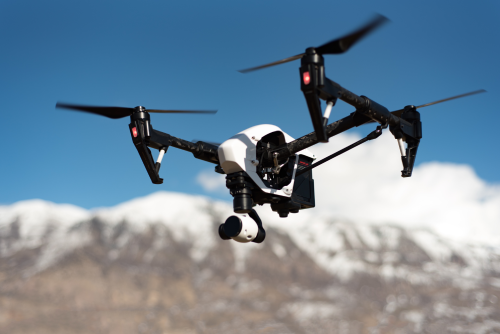
The best drones for road trip videos are not always the biggest or the most expensive. For most travellers in India, the sweet spot is a compact drone that is easy to carry, quick to launch, safe to fly in unfamiliar locations, and good enough to deliver clean cinematic footage without turning your trip into a gear management exercise.
If you are choosing a drone mainly for road trip videos, think beyond headline camera specs. Battery convenience, wind handling, vertical video, obstacle sensing, and seller support in India matter just as much as resolution.
Quick Take
-
Best overall for most people: DJI Mini 4 Pro
Small, travel-friendly, feature-rich, and strong enough for most road trip creators. -
Best for scenic highways, mountains, and more cinematic variety: DJI Air 3
A better choice if you want stronger wind performance and the flexibility of two cameras. -
Best value for beginners: DJI Mini 3
A smart first serious drone if you want good quality without overspending. -
Best ultra-budget starting point: DJI Mini 2 SE
Good for learning the basics, but limited for serious cinematic work. -
Best action companion, not main drone: DJI Avata 2
Great for dynamic FPV-style shots, but it should usually be your second drone, not your only one. -
Best premium option for pro creators: DJI Mavic 3 Pro
Excellent image quality and lens flexibility, but larger, costlier, and less carefree on a road trip. -
India-specific buying advice: Before you pay, verify local seller support, battery availability, spare props, and the latest legal status for the exact model you want to fly in India.
What actually matters in a road trip drone
Road trip filming is different from flying in one familiar park every weekend. You are dealing with changing light, wind, unknown terrain, limited charging time, and places where you may only get one chance to capture a shot.
1. Portability and fast setup
A road trip drone should be easy to stop, launch, shoot, and pack away.
Look for:
- Foldable design
- Compact controller
- Quick GPS lock and setup
- Batteries that are easy to swap on the move
- A small case that fits in a backpack or glovebox area
If your drone is too bulky, you will end up leaving it in the car more often than you think.
2. Wind handling
India road trips often include open highways, coastal roads, valleys, hill stations, desert routes, and viewpoints where wind is stronger than it feels on the ground.
In general:
- Sub-250 g mini drones are easier to travel with
- Heavier mid-size drones usually handle wind better
- Small drones are fine in moderate conditions, but mountains and coasts can expose their limits quickly
If your trips often include Ladakh, Spiti, coastal Kerala, Konkan roads, or open desert stretches, wind performance becomes more important.
3. Obstacle sensing
Obstacle sensing means the drone uses sensors to detect obstacles around it and either warn you or help avoid them. It is not a guarantee against crashing, but it can reduce beginner mistakes.
For road trips, this matters because you may be flying near:
- Trees
- Rock faces
- signboards
- uneven take-off spots
- unfamiliar terrain
A beginner will usually get more value from obstacle sensing than from a small jump in resolution.
4. Camera flexibility
For road trip videos, the camera should do more than just record sharp footage.
Useful features include:
- Good dynamic range for bright skies and dark roads
- Vertical video options for Reels and Shorts
- Slow motion for passing scenery
- Tracking modes for solo creators
- A second lens or telephoto option for more cinematic framing
A drone with only one lens can still be excellent, but a second focal length adds a lot of visual variety.
5. Battery ecosystem and charging
Road trips are all about power management.
Ask yourself:
- Can you charge batteries from a car charger or USB-C PD setup?
- Are extra batteries easy to buy in India?
- How many flights do you realistically need in a day?
- Is the charging hub compact and reliable?
For most road trip users, three batteries is a sensible minimum. Two often feels too little on a full-day drive.
6. Noise and attention
Bigger drones attract more attention. On a road trip, that matters.
A smaller drone is often better when:
- You want quick sunrise shots
- You are near a homestay or campsite
- You do not want a crowd gathering around you
- You are filming casually, not on a production set
The less drama your launch creates, the more usable the drone becomes.
7. After-sales support in India
This is one of the most overlooked buying factors.
Before buying any road trip drone in India, check:
- Who handles warranty claims
- Whether spare batteries are available
- Whether spare propellers and chargers are easy to source
- Repair turnaround time
- Whether the seller is reputable and provides a proper invoice
A slightly older drone with dependable spares is often a better road trip purchase than a newer model with weak support.
Best drones for road trip videos
Comparison table
| Drone | Best for | Why it works well on road trips | Main trade-off |
|---|---|---|---|
| DJI Mini 4 Pro | Most buyers | Compact, strong safety features, vertical video, excellent travel balance | Small body is still less comfortable in strong wind than a bigger drone |
| DJI Air 3 | Scenic routes and more cinematic footage | Dual-camera setup, better wind handling, stronger all-round travel performance | Bigger, heavier, more expensive to own |
| DJI Mini 3 | Beginners and value-focused buyers | Lightweight, easy to carry, very good daylight results, vertical shooting | Fewer advanced safety features than Mini 4 Pro |
| DJI Mini 2 SE | Tight budgets and first-time learners | Credible entry point, simple, portable | Basic video quality and limited features |
| DJI Avata 2 | Action inserts and FPV-style clips | Dynamic footage, protected props, fun second-angle drone | Not ideal as your only road trip drone |
| DJI Mavic 3 Pro | Paid work and serious filmmaking | Better image quality, multiple focal lengths, premium results | Large, expensive, more attention, less carefree travel use |
DJI Mini 4 Pro
Best overall for most road trip creators
If you want one drone that does almost everything well for road trip videos, the DJI Mini 4 Pro is the easiest recommendation.
Why it stands out:
- Sub-250 g class makes it easier to pack and travel with
- Strong feature set for a small drone
- Omnidirectional obstacle sensing helps in unfamiliar locations
- Very good image quality for its size
- True vertical shooting is useful for social content
- Tracking and automated flight tools help solo creators
This is the drone that suits the widest range of users:
- Couples documenting drives and stays
- YouTubers doing travel vlogs
- Reels creators who want fast setup
- Hobbyists who want one main drone, not two
Its biggest strength is balance. It gives you serious capability without becoming a burden.
What to watch out for:
- In strong mountain or coastal winds, a larger drone feels more confident
- Small drones still require careful flying around trees and ridgelines
- Support and legal compliance should be verified for the exact unit you plan to buy in India
DJI Air 3
Best for scenic road trips and more cinematic footage
The DJI Air 3 is a better pick than a Mini-series drone if you care deeply about wind handling, cleaner movement in tougher conditions, and more visual variety.
Its biggest advantage is the dual-camera setup:
- A wide camera for establishing shots
- A medium tele camera for compressed, more cinematic frames
That second lens matters more than many buyers expect. It helps you shoot roads, vehicles, mountains, and winding turns without everything looking ultra-wide and repetitive.
Why road trippers like it:
- Better in wind than smaller drones
- More premium look to footage
- Useful for scenic hill roads and open landscapes
- Strong choice for people editing longer travel films, not just short clips
This is a great fit for:
- Enthusiast creators
- Automotive and travel shooters
- Buyers who want to grow into better filmmaking
What to watch out for:
- It is more noticeable than a Mini drone
- It takes up more space in the car or camera bag
- Batteries and accessories cost more
- Heavier drones need extra care around compliance, permissions, and where you fly
If your road trip videos are more serious than casual, the Air 3 is one of the strongest choices in this category.
DJI Mini 3
Best value for beginners
The DJI Mini 3 remains a very sensible road trip drone because it gets the fundamentals right.
You get:
- Light, travel-friendly size
- Good daylight image quality
- Vertical shooting
- Easy storage in a small bag
- A more approachable step up from toy drones and no-name budget models
For many buyers, this is the practical entry point where road trip footage starts looking genuinely good.
It is a good fit for:
- First-time drone buyers
- Students and hobbyists
- Casual travellers who mainly post to Instagram or YouTube
- People who want a compact drone without paying for every top-end feature
What to watch out for:
- It is less forgiving than the Mini 4 Pro in tricky flying situations
- Advanced safety features are more limited
- You need to be more disciplined with your flight planning and line of sight
If your budget matters but you still want footage that looks polished, the Mini 3 is one of the smartest buys.
DJI Mini 2 SE
Best if you need the lowest-cost credible starting point
If your priority is learning safely and building confidence before spending more, the DJI Mini 2 SE is still a reasonable entry-level option.
It makes sense for:
- Absolute beginners
- Students buying their first real camera drone
- Buyers who are unsure how often they will actually use a drone on trips
Why it works:
- Small and simple
- Portable enough for easy travel
- Good for practicing take-offs, landings, framing, and smooth stick control
But be realistic. This is not the drone to buy if your goal is premium road trip cinematography.
Limitations:
- More basic video quality
- Fewer creative and safety features
- Lower long-term headroom as your skills improve
It is best seen as a learning platform, not an aspirational travel filmmaker’s final choice.
DJI Avata 2
Best action companion for FPV-style clips
The Avata 2 is not the best single drone for road trip videos, but it can be an outstanding second drone.
It is designed for more immersive, dynamic footage, including:
- Fast campsite reveals
- Low, flowing motion through open spaces
- More energetic cutaways between scenic drone shots
- Action-heavy inserts for adventure travel edits
Why it is useful:
- Built-in propeller protection
- Distinct FPV-style look
- More dramatic movement than a regular camera drone
But there are important limits:
- FPV footage is easy to overuse
- Battery life and general workflow are different from standard camera drones
- It is noisier
- It is not a substitute for a stable aerial landscape drone
- You should never use it recklessly near active roads, traffic, or people
Who should buy it:
- Creators who already have a regular drone
- Riders or adventure travellers who want more dynamic edits
- Users willing to learn a slightly different flying style
For most people, the right sequence is: buy a Mini or Air drone first, then consider Avata later.
DJI Mavic 3 Pro
Best premium choice for serious creators and professionals
The Mavic 3 Pro is for road trip shooters who are working at a higher level and can justify the size, cost, and attention that come with it.
Why professionals like it:
- Better image quality
- Stronger low-light performance
- Multiple focal lengths
- More polished results for branded travel films, tourism content, and client work
This drone makes sense if you are shooting:
- Commercial travel campaigns
- Hotels and resorts along a route
- Premium automotive films
- Documentary-style road content with a real post-production workflow
What to watch out for:
- It is large and expensive
- It draws attention
- It is not the drone you casually toss in a small day bag
- Travel convenience is lower than the Mini or Air series
- Compliance and flight planning matter even more
For professionals, it is excellent. For casual travellers, it is usually too much drone.
Which one should you buy?
If you want the shortest answer, use this:
Buy the DJI Mini 4 Pro if:
- You want one drone for almost everything
- You value portability and safety
- You create both horizontal and vertical content
- You travel often and want minimum friction
Buy the DJI Air 3 if:
- You care about more cinematic footage
- You often shoot in windier places
- You want lens variety without moving to a big pro drone
- Your road trip videos are a serious creative project
Buy the DJI Mini 3 if:
- You are price-conscious but still want good results
- You are a beginner
- You mainly shoot in daylight and good weather
Buy the DJI Mini 2 SE if:
- You need the cheapest sensible starting point
- Your main goal is learning
Buy the DJI Avata 2 if:
- You already own a standard drone
- You want action-oriented FPV-style shots as extra footage
Buy the DJI Mavic 3 Pro if:
- You shoot for clients
- You need premium image quality and lens flexibility
- Your road trips are part of a commercial workflow
India-specific legal and safety checks
Road trip drone flying in India is not just about what the drone can do. It is also about whether you are allowed to fly where you stop.
Before you buy or fly, verify the latest official guidance from DGCA and Digital Sky for the exact drone model, weight category, and intended use.
Keep these points in mind:
- A lighter drone may be simpler from a compliance perspective, but that does not mean you can fly anywhere
- Rules can differ based on drone category, use case, and location
- Sensitive zones around airports, military areas, government sites, and other restricted locations may be off-limits
- National parks, forests, monuments, tourist attractions, and private properties may have additional restrictions or require permission
- Do not take off from active roads, highways, bridges, or crowded lay-bys
- Do not fly over moving traffic, crowds, or public gatherings
- Keep the drone within visual line of sight
- Avoid poor weather, strong gusts, and low-visibility conditions
If you are doing client work, verify whether additional operational, documentation, or insurance requirements apply.
The safest road trip habit is simple: stop at a safe open area, check the location, confirm local restrictions, launch responsibly, finish quickly, and move on.
The best road trip drone kit to buy with your drone
A road trip drone is only as useful as the kit around it.
Prioritise these accessories first:
- At least 3 batteries
- Spare propellers
- A reliable charging hub
- A car-compatible charging solution or USB-C PD setup if supported
- Fast memory cards from a trusted brand
- A compact landing mat for dusty stops
- A protective case that is easy to access quickly
Nice-to-have extras:
- ND filters for smoother daylight video
- A microfiber cloth and soft brush
- A power bank for controller or phone top-ups
Skip unnecessary accessories at first. More gear often means slower setup.
Common mistakes people make when buying a road trip drone
Buying on resolution alone
A 4K label does not automatically mean better road trip footage. Flight stability, sensor quality, dynamic range, and ease of use matter more.
Choosing a drone that is too big for your style of travel
If you mostly do weekend drives and short stays, a compact drone will get used more often than a large premium model.
Ignoring battery logistics
A drone may look affordable until you add extra batteries, a charger, memory cards, and replacement props.
Underestimating wind
Many first-time buyers choose the lightest option and then get frustrated in hill stations or coastal areas.
Flying from unsafe roadside spots
Do not launch from the edge of an active road just because the view looks good. Find a safe open area away from traffic and pedestrians.
Relying too much on tracking modes
Tracking is helpful, but it is not magic. Trees, wires, uneven terrain, and changing elevation can still cause accidents.
Buying from a weak seller
A road trip drone is not just a box purchase. You need spare parts, firmware support, and someone accountable if something goes wrong.
FAQ
Is a sub-250 g drone the best choice for road trip videos in India?
For many people, yes. A sub-250 g drone is easier to carry, less intimidating, and often more practical for casual travel. But if you frequently shoot in strong wind or want more cinematic lens options, a larger drone like the Air 3 can be the better tool.
Can I fly a drone from a highway stop or moving car?
You should not fly recklessly from active roads or over moving traffic. Avoid launching or landing from unsafe roadside spots, and do not treat public roads as a filming set. Stop in a safe open area and verify that flying there is legally permitted.
How many batteries do I need for a road trip?
For most people, three batteries is the sweet spot. Two can feel restrictive on a full day of driving, while three gives you enough flexibility for sunrise, one scenic stop, and a sunset session.
Do I need an FPV drone for road trip videos?
Usually no. A regular camera drone is the better first purchase. FPV-style drones like the Avata 2 are great as a second drone if you specifically want more dynamic action shots.
Is obstacle sensing necessary for beginners?
It is not strictly necessary, but it is very valuable. For beginners flying in unfamiliar places, obstacle sensing can reduce mistakes and make the learning curve less stressful.
Which is better for road trips: DJI Mini 4 Pro or DJI Air 3?
Choose the Mini 4 Pro if you want maximum portability and a better travel-to-performance ratio. Choose the Air 3 if you want better wind confidence and more cinematic framing from its dual-camera setup.
Are cheap no-name drones worth buying for travel videos?
Usually no. Many ultra-cheap drones are disappointing in image quality, stability, reliability, and repair support. A lower-end drone from a known brand is usually a safer buy than a feature-packed unknown model.
Do I need to check DGCA rules even for casual travel footage?
Yes. Casual filming does not automatically exempt you from location and operational restrictions. Always verify the latest official rules for the drone you plan to use and the area where you want to fly.
Is vertical video really important?
If you post to Instagram Reels, YouTube Shorts, or similar platforms, yes. Native or easy vertical shooting saves time in editing and makes your road trip content more usable across platforms.
Should I buy new or used?
Both can work. If buying used, inspect battery health, arm condition, propellers, gimbal movement, charging accessories, and seller credibility. For Indian buyers, a trustworthy seller and usable spares matter more than getting the absolute lowest price.
Final takeaway
For most people, the DJI Mini 4 Pro is the best drone for road trip videos because it balances portability, safety, image quality, and ease of use better than anything else. If you want stronger wind performance and more cinematic lens options, step up to the DJI Air 3. If budget matters most, start with the DJI Mini 3.
Before buying, do one final check: verify Indian compliance for the exact model, confirm seller support and spare battery availability, and choose the drone you will actually carry and fly on every trip. That is the one that will make the best road trip videos.
