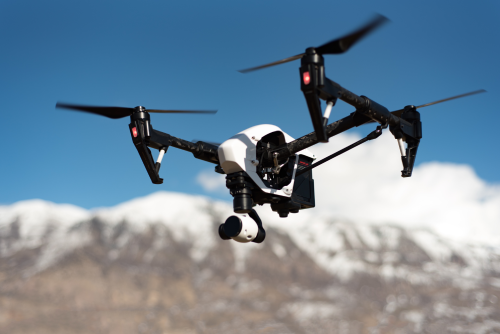
Outdoor trips are where a drone feels most magical, but also where weak buying decisions get exposed fast. The best drones for outdoor adventures are not just the ones with a good camera on paper; they need to be light to carry, stable in wind, easy to fly from awkward locations, and practical to own and maintain in India.
If you trek, camp, ride, travel, or shoot outdoor content, your best drone will usually be a compact camera drone rather than the biggest or cheapest option. The right pick depends on how much you walk, how windy your locations are, how serious you are about video, and how much hassle you want on the trip.
Quick Take
- For most buyers in India, the best drone for outdoor adventures is a compact mini-class camera drone, especially if you hike, travel often, or want low bag weight.
- If you regularly shoot in windy beaches, open plateaus, cliffs, or wide road-trip locations, a mid-size drone is usually a better tool than an ultra-light mini.
- If you want cinematic action shots around bikes, cars, or trail movement, FPV-style drones can look amazing, but they are not the best first drone for most beginners.
- Battery ecosystem, spare propellers, charging options, and after-sales support matter more on real trips than headline specs.
- Under-250g drones are attractive for portability and lower hassle, but you should still verify the latest DGCA, Digital Sky, and local site rules before flying anywhere in India.
- Most consumer drones are not waterproof. Rain, sea spray, dust, heat, and mountain winds are bigger real-world problems than brochure numbers.
What makes a drone good for outdoor adventures?
Outdoor flying is different from flying in a calm open field near home. You are often dealing with:
- Uneven takeoff spots
- Sudden wind gusts
- Bright sunlight on the controller screen
- Limited charging access
- Dust, sand, and moisture
- Pressure to “get the shot” quickly before the group moves on
That changes what “best” really means.
1. Portability matters more than you think
If a drone feels bulky at home, it feels much worse on a trek. For hiking, backpacking, and motorcycle trips, a folding mini drone is usually the sweet spot.
Look for:
- A compact folded size
- Light controller setup
- Easy battery swapping
- A bag that can fit drone, controller, 2 to 3 batteries, and a charger without becoming annoying
2. Wind performance matters more than headline flight time
Adventure locations are often windy: ridge lines, beaches, valleys, open lakes, forts, and cliffs. A drone that is fantastic in calm weather can become stressful when wind picks up.
In general:
- Mini drones are best for portability
- Mid-size drones are better for wind confidence
- Heavier professional drones are best only if image quality is worth the extra load and risk
3. Launch and recovery need to be simple
Outdoor locations are rarely ideal. You may be standing on gravel, grass, sand, or rock.
Helpful features include:
- Stable hovering
- Good obstacle sensing
- Reliable return-to-home
- Fast GPS lock
- Easy hand-launch or careful hand-catch only if you already know what you are doing
4. Battery logistics decide how much you will actually use the drone
A drone with great image quality is frustrating if you cannot keep it charged on a long day.
For adventure travel, think about:
- How many batteries you can realistically carry
- Whether charging hub support is good
- Whether you can charge from a car, power station, or power bank
- How expensive and available spare batteries are in India
5. “Follow me” is helpful, but not magic
Subject tracking can be excellent for hikers, cyclists, and road-trippers, but it is not foolproof.
Tracking works best when:
- The subject is clearly visible
- There are not too many branches, wires, poles, or sudden obstacles
- The light is decent
- You are not trying to force the drone into a risky line
Never buy a drone assuming it will safely follow you through dense trees or complex mountain terrain by itself.
Best drones for outdoor adventures by buyer type
The strongest options for most Indian buyers today still come from the Mini, Air, Avata, and Mavic families. That is not because alternatives do not exist, but because these lines are widely known for dependable cameras, mature flight apps, and good accessory ecosystems. Availability, warranty, and service support can vary in India, so always check local seller credibility before buying.
| Buyer or trip type | Best fit | Why it stands out | Best for | Not ideal for |
|---|---|---|---|---|
| First-time travel buyer | DJI Mini 3 | Light, simple, strong value | Casual travel, campus creators, trekking | Very windy locations, advanced tracking needs |
| Best all-round adventure pick | DJI Mini 4 Pro | Mini size with smarter features | Hikers, travel filmmakers, frequent flyers | Buyers who mostly fly in strong coastal wind |
| Windier outdoor trips | DJI Air 3 | More stable platform and more flexible framing | Road trips, beaches, open terrain, serious creators | Ultralight trekking setups |
| Action-heavy immersive video | DJI Avata 2 | FPV-style flying and dynamic footage | Sports content, fast movement, cinematic action | Complete beginners who want a relaxed flying experience |
| Professional expedition content | DJI Mavic 3 Pro | Best image flexibility in this group | Commercial shoots, premium travel films | Budget buyers, minimal-packing trips |
The best options in detail
DJI Mini 4 Pro: Best overall for most outdoor adventurers
If you want one drone that balances portability, image quality, safety features, and travel convenience, this is the easiest overall recommendation.
Why it works so well outdoors:
- Small enough to actually carry on treks and vacations
- Good image quality for travel films, reels, and YouTube work
- Strong intelligent flying features for a mini-class drone
- Better confidence for beginners than older stripped-down mini models
- Easier to keep in your bag “just in case”
Who it suits:
- Travellers
- Hikers
- Weekend bikers
- Creators who want quality without carrying a big case
- Buyers who want one good drone rather than upgrading too soon
What to watch:
- Like all mini drones, it is still not the first choice for strong, gusty coastal or mountain wind
- Small size makes it easy to underestimate weather risk
- You should still fly conservatively around cliffs, trees, and water
Best buyer profile: The person who wants the best chance of actually carrying and using the drone on most trips.
DJI Mini 3: Best value for casual outdoor travel
For many buyers, especially first-time users, the Mini 3 hits the sweet spot between quality and simplicity. It may not offer the full feature set of the more advanced mini models, but it is often enough for travel memories, social media content, and relaxed scenic flying.
Why it makes sense:
- Very easy to pack
- Good camera output for most non-commercial users
- Less intimidating for beginners
- Often a smarter buy than wasting money on low-quality toy drones
Who should consider it:
- Students
- First-time buyers
- Family travellers
- Casual vloggers
- Anyone who wants a real camera drone without overspending on features they may not use
What to watch:
- Feature limitations matter more once you start pushing into complex shots
- Fewer safety assists than more advanced models means you need stronger manual judgment
- Not the best pick if your trips are usually windy and exposed
Best buyer profile: A beginner who wants a proper travel drone and values portability over advanced automation.
DJI Air 3: Best for windy trips and more serious travel content
Once your trips involve beaches, open landscapes, forts, cliffs, larger roads, or regular video work, the Air-class drone starts making more sense than a mini.
Why it stands out:
- Better wind confidence than mini-class drones
- More flexible camera setup for varied framing
- Better for open terrain where you want stronger presence in the air
- A more “serious tool” feel without jumping straight to a large pro drone
This is a very strong choice for:
- Road-trip filmmakers
- Outdoor travel creators
- Buyers who often shoot in exposed areas
- People who already know they will use the drone regularly
Trade-offs:
- Bulkier than a mini, so you will notice it on long treks
- Bigger overall kit once you add extra batteries and charging gear
- Cost is higher, and repairs can be costlier too
Best buyer profile: Someone who values better outdoor stability and framing flexibility more than ultra-light portability.
DJI Avata 2: Best for immersive action adventure footage
If your idea of an outdoor adventure drone is flying low over trails, carving around terrain, or creating high-energy clips with a strong sense of motion, an FPV-style drone is in a different league.
Why it is exciting:
- Immersive flying style
- Dynamic footage that feels faster and more dramatic
- Great for action sports, adventure storytelling, and unique angles
But there is a big warning here: this is not the safest or easiest first drone for most people.
FPV-style flying usually means:
- More training
- Higher crash risk
- More complex recovery decisions
- Greater need for open space and disciplined planning
A drone like this makes sense if:
- You already understand basic drone flying
- You are specifically chasing FPV-style content
- You are willing to practice properly
- You accept that breakage risk is part of the game
Best buyer profile: The creator who wants cinematic motion and is ready to learn a more specialized flying style.
DJI Mavic 3 Pro: Best for professional expedition and commercial travel work
For casual outdoor adventures, this is overkill. For commercial work, destination films, premium travel content, and serious client shoots, it is one of the most capable choices.
Why professionals like this class:
- Higher-end image flexibility
- Better tool for demanding production work
- More confidence when footage quality is central to the job
- Useful when you need multiple focal options in one platform
Why many buyers should skip it:
- Heavier and more expensive
- More stressful to carry on minimal trips
- Harder to justify unless you earn from your footage
- Bigger consequences if damaged during travel
Best buyer profile: A professional or advanced creator who knows exactly why a larger camera drone is worth the added weight, cost, and care.
How to choose the right adventure drone for your trips
If you are stuck between two classes, use this simple decision process.
1. Start with your trip style, not the spec sheet
Ask yourself:
- Will I be trekking or mostly driving?
- Will I shoot sunrise landscapes or action-heavy movement?
- Will I fly in calm places or exposed windy terrain?
- Do I want a “carry everywhere” drone or a more serious flying tool?
2. Choose your class first
A simple rule:
- Choose a mini drone if portability is your top priority
- Choose an Air-class drone if wind performance and versatility matter more
- Choose FPV only if dynamic motion is the main reason you want a drone
- Choose a pro drone only if the footage will justify the size and cost
3. Check ownership practicality in India
Before buying, confirm:
- Local seller reputation
- Battery availability
- Spare propeller availability
- Repair options in your city or state
- Activation and app setup support, if needed
- Whether accessories are easy to replace later
A cheaper listing is not a better deal if batteries and repairs become a headache.
4. Decide how much controller simplicity matters
For outdoor use, a controller with a built-in screen is often easier because:
- It avoids cable and phone setup hassles
- Screen visibility is usually better outdoors
- Your phone stays free for maps, calls, and travel coordination
A phone-based controller can still be fine if you want to save money and do not mind the extra setup.
5. Budget for the real kit, not just the drone body
A practical adventure kit usually includes:
- 2 to 3 batteries
- Spare propellers
- Charging hub or multi-battery charger
- Compact case or sling
- Lens cloth and basic cleaning kit
- Landing pad for sand, dust, or grass
- Fast memory card from a reliable brand
Safety, legal, and compliance checks in India
This part matters more than many buyers realise.
Indian drone rules, platform requirements, and local restrictions can change. Before you buy or fly, verify the latest official guidance from DGCA and the Digital Sky ecosystem for your drone category, use case, and flying area.
A few safe principles:
- Do not assume a drone sold online is automatically suitable for every location or use case.
- Check current airspace restrictions before every trip.
- Be especially careful near airports, military areas, ports, refineries, power plants, dams, border regions, and other sensitive locations.
- Wildlife areas, national parks, tiger reserves, and some heritage or protected sites may have additional restrictions or require permissions.
- Do not fly over crowds, roads, moving traffic, or public gatherings just for a dramatic shot.
- Keep the drone within visual line of sight unless you are operating under a framework that clearly permits otherwise.
- Respect privacy. Do not record people in campsites, resorts, private property, or isolated outdoor settings without consent.
- If you travel by air, check your airline’s latest battery carriage rules before packing lithium batteries.
Also remember: under-250g drones may reduce inconvenience in some situations, but they do not give you a free pass to ignore airspace, location rules, or safety.
Accessories that matter more than flashy upgrades
For outdoor adventures, these accessories give real value:
Essential
- Spare batteries
- Spare propellers
- Charging hub
- Compact carrying case
- Fast, reliable memory card
- Basic cleaning cloth
Very useful
- Landing pad for dust and sand
- Power bank or vehicle charging option
- Propeller holder for travel
- Screen shade if using a phone controller
Optional
- ND filters for video in bright sunlight
- Hard case if you travel rough or check luggage often
- Tablet mount if you prefer a bigger screen, though this adds bulk
If your budget is tight, buy fewer accessories but do not skip extra batteries and spare props.
Common mistakes buyers make
Buying a toy drone for serious outdoor travel
Toy drones may feel like a low-risk way to start, but many become useless the moment there is mild wind or you need reliable video. For outdoor adventures, a proper GPS camera drone is usually the smarter long-term buy.
Choosing the lightest drone without thinking about location
A mini drone is excellent, but if your main trips are windy beaches, open hills, or coastal roads, you may be happier with a slightly larger drone.
Thinking flight time on paper equals real shoot time
Real outdoor flights include takeoff checks, repositioning, wind correction, return margin, and conservative battery management. Practical usable time is always less than the headline number.
Overtrusting automatic tracking
Tracking is useful, not magical. If the route has wires, branches, rocks, poles, or changing elevation, manual planning still matters.
Buying the drone but not the power setup
One battery is rarely enough for an actual day trip. Many first-time buyers learn this too late.
Ignoring after-sales support
Adventure gear gets used hard. Propellers break. Batteries age. Firmware issues happen. Service and parts availability matter.
Flying from sand, dust, or wet surfaces carelessly
Beach and off-road conditions can be brutal. A simple landing pad can save you from avoidable motor and gimbal problems.
Starting with FPV because the videos look cool
FPV footage is stunning, but the learning curve and crash probability are much higher. For most people, a standard camera drone is the better first purchase.
FAQ
Which type of drone is best for trekking in India?
For most trekkers, a mini-class folding camera drone is the best choice because it balances weight, image quality, and packability. If your trek locations are usually very windy, a mid-size drone may be better, but you will feel the extra bulk.
Is a mini drone enough for mountains and hill stations?
Often yes, especially for scenic shots in calmer windows such as early morning. But mountains can create sudden gusts and tricky air currents, so smaller drones need more caution and conservative flying decisions.
Should I buy an FPV drone for adventure travel?
Only if immersive action footage is the main reason you want a drone and you are ready to practise seriously. For general travel, landscapes, and easy operation, a standard camera drone is a better first buy.
How many batteries do I need for outdoor trips?
For most day trips, 3 batteries is a practical target. Casual users may manage with 2, but one battery is usually too limiting if you travel to a beautiful location and want multiple takes.
Do I need obstacle avoidance?
It is not mandatory, but it is very helpful for beginners and travel flying. It can reduce stress, especially when you are distracted by unfamiliar terrain, but it should never replace careful manual flying.
Can I fly a drone at beaches, forts, forests, or tourist spots in India?
Maybe, maybe not. Rules depend on airspace, local administration, protected status, crowd conditions, and current restrictions. Always verify the latest official and local permissions before flying.
Is a bigger drone always better for outdoor adventures?
No. Bigger drones usually handle wind better and can offer better cameras, but they are heavier, more expensive, and less likely to be carried on casual outings. The best drone is the one you will safely carry and actually use.
What should I budget for besides the drone?
Plan for extra batteries, spare propellers, a memory card, a charging setup, and a carrying solution. Those items often matter more on a real trip than a small jump in camera specs.
Should I get a controller with a built-in screen?
If budget allows, it is often worth it for travel and outdoor use. Setup is faster, screen visibility is usually better, and you do not need to tie up your phone every time you fly.
Final takeaway
If you want the safest all-round answer, buy a good mini-class camera drone and build a practical kit around it. If your adventures regularly involve windier, more open landscapes and you care deeply about video quality, step up to an Air-class drone; if you want FPV excitement, only do it deliberately and with training. Before you spend, match the drone to your trip style, verify the latest India rules, and buy from a seller who can support you after the honeymoon period ends.
