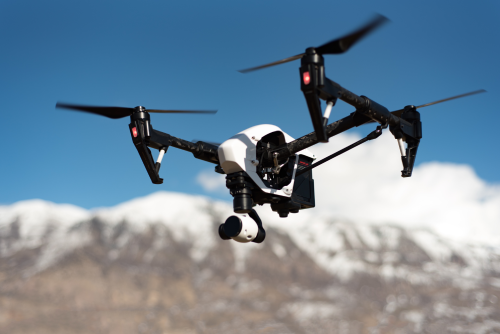
The best drones for wildlife photography are not always the biggest or most expensive. In India, the right choice depends on three things first: whether you can legally fly at the location, how far you need to stay from animals, and how reliable the drone’s support and spare parts are after purchase. For most buyers, a quiet, stable drone with a useful telephoto view is a better wildlife tool than a cheap drone with a long spec sheet.
Quick Take
If you want the short answer, these are the best drones for wildlife photography for different types of buyers:
- Best overall for most people: DJI Air 3
- A very strong balance of image quality, flight stability, safety features, and a useful medium tele camera.
- Best premium choice for serious creators: DJI Mavic 3 Pro
- Best if you want more lens flexibility and you regularly shoot professional nature films or documentaries.
- Best lightweight option for travel and beginners: DJI Mini 4 Pro
- Easy to carry, less intimidating to fly, and very capable for habitat shots and cautious wildlife work from a distance.
- Best for image quality if telephoto is not your top priority: DJI Mavic 3 Classic
- Excellent main camera for landscapes, forests, wetlands, coastlines, and broader environmental storytelling.
- Best budget-friendly travel pick: DJI Mini 3
- A sensible entry point if you want to learn aerial nature photography without jumping to a bigger drone.
- Best non-DJI alternative if local support checks out: Autel EVO Lite+
- Worth considering for buyers who can verify dependable after-sales support and battery availability in India.
One important warning: in many wildlife-sensitive locations, especially protected areas, you may not be allowed to fly at all without special permission. Buying the right drone is only half the job.
The reality check: wildlife photography with drones is heavily restricted
Before talking about models, it is important to say this clearly: wildlife photography by drone is often legally restricted and ethically sensitive, especially in India.
In and around:
- national parks
- wildlife sanctuaries
- tiger reserves
- bird nesting areas
- eco-sensitive zones
- forest land under local restrictions
drone use is often prohibited, tightly controlled, or allowed only with written permission for official, research, conservation, documentary, or approved commercial work.
You should verify the latest position with:
- the relevant forest department or park authority
- local administration
- the latest DGCA and Digital Sky requirements, where applicable
- the specific site operator if you are shooting at a private reserve, eco-lodge, or safari property
Do not assume that a small drone is automatically allowed. Do not assume that “just for photography” is acceptable. And do not disturb animals for content.
A drone that causes a bird to flush, a herd to scatter, or an animal to look up repeatedly is already too close.
What actually matters in a wildlife drone
Wildlife photography has different priorities from travel vlogging or city cinematography. The best drone for wildlife is usually the one that lets you get a useful shot without getting physically close.
1. A telephoto or medium tele camera matters more than people think
A wide lens is good for:
- landscapes
- forests
- rivers
- wetlands
- coastlines
- showing animals in habitat
But for actual wildlife subjects, a wider lens often tempts beginners to fly too close. That is exactly what you should avoid.
A drone with a medium tele camera, such as around 70mm equivalent, is often the sweet spot because it lets you stay farther away while still framing the subject well.
2. Quiet, smooth flight is more important than top speed
For wildlife, you do not need a drone that looks aggressive or flies like an FPV racer. You need one that can:
- hover steadily
- move slowly and predictably
- hold position in light wind
- avoid sudden jerks
- make as little noise as possible
Fast drones are often the wrong tool for this job.
3. Obstacle sensing is genuinely useful
If you fly near tree lines, river bends, cliffs, scrubland, or uneven terrain, obstacle sensing can save you from expensive mistakes. It is not magic, and it does not replace piloting skill, but it helps.
For beginners, this feature is especially valuable.
4. Good image quality at dawn and dusk helps
Wildlife is often active in softer light. A larger sensor usually gives you:
- cleaner shadows
- better dynamic range
- more flexibility in editing RAW photos
- better video in difficult light
Dynamic range simply means how well the camera can hold detail in bright and dark areas in the same shot.
5. Flight time matters, but battery ecosystem matters more
A drone may advertise strong flight time, but field work depends on:
- how many batteries you can buy
- whether those batteries are easy to source in India
- how long they take to charge
- whether you have a proper charging hub or field power option
One battery is never enough for nature work.
6. Repairability and after-sales support matter a lot in India
This is where many buying guides stay too generic. In India, you should care about:
- official or reliable reseller support
- genuine spare batteries
- propeller availability
- charger compatibility
- firmware support
- invoice and warranty clarity
A great drone becomes a bad buy if you cannot get batteries or repairs when you need them.
Best drones for wildlife photography
1. DJI Air 3
Why it is the best overall choice
For most buyers, the DJI Air 3 is the most balanced wildlife photography drone. Its biggest strength is simple: it gives you both a wide camera and a useful medium tele view in one compact platform.
That matters because wildlife shooting usually needs two kinds of images:
- broad habitat shots
- tighter, more respectful compositions from farther away
The Air 3 can do both without jumping into flagship-level pricing.
What makes it a strong wildlife drone
- Dual-camera setup gives more framing flexibility
- Medium tele view is more useful than digital zoom gimmicks
- Good flight stability for outdoor conditions
- Strong obstacle sensing for safer flying around trees and terrain
- Portable enough for road trips, hides, and trekking-based travel
- Easier to recommend than a heavy professional setup for most hobbyists and creators
Best for
- wildlife content creators
- nature vloggers
- serious hobbyists
- safari lodge content teams
- buyers who want one drone for both travel and wildlife work
Watch-outs
- It is still not silent
- It is not a substitute for a proper long-lens wildlife camera on the ground
- You still need permissions where required
- In protected areas, even this “ideal” wildlife drone may not be legal to use
If you want one practical answer to “Which drone should I buy for wildlife photography?”, this is the safest general recommendation.
2. DJI Mavic 3 Pro
Why it is the premium pick
The DJI Mavic 3 Pro is the high-end answer for serious creators who want the most lens flexibility in a compact folding drone. For wildlife storytelling, the biggest advantage is that you are not stuck with a single viewpoint.
You get:
- a strong main camera for environmental scenes
- a medium tele option for more natural-looking subject framing
- a longer tele option for situations where distance is essential
Why professionals like it
- Better creative control across different focal lengths
- Strong image quality from the main camera
- Useful for documentary-style work where habitat and subject both matter
- Lets experienced operators work more ethically by relying on lens choice instead of proximity
Best for
- professional videographers
- documentary crews
- premium travel and nature creators
- production houses
- experienced pilots who already know when not to fly
Watch-outs
- Expensive
- Heavier and less casual to carry
- Overkill for many beginners
- If you mostly shoot landscapes and only occasional wildlife, the extra spend may not make sense
If wildlife is part of your professional output and you can justify the cost, this is one of the strongest tools in the consumer-pro space.
3. DJI Mini 4 Pro
Why it is the best lightweight option
The DJI Mini 4 Pro is the best choice for buyers who want a small, highly portable drone that still feels modern and safe. It is especially attractive for:
- trekkers
- students
- birders who also shoot landscapes
- beginners upgrading from toy drones
- creators who travel light
Where it works best
This drone is excellent for:
- habitat overviews
- marshes, grasslands, river curves, coastlines
- respectful aerial context shots
- legal flying on private land or permitted locations
- learning smooth camera movement
Why it is not automatically the “best wildlife drone”
The limitation is its camera perspective. A smaller drone with a single wide camera can still produce beautiful nature images, but it is not ideal when you need to stay farther from the subject and still frame tightly.
That means it works best when:
- the subject is part of a larger scene
- you are telling a habitat story
- you are not trying to isolate distant animals dramatically
Best for
- beginners who want a serious drone
- travel-first buyers
- hikers and campers
- creators who value portability above all
Watch-outs
- Single-camera setup limits subject framing
- Easier to outgrow if wildlife becomes your main focus
- Small size helps with portability, but it does not remove legal restrictions
If you want a light, premium-feeling drone and your wildlife work is more about environment than close subject emphasis, this is a smart buy.
4. DJI Mavic 3 Classic
Why it still deserves a place
The DJI Mavic 3 Classic is a great option for photographers who care deeply about main-camera image quality and do not need multiple lenses on the drone itself.
This is a strong fit for people who shoot:
- forests
- mountains
- wetlands
- coastline conservation stories
- eco-tourism films
- aerial establishing shots for natural history projects
Its biggest advantage
The main camera is the reason to consider it. If your work is less about “zooming into animals” and more about producing rich, cinematic nature imagery, this drone can make more sense than a smaller dual-camera model.
Best for
- photographers who prioritise still image quality
- creators who already shoot wildlife on the ground with telephoto cameras
- filmmakers who need polished establishing shots
Watch-outs
- No true telephoto flexibility like the Mavic 3 Pro
- Less ideal if your wildlife work often needs tighter framing from a stand-off distance
- More expensive than mid-range options
This is a specialist pick: excellent if you understand what it does well, less ideal if you expect it to solve all wildlife scenarios.
5. DJI Mini 3
Why it is the sensible budget choice
The DJI Mini 3 is not the most powerful wildlife drone, but it is one of the easiest to recommend for buyers on a tighter budget who still want a real camera drone.
It makes sense if you are:
- learning aerial composition
- mostly shooting landscapes and nature travel
- unsure how often you will actually use a drone
- trying to keep your kit small and simple
Where it fits
This is best for:
- beginners
- students
- budget-conscious hobbyists
- road-trip creators
- photographers adding an aerial angle to nature content
The compromise
Compared with more advanced models, you usually give up some combination of:
- safety features
- obstacle sensing coverage
- lens flexibility
- wind confidence
- premium handling
Still, as a starter drone for habitat photography and legal low-risk flying, it can be a very practical first purchase.
6. Autel EVO Lite+
Why some buyers should consider it
The Autel EVO Lite+ is one of the few non-DJI models worth a look for buyers who want a camera-focused drone and can confirm dependable local support before purchasing.
Its appeal is usually tied to:
- camera quality
- low-light capability
- serious enthusiast positioning
When it makes sense
Consider it if:
- you want an alternative brand
- the seller can clearly support batteries, service, and firmware
- you prefer its handling or camera output after comparing samples
Big caution for Indian buyers
Do not buy a drone like this only because the spec sheet looks attractive. In India, real-world ownership depends heavily on:
- battery availability
- repair turnaround
- spare parts access
- service reliability
If those questions are not answered clearly before purchase, walk away.
Comparison table: which one suits you best?
| Drone | Best for | Biggest strength for wildlife | Main compromise |
|---|---|---|---|
| DJI Air 3 | Most buyers | Wide + medium tele flexibility | Not as premium as flagship models |
| DJI Mavic 3 Pro | Professionals | Multiple useful focal lengths | Expensive |
| DJI Mini 4 Pro | Travel and beginners | Light, capable, easy to carry | Limited reach compared with tele-equipped options |
| DJI Mavic 3 Classic | Image-quality-focused shooters | Strong main camera for habitat stories | No real multi-lens flexibility |
| DJI Mini 3 | Budget buyers | Affordable entry into serious aerial nature photography | Fewer advanced features |
| Autel EVO Lite+ | Alternative-brand buyers | Camera-focused option | Support and parts must be verified carefully |
How to choose the right wildlife drone in India
If you are confused between these models, use this simple decision process.
1. First decide what “wildlife photography” means for you
Be honest about your use case.
Choose a Mini 3 or Mini 4 Pro if you mostly want:
- forests
- rivers
- hills
- wetlands
- birds as part of a bigger scene
- travel-friendly aerial nature content
Choose an Air 3 if you want:
- habitat plus subject flexibility
- one drone for wildlife, travel, and video work
- a tele view without going fully pro
Choose a Mavic 3 Pro if you want:
- commercial-level output
- more precise composition from a distance
- a serious filmmaking tool
2. Check your actual flying locations before buying
If your main dream is flying over national parks or tiger reserves, do not buy first and ask questions later. Confirm whether your intended locations legally allow drone operations at all.
For many buyers, the best drone is useless because the desired location is off limits.
3. Put zoom ahead of gimmicky resolution
For wildlife, a better lens choice is often more valuable than headline resolution numbers. A medium tele camera can be more useful than “more K” video.
4. Budget for the real kit, not just the drone
Your total ownership cost usually includes:
- extra batteries
- propellers
- memory cards
- carrying case
- ND filters for video, if needed
- charger or charging hub
- insurance, if available and relevant
5. Buy only if service support is clear
Ask these questions before paying:
- Is there a proper invoice?
- What warranty is actually offered?
- Are genuine batteries available?
- How are repairs handled in India?
- Are propellers and accessories easy to get?
If the answers are vague, treat that as a warning.
Safety, ethics, and compliance for wildlife flying in India
This section matters as much as the buying advice.
Follow the law first
Drone rules, airspace procedures, and local restrictions can change. Always verify the latest official guidance before flying. That includes DGCA-related requirements, Digital Sky processes where applicable, and any location-specific restrictions.
Protected wildlife areas need extra caution
Even if a drone is technically capable, that does not mean it is permitted in:
- sanctuaries
- national parks
- tiger reserves
- nesting grounds
- breeding colonies
- fragile wetland zones
Special permissions may be required, and in many places recreational use may simply not be allowed.
Follow wildlife ethics
Never:
- chase animals for a dramatic shot
- hover directly over nests
- force birds to take off
- repeatedly circle stressed animals
- fly low over herds or resting groups
- operate near rescue or conservation activity without approval
A good rule: if the animal changes behaviour because of your drone, back off immediately.
Common mistakes buyers make
Buying the cheapest drone and expecting wildlife results
Cheap drones usually struggle with:
- image quality
- wind stability
- smooth control
- reliable return-to-home
- battery consistency
That is a bad mix for outdoor nature work.
Choosing FPV for wildlife
FPV drones are exciting, but they are usually the wrong tool for wildlife photography. They are noisy, aggressive in flight style, and designed more for speed and dynamic action than quiet observation.
Ignoring telephoto needs
Beginners often assume they can just crop later. In practice, a useful tele lens helps you stay farther away and still get a better composition.
Thinking a small drone means “no rules”
Size helps portability. It does not remove legal and ethical responsibilities.
Not checking parts availability
A drone without easy battery access is a frustrating purchase, especially for travel and field work.
Flying in the middle of the day only
Midday light often looks flat and harsh. If you are operating legally and safely, the best nature images usually come in gentler light. But remember: low-light flying demands more skill and caution.
FAQ
Is it legal to use a drone for wildlife photography in India?
Sometimes, but often not in protected or sensitive areas without permission. You must verify the latest DGCA-related requirements and, more importantly, the local rules of the forest department, park authority, or landowner before flying.
Which is better for wildlife: a bigger sensor or a telephoto lens?
For many wildlife situations, a telephoto or medium tele lens is more useful because it lets you keep distance from animals. A bigger sensor helps image quality, especially in difficult light. Ideally, you want both, but if forced to choose, lens reach often matters more for wildlife.
Is the DJI Mini 4 Pro enough for wildlife photography?
Yes, for many people it is enough, especially for habitat shots, travel-friendly nature work, and beginners who want a lightweight drone. But if wildlife is your main subject and you need tighter framing from a safe distance, a drone with a tele camera is usually better.
Is the DJI Air 3 better than the Mini 4 Pro for wildlife?
For most wildlife-focused buyers, yes. The Air 3’s dual-camera setup makes it more versatile and generally more suitable for respectful stand-off shooting.
Do I need a drone with zoom for animals?
Not always, but it helps a lot. A useful tele camera reduces the temptation to fly too close and gives more natural-looking compositions.
Are FPV drones good for wildlife photography?
Usually no. They are better suited to fast, immersive action shots than careful, low-disturbance wildlife work.
Should beginners buy a premium drone like the Mavic 3 Pro?
Only if you are sure about your use case and budget. Most beginners are better served by a Mini 4 Pro or Air 3, then upgrading later if wildlife becomes serious work.
What accessories should I buy with a wildlife drone?
At minimum, get: – at least two or three batteries – spare propellers – a reliable memory card – a good case – a charging solution that suits field travel
Can I shoot birds with a drone?
Only with extreme caution, and often not legally in sensitive areas. Birds are among the easiest animals to disturb with drones, especially during nesting and breeding periods. If in doubt, do not launch.
Final takeaway
If you want the best drone for wildlife photography today, the DJI Air 3 is the smartest all-round buy for most people, while the DJI Mavic 3 Pro is the better choice for serious professional work and the DJI Mini 4 Pro is the most practical lightweight option.
But the real buying decision is bigger than camera specs: choose a drone that helps you keep distance, fly smoothly, and operate legally and ethically in India. Before spending money, verify where you can actually fly, check after-sales support, and buy the drone that fits your real locations, not just your dream shots.
