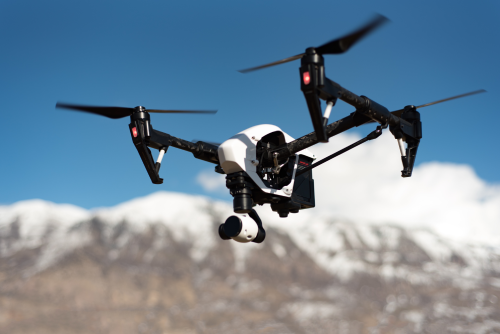
Instagram Reels reward speed, movement, and strong first impressions. The best drones for Instagram Reels and short videos are not necessarily the biggest or most expensive ones—they are the models that launch quickly, hold a steady frame, fit a vertical workflow, and are realistic to fly in India.
If you are choosing your first content drone, start with how you shoot, not just camera specs. A solo travel creator needs something very different from an FPV-style action shooter or a small business making café and property reels.
Quick Take
- For most creators, the best all-round pick is the DJI Mini 4 Pro.
- If you want a lower-cost but still very capable option, the DJI Mini 3 is the safer starting point than many cheap alternatives.
- If you want more polished, layered edits with stronger wind handling and dual focal lengths, the DJI Air 3 is a better creator tool than a mini-class drone.
- If your style is fast, immersive, and action-heavy, an FPV drone like the DJI Avata makes sense—but only if you specifically want that look and accept the learning curve.
- Native vertical shooting, strong subject tracking, and a proper gimbal matter more for Reels than headline megapixels.
- In India, after-sales support, battery availability, repairability, and legal usability matter as much as the drone itself.
- Before buying or flying, verify the latest DGCA and Digital Sky requirements for your use case and location.
What actually makes a drone good for Reels?
A good Reel drone does four things well:
- It gets in the air fast.
- It gives you stable footage without too much setup.
- It fits a vertical or easy-to-crop workflow.
- It is simple enough that you will actually carry and use it.
For short-form content, you usually do not need long cinematic sequences. You need 3 to 8 strong clips: a reveal, a pull-back, an orbit, a top-down shot, a tracking shot, and one dramatic closing angle. That means convenience is a feature.
Here is what matters most.
1. A real gimbal
A gimbal is the motorized camera stabilizer that keeps footage smooth. For Reels, this matters more than big numbers on the box. Avoid toy drones that rely only on electronic stabilization if you care about polished results.
2. Vertical shooting or easy vertical cropping
Instagram Reels use a 9:16 frame. Some drones can shoot true vertical video, which saves editing time and preserves more quality. If a drone only shoots horizontal, you can still crop—but you lose framing flexibility.
3. Subject tracking
If you shoot alone, tracking is one of the biggest quality-of-life features. It helps the drone follow you walking, cycling slowly in a safe open area, or moving through a scene. It is not magic, and it is never a substitute for safe flying, but it helps solo creators a lot.
4. Obstacle sensing
For a beginner, obstacle sensing can reduce stress. It does not make a drone crash-proof, but it gives more margin when you are also thinking about framing, light, and timing.
5. Quick file transfer
For social content, speed matters. A drone that lets you transfer clips quickly to your phone is easier to use regularly than one that forces a slow, awkward workflow.
6. Portability
The best drone for Reels is often the one already in your bag when the light turns good.
Best drones for Instagram Reels and short videos
The models below are the most practical choices for different creator profiles, not just the “best on paper.”
| Drone | Best for | Why it works for Reels | Watch-outs |
|---|---|---|---|
| DJI Mini 4 Pro | Best overall for most creators | Vertical shooting, strong tracking, excellent portability, strong safety features for solo use | Costs more than entry-level options |
| DJI Mini 3 | Best affordable choice | Light, compact, true vertical shooting, easy to carry daily | Fewer advanced safety and tracking features than the Mini 4 Pro |
| DJI Air 3 | Best for polished creator work | Better wind performance, dual-camera flexibility, stronger “premium” look in edits | Bigger, heavier, more expensive, and less casual to carry |
| DJI Avata | Best for FPV-style action clips | Dynamic, immersive motion that stands out on Reels | Learning curve, different shooting style, not the best first drone for everyone |
| Autel EVO Nano+ | Best compact non-DJI alternative | Small size, good image quality class, travel-friendly | App ecosystem, accessories, and India support can vary by seller |
DJI Mini 4 Pro
Why it is the best overall pick
If you want one answer that suits the largest number of creators, this is it.
The DJI Mini 4 Pro is ideal for travel creators, lifestyle shooters, café owners, real estate social media teams, resort marketers, wedding teaser makers, and solo freelancers who need a drone that is small but still smart. It is one of the few drones that feels genuinely built for the way short-form content is shot today.
What makes it stand out for Reels:
- True vertical shooting
- Strong subject tracking
- Very good portability
- Better obstacle sensing than cheaper beginner options
- Simple enough for regular use, not just occasional outings
It is especially good if you shoot alone and need quick setup. You can get a clean reveal shot, a top-down shot, and a smooth pull-away without fighting the drone.
Who should buy it
Buy this if you want one drone that can handle:
- Travel and city-edge content
- Resort and property reels
- Outdoor creator videos
- Brand content for small businesses
- Casual professional work that still needs to look polished
Who should skip it
Skip it if:
- Your budget is tight and batteries/accessories matter more than advanced features
- You want pure FPV-style action footage
- You usually shoot in windy conditions where a larger drone is easier to manage
DJI Mini 3
Why it is the best affordable choice
The DJI Mini 3 is the smart buy for beginners who want good-looking Reels without overpaying for features they may not use every week.
It gives you the most important things social creators actually need:
- Compact size
- Good stabilization
- Vertical shooting
- Easy learning curve
- Better everyday usability than many low-cost “spec sheet” drones
For many people, this is the sweet spot. It is especially suitable for students, hobbyists, and first-time buyers in India who want something serious enough to produce client-worthy or page-worthy content, but simple enough to carry on trips and use often.
Best use cases
- College travel and campus-edge content
- Weekend trips
- Food, boutique, and café exterior reels
- Homestay and Airbnb-style social media clips
- Basic scenic shots for creators who mostly shoot on phone and only need a drone for a few standout angles
The trade-off
Compared with the Mini 4 Pro, you give up some convenience and safety margin. If you are a solo creator who depends heavily on tracking and extra obstacle awareness, the Mini 4 Pro is still the better tool. But if your priority is value, the Mini 3 makes a lot of sense.
DJI Air 3
Why it is better for more polished short videos
The DJI Air 3 is the drone for creators who have moved beyond “I want a drone” and into “I want my videos to look more deliberate.”
Its biggest strength is creative flexibility. The dual-camera setup gives you more variety in a short edit. Instead of every shot looking wide and similar, you can mix establishing frames with tighter, more compressed angles. That alone can make a Reel feel more professional.
It is a great fit for:
- Real estate reels
- Travel content with layered edits
- Hotel and resort promotions
- Higher-end brand videos
- Wedding venue teasers and pre-event property visuals
Why it is not for everyone
This is not a casual throw-in-the-bag drone in the same way a mini-class drone is. It is bigger, less discreet, and harder to justify if your output is mostly casual social content.
If you mainly post occasional travel Reels and want portability, a Mini drone is the smarter buy. If you make content for clients or run a small media business, the Air 3 is easier to justify.
A simple rule
If you want convenience, choose Mini 4 Pro.
If you want a more premium visual toolkit, choose Air 3.
DJI Avata
Best for FPV-style reels
FPV means first-person view. This style creates fast, immersive motion that feels very different from a normal camera drone. Instead of floating cinematic shots, you get energy, dives, sweeps, and dynamic movement through space.
That makes the DJI Avata appealing for:
- Action-heavy edits
- Bike park or outdoor sports content in safe areas
- Adventure creators
- Gym, warehouse, and event-style cinematic motion where legally and safely permitted
- Reels that need a “wow” factor in the first two seconds
Why it is not the best first drone for most people
FPV drones are specialized tools. Even with safety features and prop guards, they demand more practice, more careful planning, and more discipline. The footage style is exciting, but it is not automatically better for every Reel.
If your content is travel, lifestyle, food, architecture, cafés, resorts, or general social media marketing, a gimbal drone like the Mini 4 Pro or Air 3 will be easier to use and more versatile.
Buy this only if
Buy the Avata only if you specifically want the FPV look and are willing to learn that workflow. Do not buy it just because it looks exciting in other people’s videos.
Autel EVO Nano+
Best compact non-DJI alternative
Some buyers want a non-DJI option. The Autel EVO Nano+ is one of the more reasonable compact alternatives in this class.
Why it can work well for Reels:
- Small and travel-friendly
- Suitable for scenic clips and everyday creator use
- Serious enough to produce polished social media footage
The India reality check
This is where you need to be careful. A drone is not just a camera; it is an ecosystem. App stability, spare propellers, battery availability, firmware support, and local repair options matter a lot more after three months than on day one.
If you are considering a non-DJI option in India, verify:
- Seller credibility
- Warranty clarity
- Availability of extra batteries
- Propeller and parts supply
- Repair path if something goes wrong
If that support is unclear, a more established ecosystem may still be the safer buy.
Which drone should you buy?
If you want the shortest answer possible:
Buy the DJI Mini 4 Pro if:
- You want the best all-round drone for Reels
- You shoot alone often
- You want vertical video and strong tracking
- You want a drone you can grow into
Buy the DJI Mini 3 if:
- You want good results without overspending
- You are a beginner
- You care about portability more than advanced sensing
- You mainly want scenic and lifestyle content
Buy the DJI Air 3 if:
- You shoot for clients or business pages
- You want more visual variety in your edits
- You often shoot in windier outdoor conditions
- You want a more “professional” result than mini-class drones usually deliver
Buy the DJI Avata if:
- Your content style is action-first
- You specifically want FPV motion
- You are ready for a steeper learning curve
Consider the Autel EVO Nano+ if:
- You want a compact non-DJI choice
- You have verified after-sales support and accessories first
Features that matter more than megapixels
A lot of buyers get distracted by headline specs. For Instagram Reels and short videos, these factors usually matter more.
1. Controller experience
A controller with a built-in screen can speed up setup and reduce friction. A phone-linked controller is cheaper, but slower in the field. If you shoot often, convenience matters.
2. Battery ecosystem
One battery is rarely enough for content creation. For a short trip or a brand shoot, two or three batteries are much more practical. Also check charger quality and battery availability before buying.
3. Wind performance
Many creators discover too late that ultra-light drones feel less comfortable in stronger wind. If you shoot mostly in hills, coastlines, or open fields, larger drones can be easier to manage.
4. Tracking reliability
If your content features people, tracking is far more valuable than a slightly better spec on paper.
5. Lens variety
For more polished edits, a second focal length can make your sequence look less repetitive. This is one reason the Air 3 stands out.
6. Spare parts and repairs
Propellers, batteries, charging hubs, and arms are not glamorous to think about—but they matter in India, where repair turnaround and part availability can vary a lot.
India-specific buying checklist
Before you place the order, run through this list.
1. Buy from a seller who gives a proper invoice
A GST invoice, serial number record, and clear warranty terms are important. Avoid vague marketplace listings with unclear support.
2. Ask about spare batteries before buying the drone
If extra batteries are unavailable or badly priced, the overall deal may be worse than it looks.
3. Check real after-sales support
Ask direct questions:
- Where is service handled?
- Who pays shipping for repairs?
- Are propellers and chargers available locally?
- How long do common repairs usually take?
4. Verify current Indian rules for your intended use
Do not assume YouTube advice from another country applies in India. Check the latest DGCA and Digital Sky guidance, especially if you plan paid shoots, travel with the drone frequently, or fly near urban areas.
5. Think about where you will actually fly
A lot of creators buy a drone and then realize their everyday locations are crowded, restricted, or impractical. Be honest about your real use.
6. Budget for accessories, not just the aircraft
At minimum, consider:
- Extra batteries
- Extra propellers
- Carry case
- Fast memory card
- ND filters if you edit seriously
- Landing pad if you shoot in dusty areas
Safety, legal, and compliance basics in India
This is the part many buyers skip until too late.
Drone rules and enforcement can change, and the right answer depends on the drone class, where you fly, and whether the use is recreational or commercial. Before acting, verify the latest official DGCA and Digital Sky guidance.
At a practical level:
- Do not fly near airports, heliports, military or sensitive installations, or any restricted area.
- Do not fly over crowds, busy roads, public gatherings, or emergency scenes.
- Do not assume a tourist location, college campus, beach, or park is automatically okay to fly in.
- Get location permission where needed, including from private property owners or venue managers.
- Respect privacy. Do not hover near homes, balconies, or people who have not consented.
- For paid shoots, clients may expect more formal compliance. Verify whether your operation needs additional documentation, permissions, insurance, or pilot qualifications.
- Always keep enough battery reserve to land safely.
If there is any doubt, do not “just take a quick shot.” A short Reel is not worth a legal or safety problem.
A simple drone workflow for better Reels
Owning the right drone helps, but your output improves fastest with a repeatable shot plan.
Try this five-shot formula
-
Start with a reveal shot
Rise from behind a tree, wall, or rooftop edge to reveal the scene. -
Get one top-down shot
Useful for beaches, courtyards, roads, cafés, pools, and architecture. -
Capture one pull-back or pull-up
This gives your Reel a strong “scale” moment. -
Add one orbit or side move
Great for subjects like buildings, people in open spaces, or vehicles on private land in controlled conditions. -
End with a clean hero angle
A stable, well-framed shot that can hold text or a logo.
Keep most clips short. For Reels, 3 to 6 seconds per shot is often enough.
Common mistakes when buying a drone for Reels
Buying too much drone
Many people buy a large premium drone and then stop carrying it. A smaller drone used often is better than a bigger one left at home.
Choosing a cheap toy drone instead of a real creator tool
If the drone lacks a proper gimbal and stable footage, you will outgrow it quickly.
Ignoring the vertical workflow
If your platform is Instagram-first, vertical shooting or easy crop space matters.
Assuming obstacle sensing makes you safe
It helps, but it does not replace line of sight, planning, or good judgment.
Buying only one battery
This is one of the most common beginner mistakes.
Not checking support in India
The best spec sheet means little if batteries, props, or repairs become a headache.
Trying FPV because it looks exciting
FPV is great when you specifically want that style. It is not the default best choice for most creators.
FAQ
Is a drone with native vertical shooting necessary for Instagram Reels?
No, but it is very helpful. You can crop horizontal footage into 9:16, but native vertical shooting saves time and usually gives you cleaner framing for social platforms.
Is an under-250g drone enough for professional-looking Reels?
Yes, for many creators it is more than enough. Travel pages, cafés, resorts, homestays, small brands, and many freelancers can produce excellent social content with a mini-class drone.
Which is better for Reels: DJI Mini 4 Pro or DJI Air 3?
For portability, solo use, and everyday creator work, the Mini 4 Pro is usually the better choice. For more premium-looking edits, stronger wind handling, and more lens variety, the Air 3 is better.
Are FPV drones good for beginners?
Usually not as a first and only drone. They are great for a specific visual style, but standard camera drones are easier, more versatile, and better for most Reel creators.
How many batteries do I need for short video work?
Two is the practical minimum for serious use. Three is much more comfortable for travel days, client shoots, and repeated takeoffs.
What frame rate should I shoot for Reels?
For most creators, 4K at 30 fps is a good default. Use 60 fps if you want smoother motion or light slow motion in editing. Your best setting depends on light, movement, and your editing style.
Can I use a drone indoors for Reels?
Only with extreme caution, and only when the drone and environment are suitable. Indoor flying is riskier than many beginners assume because GPS can be unreliable and space is limited. For most people, indoor drone flying is not the place to learn.
What should Indian buyers verify before purchasing?
Check seller legitimacy, invoice, battery availability, repair path, spare parts, and the latest DGCA and Digital Sky rules relevant to your use case.
Should I buy a used drone for making Reels?
A used drone can be good value if it has a clean service history, healthy batteries, original accessories, and no crash damage. Test gimbal stability, battery condition, GPS lock, and file transfer before paying.
Final takeaway
If you want the safest recommendation for most people, buy the DJI Mini 4 Pro. If you want better value and can live without some advanced features, buy the DJI Mini 3. If your Reels are part of paid work and you want more visual flexibility, step up to the DJI Air 3. And if you want high-energy FPV motion, choose the DJI Avata only because you want that style—not because it looks trendy.
Before checkout, do one last thing: verify India-specific support, batteries, and current legal requirements for where you plan to fly. That step matters just as much as the drone you choose.
