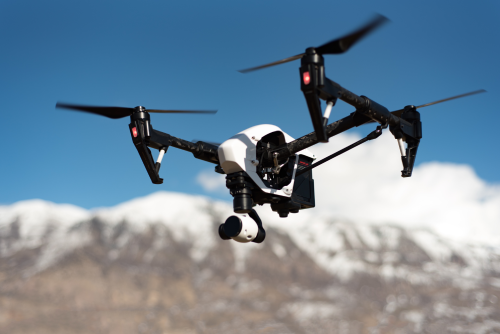
Lightweight drones are the easiest way to get into flying if you want something portable enough for travel, family outings, casual content creation, or campus projects. The best lightweight drones for everyday use are usually not the cheapest ones on a marketplace listing, but the models that balance stability, safety, camera quality, and support in India.
Quick Take
- For most buyers, the best everyday lightweight drone is a sub-250g foldable camera drone with GPS, return-to-home, and a 3-axis gimbal. A gimbal is the stabilised mount that keeps video smooth.
- If your main goal is learning safely indoors, a small prop-guard mini drone is usually smarter than a camera drone.
- If you mainly shoot for Instagram, YouTube Shorts, travel reels, or quick business promos, choose a creator-focused lightweight drone with strong subject tracking and easy vertical framing.
- If you want fun, quick clips and almost no setup, a palm-launch selfie drone can be great, but it is not a substitute for a proper camera drone.
- If you want to learn manual flying and FPV (first-person-view flying), start with a tiny whoop style micro drone, not an outdoor racing build.
- In India, do not assume lightweight means regulation-free. Verify the latest DGCA and Digital Sky requirements before buying or flying.
- Budget beyond the drone itself: spare propellers, extra batteries, charger, memory card, case, and after-sales support matter more than most first-time buyers expect.
What “lightweight” really means
In practical buying terms, lightweight drones usually fall into four everyday categories:
1. Mini or toy drones under roughly 100g
These are built for simple indoor fun, basic control practice, and low-risk family use. They are usually affordable and durable, but camera quality and stability are limited.
2. Sub-250g camera drones
This is the sweet spot for most people. These drones are compact, easier to carry, and often good enough for travel videos, roofline checks, scenic clips, college projects, and social media content.
3. Palm-launch or selfie drones
These are ultra-portable and very easy to use. They are designed for quick clips rather than serious aerial imaging. Convenience is their strength.
4. Tiny whoop FPV drones
These are small, protected FPV drones used for learning manual control, indoor flying, and fun skill-building. They are a niche choice, but excellent for the right user.
If your idea of “everyday use” includes frequent travel, casual filming, and easy takeoffs, sub-250g camera drones are usually the best overall choice. If your idea of everyday use means flying at home, learning controls, or letting kids try something supervised, mini prop-guard drones make more sense.
Which lightweight drone type suits you best?
| Buyer type | Best lightweight drone type | Why it works | Main compromise |
|---|---|---|---|
| First-time adult buyer | Sub-250g foldable GPS camera drone | Stable, easy to learn, useful camera, portable | Costs more than toy drones |
| Family or student beginner | Prop-guard mini drone | Safer indoors, cheaper to crash, simple to practice | Weak camera and poor wind handling |
| Travel creator | Premium sub-250g camera drone | Best balance of size, image quality, and convenience | Higher accessory and repair cost |
| Casual social media user | Palm-launch selfie drone | Quick setup, easy to carry, fast clips | Limited range, weaker wind performance |
| FPV learner | Tiny whoop micro drone | Great for manual flying practice, safer indoors | Not built for cinematic travel shots |
| Small business owner | Reliable sub-250g camera drone | Good for quick promos, site views, short reels | Limited in strong wind or complex pro work |
Best lightweight drones for everyday use
1. Best overall: a sub-250g foldable GPS camera drone
For most people, this is the best answer.
A good sub-250g camera drone gives you: – GPS positioning for stable hovering – Return-to-home for safety – A proper camera with a stabilised gimbal – Foldable design for easy transport – Enough image quality for social media, travel, and everyday documentation – A control app that makes flying and editing easier
This is the category many buyers think of when they look at popular mini drones from major brands.
Who should buy this
- Beginners who want something they will not outgrow in a month
- Hobbyists who want smooth video, not just flying fun
- Travel creators
- Small businesses making short promotional clips
- Students working on media, architecture, tourism, or geography projects
- Anyone who values portability but still wants a serious tool
What to insist on
If you are buying in this category, do not compromise on these basics:
- GPS hover
- Return-to-home
- 3-axis gimbal
- Reliable app support
- Spare batteries and propellers available in India
- Good service reputation
What matters less than people think
- “8K” style marketing claims on unknown brands
- Extreme range claims
- App gimmicks you will rarely use
- Slight differences in top speed for casual use
Real-world trade-offs
These drones are excellent, but they are not magic. They can struggle in: – strong coastal wind – hill stations with fast gusts – low light – crowded urban takeoff spots – careless first-time handling indoors
If you want one drone that can do most everyday jobs well, this is it.
2. Best for complete beginners and families: a prop-guard mini drone
If your goal is simply to learn orientation, throttle control, and confidence, a small prop-guard drone is the better first step than an expensive camera model.
Prop guards are the circular or cage-style guards around the propellers. They reduce the chance of minor strikes damaging furniture, walls, or fingers.
Why this category works
- Lower stress while learning
- Usually safer for supervised indoor use
- Less painful to crash
- Good for children, teens, and first-time flyers
- Helps build basic stick control before moving to GPS camera drones
Best use cases
- Indoor practice in a hall or room with space
- Family fun
- Learning how drones move
- School demos
- Very casual flying
What to watch out for
Many buyers expect too much from these drones. Common limitations include: – weak camera quality – short battery life – unstable outdoor performance – poor resistance to even light wind – no dependable GPS hold
If you buy this type, buy it as a trainer, not as a serious camera tool.
3. Best for travel creators: a premium sub-250g creator drone
This category sits close to the “best overall” pick, but the priority changes. Here, the drone is not just a flying gadget. It is a content tool.
A creator-focused lightweight drone usually offers: – better image processing – stronger subject tracking – cleaner video profiles for editing – easier portrait or vertical framing – smoother automated flight moves
Who should buy this
- travel vloggers
- YouTubers
- real estate social media marketers
- event teaser creators
- tourism and hospitality businesses
- solo creators who need quick setup
What to compare carefully
When two lightweight creator drones look similar, compare these instead of just megapixels:
- Ease of setup: How quickly can you get airborne?
- Tracking quality: Does the subject-following mode work reliably?
- Stabilisation: Smooth footage matters more than headline resolution.
- Low-light behaviour: Small drones often look worse after sunset.
- Editing workflow: Are files easy to transfer and edit on a phone or laptop?
- Battery ecosystem: Are extra batteries practical and available?
Best for everyday use if…
Choose this category if your drone will be used every week for actual content, not just occasional fun.
4. Best for ultra-casual use: a palm-launch selfie drone
Palm-launch drones are for people who want almost no friction. They are small, quick, and friendly. You can often start a clip in seconds.
Why people love them
- very easy to carry
- quick launch
- beginner-friendly control options
- fun for short clips, walks, and group shots
- useful when you do not want to unpack a full controller setup
Where they fit well
- picnics
- simple travel clips
- family gatherings
- social media snippets
- behind-the-scenes content
- quick personal memories
Their limits
This is where many buyers make the wrong comparison. A palm-launch drone is not the best choice if you want: – smooth cinematic landscape footage – better wind resistance – long flight sessions – detailed manual camera control – reliable performance in difficult conditions
Think of this category as a lightweight notebook, not a full workstation.
5. Best for learning manual flying: a tiny whoop FPV drone
If flying itself excites you more than camera quality, a tiny whoop can be the most fun lightweight drone you can buy.
A tiny whoop is a very small FPV drone with ducted propellers, often flown indoors or in controlled small spaces. It helps you learn manual throttle control, turns, and precision.
Why this category is special
- excellent for developing real flying skill
- lower risk than jumping straight into a big FPV build
- great for indoor practice
- fun in small courses and obstacle setups
- teaches control, not just automated hovering
Best for
- FPV-curious beginners
- hobbyists who want skill progression
- club or campus flying groups
- pilots who enjoy the challenge more than the footage
Not ideal for
- travel photography
- scenic family videos
- stable aerial real estate shots
- buyers who want a simple point-and-shoot flying camera
If your end goal is cinematic FPV, this is a much safer first step than going directly to a larger outdoor FPV quad.
How to choose the right lightweight drone in India
1. Start with your real use case
Ask yourself one honest question:
What will I actually do with this drone twice a month?
Your answer usually decides the category.
- “Travel and family videos” → sub-250g camera drone
- “Learning to fly at home” → prop-guard mini drone
- “Instagram reels on the go” → selfie or creator drone
- “Manual flying and FPV practice” → tiny whoop
Most buying mistakes happen when people buy for fantasy use, not real use.
2. Prioritise stability over advertised camera numbers
A stable 4K clip from a good gimbal is more useful than a shaky higher-resolution clip from a weak drone.
For everyday use, the order of importance is usually: 1. flight stability 2. safety features 3. app reliability 4. gimbal quality 5. actual camera performance 6. flight time 7. headline resolution
3. Buy from a brand or seller with usable support
For Indian buyers, after-sales support matters a lot.
Check: – spare propellers – batteries – charger availability – service turnaround – repair parts – app updates – seller reputation
A slightly less exciting drone with parts and service in India is usually a better buy than a “spec-heavy” unknown model.
4. Budget for the full kit, not just the drone
Your real budget should include: – at least one extra battery – spare props – memory card if needed – carrying case – charger or hub – ND filters only if you know you need them – prop guard set, if supported – landing pad for dusty areas
This matters in India because many flying spots are dusty, uneven, or windy, and batteries may not always be easy to replace quickly.
5. Think about where you will fly
A lightweight drone that feels great in a living room or small park may feel weak near: – beaches – open fields in afternoon wind – hill stations – rooftops with turbulent airflow
If you live in a windy area, do not buy the lightest possible drone just because it is trendy. Everyday usability depends on your local conditions.
6. Verify compliance before purchase
Before paying, check: – the drone’s weight category – whether the platform or model fits current Indian requirements – whether your intended flying areas are allowed – whether you need any registration, permission, or documentation – whether commercial use changes your obligations
Rules can change. Always verify the latest official guidance instead of relying on old videos or seller claims.
Safety, legal, and compliance notes for India
Lightweight drones are easier to carry, but they still need responsible use.
Keep these points in mind:
- Do not assume under 250g means unrestricted flying. Weight class matters, but so do location, altitude, purpose, and current rules.
- Check current DGCA and Digital Sky guidance before flying. Requirements can change, and older advice may no longer be accurate.
- Avoid sensitive or restricted areas. Airports, military zones, government-sensitive locations, and crowded public events are obvious no-go areas unless officially permitted.
- Maintain visual line of sight. Do not fly so far that you are only relying on the screen.
- Avoid flying over people, traffic, or private property without care.
- Respect privacy. A lightweight drone can still feel intrusive.
- Do not fly in poor weather. Small drones are especially vulnerable to gusts and sudden rain.
- Consider insurance if you fly often for work. Verify the latest options available for your use case.
If there is any doubt, verify first and fly later.
Common mistakes buyers make
Buying the cheapest drone with the highest claimed resolution
Big camera claims on a low-quality drone often lead to poor footage, unstable flight, and a frustrating app.
Ignoring wind performance
A drone that feels perfect in an online review may be difficult to use on terraces, beaches, or open grounds in India.
Choosing a drone that has no parts support
One broken propeller mount or dead battery should not turn the entire purchase into scrap.
Thinking toy drones and camera drones are the same thing
They are not. One is mainly for practice and fun. The other is a real imaging tool.
Underestimating the cost of batteries
A drone with one battery may be enjoyable for a week and annoying after that.
Flying indoors with a GPS camera drone on day one
Indoor flying can confuse beginners because many camera drones are designed to perform best with proper positioning and space.
Assuming lightweight means legal everywhere
It does not. Always verify.
FAQ
Are lightweight drones good enough for serious everyday use?
Yes, especially sub-250g camera drones. For travel, social media, personal documentation, site overviews, and learning, they are often the best balance of portability and usefulness.
Is under 250g always the best choice?
Not always. If your area is windy or your work needs better stability and longer endurance, a slightly heavier drone may serve you better. But for most casual and creator use, sub-250g is the practical sweet spot.
Should a beginner start with a toy drone or a camera drone?
It depends on your goal. If you want safe practice and low-cost learning, start with a mini prop-guard drone. If you already know you want aerial photos and videos, a sub-250g GPS camera drone is a better long-term buy.
Can lightweight drones shoot content good enough for Instagram and YouTube?
Yes. A good lightweight camera drone can easily produce strong social media content when used in good light with steady movement and sensible editing.
Do I need registration or a licence for a lightweight drone in India?
Possibly, depending on the current rules, the drone category, your use case, and where you fly. Do not rely on assumptions. Verify the latest DGCA and Digital Sky requirements before buying or operating the drone.
Are palm-launch selfie drones worth buying?
They are worth buying if convenience is your top priority. They are not ideal if you expect full camera-drone performance, better wind handling, or longer, more controlled aerial sessions.
What flight time should I expect in real life?
Real-world flight time is usually lower than brochure claims. Wind, speed, temperature, and how aggressively you fly all reduce actual time in the air. For everyday use, spare batteries matter more than published maximum time.
What accessories should I buy first?
Start with: – one or two extra batteries – spare propellers – a proper charging solution – a case – a memory card if needed
Buy filters and other extras later unless you already know why you need them.
Is a tiny whoop a good first FPV drone?
Yes. For most new FPV pilots, it is one of the safest and smartest ways to begin. It teaches control without the risk and expense of starting with a larger FPV quad.
What if the drone I want has poor support in India?
Skip it unless you are comfortable with delays, import hassles, and uncertain repairs. Good support, batteries, and spare parts are part of the product, not a bonus.
Final takeaway
If you want the safest all-round recommendation, buy a sub-250g foldable GPS camera drone from a brand with dependable support in India. If your goal is just learning and casual indoor fun, start with a prop-guard mini drone. If flying skill matters more than footage, go for a tiny whoop FPV trainer.
Choose the drone type based on how you will really use it, not on the loudest spec sheet. Then, before you spend, verify the latest Indian flying rules for your drone class and the places where you plan to fly.
