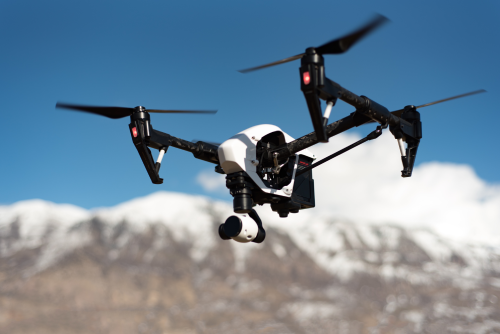
The best drones for first-time buyers are the ones that forgive mistakes. For most people in India, that means a small, stable drone with simple controls, reliable hovering, available spare parts, and a seller who can support you after the sale. Buy your first drone for ease of learning, not for the biggest camera number on the box.
Quick Take
- For most first-time buyers in India, the best starting point is a lightweight GPS camera drone with beginner modes and return-to-home.
- If you are nervous about crashes, buying for a child, or just want to learn orientation and stick control, start with a small indoor drone with prop guards.
- If your main goal is social media content, a selfie-style drone can be easier than a traditional camera drone.
- If your real goal is FPV, start with a simulator and then a ducted micro FPV trainer, not a powerful racing quad.
- After-sales support, spare batteries, propellers, and legal/compliance checks matter more than flashy marketing claims.
- Before buying or flying in India, verify the latest DGCA and Digital Sky requirements for your drone class, use case, and location.
Best drones for first-time buyers at a glance
| Buyer profile | Best first choice | Typical examples to look at | Why it works | Main caution |
|---|---|---|---|---|
| Absolute beginner, child, school club | Small indoor trainer with prop guards | Tello-class trainers, tiny indoor toy quads | Cheap to learn on, safer around walls and furniture, less painful to crash | Weak outdoors, short flight time, camera quality is limited |
| Most hobbyists and first-time adults | Lightweight GPS camera drone | Mini 4K/Mini 3-class drones, other light GPS camera models | Stable hover, better video, easier to control, strong upgrade path | Needs open space and wind awareness |
| Creator, traveller, vlogger | Premium light camera drone | Mini 4 Pro-class drones, premium ultra-light camera drones | Better camera, better sensing, easier travel carry | Costs more, still not crash-proof |
| Solo content creator, casual social media user | Selfie drone | Neo-class selfie drones, other automated social drones | Fast setup, quick shots, less piloting stress | Limited in strong wind and less flexible for serious filming |
| Future FPV pilot | Micro ducted FPV trainer | Avata 2-style ducted FPV, small whoops | Safer way into immersive flying | Higher learning curve, simulator time strongly advised |
| Small business learner | Reliable consumer camera drone first, enterprise later | Light GPS camera drone with good ecosystem | Teaches flight discipline, batteries, maintenance, capture workflow | Not a shortcut to mapping, agri, or industrial work |
What makes a drone good for a first-time buyer?
A beginner-friendly drone does not need every feature. It needs the right features.
1. Stable hover
A drone with GPS-based positioning can hold its place in the air instead of drifting constantly. That makes learning much less stressful.
2. Return-to-home
Return-to-home means the drone can automatically come back to a recorded home point when the battery is low or the connection drops. It is a safety net, not magic, but it is one of the best beginner features.
3. Beginner flight modes
Look for speed limits, training modes, or “cine” modes that slow the drone down. Slower flight gives you more time to think.
4. A usable camera, not just a high number
A steady 4K video file from a gimbal-stabilised camera is more useful than an overpromised “8K” claim on a bargain drone with shaky footage. For first-time buyers, stability matters more than resolution.
5. Spare parts and batteries
If propellers, batteries, and chargers are hard to find, your “good deal” quickly becomes frustrating. In India, support and spares should be part of the buying decision from day one.
6. A decent app and controller
A polished app with clear battery status, home-point information, and beginner prompts is worth paying for. Bad apps ruin good hardware.
7. Reasonable repairability
Every beginner makes mistakes. A drone that can survive minor bumps and has easily replaceable props is a smarter first buy than a fragile premium machine.
How to choose your first drone
Before you compare models, answer these six questions.
1. What do you actually want to do with it?
Be honest here.
- If you want to learn flight basics, buy a trainer.
- If you want travel photos and videos, buy a light camera drone.
- If you want Instagram reels and quick selfies, buy a simple automated drone.
- If you want the FPV experience, start in that lane directly, but do it carefully.
A lot of bad purchases happen when someone buys a cinematic camera drone but actually wanted the speed and excitement of FPV, or buys a cheap toy when they really wanted usable video.
2. Where will you practice?
Your practice location should shape your buying choice.
- Small room, terrace, classroom: indoor trainer
- Open field or large ground: camera drone
- Windy coastal or hill area: avoid ultra-cheap, ultra-light drones
- Urban area with obstacles: beginner sensors help, but open practice space is still better
3. How comfortable are you with crashing?
If the idea of a first-day crash terrifies you, do not start with an expensive pro-style drone. Start smaller and cheaper, learn orientation, then move up.
4. Do you need the footage to look professional?
If yes, get a drone with a proper gimbal. Electronic stabilisation alone can help, but a gimbal still makes a big difference for smooth video.
5. How important is portability?
A foldable lightweight drone is much easier to carry on trips, to college, or to client locations. If the drone is too bulky, you will fly it less.
6. Can you support the full ecosystem?
Your budget is not just the drone.
Also plan for:
- Extra batteries
- Spare propellers
- Memory card if needed
- Carry case or safe bag
- Charger or multi-battery hub
- Basic maintenance and occasional repair
Best first-drone options explained
1) Lightweight GPS camera drone: best overall for most first-time buyers
If you want one practical answer to “What is the best drone for a first-time buyer?”, this is usually it.
A lightweight GPS camera drone is the sweet spot between ease of use, image quality, portability, and resale value. This is the category most new hobbyists, travellers, and content creators should start with.
Why this category works
- Stable hover makes flying much easier
- Return-to-home reduces panic
- Footage is actually usable
- Many models have strong app support and accessories
- It is easier to grow your skills without replacing the drone immediately
What to look for
- GPS positioning
- Return-to-home
- Gimbal stabilisation
- Beginner mode or slow mode
- Good battery ecosystem
- Easy access to props and service
Good fit for
- First-time adult buyers
- Travellers
- Students learning aerial photography
- YouTubers and Instagram creators
- Small business owners learning basic drone operations
Not ideal if
- You will only fly indoors
- Your budget is very tight
- You specifically want FPV flying
2) Small indoor trainer with prop guards: best for absolute beginners
This is the best low-risk entry point.
If you are buying for a child, a school project, or for yourself as a nervous first-time pilot, a small indoor drone teaches the most important basics:
- Throttle control
- Orientation
- Turning smoothly
- Landing gently
- Not overcorrecting
Why this category works
- Safer around walls and furniture
- Minor crashes are less expensive
- You learn muscle memory before flying something costlier
- Great for short practice sessions
What to expect
- Short battery life
- Weak wind performance
- Limited camera quality
- No serious cinematic output
This is not the drone to buy if your real goal is travel videos. But it is excellent if your goal is to become less clumsy before moving up.
3) Premium light camera drone: best for creators and travel
If you already know you care about video quality, smoother tracking, or more refined flight features, a premium light camera drone can still be a valid first purchase.
This category gives you better image quality, more polished automated shots, and often better obstacle sensing. It is great for the beginner who wants to create polished content from the start.
Why it may be worth it
- Better camera and gimbal performance
- Better shooting modes
- Often better subject tracking
- Good for travel because the drone stays compact
Why it may not be worth it
- Higher replacement cost if you crash
- Beginners sometimes overpay for features they barely use
- Obstacle sensing can create overconfidence
If you go this route, your first job is not to test every intelligent feature. Your first job is still to learn safe takeoffs, landings, and calm manual control.
4) Selfie drone: best for casual creators and solo shooting
Selfie drones are becoming a serious option for first-time buyers who do not actually want to “pilot” much.
These drones are designed for quick setup, automated flight patterns, and simple follow shots. For many vloggers, runners, cyclists, and social creators, they can be easier to use than a traditional controller-heavy camera drone.
Why this category works
- Fast to deploy
- Great for one-person shooting
- Less intimidating than a full camera drone
- Often protected prop design improves confidence
Best for
- Reels and short-form creators
- Solo travellers
- Fitness or outdoor content
- Buyers who want simple, repeatable shots
Main trade-offs
- Less flexible for serious aerial filmmaking
- Limited performance in wind
- Lower ceiling for manual skill development
A selfie drone is not the best “all-purpose” first drone, but it can be the best first drone for the right person.
5) Micro FPV trainer: best only if FPV is your real goal
FPV stands for first-person view, where you fly more immersively, often through goggles. It is exciting, fast, and skill-heavy.
If FPV is what attracted you to drones in the first place, do not buy a normal camera drone hoping it will scratch the same itch. It usually will not.
But do not start with a full-power racing quad either.
The smarter beginner path
- Spend time in an FPV simulator
- Learn controller basics and orientation
- Move to a small ducted FPV trainer or cinewhoop-style setup
- Fly in open, low-risk areas with supervision if possible
Why this category is not for everyone
- Steeper learning curve
- More crashes early on
- Battery management and maintenance matter more
- It is a different hobby from standard aerial photography
For most first-time buyers, FPV is not the easiest first step. For committed FPV learners, it is the right first step if taken seriously.
6) Consumer camera drone first: best path for business-minded beginners
If your long-term goal is surveying, construction monitoring, inspections, real estate, or agricultural services, the worst beginner move is often buying expensive enterprise gear too early.
A reliable consumer camera drone teaches you:
- Safe setup and shutdown
- Battery discipline
- Mission planning basics
- Framing and data capture habits
- Weather judgment
- Maintenance routines
Why this matters
Many small businesses think a bigger drone automatically means a better business start. In reality, skills, permissions, workflow, and repeatability matter more than hardware size.
Start with a dependable consumer platform, learn the basics properly, then move into specialised tools only when your work actually demands them.
Features that matter more than marketing claims
Marketplace listings are full of numbers. First-time buyers should ignore many of them.
Prioritise these
- Stable hover
- Return-to-home
- Battery reliability
- Spare parts availability
- Controller quality
- Repair support
- Gimbal stabilisation
- Clear app interface
Treat these as bonuses, not essentials
- Obstacle sensing
- Subject tracking
- Vertical shooting modes
- Advanced colour profiles
- Waypoint automation
Be sceptical about these in cheap listings
- Extremely long range claims
- Unrealistic flight times
- “Professional 8K” on bargain models
- GPS claims from unknown brands with weak reviews
- Vague “military-grade camera” language
India-specific buying, safety, and compliance checks
This is the part many beginners skip. Do not.
Before you buy
- Verify the latest DGCA and Digital Sky guidance for your intended drone class and use case.
- Confirm whether the model is supported, documented, and practical to operate in India.
- Ask the seller about invoice, warranty, app support, batteries, props, and service turnaround.
- If a listing mentions NPNT support, exemption, or easy approvals, verify that independently from official sources instead of trusting the product page.
- Check whether local spare parts are actually available.
Before your first outdoor flight
- Check the airspace and location restrictions for that area.
- Avoid airports, military areas, sensitive government zones, dense urban traffic, and crowded public spaces.
- Pick a large open area for your first few batteries.
- Fly only in conditions you can handle. Light drones can struggle badly in wind.
- Keep the drone within your visual line of sight.
- Set and confirm the home point before takeoff.
- Do not rely blindly on sensors or automation.
Battery and handling basics
- Let batteries cool before recharging
- Inspect props after even a small strike
- Update firmware before a planned flight day, not at the field in a hurry
- Carry the drone in a way that protects the gimbal and props
Rules can change, interpretations can change, and local enforcement can differ by area. Verify the latest official guidance before you act.
Common mistakes first-time buyers make
Buying the cheapest “camera drone” online
The lowest-cost outdoor drones often have poor stabilisation, weak batteries, unreliable apps, and exaggerated specs. They can make flying feel harder than it should.
Buying too much drone too early
A heavy or expensive drone does not make a beginner better. It usually makes the first mistake more expensive.
Ignoring support and spare parts
A drone without batteries, props, or repair support is not a bargain. It is a dead end.
Practising in the wrong place
Your first flight should not be over people, traffic, water, or a windy rooftop. Find open space.
Trusting automation too much
Return-to-home and obstacle sensing are helpful, but they are not perfect. Trees, wires, buildings, and bad setup can still cause problems.
Underestimating wind
A calm-looking day at ground level can still be gusty above. Many beginner crashes happen because the drone drifts or struggles to return.
Forgetting the real budget
The drone is only part of the purchase. Most beginners need at least one extra battery and spare propellers to enjoy ownership.
FAQ
1) What is the best drone for most first-time buyers in India?
For most adults, it is a lightweight GPS camera drone from a brand with good app support, available spare parts, and a realistic service path in India.
2) Should my first drone be a toy drone or a camera drone?
If your goal is to learn cheaply and safely, start with a small indoor trainer. If your goal is travel footage or content creation, go straight to a lightweight camera drone.
3) Is a sub-250g or very light drone always the best first choice?
Often, yes, because it is easier to carry and usually less intimidating. But “best” still depends on wind conditions, camera needs, and current legal requirements. Always verify the latest rules for your category and use case.
4) Do I need obstacle avoidance as a beginner?
It helps, but it is not essential. Stable hover, return-to-home, and predictable controls matter more. Obstacle sensing should support your judgment, not replace it.
5) How many batteries should a first-time buyer get?
At least two total is sensible. Three is better if you want a meaningful practice session without constant charging breaks.
6) Is FPV a bad first drone choice?
Not if FPV is your actual goal. But start with simulator practice and a small ducted trainer, not a powerful racing setup.
7) Is a combo package worth it?
Usually yes, if it includes genuine batteries, a charger or hub, spare propellers, and a case at a better overall value than buying separately.
8) Can I use my first drone for paid work?
Only after you are comfortable flying safely and after verifying the latest legal, permission, insurance, and client-site requirements that apply to your type of operation.
9) Should I buy from an unknown marketplace seller?
Be careful. Before buying, confirm warranty terms, invoice, return policy, battery authenticity, app support, and spare-part availability. A low price is not enough.
10) What is the smartest first upgrade after buying the drone?
Extra batteries and spare props. They improve the ownership experience more than most accessories.
Final takeaway
If you want the safest all-round answer, buy a lightweight GPS camera drone from a brand with real support, spare parts, and a strong beginner app. If you are unsure or nervous, start with a small indoor trainer first, build confidence, and upgrade once flying feels natural. In India, the best first drone is not the fanciest one. It is the one you can legally operate, afford to maintain, and actually enjoy flying again next weekend.
