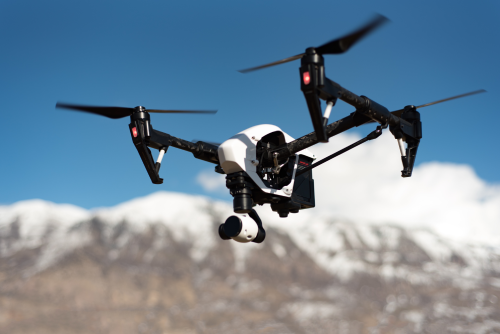
The best drones for beginners with camera are not always the cheapest ones. For most first-time buyers in India, the right drone is the one that is easy to control, stable in the air, simple to repair, and realistic to use under current rules. If you want smooth footage without turning your first week into a crash-and-repair exercise, this guide will help you choose wisely.
Quick Take
- For most first-time buyers, a lightweight GPS camera drone with return-to-home is the safest starting point.
- If you are nervous about crashes, a small drone with protected propellers is easier and less intimidating.
- If you care more about video quality than tricks, choose a model with a proper gimbal. A gimbal is the motorized stabilizer that keeps footage smooth.
- If you want a drone mainly for indoor learning, coding, or basic practice, a micro trainer drone can still make sense.
- Avoid ultra-cheap “4K” or “8K” marketplace drones with unclear brand support, fake-looking specs, and no spare parts.
- In India, do not assume that a drone being small or sold online automatically makes it legal for your intended use. Verify the latest DGCA and Digital Sky guidance before buying and before flying.
What makes a beginner camera drone actually worth buying?
A good beginner drone should make flying feel boring in the best possible way.
You do not want your first drone fighting the wind, drifting sideways, dropping video frames, or losing connection every few minutes. The best beginner camera drones share a few traits:
Stable hovering
Look for a drone with GPS or satellite-based positioning if you plan to fly outdoors. This helps the drone hold position instead of wandering around while you panic on the sticks.
Return-to-home
This feature tells the drone to fly back automatically if signal drops or battery gets low. It is not magic, but it can save a beginner from a costly mistake.
Proper video stabilization
A camera drone for beginners should not just “record video.” It should record usable video.
There are two common ways drones stabilize footage:
- Electronic stabilization: software smooths the image
- Gimbal stabilization: a motorized mechanism physically steadies the camera
For casual social clips, electronic stabilization may be enough. For genuinely good aerial footage, a gimbal is far better.
Predictable controls
Beginners need simple takeoff, landing, hover, and braking. The more predictable the drone feels, the faster you learn orientation and stick control.
Affordable repairs and spare parts
Crashes happen. Even careful beginners clip branches, misjudge distance, or land badly.
Before buying, check whether you can easily get:
- Propellers
- Batteries
- Prop guards, if supported
- Charging accessories
- Repair support in India
A cheap drone with no parts is often more expensive in the long run than a better drone with good support.
App reliability and phone compatibility
Many buyers forget this. Your drone may depend heavily on a smartphone app for setup, maps, updates, and camera settings. If the app is buggy or your phone is not supported, the drone becomes frustrating very quickly.
A camera that matches your purpose
Ask yourself what you actually want to shoot:
- Family trips and casual reels
- College project footage
- Travel videos
- Real estate previews
- Farm or site overviews
- Basic learning and fun
A selfie-style drone and a proper aerial camera drone are not the same thing.
Best drones for beginners with camera: the shortlist
Availability, support, bundled accessories, and India compliance status can vary by seller. Treat this as a practical shortlist to verify, not a fixed ranking carved in stone.
| Drone / model family | Best for | Why beginners like it | Main compromise |
|---|---|---|---|
| DJI Neo | Absolute beginners, casual creators, travel selfies | Protected propellers, simple launch modes, less intimidating | Not the best choice for strong wind or polished cinematic footage |
| DJI Mini 4K | Most first-time buyers who want a “real” camera drone | Stable GPS flying, return-to-home, good learning platform, proper aerial feel | Fewer advanced features than newer premium models |
| DJI Mini 3 | Beginners who care more about content quality and travel | Better all-round camera experience, compact, creator-friendly | Costs more than entry-level options |
| DJI Mini 4 Pro | Buyers with a higher budget who want extra safety and room to grow | More advanced sensing and smart features | Price can be hard to justify for a first drone |
| Ryze Tello | Indoor learning, students, STEM clubs, low-risk practice | Easy to fly, light, simple, educational | Basic camera and not a serious outdoor content drone |
Which beginner drone suits which kind of buyer?
DJI Neo: best if you are nervous about flying
If your biggest fear is crashing within the first ten minutes, the Neo-style approach makes a lot of sense.
This kind of drone feels less scary because it is small, quick to launch, and designed for casual creator use. It is ideal for:
- First-time flyers who want an easy learning curve
- Social media users shooting short clips
- Travel creators who want lightweight gear
- Teenagers or supervised younger users learning basic control
Why it works for beginners:
- Protected propellers reduce the stress of minor bumps
- Simpler automated modes help you get usable clips quickly
- It is less bulky than a foldable GPS camera drone
Why it may not be enough:
- Wind performance is limited compared with more serious camera drones
- Camera flexibility is more limited
- It is great for simple content, not the strongest choice for polished client work
If you mostly want fun, ease, and quick social content, this is one of the least intimidating ways to start.
DJI Mini 4K: best first “real camera drone” for most people
For many buyers, this is the sweet spot.
A Mini 4K-class drone gives you the actual camera-drone experience: folding design, stable GPS hovering, return-to-home, and smooth aerial footage that already looks far better than toy drone video.
It is best for:
- Hobbyists buying their first serious drone
- Students and creators who want real aerial footage
- Travelers who want a small drone that still feels capable
- Buyers who want value without jumping into premium pricing
Why it works so well:
- It teaches proper drone flying habits
- It is usually easier to recommend than unknown marketplace brands
- Batteries, props, and accessories are easier to find than for obscure imports
- You can grow into it instead of outgrowing it in one weekend
The main tradeoff is that it does not offer every premium feature. That is usually fine. Most beginners need reliable basics, not a long list of modes they barely use.
If you are confused by too many choices, this is the safest default class to start with.
DJI Mini 3: best for beginners who care about content quality
If your drone is mainly for travel videos, reels, YouTube clips, or branded content, the Mini 3-class option is often worth the stretch.
It suits:
- Creators who want noticeably better footage than a toy or selfie drone
- Travelers who want compact gear
- Buyers who care about smoother camera movement and a more polished look
- People who know they will keep using the drone seriously
Why beginners like it:
- Better image quality than true entry-level drones
- Strong all-round travel fit
- Easier to justify if the drone is part hobby, part content tool
Why not everyone needs it:
- The jump in price may be better spent on extra batteries and practice
- Beginners can still crash expensive drones
- If you only want occasional family-trip clips, it may be more drone than you need
A practical rule: if your drone footage is central to your content, the Mini 3-class level makes sense. If the footage is just a bonus, the cheaper tier is often enough.
DJI Mini 4 Pro: best for buyers who want extra safety and headroom
This is the “buy once, grow into it” option.
For a beginner with a healthy budget, the appeal is simple: more advanced sensing, stronger subject-tracking, and more room to improve without replacing the drone too soon.
It suits:
- Creators who want premium features early
- Freelancers testing drone-based content services
- Buyers who are serious but still new
- People who want the easiest path to quality footage with more onboard help
Why it is beginner-friendly despite being premium:
- More safety features can reduce simple mistakes
- Smart flight modes help new users get better shots faster
- It remains useful even after your skills improve
The catch is cost. A premium beginner drone still hurts when you crash it, and many new pilots do not need its full capability.
If your budget is tight, a Mini 4K or Mini 3 plus spare batteries is usually the smarter first setup.
Ryze Tello: best indoor trainer and student pick
Tello is not the best beginner camera drone if your dream is cinematic hill-station footage. But it still has a place.
It suits:
- Schools and colleges
- STEM and coding clubs
- Indoor practice
- Buyers who want to learn orientation and basic control cheaply
Why it is useful:
- Simple learning platform
- Lower-risk practice
- Friendly for students and experiments
Its limits are clear:
- Basic camera
- Not a proper outdoor aerial content drone
- Genuine batteries and support may depend on your seller
If your goal is “learn first, shoot later,” it is still relevant. If your goal is “make good aerial content now,” skip ahead to a proper GPS camera drone.
Why many ultra-cheap camera drones disappoint
This is where many beginners in India lose money.
Marketplace listings often show foldable drones with dramatic claims like ultra-high resolution, long flight time, obstacle avoidance, gesture control, and cinema-quality video at suspiciously low prices.
Be careful.
Common red flags include:
- No clear brand history
- No real service network
- Weak or vague battery information
- App reviews full of complaints
- Video that is only electronically smoothed and still shaky
- “4K” or “8K” claims with poor actual image quality
- No availability of spare parts after the first crash
These drones can be fun as toys, but they are rarely the best drones for beginners with camera if you want reliable flying and usable footage.
If your budget is extremely tight, it is better to buy a known micro trainer or save a bit longer for a proper entry-level GPS drone.
How to choose the right beginner drone in India
Use this simple buying process.
1. Decide where you will actually fly
Your real flying environment matters more than marketing.
- Mostly indoors: small trainer drone
- Parks, open grounds, travel: lightweight GPS drone
- Content creation and outdoor scenic shots: gimbal-based camera drone
Do not buy a tiny indoor drone and expect stable footage at windy viewpoints.
2. Decide whether you want learning or content first
Some drones are easier to learn on. Others are better at making good-looking video.
Ask yourself:
- Do I mainly want to practice and explore?
- Or do I want footage I can proudly post, edit, or even show clients?
If content matters most, prioritize the camera and stabilization.
3. Choose the amount of “help” you want from the drone
Beginners usually benefit from:
- GPS hover
- Return-to-home
- Beginner mode
- Auto takeoff and landing
- Strong braking response
- Good app tutorials
These features shorten the learning curve.
4. Check support before you check color or accessories
In India, after-sales support can matter more than the box contents.
Ask the seller:
- Are propellers and batteries in stock?
- Where is repair handled?
- Is there invoice-backed warranty?
- How long do repairs usually take?
- Is the controller included in this package?
- Will the drone app work on my exact phone model?
This can save you major frustration later.
5. Verify the legal side for your exact use
This is critical.
Drone rules in India depend on factors such as weight, type of operation, airspace, and the nature of your use. Consumer drones sold online may not automatically suit every legal use case.
Before paying, verify:
- Current DGCA guidance
- Digital Sky requirements
- Whether your intended use needs registration or permissions
- Whether your seller can clearly explain the product’s India suitability
- Whether commercial use changes your compliance burden
If the seller gives vague answers, treat that as a warning sign.
6. Budget for the full starter kit, not just the drone
A beginner drone purchase is usually more than the drone alone.
You may also need:
- At least one extra battery
- Spare propellers
- A memory card, if required
- Carry case or bag
- Propeller guards, if supported
- A landing pad for dusty areas
- Replacement cables or charging accessories
A slightly more expensive drone with easily available accessories is often better value than a cheaper one with hard-to-find extras.
India-specific buying checklist
Before you place the order, run through this list:
- Buy from a seller who issues a proper invoice
- Confirm current warranty terms in writing
- Check the availability and cost of genuine batteries
- Make sure spare props are easy to source
- Verify app compatibility with your Android or iPhone model
- Ask whether the unit is new, old stock, open-box, or refurbished
- Check battery health carefully if buying used
- Verify current DGCA and Digital Sky compliance requirements for your intended use
- Ask whether any features may be restricted by location or airspace rules
- Prefer brands with a known parts ecosystem over random imports
Safety, legal, and compliance basics for beginners in India
A good first drone is still a bad purchase if you fly it illegally or recklessly.
Drone rules and platform requirements can change. Always verify the latest official information before operating any drone in India.
As a beginner, follow these basic habits:
- Fly only in safe, open areas where drone use is permitted
- Stay well away from airports, helipads, sensitive government areas, military zones, and crowded places
- Do not fly over people, roads, moving traffic, or private homes without proper authorization
- Respect privacy and do not record people in intrusive ways
- Avoid strong wind, rain, and poor visibility
- Wait for a good GPS lock before takeoff if using a GPS drone
- Set and confirm the home point before flying farther away
- Keep the drone within visual line of sight
- Keep firmware updates and compass or sensor calibrations under control, but do them carefully and not in a hurry at the field
- Do your first few flights in a large open ground, not at a tourist viewpoint or wedding venue
If you plan any paid or business use, be extra careful. Commercial operations may involve additional compliance questions, so verify them before accepting work.
Common mistakes beginners make
Buying mistakes
- Choosing based only on advertised resolution
- Buying the cheapest foldable “camera drone” without checking support
- Ignoring spare battery and repair costs
- Assuming all small drones are legally simple in every situation
- Paying more for fancy features before learning the basics
- Buying an FPV drone first when what you really want is easy camera flying
First-flight mistakes
- Trying to learn in windy weather
- Taking off near trees, wires, or buildings
- Flying too far too soon
- Not setting return-to-home properly
- Practicing over water, terraces, or crowds
- Trusting obstacle sensing too much
- Updating firmware just before a trip without testing at home
- Panicking and overcorrecting with the sticks
The best habit is boring practice: small square patterns, slow turns, smooth takeoff and landing, and short flights until your reactions become automatic.
Frequently asked questions
Should my first camera drone be under 250 grams?
For many beginners, yes, because smaller drones are easier to carry and often simpler to live with. But do not assume that a sub-250g drone is automatically free of every rule or suitable for every use case in India. Verify the current official requirements for your specific drone and purpose.
Is 4K necessary for a beginner?
Not always. Good stabilization, reliable flight, and a clean image matter more than the resolution number alone. A stable, well-exposed video is more useful than shaky “4K” footage from a poor-quality drone.
Is obstacle avoidance essential for a first drone?
Helpful, yes. Essential, no. Many beginners do well with a stable GPS drone and cautious flying habits. Obstacle sensing is a safety aid, not a substitute for judgment.
Should I start with a toy drone first?
Only if your goal is basic practice or indoor learning. If you already know you want proper aerial video, starting directly with a stable entry-level GPS drone is usually more satisfying and may save money in the long run.
Which is better for beginners: GPS drone or FPV drone?
For camera beginners, a GPS camera drone is much easier. FPV drones are exciting, but they usually demand faster reactions, better manual control, and a higher crash tolerance. If your goal is smooth aerial video, start with a GPS camera drone.
How many batteries should a beginner buy?
At least one extra battery is practical for most buyers. Short practice sessions are good, but having more than one battery makes it easier to learn calmly instead of rushing to “get the shot” before your only pack runs low.
Can I buy a used beginner drone?
Yes, but inspect it carefully. Check battery condition, gimbal movement, propeller mounts, controller function, charging health, and whether the seller provides the original invoice and serial details. A badly crashed used drone can become an expensive repair project.
What accessories matter most for a beginner?
The useful extras are usually: – Spare propellers – One extra battery – Memory card, if needed – Carry case – Landing pad for dusty or grassy takeoffs
Filters and cosmetic accessories can wait.
Are selfie drones better than regular mini drones for beginners?
They are easier and less intimidating for casual clips, especially if you want quick social content. But if you want classic aerial footage, better control, and smoother cinematic results, a regular mini GPS drone is usually the better long-term buy.
Can I use my beginner drone for freelance work?
Maybe, but do not assume so. The drone itself, the airspace, the site, your permissions, and the nature of the job all affect what is allowed. Verify the latest compliance requirements before offering paid drone services.
Final takeaway
If you want the simplest possible start, choose a protected, easy-to-launch drone like the Neo class. If you want the best balance of learning, reliability, and real aerial footage, a Mini 4K-class GPS drone is the smartest first buy for most people. If content quality matters more than budget, step up to a Mini 3 or Mini 4 Pro class drone, but only after you have verified after-sales support, app compatibility, and current India compliance for how you actually plan to fly.
