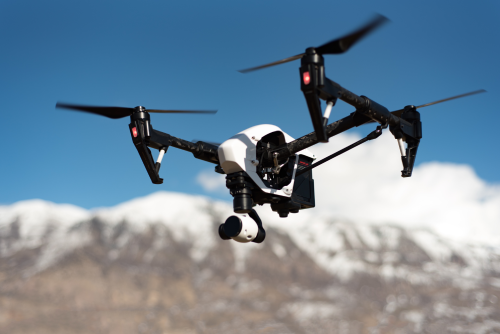
If you are searching for the best drones with long battery life, ignore the headline flight-time number alone. A drone that promises 40 to 46 minutes on paper can deliver much less once you add wind, heat, video recording, and a safe reserve for Return-to-Home.
For buyers in India, the right choice is not just the drone with the biggest battery. It is the drone that gives useful airtime, fits your flying style, has batteries and spares you can actually buy, and does not create avoidable compliance problems.
Quick Take
- For most buyers, DJI Air 3 is the best all-round long-battery drone in the consumer category because it combines strong rated endurance with better wind handling than ultra-light mini drones.
- If you want a lightweight travel drone, DJI Mini 3 remains one of the smartest endurance picks for beginners and casual creators.
- If you want a light drone with better safety features, DJI Mini 4 Pro is a premium option, though its standard battery life is lower than the Mini 3 on paper.
- If image quality matters as much as endurance, DJI Mavic 3 Classic is a serious step-up for professionals.
- If you do not want DJI, Autel EVO Lite+ is still a meaningful long-battery alternative, but support and accessories in India should be checked carefully before buying.
- For mapping and survey work, fixed-wing platforms are in a different battery-life league than camera quadcopters. They are not casual buys, but they are the right tool when endurance is the mission.
What “long battery life” really means in a drone
Drone makers usually publish a best-case flight-time figure. That number is useful for comparing drones, but it is not the time you should plan your real flight around.
In actual use, battery life drops because of:
- Wind
- Repeated climbs and fast acceleration
- High temperatures
- Heavy camera use
- Frequent hovering
- Sport mode or aggressive flight
- A safe reserve left for landing
The smarter way to buy is to ask:
- How much usable airtime do I need in one flight?
- How much wind will I face?
- Do I need a light drone, or do I need a more stable one?
- Can I easily buy extra batteries, chargers, props, and service in India?
A drone with “only” 34 to 38 minutes rated endurance may be a better real-world pick than a drone with a larger headline number if it is easier to own, safer to fly, and better supported.
Best drones with long battery life at a glance
| Drone or class | Manufacturer-rated flight time | Best for | Why it stands out | Main trade-off |
|---|---|---|---|---|
| DJI Mini 3 | Up to 38 min, or more with larger battery variant | Beginners, travel, casual creators | Excellent endurance for a light drone | Fewer premium safety features |
| DJI Mini 4 Pro | Up to 34 min, or more with larger battery variant | Premium lightweight flying | Better sensing and smarter flight features | Costs more, standard battery endurance is not class-leading |
| DJI Air 3 | Up to 46 min | Serious hobbyists, creators, small businesses | Best all-round mix of endurance, stability, and capability | Larger and costlier than mini drones |
| DJI Mavic 3 Classic | Up to 46 min | Professional imaging | Strong endurance with higher-end camera quality | Premium price and bigger kit |
| Autel EVO Lite+ | Up to 40 min | Buyers wanting a non-DJI option | Competitive endurance and camera-focused design | Check India support ecosystem carefully |
| Fixed-wing survey drones | Often around 60 to 90+ min depending on platform | Mapping, large land surveys | Far better endurance than quadcopters for coverage | Expensive, specialized, not ideal for casual video |
Note: Battery variants, bundled accessories, and exact weights can differ by market. If a larger battery pushes a mini drone above 250 g, its category and compliance implications may change. Always verify the exact version sold in India before buying.
Best drones with long battery life by buyer type
DJI Mini 3: Best value long-battery drone for most beginners
If your priority is simple flying time in a small, portable drone, the DJI Mini 3 is still one of the most sensible options.
Why it works:
- Very good rated endurance for a lightweight drone
- Easier to carry in a backpack or bike bag
- Good enough image quality for travel videos, social media, and basic content work
- Less intimidating for new pilots than a larger aircraft
Who should buy it:
- First-time drone buyers
- Students
- Casual YouTubers and Instagram creators
- Travelers who value portability
- Families and hobby users
What to watch:
- It is not the most advanced mini drone for obstacle sensing and automation
- Wind affects mini drones more than mid-size drones
- If you are chasing the biggest advertised battery number, check whether that battery version changes the takeoff weight and local compliance situation
In short, the Mini 3 is the drone for people who want more flying and less fuss.
DJI Mini 4 Pro: Best premium lightweight drone with strong practical battery life
The Mini 4 Pro is not the longest-lasting mini drone on standard battery alone, but it is one of the best lightweight drones if you want endurance plus safety and smarter flying tools.
Why it stands out:
- Better obstacle sensing than simpler mini drones
- More confidence for new pilots in complex environments
- Strong video features for creators
- Still highly portable
Who should buy it:
- Buyers who want a mini drone but do not want to feel limited quickly
- Creators who shoot solo and value automated flight modes
- Users who want a light drone for travel with more confidence features
What to watch:
- You are paying for features, not just airtime
- If you compare only by battery number, the Mini 3 may look better on value
- As with other mini drones, verify how the battery you choose affects the total weight
The Mini 4 Pro is a better “fly and trust” drone than an entry-level mini, especially if you often shoot alone.
DJI Air 3: Best all-round long-battery drone for creators and serious hobbyists
For many buyers, the Air 3 is the sweet spot. Its rated endurance is strong, and unlike ultra-light drones, it usually handles wind more confidently. That matters a lot in India, where open grounds, coastlines, hill stations, and rooftop takeoffs can bring unpredictable gusts.
Why the Air 3 is such a strong battery-life pick:
- Excellent rated flight time in the mid-size foldable class
- Better stability in wind than mini drones
- A more serious creative tool for photo and video work
- Well suited for event coverage, travel films, resort content, and outdoor shoots
Who should buy it:
- Content creators who have moved beyond beginner flying
- Wedding and event shooters needing fewer battery swaps
- Small businesses making promotional videos
- Buyers who want one drone to do most jobs well
What to watch:
- It is more expensive than the mini series
- It is larger to carry and more noticeable in flight
- You still need spare batteries for professional work; one battery is never enough
If you want the best balance of long battery life, capability, and real-world stability, the Air 3 is the easiest recommendation.
DJI Mavic 3 Classic: Best premium endurance pick for serious imaging work
If you earn from your drone or care deeply about image quality, the Mavic 3 Classic is where endurance starts to feel genuinely professional rather than just convenient.
Why it is worth considering:
- Strong manufacturer-rated flight time in a premium camera platform
- Better image quality potential than mini and mid-range options
- More suitable for high-end tourism, property, hospitality, and cinematic work
- Enough endurance to reduce pressure during precise shots
Who should buy it:
- Professional creators
- Agencies
- Real-estate and resort marketers
- Production teams that care more about output than pocketability
What to watch:
- Higher upfront cost
- Bigger kit and accessories
- More expensive batteries and repairs
This is not the best drone for learning. It is the best long-battery option when the footage itself needs to look premium.
Autel EVO Lite+: Best non-DJI alternative for battery-conscious buyers
Some buyers prefer not to go with DJI. In that case, the Autel EVO Lite+ is one of the more relevant alternatives in the long-endurance conversation.
Why buyers consider it:
- Competitive rated endurance
- Strong appeal for camera-focused users
- A known alternative to DJI in the folding camera-drone space
Who should buy it:
- Users specifically looking outside the DJI ecosystem
- Buyers who have confirmed local access to service, batteries, and repairs
- Experienced users who are comfortable doing extra ownership homework
What to watch:
- In India, the support ecosystem matters as much as the drone itself
- Confirm battery availability before purchase
- Confirm firmware support, spare props, and repair options before you commit
A long-battery drone is only a good buy if you can keep it flying. That is especially important for non-mainstream ecosystems.
Fixed-wing survey drones: Best endurance for mapping, land, and agriculture professionals
If your real goal is not video creation but covering large areas efficiently, stop comparing camera quadcopters. Fixed-wing survey drones are the actual endurance leaders.
Why they matter:
- Much longer mission time than typical multirotor drones
- Better for large farms, infrastructure corridors, mining sites, and land surveys
- More efficient coverage per battery
Who should buy them:
- Survey firms
- Agriculture service providers
- Infrastructure and mapping teams
- Professional operators with training and workflow requirements
What to watch:
- Higher cost
- Specialized planning and software workflow
- Different launch, recovery, and mission considerations
- More serious compliance and operational planning
For large-area work, buying a quadcopter just for “battery life” is often the wrong approach. The right tool may be a fixed-wing platform or a specialized enterprise drone.
How to choose the right long-battery drone in India
A better battery number should not be the only reason you buy a drone. Use this simple buying process.
1. Start with your actual mission
Ask what you really do most often.
- Short travel clips and family outings
- College projects and hobby flying
- Professional reels and client shoots
- Property videos
- Mapping or surveying
If you mainly want easy travel content, a Mini 3 may be smarter than a heavier drone with a slightly better spec sheet.
If you shoot clients outdoors in open spaces, an Air 3-class drone often makes more sense because wind performance and stability affect real battery use.
2. Check the takeoff weight with the exact battery
This is especially important for mini drones.
A larger battery can:
- Increase the total flying weight
- Change how the drone is categorized
- Affect what rules apply to your operation
In India, always verify the current Directorate General of Civil Aviation guidance, Digital Sky requirements, and the exact all-up weight of the model you plan to fly.
3. Think in “battery system,” not just one battery
For serious use, the buying checklist should include:
- At least two or three batteries
- A proper charging hub
- Spare propellers
- Safe storage for lithium batteries
- Fast enough charging for field use
A drone with slightly shorter flight time but better battery availability is often the better purchase.
4. Consider local conditions
Indian conditions can be tough on batteries.
Think about:
- Summer heat
- Dust
- Coastal humidity
- Wind on terraces and open grounds
- Long travel times to shoot locations
A drone that is stable in wind may waste less battery than a lighter drone fighting every gust.
5. Check service before buying
Before you pay, confirm:
- Is there an authorized or reliable repair route in India?
- Can you buy original batteries easily?
- Are propellers and chargers available?
- How long will downtime be if something breaks?
This matters more than many buyers realize. A “best” drone on paper is a poor investment if a damaged arm or dead battery keeps it grounded for weeks.
6. Match the drone to your skill level
Long battery life can tempt beginners to stay in the air too long.
If you are new:
- Buy a drone that is easy to fly, not just one with a large battery
- Leave enough reserve for Return-to-Home and landing
- Practice in open, legal areas before attempting long flights
Safety, battery care, and compliance checks in India
Battery life is only useful if you operate safely and legally.
Battery safety basics
- Do not fly until the pack is nearly empty just because the app says you can
- Land with a healthy reserve, especially in wind
- Let hot batteries cool before charging
- Do not leave batteries in a parked car in peak summer
- Store lithium batteries as recommended by the manufacturer
- Replace swollen, damaged, or crash-affected packs immediately
Flying safely with endurance in mind
Longer battery life can create overconfidence.
Avoid:
- Flying farther just because you have more charge
- Ignoring wind on the return leg
- Hovering for too long while trying to “use the whole battery”
- Taking off with a battery that has been stored for a long time without checks
India-specific compliance reminders
Rules, implementation details, and platform requirements can change. Before you buy or fly, verify the latest official guidance for:
- Drone category based on weight
- Registration and platform requirements
- Pilot certification, if applicable to your operation
- Airspace permissions and restricted zones
- Commercial versus recreational use
- Insurance considerations for client work
Do not assume that a drone popular on YouTube is automatically easy or lawful to operate in every Indian situation. Verify first.
Common mistakes buyers make when chasing battery life
Believing advertised flight time is real shooting time
The spec sheet is a comparison point, not a guaranteed field result.
Buying one battery and calling it enough
Even a long-endurance drone needs backup packs. One battery is a hobby setup, not a serious workflow.
Ignoring weight changes with bigger batteries
This is a major issue on mini drones. The battery that gives the headline number may also change the drone’s category.
Overlooking wind performance
A smaller drone with a big advertised number can still feel worse in real conditions than a larger, steadier model.
Choosing the drone, then checking support later
Always check local batteries, service, and spares before purchase.
Running batteries too low repeatedly
Deep battery depletion may shorten pack life and leaves less margin if the wind picks up.
Storing batteries carelessly in hot Indian weather
Heat is hard on lithium packs. Poor storage can reduce battery health surprisingly fast.
FAQ
What is considered good battery life for a camera drone?
For a compact camera drone, anything in the 30-minute-plus rated class is already useful. Once you move into the 40-minute class, you are in a more comfortable range for creators and small business users. Real usable time will be lower, so think in terms of safe mission time, not just the headline spec.
Why does my drone never reach the advertised flight time?
Because the published number is usually measured in ideal conditions. Wind, climbing, hovering, fast movement, hot weather, and leaving reserve charge for landing all reduce actual airtime.
Is a bigger battery always better?
No. A bigger battery may increase weight, change balance, increase legal or compliance implications, and sometimes reduce the advantage of choosing a light drone in the first place. It only makes sense if the rest of the drone still fits your use case.
Should I buy a mini drone or a mid-size drone for better battery life?
If portability matters most, a mini drone is the better choice. If you regularly fly in wind, shoot client work, or need more confident handling, a mid-size drone like the Air 3 class usually gives better overall endurance in practice.
How many batteries should I buy?
For casual users, two batteries can be enough. For creators and business users, three is a far more practical starting point. The charger and turnaround time matter almost as much as the battery count.
Does Indian summer heat affect drone batteries?
Yes. High temperatures can reduce battery health over time and increase stress during charging and storage. Avoid leaving batteries in hot vehicles and let them cool before recharging after a flight.
Are third-party batteries a good way to get longer flight time?
Usually not worth the risk. Battery quality affects safety, reliability, and even warranty or support issues. For most buyers, original batteries are the safer choice.
For mapping or agricultural work, should I choose a long-battery quadcopter or a fixed-wing drone?
If you need to cover large areas efficiently, fixed-wing platforms are usually the better tool. A quadcopter is better for precision hovering, close inspection, and general video work, but not for maximum area coverage per flight.
Final takeaway
If you want the best drones with long battery life, do not shop by the biggest number alone. For most Indian buyers, the smart shortlist is simple: Mini 3 for value and portability, Mini 4 Pro for a premium lightweight experience, Air 3 for the best all-round balance, Mavic 3 Classic for serious professional imaging, and fixed-wing platforms for true survey endurance.
Your next step is straightforward: shortlist two models, verify the exact battery variant and total takeoff weight, confirm Indian availability of batteries and service, and only then decide. The best long-battery drone is the one you can fly safely, legally, and confidently every week.
