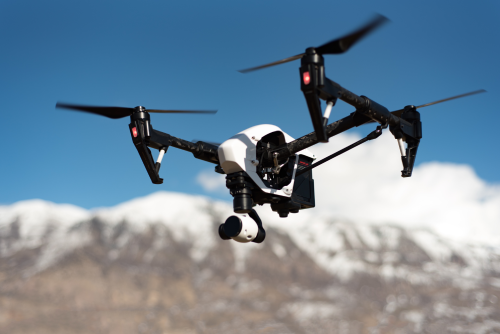
Great drone footage is less about owning an expensive aircraft and more about knowing where to place the camera, when to fly, and how slowly to move. These 50 stunning drone shot ideas anyone can try are built for real locations in India, from fields, ghats, beaches, and hill roads to rooftops, resorts, and small businesses. Use this as a shoot list the next time your drone is in the air.
Quick Take
- The easiest great-looking drone shots are top-downs, slow reveals, push-ins, and simple pull-backs.
- Golden hour usually looks best, but midday can work well for graphic top-down patterns.
- Every shot needs one clear subject: a road, a person, a tree, a building, a boat, or a patch of texture.
- Fly slower than feels natural. Most beginners ruin footage by moving too fast.
- In India, always verify the latest official flight rules, local restrictions, and permissions before takeoff.
Before You Fly: 5 Ways to Make Any Shot Better
You do not need 50 perfect locations to use these ideas. Even one lake, one farmhouse, one school ground with permission, or one empty road near fields can give you several strong shots.
-
Pick one subject Do not try to show everything at once. Decide what the shot is really about: the bend in the river, the person walking, the fort on the hill, or the rows in the field.
-
Use one movement at a time A push-in, pull-back, rise, slide, or orbit is enough. When beginners combine every stick movement together, footage starts to look jerky.
-
Change height, not just direction Many shots improve instantly when you try three versions: – low and close – medium height – high top-down
-
Lock your look if your drone allows it If possible, set white balance manually so colors do not shift mid-shot. Try to avoid exposure jumps too. Even budget drones look better when brightness and color stay consistent.
-
Record extra seconds Hold the shot for a few seconds before and after movement. This gives you clean editing room later.
Safety and Legal Basics for Flying in India
Drone photography gets better when you are calm, unhurried, and legal.
Before trying any of these shots in India:
- Verify the latest DGCA and Digital Sky guidance for your drone, your location, and your use case.
- Check local restrictions and no-fly areas before takeoff, especially near airports, defence or sensitive government areas, major city zones, and certain heritage or protected places.
- Get property owner permission when flying over private land, resorts, campuses, farms, or businesses.
- Do not fly over dense crowds, moving traffic, or active event gatherings.
- Respect privacy, especially around homes, hotels, terraces, pools, and religious places.
- Avoid strong wind, rain, and monsoon squalls unless your drone and your skill level clearly support the conditions.
- Keep visual line of sight and leave enough battery to return safely.
If you are shooting for a client, event, business, or commercial project, double-check the latest compliance requirements before the job.
50 Stunning Drone Shot Ideas Anyone Can Try
Top-Down Patterns and Geometry
-
1. Top-down road line: Fly directly above a road cutting through fields, scrubland, or plantations. A single bike, car, or person can add scale, but do not chase traffic.
-
2. Lone tree in open land: A single tree, small shrine, or isolated hut looks powerful from directly overhead. This works especially well in dry landscapes and harvested fields.
-
3. Roundabout symmetry: A clean roundabout becomes a graphic pattern from above. Try this early in the morning when traffic is minimal and the roads look cleaner.
-
4. Ghat or stepwell pattern: Stairs, platforms, and water edges create strong geometry. Shoot from straight above and avoid crowded hours, especially at active religious locations.
-
5. Patchwork crop fields: Agricultural land often looks best as abstract color blocks from the air. Midday light can actually help here because shadows are shorter and lines look cleaner.
-
6. Tea estate or plantation rows: Tea gardens, vineyards, and terraced farms create repeating curves that look expensive on camera. A slightly angled top-down often works better than a perfectly vertical shot.
-
7. Boats as color dots: Stationary boats in a pond, backwater, or calm shore look great from high above. Bright painted boats stand out beautifully against green or blue water.
-
8. Beach wave texture: Wet sand and incoming foam lines make a simple top-down shot look dramatic. Try this where the shoreline is clean and the wave pattern is repeating.
-
9. Bridge crossing from above: Hover above a bridge or slightly off-center and let the structure become the subject. If one small vehicle or boat enters the frame, it adds scale instantly.
-
10. Parking lines and color blocks: An empty parking lot, bus bay, or industrial yard can become a graphic shot if the lines, shadows, and painted surfaces are neat. Use it only where flying is legal and safe.
Simple Cinematic Moves
-
11. Rise-up reveal over a tree line: A reveal shot means the drone slowly uncovers a bigger scene. Start with trees, a wall, or a rooftop blocking the view, then rise until the landscape opens up.
-
12. Slow push-in toward a subject: Pick one subject such as a temple silhouette where permitted, a farmhouse, a fort wall, or a person standing still. Move forward very slowly and keep the subject steady in frame.
-
13. Pull-back reveal from subject to landscape: Start close on a person, house, or tree, then fly backward and slightly upward. This is one of the easiest ways to make a location feel bigger.
-
14. Straight-up lift from a subject: Begin low above a property, person, or parked vehicle and rise vertically. It turns an ordinary scene into a location reveal without needing complex flying.
-
15. Side slide along a riverbank or facade: Fly sideways while keeping the camera pointed at the subject. This works well with river edges, long buildings, fort walls, or beachfront properties.
-
16. Simple orbit around an isolated subject: Circle slowly around a lone tree, tower, pavilion, or boat while keeping roughly the same distance. Start wide; tight orbits are harder to keep smooth.
-
17. Half-orbit with a gentle tilt: Move in an arc around the subject and slightly tilt the camera down as you go. This adds depth without becoming too complicated for a beginner.
-
18. Follow a winding road from the side: Instead of chasing a car, track the shape of the road itself. Hill roads in Himachal, Uttarakhand, or the Western Ghats can look beautiful even without traffic.
-
19. Descend into a courtyard or field: Start high, then slowly lower the drone while tilting the camera down. This works well for homestays, school grounds with permission, orchards, and farms.
-
20. Safe peek-through shot: Put leaves, a wall edge, or a roof corner in the foreground, then slide sideways until the scene opens. This creates depth without flying dangerously close to obstacles.
Landscape and Travel Shots
-
21. River bend at sunrise: A curving river catches side light beautifully in the early morning. Look for mist, reflections, or sand edges that make the bend easier to read from above.
-
22. Waterfall with the stream below: Do not only film the fall itself. A side angle that includes the waterfall and the river running away from it gives the shot more shape and context.
-
23. Hill road S-curve: An S-shaped road instantly creates composition. Keep the road running from one corner of the frame to another so the viewer’s eye naturally follows it.
-
24. Fort on a ridge or coastline: Forts and old structures often look best from a diagonal angle rather than straight overhead. Always verify local restrictions and site permissions before flying near heritage areas.
-
25. Coconut grove grid: Coconut plantations in coastal India create neat vertical patterns. Try both top-down and low oblique angles to see which one shows the spacing better.
-
26. Terraced farm or hillside rows: Terraces add layers and rhythm to the frame. Early or late light can make each step of the land stand out more clearly.
-
27. Island or sandbar outline: Go higher than you think you need and let the full shape appear. Sandbars in rivers and shallow coastal patches often look strongest when the surrounding water is calm.
-
28. Mist over fields or valleys: Low fog makes simple locations look cinematic. Rise slowly through or above the mist, but only if visibility and safety are good enough for controlled flight.
-
29. Monsoon cloud shadow across land: Sometimes the moving shadow is more interesting than the land itself. Wide fields, hills, and plateaus look dramatic when sunlight and cloud cover alternate.
-
30. Sun reflection path on water: The glittering path of light on a lake, reservoir, or sea can become the subject. Keep it slightly off-center and expose carefully so highlights do not blow out too badly.
People, Property, and Business Shots
-
31. Lone walker top-down: A single person walking across a road, ground, beach, or courtyard can create a very clean frame. Bright clothing helps the subject stand out.
-
32. Couple or family small in a large landscape: This is an easy storytelling shot for travel, pre-wedding, or family content. Keep the people tiny and let the environment do most of the visual work.
-
33. Farmer at work in a field: With permission, capture one clear action such as planting, watering, or walking between rows. The shot becomes stronger when the work pattern is visible from above.
-
34. Home hero shot: For property content, start with a stable wide shot showing the house and enough of the surroundings. Trees, driveway, terrace, and nearby roads help give context.
-
35. Gate-to-property reveal: Start low near the entrance gate or driveway, then rise or pull back to show the full house, plot, or building. Great for real estate and rental listings.
-
36. Homestay or resort context shot: Do not just show the building. Show how it sits in relation to the pool, garden, beach, lake, or hillside while staying respectful of guest privacy.
-
37. School or college campus opener: With formal permission, a calm aerial establishing shot can make campus videos look professional. Shoot during quiet hours instead of active crowd movement.
-
38. Wedding venue wide opener: Capture the venue before guests fill it. Decor, lighting, pathways, and stage layout look elegant from the air, but avoid flying over the crowd.
-
39. Sports ground symmetry: A football pitch, running track, cricket ground, or court looks very satisfying from above. Empty or lightly used grounds are easier to shoot cleanly.
-
40. Shop, cafe, or studio location opener: Start with the storefront or sign and then rise slightly to show the surrounding lane, parking, or neighborhood. This is useful for small business reels and ads.
Light, Weather, and Social-First Shots
-
41. Long shadow portrait: At sunrise or sunset, people, trees, poles, and buildings cast beautiful long shadows. A top-down shot of the subject plus shadow often looks more artistic than the subject alone.
-
42. Reflection mirror shot: Calm water can double the impact of a frame. If the reflection is clean enough, center the horizon and go for a balanced, almost symmetrical composition.
-
43. Boat wake graphic shot: A moving boat creates sharp lines in still water. Fly high enough that the wake pattern becomes the real subject and the boat simply becomes the point leading it.
-
44. After-rain shine on roads or rooftops: Wet surfaces reflect light and color better than dry ones. This works especially well in the blue hour or just after sunset when surfaces begin to glow.
-
45. Fog layer reveal: Start at the edge of fog or below a thin mist layer, then rise gently until hills, trees, or buildings appear. It feels cinematic even in an ordinary location.
-
46. Blue-hour skyline or street grid: The few minutes after sunset can look fantastic if city lights are starting to come on. Only attempt urban shots where flying is clearly permitted and safe.
-
47. Vertical master shot for short videos: If your final output is for Reels or Shorts, compose with a strong center subject and extra space above and below. Roads, towers, walkers, and narrow fields work well.
-
48. Foreground frame parallax: Parallax is the depth effect created when foreground objects move faster than the background. Use a wall edge, trees, or a roofline in front while sliding slowly sideways.
-
49. Straight-up hero pull-away: This is a perfect ending shot. Keep your subject centered and rise until the location swallows it, making the person or building feel tiny in the scene.
-
50. Sunset silhouette: Expose for the bright sky or reflective water and let the subject go dark. A person on a ridge, a small temple outline, a tree, or a boat can all work beautifully.
Common Mistakes That Make Drone Shots Look Amateur
Even good locations can produce weak footage if the basics are off.
- Flying too fast: Slow footage almost always looks more premium.
- Using every control at once: Stick to one main movement per shot.
- Having no obvious subject: A wide landscape is not enough by itself.
- Shooting only from high altitude: Many of the best drone shots are lower than beginners expect.
- Ignoring the light: Harsh midday light can flatten everything except pattern-based top-downs.
- Not holding the shot long enough: Give yourself extra seconds before and after movement.
- Tilting the horizon: A slightly crooked horizon can ruin an otherwise good clip.
- Forgetting privacy and permission: A visually strong shot is not worth a complaint or legal issue.
- Flying in bad wind: Small shakes become very visible in video.
- Trying advanced FPV-style moves on a camera drone: Clean, simple movement usually looks better and is safer.
FAQ
What are the easiest drone shots for a complete beginner?
Start with these five: – top-down road line – rise-up reveal – slow push-in – straight-up lift – pull-back reveal
They look cinematic without requiring difficult control inputs.
What time of day is best for drone photography in India?
Sunrise and the hour before sunset are the safest bets for attractive light. Midday is usually harsh, but it can still work for top-down patterns, fields, beaches, rooftops, and geometric shots.
What camera settings should beginners use?
A simple starting point is: – 4K video if your drone supports it – 25 fps or 30 fps – a normal or standard color profile if you do not like heavy color grading – manual white balance if possible – a slower flight mode such as Cine, Tripod, or equivalent
Do I need an expensive drone to get good-looking footage?
No. Light, composition, and movement matter more than price. A stable gimbal, predictable controls, and decent battery life help more than having the most expensive drone on the market.
How high should I fly for cinematic shots?
Usually lower than you think. High altitude is useful for patterns and context, but many strong shots happen at medium height where depth is clearer. Always stay within the latest official limits and local restrictions.
Can I shoot in cities, around campuses, or at weddings in India?
Only where flying is officially allowed and with the necessary local permission. Urban areas, event venues, and sensitive zones can have extra restrictions. Avoid flying over crowds, traffic, or tightly packed public areas.
Do I need ND filters?
Not always, but they can help in bright daylight by controlling shutter speed and making motion look smoother. If you are just starting out, focus on composition and smooth flying first.
How do I make drone footage smoother?
Use a slower flight mode, start and stop gently, avoid strong wind, and do not make sudden yaw turns. In editing, trim away shaky first and last moments of each clip.
What if my location looks boring from the ground?
Look for shape, not fame. A village pond, school ground with permission, rooftop cluster, coconut grove, farm road, empty parking area, or after-rain reflection can all become strong aerial shots if you frame them well.
Final Takeaway
Do not try all 50 ideas in one flight. Pick five that match your location, go early or late for better light, and repeat them until your framing and movement feel intentional. The fastest way to make your drone footage look expensive is not buying more gear, but building a reliable shot list and flying it well.
