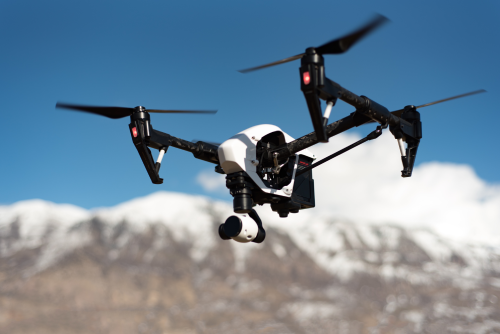
Waterfalls look cinematic from the air, but they are one of the hardest natural subjects to film well. To shoot waterfall videos with a drone, you need more than a beautiful location: you need careful planning, safe flying, controlled camera settings, and simple movements that let the water and landscape do the work. In India, the challenge is often bigger because many waterfalls are crowded, misty, windy, and sometimes restricted during the season when they look their best.
Quick Take
- The best waterfall drone videos usually come from soft light, light wind, and a clear shot plan.
- Early morning or bright overcast conditions are usually better than harsh midday sun.
- Keep more distance than you think you need. Mist, updrafts, birds, and moving water make waterfalls risky.
- Use manual camera settings where possible: low ISO, locked white balance, and shutter speed matched to frame rate.
- Start with simple moves: slow reveal, side slide, rise, and pull-back. Avoid aggressive flying.
- Protect highlights in the white water. If the foam looks blown out, the shot will look cheap.
- In India, verify the latest DGCA and Digital Sky rules, and also check local restrictions from forest, tourism, dam, police, or private property authorities.
- Do not fly over crowds, bathers, slippery viewing decks, or areas where a forced landing could endanger people.
Why waterfall videos are tricky with a drone
A waterfall scene has three things that challenge drones at the same time:
1) Fast movement
Water is always moving, which means shutter speed, frame rate, and motion blur matter more than usual. If your settings are off, the water can look choppy, stuttery, or unnaturally sharp.
2) High contrast
White foam and mist are very bright, while cliffs, trees, and valleys can be much darker. Your camera may struggle to hold detail in both.
3) Unstable flying conditions
Waterfalls often create:
- Mist that can reach your drone faster than it appears
- Strong upward or sideways air currents
- GPS issues in deep valleys
- Birds near cliffs and forest edges
- Crowds near viewpoints
That is why good waterfall footage is usually less about “flying close” and more about flying smart.
Plan the shot before you reach the waterfall
If you want better results, most of the work happens before takeoff.
Pick the right season and conditions
In India, many waterfalls look best during or just after the monsoon. But that does not mean monsoon days are ideal for flying.
A safer rule:
- Avoid rain, drizzle, or heavy mist
- Prefer light wind
- Choose a day with enough water flow, but not dangerous spray conditions
- Bright overcast weather is often excellent because it softens highlights and keeps greens rich
- Early morning usually gives you fewer people, calmer air, and cleaner sound for any ground recording
If the waterfall is at peak flow and the viewing area is already soaked, treat that as a warning sign. If you are getting wet from the viewpoint, your drone will get wet much faster in the air.
Check permissions and restrictions in India
Before any drone flight in India, verify the latest official guidance from DGCA and Digital Sky. Then check the location itself.
Many waterfalls sit inside or near:
- Forest land
- Wildlife habitats
- Eco-sensitive zones
- Tourist complexes
- Dam or reservoir areas
- Private resorts or estates
- Crowded public viewpoints
Even if a map suggests the airspace is open, local restrictions may still apply. Signage, ranger instructions, police guidance, and site management rules matter. If the waterfall is inside a protected area or near a high-security zone, assume nothing and verify first.
Also remember:
- Do not fly over crowds
- Do not invade people’s privacy at popular bathing spots
- Do not launch from restricted or unsafe public pathways
- If you are shooting commercially, verify any permissions and documentation required for the operation before you fly
When in doubt, skip the flight. A missed shot is better than a risky one.
Scout from the ground first
Spend 10 to 15 minutes simply watching the location.
Look for:
- Wind direction
- Mist drift
- Birds
- Power lines or cable lines
- Trees blocking your route
- Safe takeoff and landing area
- Crowd movement
- Best angle of the waterfall
- Safe emergency route if you need to bring the drone back quickly
This ground scouting often tells you whether the classic “fly closer” idea is realistic or not.
Gear that makes waterfall shoots easier
You do not need a huge kit, but a few items make a big difference.
Useful gear checklist
- Drone with a stable 3-axis gimbal
- Fully charged batteries
- Spare propellers
- Neutral density filters, also called ND filters, which act like sunglasses for the camera
- Microfiber cloth for lens cleaning
- Landing pad or clean flat mat
- Bright phone or controller screen
- Power bank
- Waterproof bag for transport
- Towel or dry cloth for your hands and gear
What matters most in a drone for waterfalls
If you are choosing a drone for this kind of work, these features help:
- Good wind handling
- Reliable gimbal stabilization
- Decent dynamic range, meaning better highlight and shadow control
- Strong battery life
- Obstacle sensing as a backup, not as something to trust blindly
- Manual camera controls
A small lightweight drone can absolutely shoot beautiful waterfall footage, but it will usually give you less margin in wind and spray.
Best camera settings for waterfall drone videos
Beginners often focus only on flying. But with waterfalls, camera settings are half the result.
A simple settings guide
| Situation | Suggested choice | Why |
|---|---|---|
| Standard cinematic video | 4K at 25 fps or 30 fps | Clean, natural-looking motion |
| Slow-motion option | 4K at 50 fps or 60 fps | Useful for slowing spray and water movement in editing |
| Shutter speed | Roughly double the frame rate | Gives natural motion blur |
| ISO | Keep as low as possible | Reduces noise and keeps image cleaner |
| White balance | Set manually and lock it | Prevents colour shifts mid-shot |
| Colour profile | Normal for beginners, flat/log only if you know grading | Easier editing for most users |
| Exposure | Protect bright water highlights | White foam clips easily |
Frame rate: 25 fps or 50 fps is a practical choice in India
If you want a cinematic look and your final video is normal speed, 25 fps is a practical starting point. If you want the option to slow the footage down, shoot at 50 fps.
Why 25/50 fps often makes sense in India:
- It fits well with common local video workflows
- It can reduce flicker if any man-made lighting enters the shot around viewing areas, roads, or evening setups
If you mainly publish on social media, 30/60 fps can also work. The important thing is to choose deliberately and keep your project consistent.
Shutter speed: the most common beginner mistake
For natural-looking water motion, a common rule is to set shutter speed to about double your frame rate.
Examples:
- 25 fps: try around 1/50
- 30 fps: try around 1/60
- 50 fps: try around 1/100
- 60 fps: try around 1/120
In daylight, you will usually need an ND filter to achieve this. Without it, the shutter speed becomes too fast, and the water can look harsh and jittery.
ISO: keep it low
Waterfalls often sit in shaded valleys, so the temptation is to raise ISO. Try not to unless necessary.
A cleaner approach:
- Use the lowest practical ISO
- Shoot in softer daylight when possible
- Avoid very late evening unless your drone has strong low-light performance
White balance: lock it
If you leave white balance on auto, your colours may shift as the drone turns from green forest to bright water and sky.
A simple beginner habit:
- Set white balance manually
- Keep it consistent for the whole sequence
This makes editing much easier.
Expose for the water, not just the scenery
The waterfall itself is usually the brightest part of the frame. If it is blown out, you cannot recover much detail later.
Practical tip:
- Slightly underexpose if needed
- Check your preview for white foam and mist detail
- If your app shows a histogram, use it to avoid clipping the highlights
It is easier to lift shadows a bit in editing than to recover pure white water.
Beginner preset that usually works
If you want one easy setup to start with:
- 4K
- 25 fps
- Shutter around 1/50
- ISO as low as possible
- White balance locked
- Normal colour profile
- Slightly conservative exposure
That setup is simple, forgiving, and easy to edit.
The best drone movements for waterfall videos
With waterfalls, less is usually more. You do not need flashy flying. Smooth, readable motion looks better.
1) The slow reveal
Start with trees, rocks, or a ridge in the foreground, then slowly rise or slide to reveal the waterfall.
Best for:
- Creating drama
- Hiding the full scene at first
- Making even a smaller waterfall feel grander
Tip: move slowly enough that the reveal feels intentional, not like a sudden pop.
2) The vertical rise
Start lower in the valley or near the river line and gently climb to show the waterfall’s full height.
Best for:
- Tall falls
- Multi-tier waterfalls
- Showing scale against cliffs
Tip: keep the waterfall slightly off-centre rather than dead centre for a more natural frame.
3) The side slide
Fly sideways across the scene while keeping the waterfall in frame.
Best for:
- Showing depth
- Separating foreground, waterfall, and background
- Revealing cliff shape and surrounding forest
Tip: this is often safer than pushing straight toward the water.
4) The slow push-in
Move forward very gently toward the waterfall from a safe distance.
Best for:
- Medium-wide shots
- Building intensity
- Ending a sequence on a stronger frame
Tip: stop well before the mist zone. Many great “close” shots are actually mild crops from a safer distance.
5) The pull-back exit
Start with the waterfall large in frame, then slowly retreat to reveal the larger valley, river, or forest.
Best for:
- Ending a scene
- Showing location context
- Making the landscape feel bigger
Tip: fly this only if you have already checked the route behind the drone.
6) The top-down shot
A straight-down shot over the river, plunge pool, or rock pattern can look excellent.
Best for:
- Texture
- Abstract compositions
- Showing water paths and rock shapes
Tip: do this from a stable and safe position. Do not assume sensors will save you over moving water or mist.
7) The orbit, used carefully
An orbit means circling around the subject. It can work, but it is often overused.
Best for:
- Isolated falls with clear open space around them
- Wide landscapes with little obstruction
Avoid it when:
- Trees, cliffs, or cables are nearby
- Wind is inconsistent
- The waterfall is in a tight gorge
If you are a beginner, master reveals and side slides first. They are easier to fly and often look better.
A safe on-location workflow that actually works
If you arrive at a waterfall and immediately launch, you are already rushing. A better workflow is simple.
1) Watch the scene first
Spend a few minutes observing mist drift, people, birds, and wind changes.
2) Choose a dry, open takeoff point
Do not launch from wet rocks, railings, cliff edges, or crowded paths. A flat open patch set back from the spray is better.
3) Set your return plan
Before takeoff, think about:
- Safe return route
- Landing zone
- Battery reserve
- What you will do if GPS becomes unreliable
Do not rely only on automatic Return-to-Home in deep valleys or near cliffs. Your manual escape route matters.
4) Shoot wide shots first
Take the safest shots first while the battery is fresh:
- Establishing wide
- Side slide
- Pull-back
- High reveal
If conditions worsen, you still come home with useful footage.
5) Move closer only if conditions stay stable
After the safe wide shots, decide whether a closer pass is truly worth it. If mist is increasing or the drone is working harder in the air, stop there.
6) Keep each clip short and clean
Instead of one long complicated flight, capture multiple short clips of 5 to 10 seconds each with clear movement.
This gives you:
- Easier editing
- Less chance of ruining a whole take
- Better battery management
7) Review footage on location
Check for:
- Highlight blowout
- Focus issues
- Jerky movement
- Water spots on the lens
A perfect-looking shot on the controller can still have a ruined lens.
8) Land early, not late
Around waterfalls, you want extra margin. Wet air, wind, and complex terrain are not the place to squeeze the battery to the last few percent.
Composition tips that make waterfall footage stronger
Flying smoothly is not enough. Framing matters.
Use the landscape, not just the waterfall
A waterfall alone can look flat. Include:
- River leading into the fall
- Cliffs or rock walls
- Trees for scale
- Mist drifting through the valley
- Pathways or viewpoints, if they are not too crowded
The goal is to show the waterfall as part of a landscape, not as a random vertical strip of water.
Add scale carefully
People can make a waterfall look huge, but never fly close over them. If a safe and legal angle includes tiny figures far away on a path or platform, it can help show scale without turning the shot into a privacy problem.
Build depth
Depth is what makes drone footage feel premium.
Use:
- Foreground leaves or rocks
- Midground waterfall
- Background valley or sky
That is why reveals and side slides often look more cinematic than static front views.
Avoid always centring the waterfall
Dead-centre composition can work, especially for symmetrical falls. But many shots look stronger when the waterfall sits slightly left or right, with room for the surrounding landscape.
Think in sequences, not single hero shots
A good final video might include:
- Wide establishing shot
- Reveal through trees
- Side slide across the cliff
- Medium push-in
- Top-down river detail
- Pull-back ending shot
That sequence tells a better story than six random pretty clips.
Safety and compliance in India
This topic cannot be skipped. A waterfall location can be visually attractive and still be a terrible place to fly.
Safety rules worth taking seriously
- Never fly in rain
- Stay clear of heavy mist and spray
- Keep visual line of sight with the drone
- Do not fly over tourists, bathers, or staff
- Expect sudden wind shifts near cliffs and falling water
- Keep away from birds, especially near nesting or cliff zones
- Do not hand-catch on slippery ground unless you are highly experienced and conditions truly require it
- Keep takeoff and landing away from wet edges
Compliance checks in India
Before flying, verify:
- Latest DGCA guidance
- Digital Sky airspace status
- Any local restrictions by forest, wildlife, dam, tourism, police, or district authorities
- Whether the site is privately managed
- Whether crowds make the operation unsafe even if technically permitted
A location can be legally flyable in principle and still be unsafe in practice. Treat both as separate checks.
Editing waterfall footage so it feels cinematic
Shooting is only half the job. The edit is where the waterfall starts to feel powerful.
Build a clear progression
A simple sequence works well:
- Start wide
- Move into a reveal
- Show one or two medium shots
- Add detail or top-down cutaways
- Finish with a pull-back or rise
This gives the viewer orientation, immersion, and a clean ending.
Slow down only what benefits from it
If you shot at 50 fps or 60 fps, you can slow some clips down. This often works well for:
- Mist drifting
- Water hitting rocks
- Pull-back shots
- Smooth side slides
Do not slow everything. Too much slow motion makes the video feel heavy.
Keep the colour natural
A common beginner mistake is to overdo contrast, saturation, and teal-orange grading.
For waterfalls:
- Keep the whites clean
- Preserve natural greens
- Avoid crushing shadows in dark rock areas
- Recover highlights before boosting contrast
A realistic grade usually looks better than an exaggerated one.
Add sound properly
Drone audio is usually unusable or nonexistent for cinematic purposes. Better options:
- Record ambient waterfall sound separately from a safe ground position
- Use licensed nature ambience
- Layer subtle sound, not overdramatic effects
Good sound design adds more realism than most fancy transitions.
Edit for your final platform
If your main output is YouTube or landscape video, compose for horizontal first.
If you mainly post on Reels or Shorts:
- Shoot some wider master shots so you can crop vertically later
- Avoid placing the waterfall too close to the edge of frame
- Keep your subject readable in a central vertical area
Planning this during shooting saves a lot of frustration later.
Common mistakes when shooting waterfalls with a drone
- Flying too close just because the waterfall looks “far” on screen
- Shooting in midday sun and losing detail in the white water
- Using auto settings that keep changing mid-shot
- Forgetting ND filters and ending up with choppy motion
- Trusting obstacle avoidance too much in mist, trees, or over moving water
- Launching from slippery rocks
- Ignoring crowds at popular viewpoints
- Capturing only one type of shot, usually the push-in
- Over-editing with too much slow motion, too much saturation, or too many speed ramps
- Draining the battery too low before landing in a difficult area
- Not checking the lens for water droplets
- Forgetting that a wide, stable shot is often better than a risky close shot
FAQ
What is the best time of day to shoot waterfall videos with a drone?
Early morning is usually best. You get softer light, fewer people, and often calmer air. Bright overcast weather is also excellent for holding detail in the water.
Can I fly a drone near waterfalls during the monsoon?
It depends on conditions, permissions, and the exact site, but rain, heavy mist, and strong wind make monsoon flying risky. If the drone or controller is getting wet, do not fly.
Do I really need ND filters for waterfall videos?
If you want natural-looking motion blur in daylight, yes, they help a lot. Without an ND filter, your shutter speed may become too fast and the water can look harsh.
How close should I fly to a waterfall?
Farther than most beginners think. Start with wide and medium shots from a safe distance. Only move closer if the air is stable, the lens stays dry, and you have a clear escape route.
Is obstacle sensing enough to keep me safe near waterfalls?
No. Sensors are helpful, but mist, branches, cliffs, and moving water can confuse them. Treat obstacle sensing as backup, not as permission to fly aggressively.
What frame rate should I use for cinematic waterfall footage?
A practical starting point is 25 fps for normal-speed cinematic shots or 50 fps if you want the option to slow footage down later. Choose based on your final editing workflow.
What if GPS is weak in a valley or gorge?
Be extra cautious. Narrow valleys, cliffs, and tree cover can reduce reliability. Maintain visual line of sight, keep your route simple, and do not depend entirely on automatic return features.
Can beginners shoot good waterfall videos with a basic camera drone?
Yes. Smooth flying, good timing, clean exposure, and smart composition matter more than having the most expensive drone. A safe wide shot with strong light and framing will beat a risky close shot almost every time.
Final takeaway
If you want to shoot waterfall videos with a drone, do not chase the most dramatic move first. Pick a safe and legal location, fly in soft light, lock your settings, capture a few clean wide and medium shots, and leave with usable footage instead of pushing for one risky close pass.
