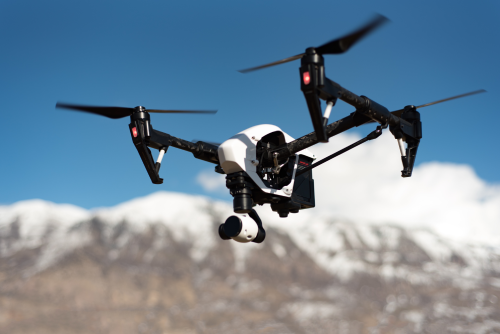
Forest drone footage can look magical, but it is also one of the easiest environments to get wrong. If you want to learn how to shoot forest videos with a drone, focus less on flashy moves and more on planning, light, smooth movement, and wildlife-safe flying. Even a basic camera drone can produce excellent forest video if you shoot carefully.
Quick Take
- Forest videos work best when you plan the story first: canopy, trail, river, mist, waterfall, watchtower, or a reveal.
- Beginners should stay in open areas and above the canopy edge where possible, not weave between branches.
- Early morning and late afternoon usually give the best light, depth, and calmer wind.
- Lock exposure and white balance so the colour does not shift during the shot.
- Use slow, simple movements: push-in, pull-back, side track, rise, or top-down.
- Do not chase animals, fly near nesting birds, or assume a tourist location allows drones.
- In India, always verify the latest DGCA airspace rules and any local forest or park restrictions before flying.
- In editing, keep greens natural. Over-saturated forest footage looks fake very quickly.
Why forest drone videos are harder than they look
Forests are visually rich, but they create four common problems for drone videographers.
First, everything can start to look the same. If every shot is just a wide green top view, the video becomes repetitive in seconds.
Second, forests have difficult light. You often get bright sky above and deep shadow below. That difference is called dynamic range, which means how much detail your camera can hold in bright and dark areas at the same time.
Third, forests are full of obstacles. Branches, uneven terrain, low visibility, and changing wind make aggressive flying risky. GPS and signal can also be less reliable near dense canopy or in valleys.
Fourth, forests are sensitive places. Wildlife disturbance, local permissions, privacy near villages, and protected-area restrictions matter more here than in a random open field.
That means the best forest drone videos are usually made by people who fly slower, plan more, and respect the location.
Start with the story, not the drone
Before takeoff, decide what the viewer is supposed to feel or notice.
A good forest video usually has one main idea, such as:
- mist rolling over a canopy
- a river cutting through dense trees
- a trekking path disappearing into the woods
- monsoon greenery after rain
- dry summer textures in a deciduous forest
- a lookout tower or clearing emerging from the trees
- light rays at sunrise
If you do not pick a story, you will collect random clips that are hard to edit into something memorable.
Build a simple shot list
For beginners, a shot list can be very short. Try this:
- One wide establishing shot
- One reveal shot
- One forward movement shot
- One side movement shot
- One top-down texture shot
- One hero shot of the best scene
- One exit shot
That is enough for a clean 30 to 60 second forest sequence.
Scout on foot if possible
A quick walk tells you things a map cannot:
- where you can safely take off and land
- whether there are people, vehicles, or animals nearby
- how tall the tree line really is
- whether a trail, stream, or clearing can act as a leading line
- whether wind is stronger above the canopy than it feels at ground level
If you cannot scout on foot, at least study satellite imagery and terrain before the trip.
Legal, permission, and ethical checks in India
This part matters. Forest shoots can involve more restrictions than regular landscape shoots.
Before you fly in India, verify the latest official rules on airspace and drone operations. Rules, categories, and operating conditions can change. If your drone or your use case needs registration, pilot compliance, or platform-based approval, verify that from the latest official guidance before the shoot.
Also remember:
- National parks, wildlife sanctuaries, tiger reserves, and other protected areas may have strict restrictions or complete bans on drones.
- Some forest areas may require permission from local authorities, the forest department, land managers, or event organisers.
- Border-sensitive and security-sensitive areas can have additional limits.
- A place being open to tourists does not mean drones are allowed.
- Forest edges often include villages, farms, eco-resorts, or private land. Respect privacy and get local permission where needed.
If you are shooting for a client, brand, or commercial project, confirm all permissions in writing before you travel.
Best time, season, and weather for forest videos
Light changes a forest more dramatically than almost any camera setting.
Best time of day
Early morning
Usually the best option for forests.
Why it works:
- softer light
- more depth between trees
- better chance of mist or haze
- calmer conditions in many locations
- more pleasant colour in greens and earth tones
The caution: very low light can force high ISO, which increases noise. If your drone struggles in dim light, wait a little after sunrise.
Late afternoon
Also excellent.
Why it works:
- warmer side light
- stronger texture on leaves and trunks
- good contrast without midday harshness
The caution: if the forest valley gets dark early, you may lose light faster than expected.
Midday
Usually the least flattering for cinematic forest video, but not useless.
It can still work for:
- top-down canopy patterns
- graphic shots of trails or rivers
- very bright days when you want strong texture and shape
Best season in India
India gives you different forest looks through the year.
- Summer can produce dry, dusty, brown-gold forest textures that look dramatic, especially in deciduous regions.
- Monsoon can make forests look lush and alive, but rain, moisture, cloud, and access restrictions become major challenges.
- Post-monsoon and winter often give cleaner air, rich greens, and morning mist in some regions.
Do not fly in rain or when moisture is building on the drone or lens. Mist may look beautiful, but flying directly into dense fog or cloud is unsafe and can quickly kill visibility.
Gear that helps without overcomplicating the shoot
You do not need a cinema setup to shoot a forest well. What you need most is control.
Drone type
For most beginners, a standard camera drone with a stabilised gimbal is better than FPV for forest videos.
Why:
- easier to fly smoothly
- better for slow cinematic movement
- easier to hold composition
- more forgiving for first-time forest work
FPV can create amazing forest footage, but it demands more skill, more space awareness, and more risk management.
Useful accessories
Bring:
- fully charged batteries
- extra propellers
- a clean landing pad or mat
- ND filters, if you have them
- a microfiber cloth for the lens
- a power bank or car charger for longer days
- a notebook or phone note for the shot list
An ND filter is a dark filter that reduces light entering the lens. It helps you keep shutter speed in a more natural range for video.
Important pre-flight setup
Before takeoff:
- wait for stable GPS and a proper home point if your drone uses it
- set a safe return-to-home altitude if you are flying above surrounding trees
- check the wind, not just at ground level but visually at canopy level
- confirm battery levels on drone, controller, and phone
- inspect props for damage
- make sure the lens is clean
If you are near tall trees, do not assume obstacle sensing will save you. These systems can miss thin branches, struggle in low light, and behave differently depending on the drone.
Camera settings for better forest footage
Forest video often looks amateur because of shifting exposure, jerky motion, or strange green colour. A few camera choices fix most of that.
Recommended starting settings
- Shoot in 4K if your drone handles it well.
- Use 25 fps or 30 fps for normal motion.
- Use 50 fps or 60 fps only if you know you want slow motion in editing.
- Keep shutter speed roughly around double your frame rate for natural-looking motion blur.
- Use an ND filter in bright light if your shutter speed is getting too high.
- Keep ISO as low as possible.
- Lock white balance instead of leaving it on auto.
- Use manual exposure or exposure lock when possible.
- Use a flatter colour profile only if you are comfortable colour grading later.
Why exposure lock matters in forests
When your drone moves from dark trees to bright sky, auto exposure can brighten and darken the image during the same shot. That looks distracting.
A better approach is:
- expose for the important part of the shot
- protect highlights in the sky if the sky is visible
- accept that deep shadows may stay slightly dark
- keep the exposure stable throughout the movement
White balance tip
Auto white balance often causes green and yellow shifts while flying over mixed sun and shade. Lock it before the shot so colours stay consistent.
Seven forest drone shots every beginner should learn
These shots give you variety without risky flying.
| Shot | How to fly it | Why it works |
|---|---|---|
| High establishing wide | Rise to a safe height in open space and hold a gentle forward move or hover | Shows the scale of the forest and sets the scene |
| Treetop reveal | Start with the frame filled by nearby treetops, then slowly rise or push forward to reveal a valley, river, or horizon | Creates surprise and depth |
| Slow push-in | Fly slowly toward a trail, stream, clearing, or hill face | Gives direction and draws the viewer into the scene |
| Side track with parallax | Move sideways with a nearer tree line or ridge in the foreground and deeper forest behind | Parallax makes the scene feel three-dimensional |
| Top-down texture shot | Point the camera straight down over canopy, trail patterns, rock, or water | Adds visual variety and graphic detail |
| Gentle rise and tilt | Slowly climb while tilting the camera upward from trees to distant landscape | Feels cinematic without needing speed |
| Pull-back exit shot | Start on the subject, then slowly move backward and slightly upward | Good for ending a sequence and showing context |
If you are new, master these before attempting close gap shots, dives, or under-canopy flights.
How to fly these shots smoothly
A beautiful forest scene can still look bad if the movement is messy.
Use one main movement at a time
The cleanest drone shots usually combine only one or two actions:
- move forward
- move backward
- move sideways
- rise
- descend
- tilt the gimbal slowly
What beginners often do instead is push multiple sticks hard at once, causing drifting, speed changes, and jerky framing.
Start simple. For example:
- just a forward push
- just a side track
- just a reveal rise
- just a pull-back
Once you can do those cleanly, combine them.
Fly slower than you think
Forests feel faster than open beaches or fields because the texture is dense. Even a moderate speed can look rushed.
Slow flying helps because:
- it feels more cinematic
- it reduces the chance of hitting a branch
- it gives the viewer time to read the scene
- it is easier to stabilise and edit
Use layers in the frame
A forest video becomes more interesting when the viewer sees:
- foreground trees
- middle-ground trail, river, or ridge
- distant background hills or sky
That layered composition creates depth. The easiest way to show it is with a side movement or reveal.
Keep the horizon level
A slightly tilted horizon can ruin an otherwise great clip. Check horizon alignment before the first take, especially after transport or quick setup.
Safe flying practices for forests
This is the section many people skip. Do not.
Avoid under-canopy flying as a beginner
Dense trees make everything harder:
- lower GPS reliability
- less room for recovery
- unpredictable branches
- lower light for sensors
- harder return-to-home behaviour
If you are just starting, keep your shots in clearings, over trails with open sky, or above the canopy line where you can maintain a safe view of the aircraft.
Watch wind above the trees
Ground level can feel calm while the canopy is moving strongly. A drone that climbs into that layer may drift, tilt aggressively, or burn battery faster than expected.
Do a cautious first ascent and observe how the drone behaves before committing to longer shots.
Manage return-to-home carefully
If you are flying above forest cover, your return-to-home altitude should account for the tallest nearby obstacles while staying within legal limits and airspace restrictions.
If you are operating close to trees, do not blindly trust automatic return modes to solve a problem. In tight environments, the safest answer is often to avoid the shot in the first place.
Respect wildlife
Never:
- chase animals for dramatic footage
- fly low over birds
- hover near nests
- pursue elephants, deer, monkeys, or other wildlife
- treat a forest as an empty place just because you cannot see movement immediately
Wildlife disturbance is not just unethical. It can also be dangerous for the animal, the operator, and the drone.
Protect your takeoff and landing area
Leaf litter, dust, and loose debris can get blown into the drone during takeoff or landing. Use a clean mat or a firm, clear patch of ground.
Also keep bystanders away from the launch area, especially children curious about the drone.
How to make your forest footage look cinematic in editing
Editing is where many forest videos either come alive or become a long green slideshow.
Build a sequence, not a collection
A simple structure works well:
- Start wide
- Move closer
- Show one texture or top-down detail
- Reveal the best scene
- End with a pull-back or rise
This gives the viewer a journey, even in a short video.
Trim more than you think
Most drone clips improve when you cut to the smoothest, most intentional part of the movement. If the first two seconds include wobble or the end includes braking, trim them out.
Keep colours natural
Forest footage is often over-edited.
Common problems:
- greens pushed too bright
- excessive contrast that crushes shadow detail
- heavy sharpening
- too much dehaze, making foliage look harsh
A better approach:
- correct exposure first
- balance white balance
- reduce green saturation slightly if needed
- add modest contrast
- keep black levels natural
- avoid turning every tree the same neon shade
Add sound carefully
Drone audio is usually not usable because of propeller noise. Use natural ambience recorded separately or properly licensed environmental sound.
Good forest sound design includes:
- soft wind
- distant birds
- water flow
- light insect ambience
- subtle low-end rumble for big aerial reveals
Do not overdo cinematic whooshes unless the video style demands it.
Common mistakes when shooting forest videos with a drone
1. Flying too low too soon
New pilots often go straight for the dramatic gap shot. That is usually where branches win.
2. Using auto settings for everything
Auto exposure and auto white balance can shift mid-shot and make clips hard to match later.
3. Shooting only wide top-down footage
This makes the whole edit look repetitive. Mix wide, angled, side, and texture shots.
4. Flying too fast
Fast movement over dense trees feels messy and can make the footage less cinematic.
5. Ignoring the sky
A dull white sky can flatten the whole frame. If the sky is bad, compose lower and feature the forest more.
6. Over-saturating greens in editing
This is one of the most common drone editing mistakes. Natural greens usually look better than “vibrant” greens.
7. Forgetting battery margin
Wind, climbing, and long returns over forest can drain battery faster than expected. Land early.
8. Disturbing wildlife or people
A technically good shot is still a bad shot if you got it by stressing animals or invading someone’s privacy.
A simple workflow for your next forest shoot
If you want a practical plan, use this one:
- Verify legality and permissions.
- Scout the takeoff point and one safe flight path.
- Shoot early morning if possible.
- Lock your exposure and white balance.
- Capture these five clips first: – establishing wide – reveal – push-in – side track – top-down texture
- Review clips on the spot and repeat only the weak ones.
- Stop before conditions worsen or battery margin gets tight.
That is a much better habit than flying around randomly and hoping to “find” the edit later.
FAQ
Can I fly a drone in a national park or wildlife sanctuary in India?
Do not assume you can. Many protected areas have strict restrictions or bans on drones. Always verify the latest official rules and local authority requirements before planning the shoot.
What is the best time of day for forest drone videos?
Early morning is usually best because the light is softer, the air can be clearer, and mist can add depth. Late afternoon is also strong. Midday is better for graphic top-down shots than cinematic wide scenes.
Is obstacle avoidance enough for forest flying?
No. Obstacle sensing can help, but it is not reliable enough to justify risky flying in dense branches, low light, or cluttered spaces.
Do I need an ND filter for forest video?
Not always, but it is very useful in bright conditions. It helps you keep more natural motion blur instead of an overly sharp, jittery look.
Should I shoot in 25 fps, 30 fps, or 60 fps?
Use 25 or 30 fps for normal cinematic movement. Use 50 or 60 fps only if you plan to slow the footage down in editing.
How do I stop the camera from changing colour during the shot?
Lock white balance before recording. Auto white balance often shifts in forests because the camera sees mixed green shade and bright sky.
Is FPV better than a camera drone for forests?
Not for most beginners. A standard camera drone is usually safer and easier for smooth forest videography. FPV is more specialised and less forgiving.
How high should I set return-to-home in a forest?
High enough to clear the tallest nearby obstacles if you are operating above the canopy, while still staying within legal and airspace limits. If the area is tight and cluttered, avoid relying on automatic return as your main safety plan.
Why does my forest footage look flat even when the location is beautiful?
Usually because of harsh light, weak composition, or lack of layers. Shoot when the light is better, include foreground and background, and use side movement or reveal shots to create depth.
Final takeaway
The best way to shoot forest videos with a drone is not to fly more aggressively, but to fly more deliberately. Pick a legal location, shoot in good light, keep your movements slow, stay well clear of wildlife and obstacles, and capture a small set of strong, purposeful shots. On your next outing, aim for five clean clips instead of twenty random ones.
