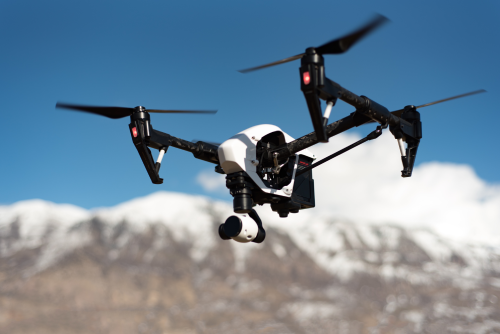
Road trip videos can look cinematic with a drone, but the best ones are not about nonstop flying. They are built from a few well-planned shots, steady camera settings, safe flying, and a simple story that shows the journey as well as the destination.
If you want to shoot road trip videos with a drone in India, focus on planning first, then fly only where it is safe and permitted. A short, polished sequence from three good stops will usually look far better than random clips from an entire day on the road.
Quick Take
- Plan your road trip video around 3 to 5 stops, not the whole route.
- Shoot in early morning or late afternoon for softer light and cleaner shadows.
- Use simple drone moves: reveal, pull-back, side slide, top-down, and slow orbit.
- Keep camera settings consistent so your edit looks professional.
- Do not hover above traffic or fly in a way that distracts drivers.
- Verify the latest DGCA, Digital Sky, and local restrictions before each flight.
- Mix drone footage with phone, action camera, or handheld clips for a better story.
- Edit for progression: start, journey, pause, destination, finish.
What makes a good road trip drone video
A strong road trip video is not just “car on road” footage repeated 20 times. It should show movement, place, and mood.
Think of your video in four parts:
-
Departure – Packing the car – Leaving the city – First wide reveal of the route
-
The journey – Curvy roads – Landscapes changing – Fuel stop, chai break, or viewpoint pause
-
The destination – Arrival reveal – Parked car at a scenic spot – Drone rising to show the larger landscape
-
The end note – Sunset – Campsite or homestay – A pull-away shot that closes the trip
This structure works whether you are driving through the Western Ghats, Rajasthan, Ladakh, Spiti, coastal Karnataka, or a short weekend route from Bengaluru, Mumbai, Pune, Delhi, or Chennai.
Plan the video before you leave
Road trip drone videos are won before takeoff.
Make a simple shot list
Write down 6 to 10 shots you want, not 50. A beginner-friendly list:
- Wide opening shot of the road or landscape
- Car entering frame
- Top-down road section
- Side movement of the car from a safe distance
- Parked car at a scenic stop
- Rising reveal at destination
- Orbit around parked vehicle or people at viewpoint
- Sunset pull-back or climb-up ending shot
This gives you enough variety for a 45-second to 2-minute edit.
Study the route
Before the trip, check:
- Open spaces for safe takeoff and landing
- Power lines and mobile towers
- Trees, cliffs, and valley wind
- Nearby airports, helipads, or sensitive zones
- Tourist areas that may be too crowded
- Private properties, resorts, monuments, or forest areas where permission may be needed
In India, many beautiful road trip routes pass through protected, crowded, or sensitive places. Do not assume a scenic spot is automatically okay to fly in.
Plan around light, not just location
A dramatic road at 7 am often looks better than the same road at 1 pm.
Best times:
- Golden hour after sunrise: clean light, low traffic, softer contrast
- Golden hour before sunset: warmer tone, long shadows, dramatic landscapes
- Blue hour: useful only if your drone camera handles low light well and flying is permitted in the conditions
Avoid harsh noon light unless the landscape itself is the subject, such as salt flats, desert patterns, or top-down geometric roads.
Check weather and wind
Road trips often cross changing weather zones. What is calm in town may be gusty on a ridge.
Watch for:
- Strong crosswinds on mountain roads
- Sudden gusts near cliffs and valleys
- Dust in dry regions
- Salt spray on coastal routes
- Rain or mist reducing visibility
If the weather looks marginal, skip the flight. A missed shot is cheaper than a lost drone.
Carry only useful gear
You do not need a cinema truck setup for road trip videos.
Essential gear
- Drone and controller
- 2 to 4 batteries
- Charger and car charging solution if available
- Extra propellers
- High-speed memory cards
- Lens cloth and blower
- Landing pad or clean mat
- Phone cable and spare connection cable
- Power bank
- Hard case or padded bag
Very useful extras
- ND filters, which are like sunglasses for the lens and help keep motion looking natural in bright light
- A small sun hood for the screen
- Reflective vest if you are operating near public areas
- Notebook or phone notes for shot tracking
Nice to have
- Action camera for dashboard or helmet clips
- Phone gimbal for walking shots
- Portable SSD or laptop backup
Best camera settings for road trip drone videos
You do not need complicated settings, but you do need consistent settings.
Start with these beginner-friendly settings
Resolution
- Shoot in 4K if your drone supports it and your card is fast enough.
- If storage is tight, high-bitrate 1080p can still work for social media.
4K gives you more flexibility to crop or stabilize in editing.
Frame rate
For Indian creators, a good default is:
- 25 fps for normal cinematic playback
- 50 fps if you want smooth slow motion in post
Why 25 and 50? India uses 50 Hz electrical frequency. If you shoot near street lights, city lights, fuel stations, toll areas, or interiors, 25/50 fps settings can help reduce flicker.
Shutter speed
A simple rule: keep shutter speed roughly double the frame rate for natural motion blur.
Examples:
- 25 fps → around 1/50
- 50 fps → around 1/100
In bright daylight, you may need an ND filter to hold these shutter speeds.
White balance
Do not leave white balance on auto if you want a professional look.
Set it manually:
- Daylight for sunny conditions
- Cloudy for overcast conditions
This stops the video from shifting color mid-shot.
Color profile
- Use Normal if you are a beginner and want easy editing.
- Use a flatter profile only if you already know how to color grade.
Many beginners shoot flat profiles and then struggle in editing. Clean exposure in a normal profile is often the better choice.
Exposure
Avoid overexposed skies. Recovering blown highlights is hard.
Helpful habits:
- Slightly protect the highlights
- Watch the histogram if your drone offers it
- Lock exposure once the shot looks right
The drone shots that work best for road trips
Not every flashy move suits a road trip. The best shots are readable, smooth, and easy to cut together.
8 reliable road trip drone shots
| Shot | Best use | How to fly it | Avoid |
|---|---|---|---|
| Rising reveal | Opening a new location | Start low behind a bush, rock, wall, or slope, then rise slowly | Fast vertical climb with sudden tilt |
| Pull-back departure | Showing isolation and scale | Start close to parked car, then fly backward and slightly upward | Backing into trees, wires, or people |
| Top-down road shot | Graphic, map-like feel | Fly directly above an empty or low-risk section and keep movement gentle | Hovering above active traffic |
| Side slide | Showing road direction | Fly parallel from a safe lateral distance on an open stretch | Flying too close to the vehicle |
| Slow orbit | Scenic stop or campsite | Orbit a parked car or viewpoint at slow speed | Orbiting moving traffic or crowded people |
| Push-in | Arrival at a viewpoint | Move slowly toward a parked subject with the landscape beyond | Sudden speed changes |
| Vertical ascent | Destination reveal | Rise straight up from a safe open area | Doing this in strong wind near cliffs |
| Road bend reveal | Great in hills and ghats | Hold position or slide gently as car appears around a curve | Standing in unsafe road positions for takeoff |
A useful rule: if the car is moving, keep the drone move simple. If the car is parked, you can be more creative.
How to shoot a complete road trip sequence
Here is a practical workflow for building a 60 to 90 second road trip video.
1. Open with place, not just the car
Start with one of these:
- High wide shot of the valley, coast, desert, or road
- Drone rising over a foreground object to reveal the route
- Static top-down shot of a road cutting through the landscape
This tells the viewer where the journey is happening.
2. Add one moving vehicle shot
You only need one or two.
Good options:
- Car entering frame from left or right
- Drone holding position while the car drives through
- Side tracking shot on an open, low-risk stretch
You do not need to “chase” the car continuously. In fact, constant chase shots often look repetitive and can increase risk.
3. Film a stopover
Road trips feel real when they include pauses.
Shoot:
- Parked car at chai stop
- Doors opening
- People stretching or looking at the view
- Drone pulling back to show how small the group is in the landscape
These shots also give your edit breathing space.
4. Save your best move for the destination
When you reach the highlight point, use your most cinematic shot:
- Rising reveal
- Pull-away from the parked vehicle
- Slow orbit around the group at a scenic edge
- Vertical climb showing the full valley, beach, fort road, or pass
This is where your video should peak.
5. End with closure
Strong endings include:
- Drone flying away from the parked car at sunset
- Top-down static of the road fading into distance
- Last look at the campsite, homestay, or viewpoint
A road trip video should feel like it lands somewhere emotionally, not just stop mid-motion.
Flying technique tips for smoother footage
Good footage often comes from boring-looking flying. Smooth is better than aggressive.
Use Cine mode when possible
Many drones offer a slower control mode, often called Cine mode. It softens stick response and helps you make gentle moves.
Start and end every shot with a pause
Before moving:
- Start recording
- Hold still for 2 seconds
- Make the movement
- Hold still again for 2 seconds before stopping
This makes editing much easier.
Keep yaw gentle
Yaw means rotating the drone left or right. Too much yaw makes road footage look nervous and amateur.
Avoid combining too many movements
Beginners often try to:
- fly forward
- climb
- pan
- tilt the camera
- and turn all at once
Pick one main move and one secondary move. That is enough.
Watch your gimbal tilt speed
The gimbal is the stabilized camera mount. Slow tilt changes look cinematic. Fast tilts feel abrupt unless you want a dramatic effect.
Do not trust tracking blindly
ActiveTrack or follow modes can help, but roads add trees, wires, signboards, bends, and oncoming vehicles.
Use tracking only when:
- the route is very open
- you have full visibility
- you can take manual control immediately
- the vehicle movement is predictable
For beginners, manual shots from a fixed position are often safer and cleaner.
Road-trip-specific safety and legal checks in India
This part matters more than the edit.
Drone rules, airspace access, and operating requirements can change. Before flying anywhere in India, verify the latest official guidance from DGCA and Digital Sky, and check any state, district, property, or site-specific restrictions that may apply.
Key legal and compliance points
Check airspace before each stop
Do not assume a remote-looking road is automatically clear.
Be especially careful near:
- Airports and airstrips
- Helipads
- Defence and paramilitary areas
- Border regions
- Ports and strategic infrastructure
- Government campuses
- Industrial facilities
- Some coastal and protected zones
If you are unsure, do not launch until you verify.
Follow the requirements that apply to your drone and use case
Depending on the drone, your purpose, and the current rules, there may be registration, airspace, or operating requirements you must meet. If you are shooting commercially for a client, verify whether any additional compliance applies.
Get permission where needed
Even if airspace is clear, local permission may still matter.
Examples:
- Private resorts or farm properties
- Heritage sites
- Forest areas
- Wildlife zones
- Events or public gatherings
Respect privacy
A road trip often passes through villages, homestays, campsites, and private homes.
Do not:
- hover near balconies or windows
- film people closely without consent
- linger above private property
- post footage that reveals someone’s private activity
Do not fly over traffic or crowds
A road trip video is not worth risking a crash into a vehicle or person.
Safer choices:
- Shoot from a nearby open area
- Capture the road diagonally, not directly overhead
- Film early when roads are calmer
- Use parked-car scenes instead of aggressive moving shots
Keep visual line of sight
Always keep the drone where you can see it directly. Roads with trees, curves, hills, and fog can break sight quickly.
Do not launch or land from a moving vehicle
This may look exciting online, but it adds unnecessary risk and can go wrong fast due to wind, turbulence, and unstable positioning.
Be extra cautious in mountains, forests, and coastlines
- Valleys can create unpredictable wind
- Wildlife can react to drones
- Sand and salt can damage motors and camera surfaces
If conditions feel off, skip the flight.
Best road trip drone ideas for Indian locations
Different routes need different styles.
Mountain roads and ghats
Good for:
- Road bend reveals
- Pull-backs from viewpoints
- Static wides with the vehicle moving through frame
Be careful about:
- cliff-edge gusts
- tree cover
- tourists standing everywhere
- takeoff spots with no safe buffer
A smart approach in the hills is to shoot from scenic lay-bys and viewpoints instead of trying to track the car constantly.
Desert and open highway routes
Good for:
- Top-down symmetry
- Long shadows in early morning
- Wide pull-backs showing emptiness
Be careful about:
- dust getting into the drone
- heat shimmer in midday
- featureless repeated shots
Use the landscape patterns to add variety.
Coastal drives
Good for:
- sweeping reveals
- road-to-sea transitions
- sunset silhouettes
Be careful about:
- wind
- salt spray
- crowded beaches
- local restrictions near protected or sensitive coastal stretches
Keep the drone dry and wipe it down after flying.
Short weekend drives from cities
These are often the hardest because roads are busier.
Instead of forcing vehicle chase shots, focus on:
- sunrise departure
- one clean highway scenic shot
- destination reveal
- food stop or homestay sequence
That gives you a much stronger video than trying to film in traffic.
How to edit your road trip video so it feels like a journey
Editing is where your clips become a story.
Build the timeline in this order
- Start wide
- Show movement
- Add a stop
- Reveal the destination
- End calmly
This simple structure works almost every time.
Keep shots short
A beautiful drone shot does not need to run for 15 seconds.
Good starting lengths:
- 3 to 5 seconds for dynamic shots
- 5 to 7 seconds for scenic reveals
- slightly longer only if the movement itself is the point
Match your non-drone footage
Road trip edits become richer when you cut in:
- dashboard clips
- walking shots
- close-ups of hands, maps, food, rain on the windshield, or road signs
Drone footage gives scale. Ground footage gives texture.
Use music carefully
Pick music with progression, not just noise.
Then align your edit:
- softer opening
- stronger middle
- emotional destination reveal
- calm outro
Do not cut every shot exactly on the beat. Leave some shots breathing room.
Keep the grade simple
If you are new to color correction:
- fix exposure
- adjust white balance
- add slight contrast
- keep saturation natural
India’s road trip landscapes already have strong color. Overgrading can make them look fake quickly.
Export for the platform you actually use
- Horizontal for YouTube
- Vertical for Reels and Shorts
- Keep a version without text if you may reuse it later
If you shot in 4K, you have more freedom to make both horizontal and vertical edits.
Common mistakes to avoid
Flying too often
Not every stop needs a drone launch. Pick your strongest locations.
Copying action-heavy travel reels
Fast cuts and risky moves may look exciting online, but they do not automatically make your film better.
Shooting only moving-car footage
A road trip also needs pauses, details, and destinations.
Leaving everything on auto
Auto exposure and auto white balance can cause flicker and color shifts from shot to shot.
Using tracking in tight spaces
Trees, poles, wires, road signs, and curves can confuse automated tracking.
Ignoring road safety
If your takeoff point puts you, your spotter, or drivers at risk, it is the wrong location.
Forgetting sound and atmosphere
Even if you use music, keep some natural sound from your phone or camera for transitions. Wind, doors closing, footsteps, and roadside ambience make the video feel more real.
Coming home with no backup
Back up footage at the end of each day if possible. Road trips are messy, and cards do fail.
FAQ
What is the best time of day to shoot road trip drone videos?
Early morning and late afternoon are best. You get softer light, better shadows, less harsh contrast, and often calmer roads.
Can I fly a drone while the car is moving?
You may capture a moving vehicle, but do not fly in a way that creates risk, distracts drivers, or puts the drone above active traffic. In many cases, parked-car or slow, controlled passes from a safe area are the better option. Always verify local legality and safety first.
Is ActiveTrack good for road trip videos?
It can help in open areas, but beginners should not rely on it blindly. Manual shots from a fixed, safe position are usually safer and often look cleaner.
Should I shoot in 25 fps or 50 fps in India?
25 fps is a strong default for cinematic playback. Use 50 fps if you want slow motion. These frame rates also help around India’s 50 Hz lighting environment.
Do I need ND filters?
Not always, but they are very useful in bright sunlight. They help you keep a natural-looking shutter speed instead of forcing very fast shutter settings.
How many batteries do I need for a road trip?
For casual shooting, 3 batteries is a very practical minimum. That is usually enough for one morning or evening session without rushing.
Is it okay to fly at tourist spots?
Only if it is legally allowed, safe, and not crowded. Tourist spots often have local restrictions, security concerns, or privacy issues. Check before flying.
What is the easiest drone move for beginners?
A slow pull-back or a static shot with the car moving through frame. Both are easy to execute and edit well.
Do I need a spotter?
If possible, yes. A second person can watch surroundings, people, and traffic while you focus on flying. This is especially useful on road trips.
How long should the final road trip video be?
For social media, 30 to 90 seconds is often enough. For YouTube, 1 to 3 minutes works well if the shots stay varied and the story keeps moving.
Final takeaway
To shoot road trip videos with a drone, do less and do it better: pick a few strong locations, fly simple moves, keep your settings consistent, and build the edit around a clear journey. On your next trip, aim for one opening reveal, one moving-road shot, one stopover scene, and one destination climax, and you will come back with footage that is far more usable, cinematic, and safe.
