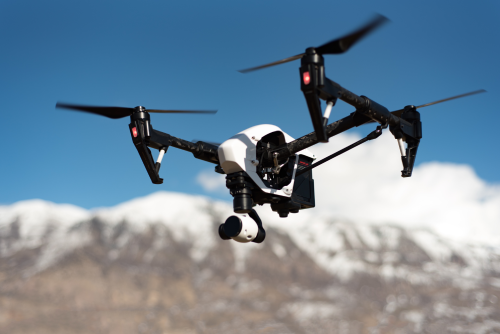
The best location for drone photography is not always the most famous place. It is the spot where visual interest, safe flying conditions, legal access, and good light all come together. If you learn how to judge those factors before takeoff, your photos and videos will improve faster than by simply buying a better drone.
Quick Take
- Choosing the best location for drone photography starts with one question: what story do you want the image or video to tell?
- A good drone spot should offer five things at once: a strong subject, safe takeoff and landing, legal clarity, manageable weather, and clean composition from the air.
- For beginners, open spaces with simple backgrounds are usually better than crowded tourist spots.
- In India, always verify the latest official airspace and compliance requirements before flying. Also check local restrictions, landowner permission, and privacy concerns.
- Great drone locations often have patterns, lines, symmetry, texture, depth, or contrast that look stronger from above.
- Sunrise is usually the easiest time to get soft light, fewer people, and calmer wind.
- If a location is visually attractive but hard to fly safely or legally, it is not the right location.
Start with the shot, not the map
A common mistake is to first pick a “nice place” and only later think about what to shoot there. That usually leads to random footage.
A better approach is to start with the result you want.
Ask yourself:
- Are you shooting a single photo, a short reel, a YouTube travel sequence, or a client video?
- Do you want a top-down pattern, a dramatic reveal, a wide landscape, or a tracking shot?
- Is the subject the location itself, a person, a building, a property, a road, or the light?
- Will you shoot horizontal, vertical, or both?
The answers affect the kind of location you need.
If you want strong still photos
Look for places with:
- Patterns and texture
- Clean geometry
- Separation between subject and background
- Interesting shadows
- Reflections or contrast in colour
Examples include farmland patterns, dry riverbeds, tea gardens, salt pans, winding roads, boats lined up in water, or neatly arranged rooftops where flying is legal and safe.
If you want cinematic video
Look for places with:
- Space for smooth movement
- Layers in the scene
- A clear path for reveal shots, pull-backs, or orbits
- Foreground, midground, and background separation
- Limited obstacles
Video locations need more than beauty. They need room to fly without constant corrections.
If you are shooting for a client
The “best” location depends on the purpose.
- For real estate, clean surroundings and easy property coverage matter more than dramatic scenery.
- For weddings, safety, permissions, and crowd control matter more than adventurous flight paths.
- For tourism content, atmosphere and landmarks matter, but local restrictions become even more important.
The 8 things that make a drone location worth choosing
1. A clear subject
From the air, many places look smaller and flatter than they seem on the ground. That means your location needs a clear visual anchor.
A subject could be:
- A temple tank or stepwell pattern
- A road cutting through hills
- A lone tree in an open field
- A house surrounded by greenery
- A shoreline curve
- A bridge, boat, or fort wall where flying is permitted
If everything in the frame looks equally busy, your image will feel weak.
A simple test: if you cannot describe the subject in one short sentence, the location may not be strong enough.
2. Composition from above
Drone photography is not just “regular photography but higher.” Some scenes become more interesting from above, while others lose all impact.
Look for these visual elements:
Leading lines
Roads, canals, railway curves seen from a safe and legal distance, rows of trees, and paths can guide the eye through the frame.
Symmetry
Gardens, courtyards, stepwells, some rooftops, parking layouts, and certain agricultural plots can create strong top-down shots.
Patterns and repetition
Fishing nets, paddy fields, dry cracked land, tiled roofs, solar panels, boats, or market layouts can work well if shot responsibly and legally.
Depth and layers
For video, hills behind water, a foreground tree line, and distant mountains create more cinematic movement than a flat open space.
Negative space
A subject surrounded by empty water, sand, fog, or plain field often looks more dramatic than a cluttered frame.
If the location does not offer any of these, it may still work, but you will need exceptional light or a very strong subject.
3. Light at the right time
The same location can look average at noon and excellent at sunrise.
When choosing a location, do not ask only, “Is this place pretty?” Ask, “What does this place look like at 6:30 am, 5:45 pm, or on a cloudy day?”
Best times for most drone shoots
- Sunrise: softer light, fewer people, often calmer wind
- Golden hour before sunset: warm tones and longer shadows
- Blue hour: useful for city ambience, if legal and safe to operate
- Overcast conditions: good for even light, water, greenery, and detail
India-specific light conditions to remember
- Summer haze can flatten distant landscapes.
- Winter smog in some cities can reduce clarity.
- Monsoon light can be beautiful, but weather changes quickly.
- Coastal humidity may reduce crispness.
- Harsh noon sun often creates flat colours and ugly shadows.
If the location depends on dramatic side light, long shadows, or a sunrise reflection, reach early and scout before launching.
4. Safe takeoff and landing area
A location may be visually excellent and still be the wrong place if it offers no safe place to launch or recover the drone.
You need:
- Flat ground
- Enough open space around you
- Good visibility
- A clean landing zone
- Room for emergency landing if needed
- Distance from uninvolved people, traffic, animals, and loose objects
Avoid places where your only launch option is:
- A narrow terrace edge
- A busy beach section
- A roadside shoulder
- A crowded tourist viewpoint
- A field with hidden wires or livestock nearby
For beginners, the takeoff zone matters more than the dramatic background.
5. Legal access and compliance
This is where many people get careless.
A beautiful location is not automatically a flyable location.
In India, you should verify the latest official requirements before every flight, especially if the area is near airports, military zones, government facilities, strategic infrastructure, ports, certain public sites, wildlife-sensitive areas, or other restricted airspace. Rules and operating conditions can change, so check the current official DGCA and Digital Sky guidance before you act.
Also remember:
- Private land may require owner permission.
- Hotels, resorts, farms, and event venues may have their own rules.
- Local police, municipal authorities, or property management may impose restrictions in some areas.
- Heritage sites, forts, tourist hotspots, and religious places may have security or conservation restrictions.
- Even if airspace is available, flying over crowds or sensitive public activity is still a bad idea.
If the location looks legally unclear, move on or verify first.
6. Obstacles, interference, and signal quality
Some places look clean on a map but are difficult in the air.
Watch for:
- Power lines
- Mobile towers
- Tall trees
- Construction cranes
- Cables that are hard to spot
- Metal structures
- Narrow urban gaps
- Valleys with poor signal behaviour
Urban areas can cause GPS and compass issues due to signal blockage and interference. Hills and ravines can produce sudden wind shifts. Dense tree cover can affect line of sight.
If the drone may lose a clear path to return home, the location is riskier than it appears.
7. Weather and season
The best location in January may be the worst in July.
When evaluating a location, think beyond the current day.
Seasonal factors that matter in India
- Monsoon: slippery ground, sudden rain, stronger wind, low visibility
- Summer: heat, thermal turbulence, dust, and haze
- Winter: fog, smog, lower clarity, slower morning light
- Coastal season changes: salt spray, gusts, crowds, tide shifts
- Hill stations: fast weather changes and stronger wind than expected
Do not choose a location only because it looked good in someone else’s video from a different season.
8. Logistics and practicality
A good drone location is one you can work from comfortably and repeatably.
Check:
- Parking or access point
- Walking distance with gear
- Battery swap area
- Shade for operator and equipment
- Mobile signal for maps and coordination
- Water, dust, and heat exposure
- Safe place to wait between flights
- Time needed to exit before crowds increase
For professional work, this matters a lot. If the setup is stressful, the shoot quality drops.
A simple 6-step method to choose the best location
Use this process whenever you are planning a drone shoot.
1. Define the shot list
Write down the exact shots you need.
Example:
- Top-down photo of shoreline texture
- Slow reveal of a hilltop property
- Wide sunrise landscape
- Orbit around a lone tree
- Vertical reel clips for social media
When the shot list is clear, bad locations eliminate themselves.
2. Shortlist spots on the map
Use maps and satellite view to find:
- Open ground
- Interesting shapes and geometry
- Water edges
- Road curves
- Elevation
- Empty fields
- Large safe approach areas
At this stage, save two or three options. Do not fall in love with just one.
3. Check legal and operational suitability
Before you go:
- Verify current airspace status from official sources
- Confirm access and permission if needed
- Think about privacy and public sensitivity
- Avoid restricted or uncertain areas until clarified
If you are shooting for a client, get permission discussions done early.
4. Ground-scout before flying
Arrive and inspect the place on foot.
Look for:
- Hidden wires
- Dogs or livestock
- Waterlogged ground
- Wind direction
- Tourist footfall
- Security personnel concerns
- Trees that block the line of sight
- Noise or distractions
Often, a location that looked perfect on the map gets rejected in five minutes of real scouting.
5. Score the location quickly
A simple practical method is to give each spot a score from 1 to 5 in these areas:
- Visual interest
- Light potential
- Safety
- Legal clarity
- Ease of operation
A location that looks spectacular but scores badly on safety or compliance should not be your choice.
6. Keep a Plan B
Always have:
- A backup launch point
- A second nearby location
- An alternate shooting direction
- A weather fallback
- A return cutoff time
This is especially important in India, where weather, public activity, and access conditions can change quickly.
Which types of locations usually work best
The table below can help you decide faster.
| Location type | Why it works | Best for | Main watch-outs |
|---|---|---|---|
| Open fields or farmland with permission | Clean takeoff area, patterns, low visual clutter | Beginners, top-down shots, practice, property visuals | Private land access, power lines, animals, crop damage |
| Beaches and coastlines | Strong shapes, reflections, waves, sunrise light | Travel content, cinematic moves, wide frames | Wind, salt spray, crowds, tides, local restrictions near sensitive coastal areas |
| Lakes, backwaters, reservoirs | Reflections, boats, calm compositions | Still photography, travel reels, landscape shots | Birds, water recovery risk, changing wind, legal sensitivity in some areas |
| Hills, valleys, and ridgelines | Depth, layers, dramatic movement | Cinematic video, reveals, landscape work | Gusts, fast weather changes, signal issues, unsafe edges |
| Urban edges or planned layouts | Geometry, roads, rooftops, light trails where legal | Architecture, city storytelling, real estate context | Airspace limits, privacy, security concerns, interference |
| Heritage or tourist zones | Strong storytelling and recognisable context | Travel content, documentary visuals | Restrictions, permissions, crowds, security sensitivity |
India-specific tips for choosing locations
Be extra careful around monuments, heritage, and religious sites
These places may look ideal in travel videos, but they can be the hardest to operate around legally and responsibly.
Even if a place is open to the public, drone use may still be restricted or discouraged. Always verify before planning a shoot there.
Do not ignore privacy in residential areas
Indian cities and towns often have dense housing, open terraces, balconies, and narrow streets. That creates privacy concerns very quickly.
As a rule:
- Avoid hovering near homes
- Do not frame private spaces unnecessarily
- Do not treat rooftops as free shooting locations
- Get permission when filming private property
Good drone photography should never feel intrusive.
Coastal and hill locations are more difficult than they look
A calm beach at ground level may be windy a little higher up. A quiet hilltop may have gusts, downdrafts, and unstable signal behaviour.
If you are still learning, do not make difficult terrain your practice ground.
Monsoon visuals are attractive, but margins are smaller
Green landscapes, dramatic clouds, and wet roads look great. But equipment, visibility, and launch safety become more challenging.
If the ground is slippery, rain is uncertain, or wind is inconsistent, the location may not be worth the risk.
Festivals, processions, and crowded public spaces are poor choices
Even if the visuals are tempting, crowd-heavy areas create safety, privacy, and operational problems. Choose the edge of the event environment only if it is legal, safe, and genuinely necessary. In most cases, skip it.
A beginner-friendly formula that works surprisingly well
If you are new to drone photography, use this formula:
- Open ground
- Very few people
- Sunrise light
- One clear subject
- Short flight path
- Easy landing area
- Fully verified flying status
This may sound simple, but simple locations are where clean work begins.
How to know when a location is truly “good enough”
You do not need a postcard location every time.
A location is good enough when:
- The subject is obvious
- The composition is clean
- You can launch and recover safely
- You understand the airspace and permission situation
- Wind and weather are manageable
- You can get at least three useful shots from one setup
That last point is important. Good locations are flexible. They give you more than one frame.
For example, one lakeside location may offer:
- A top-down boat composition
- A wide landscape at sunrise
- A low reveal over reeds
- A reflection shot in calmer light
That is a better location than a famous viewpoint that gives only one risky shot.
Common mistakes when choosing a drone photography location
Picking the location from Instagram, not from planning
A place may have looked amazing in someone else’s reel, but their timing, permissions, season, and skill level may be very different from yours.
Ignoring takeoff and landing needs
People often focus on what the camera sees and forget what the pilot needs.
Underestimating wind at altitude
Ground conditions can be misleading. A location that feels calm may still be difficult once the drone climbs.
Flying near crowds because the scene looks “active”
Busy scenes are not automatically better scenes. They are often worse for safety and composition.
Chasing iconic spots before mastering simple ones
Open fields teach more about framing and movement than chaotic tourist spots.
Forgetting local sensitivities
Not every objection comes from regulation. Sometimes residents, security staff, or property managers simply do not want drone activity nearby. Handle this respectfully.
Not scouting at the actual shoot time
A sunrise spot should be scouted for sunrise, not at noon.
Having no backup location
One closed gate, one security issue, or one gusty ridge is enough to ruin the day if you planned only one option.
FAQ
What is the best location for a beginner to shoot drone photos?
An open area with few people, clear visibility, minimal obstacles, and a simple subject is best. Think open farmland with permission, a quiet lakeside edge, or an empty landscape at sunrise.
Is a famous location always better for drone photography?
No. Famous spots often have crowds, restrictions, security concerns, and limited flying space. Less famous locations can produce cleaner and safer results.
Can I fly my drone at a beach in India?
Sometimes beaches can be visually excellent, but you must verify current airspace and local restrictions first. Also check wind, salt exposure, tides, and crowd levels before flying.
How do I check if a location is legal to fly?
Use the latest official DGCA and Digital Sky guidance, and verify any local restrictions, property permissions, or site-specific rules. If there is any doubt, do not assume it is allowed.
Is sunrise better than sunset for drone photography?
For many shoots, yes. Sunrise usually gives softer light, fewer people, and calmer conditions. Sunset can be excellent too, but many places get busier and windier later in the day.
How close should I fly to people, homes, or roads?
Avoid flying over uninvolved people or getting too close to homes, vehicles, or traffic. Maintain a generous safety margin and respect privacy. If the shot depends on being uncomfortably close, choose another shot.
What if my location has weak GPS or signal?
Treat it as a warning. Urban canyons, valleys, and interference-heavy areas are poor choices unless you are highly experienced and fully understand the environment. Beginners should avoid them.
Should I choose the highest point in the area?
Not automatically. High points can give wider views, but they may also have stronger wind, poor access, and risky launch conditions. Choose the point that balances view and control, not just height.
Can I shoot over water if the location looks amazing?
Only if you are confident, conditions are stable, and the shot is worth the risk. Water leaves almost no recovery margin. For many beginners, a shore-based composition is the smarter option.
Final takeaway
To choose the best location for drone photography, do not ask only, “Will this look good from the air?” Ask five better questions: Is there a clear subject? Is the light right? Can I fly safely? Am I allowed to fly here? And can I work the location without stress? If the answer to any one of those is no, keep searching. The best drone location is the one that lets you come back with strong footage and no regrets.
