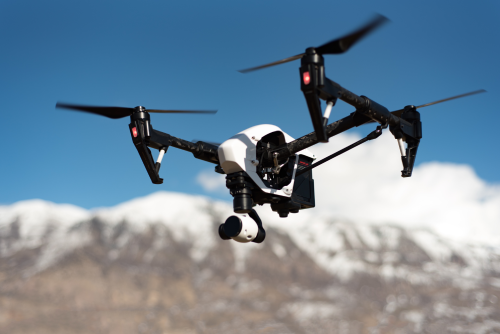
If you want to build a career in drone photography and videography, buying a drone is the easy part. The real career is built on safe flying, shot planning, editing, consistency, and the ability to deliver what clients in India actually need.
The good news is that demand is real. Weddings, resorts, real estate, tourism, brand films, events, and even construction updates can create steady work for skilled drone creators who are reliable and compliant.
Quick Take
- Start with flying discipline and legal awareness, not gadget obsession.
- Build your portfolio around 2 or 3 niches instead of trying to shoot everything.
- Learn the full workflow: planning, flying, camera settings, editing, delivery, and client communication.
- In India, always verify the latest DGCA, Digital Sky, airspace, and local permission requirements before any paid job.
- Your first paid work will usually come from collaborations and referrals, not from viral posts.
- One dependable drone, spare batteries, a clean editing workflow, and good judgment can take you further than a flashy setup.
- Clients usually pay for outcomes: a wedding film, a property reel, a resort promo, a construction update, or social media content.
Is drone photography and videography a good career in India?
Yes, but it is not a shortcut career.
Drone work sits between filmmaking, field operations, and client service. Some people enter through photography. Others come from video editing, event coverage, or content creation. A few begin as hobby pilots and turn professional once their flying becomes consistent.
In India, the opportunity is strongest where visuals directly help a business or event:
- Wedding and pre-wedding coverage
- Real estate listings and project marketing
- Resorts, hotels, and homestays
- Travel content and tourism campaigns
- Brand films and social media ads
- Event coverage
- Construction progress visuals
- Educational institutions and campuses
What matters is not just whether drones look cinematic. What matters is whether your footage helps the client sell, attract, explain, document, or remember something.
What clients are really buying
A client usually is not buying “drone shots.” They are buying one of these:
- Better storytelling
- A premium look
- A sense of scale
- Location context
- Social media attention
- Progress documentation
- Marketing material that feels more professional
That mindset changes how you build your career. You are not just a pilot. You are a visual problem-solver.
Choose the right career path early
A big mistake beginners make is copying whatever looks cool online. Career growth gets faster when you choose a lane and build relevant samples.
Career paths that work well
| Niche | What you deliver | Skills that matter most | Reality check |
|---|---|---|---|
| Weddings and events | Venue reveals, crowd moments, couple entries, cinematic highlights | Fast setup, coordination, safe flying in dynamic spaces, editing pace | High demand, but timing pressure is intense |
| Real estate | Exterior sweeps, amenities, neighbourhood context, vertical reels, stills | Clean movement, framing, repeatable angles, basic property marketing sense | Strong local opportunity if you network well |
| Resorts and hospitality | Property hero film, sunrise or sunset shots, pool and landscape visuals, social clips | Light awareness, smooth flying, lifestyle storytelling | Great portfolio niche, but you need polished edits |
| Travel and tourism | Destination reels, state or local tourism content, creator campaigns | Storytelling, weather timing, location recce | Competitive and often relationship-driven |
| Brand and commercial shoots | Product launches, auto shoots, ad films, corporate films | Teamwork, shot precision, professionalism, file handling | Higher standards and stricter expectations |
| Construction progress | Monthly site updates, top-down references, repeat shots, timelines | Accuracy, consistency, scheduling, safe site operations | Less glamorous, but can be steady income |
| Educational institutions | Campus films, admissions promos, event coverage | Wide establishing shots, people-safe operation, brand framing | Good for local creators and agencies |
A simple rule
If you are starting out, pick one “cash-flow niche” and one “portfolio niche.”
For example:
- Cash-flow niche: real estate
- Portfolio niche: resorts
Or:
- Cash-flow niche: weddings
- Portfolio niche: travel films
This keeps you grounded financially while improving your visual style.
The skill stack you actually need
A professional drone creator needs much more than basic stick control.
1. Safe and repeatable flying
Anyone can get one lucky shot. A professional can repeat it when the client is waiting.
You should be able to:
- Take off and land confidently
- Hold stable compositions
- Fly smooth straight lines
- Perform slow reveals
- Orbit without jerks
- Track a moving subject carefully
- Return safely when conditions change
- Abort a shot when safety is compromised
Repeatable flying matters because clients often ask for variations: – “Can you do that again, but wider?” – “Now make it vertical for Instagram.” – “Can you start lower and reveal the building later?”
2. Camera basics
You do not need to be a cinema expert on day one, but you must understand the basics.
Learn these properly:
- Frame rate: how many frames per second your video records
- Shutter speed: affects motion blur and natural-looking movement
- ISO: affects brightness and image noise
- White balance: keeps colour consistent
- Resolution: gives room for cropping and delivery formats
- Picture profile: affects colour and grading flexibility
For drone work, bad exposure choices can make footage look cheap very quickly. Harsh midday light, blown-out skies, and inconsistent colour are common beginner problems.
A practical example
For a resort reel, the client may want: – A wide sunrise approach – A slow pool reveal – A top-down breakfast scene – A short vertical edit for social media
That means you need: – Smooth motion – Correct exposure – Clean horizon – Thoughtful framing – An edit that matches the brand mood
3. Shot planning and storytelling
Strong drone footage is usually planned, not random.
Before flying, think in sequences:
- Establishing shot
- Reveal shot
- Detail support shot
- Movement shot
- Closing shot
For a property video, a simple structure could be:
- Wide aerial to show location
- Entrance approach
- Amenity reveal
- Surrounding roads or landscape
- Sunset hero shot
This sequence makes your work feel intentional and professional.
4. Editing and delivery
Editing is where many careers are won or lost.
Even excellent drone footage can look average if the edit is slow, repetitive, or badly coloured. You should learn:
- Basic colour correction
- Simple colour grading
- Stabilisation when needed
- Speed ramping with restraint
- Cropping for vertical formats
- Music matching
- Clean export settings
- File organisation and backup
If you want to get paid consistently, become the person who delivers files neatly and on time.
5. Client communication
This is an underrated career skill.
You should be able to ask:
- What is the video for?
- Where will it be used?
- Do you need horizontal, vertical, or both?
- What are the must-have shots?
- What permissions are already arranged?
- Is there a local point of contact on site?
- What is the final deadline?
Professionals who communicate clearly get referred more often than talented but chaotic shooters.
A realistic roadmap from beginner to working professional
Months 1 to 2: Learn the basics properly
Focus on:
- Drone controls
- Takeoff and landing discipline
- Smooth movement
- Horizon control
- Exposure basics
- Safe site selection
- Weather awareness
- Current Indian compliance basics
Do not chase difficult shots yet. Build control first.
Months 3 to 4: Create repeatable sample work
Shoot self-initiated sample projects, also called spec work.
Examples:
- A local farmhouse with permission
- A friend’s café exterior
- A school ground from safe and legal airspace
- A small holiday home or homestay
- A clean landscape sequence at golden hour
Your goal is not to show expensive locations. Your goal is to show consistency.
Months 5 to 6: Build a focused portfolio
Create 3 to 5 short portfolio pieces, each with a clear purpose:
- One real estate sample
- One hospitality sample
- One event-style sample
- One vertical social reel
- One edited before-and-after example
A client wants proof that you can solve their problem, not just a compilation of random sunsets.
Months 7 to 9: Start collaborations and paid trials
Reach out to:
- Wedding photographers and studios
- Local video editors
- Real estate brokers and developers
- Resorts and event venues
- Production houses
- Digital marketing agencies
In the early stage, paid assistant work, subcontracting, and small add-on shoots are often better than waiting for full direct clients.
Months 10 to 12: Specialise and systemise
Once you have a few jobs done, improve your system:
- Standard client questionnaire
- Shot checklist
- Battery and media checklist
- File naming system
- Delivery timeline
- Revision policy
- Backup workflow
This is the stage where a side hustle starts becoming a business.
Equipment roadmap without overspending
A drone career does not begin with the most expensive setup. It begins with reliable tools you can maintain.
What you need at the start
- One dependable camera drone suited to legal use and supported in India
- Multiple batteries
- Fast, reliable memory cards
- ND filters for better video control in bright light
- A solid carrying case or bag
- A landing pad for dusty sites
- A phone or controller setup you trust
- A laptop or desktop that can handle video editing
- External storage for backups
If you plan to do client work soon
Also consider:
- A basic ground camera or mirrorless camera
- A tripod or monopod
- A wireless microphone if you also shoot interviews
- A power bank or charging solution for long days
- Extra propellers and maintenance essentials
What to prioritise over hype
Choose equipment based on:
- Reliability
- Battery ecosystem
- Ease of transport
- Camera quality for your niche
- Spare part availability
- Service and repair support
- Compliance suitability
- Ease of learning
A stable drone with predictable results is far more valuable than a complicated setup you cannot confidently operate on paid work.
Build a portfolio that gets clients
A portfolio should make it obvious what kind of work you want.
If you want resort projects, your portfolio should not be 80 percent random nature clips. If you want wedding work, show emotional timing and venue scale, not only empty landscapes.
How to build a strong beginner portfolio
- Pick 2 niches only.
- Shoot 5 to 8 short, permission-based sample projects.
- Edit each one for a specific client type.
- Include both horizontal and vertical samples.
- Show full mini-deliverables, not just a highlight montage.
- Add a short caption explaining the outcome.
Good portfolio examples
Instead of: – “Cinematic drone reel 2026”
Create: – “45-second resort promo with sunrise reveal” – “30-second vertical real estate reel” – “Wedding venue opener with crowd-safe flight planning” – “Monthly construction progress sequence from matched angles”
This makes your work easier to buy.
How to get your first paid work
Your first clients are usually closer than you think.
Practical ways to start
- Offer drone footage as an add-on to wedding photographers
- Partner with real estate videographers who need aerials
- Contact local resorts before peak holiday periods
- Work with event planners who need recap videos
- Collaborate with social media agencies handling hotels, schools, cafés, or builders
- Join small production teams as a second operator or drone specialist
A useful beginner strategy
Do not pitch yourself as “I do all drone work.”
Pitch yourself as:
- “I create clean aerial reels for property marketing.”
- “I handle drone coverage for wedding films.”
- “I produce hospitality drone visuals for Instagram and websites.”
Specific positioning is easier to trust.
How to price your work without guessing blindly
Avoid charging only for flight time. Clients are paying for much more.
Your pricing logic should consider:
- Planning and recce time
- Travel
- Time on location
- Equipment risk
- Editing time
- File management
- Revisions
- Delivery format needs
- Urgency
- Licensing or usage expectations if relevant
A better way to package services
Instead of quoting: – “Per battery” – “Per hour only”
Offer packages such as: – Drone-only shoot with raw footage – Shoot plus edited reel – Shoot plus reel plus stills – Multi-location property package – Event highlight add-on package
You do not need to be the cheapest. You need to be clear.
Legal, safety, and compliance in India
This part matters more than many beginners realise.
If you are accepting paid drone photography or videography work in India, always verify the latest official guidance before every project. Rules can depend on drone category, purpose of operation, location, airspace, and local restrictions.
What to verify before flying
- Current DGCA and Digital Sky requirements
- Whether your operation requires registration, training, or a Remote Pilot Certificate
- Whether the drone must meet NPNT requirements where applicable
- Airspace classification for the location
- Temporary restrictions or event-related restrictions
- Local permissions from property owners or organisers
- Sensitive locations nearby such as airports, military zones, government sites, or protected areas
- Privacy concerns involving people, homes, or crowds
- State, district, wildlife, police, or venue-specific restrictions
A few India-specific realities
- Wedding venues may allow cameras but not necessarily drone operations.
- Tourist places may have local enforcement even when visitors assume shooting is allowed.
- Temple towns, forts, government zones, and heritage areas can involve extra restrictions.
- Construction sites may have both safety rules and corporate access controls.
- Residential areas raise privacy concerns even if the client says “just get a few shots.”
Professional safety habits
- Recce the site before the shoot if possible
- Keep takeoff and landing zones controlled
- Brief the client on what is and is not safe
- Avoid reckless flying near people, traffic, wires, or animals
- Have a visual observer when the environment is busy
- Carry spare props and basic safety gear
- Stop the shoot if conditions become unsafe
Insurance can also be worth considering for professional work, especially where equipment risk or third-party risk is involved. Verify what coverage actually applies.
A professional workflow for every shoot
A career becomes sustainable when your workflow is boring in the best possible way: organised, repeatable, and calm.
Step 1: Understand the brief
Ask: – What is the final deliverable? – Who is the audience? – What platform is it for? – What are the must-have shots? – What is the best time of day? – Are there site restrictions?
Step 2: Plan the shot list
Create a simple list with: – Priority shots – Backup shots – Vertical and horizontal needs – Safety concerns – Lighting notes
Step 3: Prepare the gear
Check: – Batteries charged – Firmware status reviewed before the day, not on site – Cards formatted – Filters packed – Props inspected – Controller and phone ready – Backup storage available
Step 4: Execute calmly on location
Get the safe, essential shots first.
Do not spend half the session chasing one flashy move while missing the client’s actual needs.
Step 5: Back up immediately
As soon as you can: – Copy files to primary storage – Create a second backup – Organise folders clearly – Review key clips before leaving the project behind
Step 6: Edit for the client, not your ego
A resort wants aspirational visuals. A builder wants clarity and scale. A wedding team wants emotion and timing.
Edit to the job.
Common mistakes that slow down a drone career
1. Buying too much gear too early
A new drone, FPV setup, action camera, gimbal, and multiple lenses will not fix weak flying or poor editing.
2. Building a random portfolio
Clients want relevance. A scattered reel often makes you look inexperienced.
3. Ignoring legal and airspace checks
One bad decision can damage your reputation faster than any great video can build it.
4. Flying only for cool shots
Clients care about usable deliverables, not just dramatic moves.
5. Neglecting editing
Unedited or badly graded footage makes even a good shoot feel amateur.
6. Underpricing without a plan
Cheap work can help you start, but if every project becomes exhausting and unprofitable, growth stalls.
7. Poor file management
Lost footage, slow delivery, and messy exports destroy trust.
8. No backup plan
Batteries fail, weather changes, clients reschedule, and memory cards can corrupt. Build redundancy where you can.
FAQ
Do I need a licence to earn from drone photography and videography in India?
Possibly, depending on the drone, the type of operation, and current rules. Do not assume hobby flying rules and paid work rules are identical. Verify the latest DGCA and Digital Sky requirements before accepting projects.
Can I start a career with just one drone?
Yes, especially in the beginning. One dependable drone, spare batteries, and a strong edit workflow are enough to start learning and building a portfolio. Add more gear only when client needs justify it.
Is wedding drone work a good niche for beginners?
It can be, but it is demanding. Weddings move fast, environments are unpredictable, and safety around crowds is critical. It is often easier to enter by collaborating with an experienced wedding team first.
Should I learn FPV before starting professionally?
Not necessarily. FPV can be exciting and useful for some styles, but most beginner-friendly client work in India still rewards stable cinematic flying, safe operation, and clean edits more than aggressive movement.
How important is editing compared to flying?
Very important. Flying gets the raw material. Editing creates the final product the client judges. If your editing is weak, your work will often look less professional than it really is.
What should I include in a client agreement?
At minimum, include the scope of work, shoot date, deliverables, timeline, revision policy, payment terms, travel terms, and a note that the shoot is subject to legal, weather, and safety constraints.
Can I practise legally without clients first?
Yes. That is the best way to begin. Practise in suitable, permitted areas, with landowner permission where needed, and after checking the current official rules for that location and operation.
What is the fastest way to get repeat work?
Be reliable. Deliver on time, communicate clearly, fly safely, and make the client’s life easier. Repeat business usually comes from professionalism before artistry.
Final takeaway
To build a career in drone photography and videography, do three things first: learn to fly safely and consistently, build a focused portfolio for one or two real client niches, and treat compliance and professionalism as part of your craft. If you can deliver useful footage, edited well, without creating risk or chaos, you are already ahead of a large part of the market.
