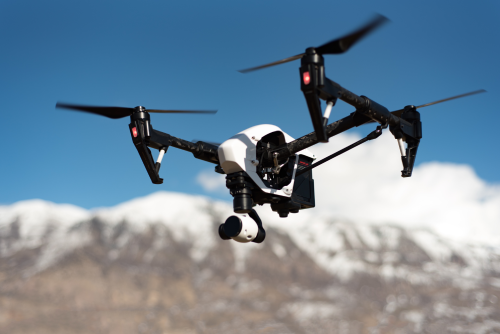
Indian weddings are full of movement, scale, colour, and location detail, which is exactly why drones have become so useful in wedding films. Understanding how drones are used in wedding filmmaking helps couples and creators decide when aerial footage adds real value and when it is better to keep the camera on the ground.
A good drone does not replace the main video team. It adds context, cinematic movement, and memorable opening or transition shots that are hard to capture any other way.
Quick Take
- Drones are mainly used in wedding filmmaking to show scale, location, movement, and atmosphere.
- They work best for venue reveals, baraat coverage, outdoor couple shots, destination wedding scenes, and smooth transitions between events.
- In Indian weddings, drones are especially effective at large venues, resorts, beach weddings, palace properties, farm weddings, and outdoor daytime functions.
- They are not ideal for every moment. Indoor ceremonies, dense crowds, low light, fireworks, rain, strong wind, and privacy-sensitive moments often make drone use a bad idea.
- Drone footage is most effective when planned in advance with the photographer, videographer, planner, and venue team.
- In India, always verify the latest DGCA, Digital Sky, venue, and local restrictions before flying. Private property permission alone may not be enough.
Why drones matter in wedding filmmaking
Wedding films are not only about faces and close-ups. They are also about place, scale, and flow.
A ground camera can beautifully capture expressions, jewellery details, rituals, and family reactions. But it cannot easily show the full setting of a hilltop resort, the shape of a floral mandap by the beach, or the energy of a baraat moving through an open road or courtyard. That is where a drone becomes useful.
In practical terms, drones help wedding films do three things better:
They establish the setting
Aerial shots answer the question, “Where is this wedding happening?” That matters more than ever in destination weddings and large-format Indian celebrations.
Examples:
- a sunrise reveal of a resort in Jaipur
- a beachside mandap in Goa
- a tea estate property in Kerala
- a palace-style entrance in Udaipur
- a farmhouse wedding outside Delhi or Bengaluru
These shots make the film feel bigger and more immersive.
They capture movement across space
Weddings are full of motion: baraats, bride or groom entries, guests moving between lawns and halls, and couple walks through scenic venues. A drone can follow that movement smoothly from above or from a safe side angle.
This creates a sense of momentum that static ground shots cannot always provide.
They raise production value without changing the story
Used well, drones make a wedding film feel polished and cinematic. Used badly, they look repetitive or flashy for no reason.
The key point is this: drone footage should support the story, not dominate it. Most strong wedding films use a few well-chosen aerial moments, not nonstop flying.
Where drones add the most value in a wedding film
The best use of a drone depends on the wedding schedule, venue layout, and safety conditions. Here are the moments where drones are typically the most useful.
| Wedding moment | What the drone captures well | Why it works | Main caution |
|---|---|---|---|
| Venue and decor reveal | Wide shots of the property, entrance, mandap, lawn, poolside setup, or palace exterior | Gives the film a strong opening and shows the scale of planning | Best done before guests fill the area |
| Pre-wedding or couple session | Walks, twirls, scenic wide shots, beach or hillside reveals | Makes portraits feel grand and cinematic | Needs space, good light, and a calm environment |
| Baraat or procession | Top and side angles of the moving crowd, dhol, dancers, horse or car entry | Shows energy and route in one shot | Avoid flying low over people, animals, and moving vehicles |
| Outdoor ceremony | Wide context of mandap and guest arrangement | Useful as a master shot for the edit | Drone noise can disturb the ceremony if flown too close |
| Couple portraits after the ceremony | Slow orbit, pull-back reveal, top-down composition | Creates elegant hero shots for teaser edits | Choose a quiet open area away from guests |
| Reception exterior and evening ambience | Exterior lights, facade, arrival mood, crowd flow | Helps bridge day and night portions of the film | Low light and cables can make this risky |
| Departure or ending shot | Pull-away from the venue, car exit, final scenic wide | Gives the film a clean ending | Traffic, wires, and dark conditions need extra care |
The most useful drone shots for wedding storytellers
Not every aerial clip has the same value. Some shots are far more useful in wedding filmmaking than others.
Establishing reveal
This is the classic wedding drone shot.
The camera starts low behind trees, a gate, a wall, or decor, then rises to reveal the full venue. It is often used in the opening seconds of the wedding film.
Why it works:
- immediately sets the location
- feels cinematic without being distracting
- works well for hotels, resorts, lawns, and heritage properties
A slow, steady reveal usually looks more premium than a fast dramatic move.
Top-down shot
A top-down shot means the camera points straight down from above.
This can look beautiful for:
- symmetrical mandap designs
- rangoli patterns
- poolside decor
- couple standing alone in a courtyard
- guests arranged in circular or geometric formations
It is a strong visual tool, but it should be used selectively. Too many top-down shots can start to feel repetitive.
Tracking shot
A tracking shot follows movement.
In weddings, this might mean following:
- the baraat from a safe offset
- the couple walking through the venue
- a car approaching the entrance
- guests moving toward the ceremony area
The best tracking shots are smooth and predictable. Fast or aggressive movement usually feels more like an action reel than a wedding film.
Orbit shot
An orbit is when the drone moves in a circle around the subject.
This can work beautifully for a couple standing in an open area with a scenic background. It is especially useful during portrait time when the team has more control and less crowd pressure.
The mistake to avoid is doing the same orbit over and over at different speeds. One good orbit is enough in most edits.
Pull-back ending shot
This is a classic finishing move.
The couple or venue is framed first, then the drone slowly moves backward and upward, revealing more of the environment. It is often used at the end of a teaser or highlight film.
It works well because it creates closure while also leaving the viewer with a sense of scale and memory.
Transition shot
A drone shot can connect one part of the wedding to another.
For example:
- morning venue reveal to haldi setup
- exterior of the ceremony venue to indoor preparations
- sunset lawn to night reception
- couple portrait session to final celebration
These shots help the edit feel smoother. They are not always the most glamorous clips, but editors often find them extremely useful.
How drone footage fits into the real wedding workflow
The biggest difference between average and professional drone wedding coverage is planning.
A drone should not be launched just because the venue looks nice. It should be part of the shooting plan.
1. Do a recce before the event if possible
A recce is a location visit or inspection.
The drone team should check:
- open take-off and landing spots
- trees, poles, tent cables, and power lines
- nearby roads and traffic
- guest movement areas
- possible wind direction
- whether the location is even suitable and permissible for drone use
At destination weddings, even a short evening walk-through with the planner can help.
2. Lock a small shot list instead of trying to film everything
For most weddings, 4 to 8 planned aerial moments are enough.
A practical list may include:
- one venue reveal
- one baraat coverage sequence
- one wide ceremony shot
- one portrait shot with the couple
- one sunset or golden-hour scenic shot
- one ending pull-away shot
This keeps the footage purposeful and reduces risk.
3. Coordinate with the main photo and video team
A drone team should never operate in isolation.
Good coordination avoids problems like:
- drone entering the photographer’s frame
- repeated directions confusing the couple
- missing the key ritual because everyone assumed someone else was covering it
- unnecessary hovering during quiet moments
The lead wedding filmmaker usually decides where the drone fits into the overall story.
4. Choose the right time of day
Light matters a lot.
The best times for drone wedding shots are usually:
- early morning
- late afternoon
- golden hour before sunset
Midday light can make venues look harsh and flat, especially in summer.
If the wedding is in a hot or bright location, the team may use the drone early for venue shots and later for portraits.
5. Use the drone for visuals, not for critical audio moments
This is important.
Drones are great for visuals, but not for clean live audio. Their propellers create noise, and that can interfere with important moments if the drone is flown too close.
For vows, pheras, nikah, speeches, or emotional family exchanges, the ground camera and audio team matter more.
A smart filmmaker uses the drone before or after the key spoken moment, not right on top of it.
6. Edit drone footage with restraint
In the final film, drone shots work best as:
- opening images
- transitions between events
- a few hero moments
- ending visuals
If every 20 seconds cuts back to the sky, the film starts to feel generic. Weddings are about people first, location second.
When drones should not be used
One of the most professional decisions in wedding filmmaking is choosing not to fly.
A drone is a tool, not a requirement. There are many situations where a handheld gimbal, tripod, or crane shot is the better option.
Avoid or rethink drone use in these situations:
- tight indoor halls with chandeliers, fans, hanging decor, or low ceilings
- heavily crowded ceremony spaces where people are packed shoulder to shoulder
- areas with many wires, poles, and temporary lighting structures
- strong wind, rain, dust, or poor visibility
- night-time conditions with weak visibility and limited safe landing space
- near fireworks, cold pyros, or spark machines
- near horses, pets, or animals used in the procession
- emotionally sensitive rituals where noise and distraction would be inappropriate
- any place where airspace or local rules do not clearly allow the flight
The best drone operators know that missing a shot is better than forcing an unsafe one.
Safety, legal, and compliance checks in India
Wedding filmmakers in India need to treat drone use seriously, even when the event is private.
Rules, airspace status, and local enforcement can change. That is why the safest advice is always to verify the latest official requirements before every event.
Practical compliance checks before a wedding shoot
- Check the latest DGCA and Digital Sky guidance for the location and type of operation.
- Confirm that the venue is in permissible airspace. A resort or private property being available for events does not automatically mean drone flying is allowed there.
- Verify whether the drone model, category, operator qualification, and flight workflow meet the current Indian requirements.
- Ask the venue for written permission where needed, and inform the wedding planner or event manager in advance.
- Be extra cautious near airports, helipads, defence areas, heritage zones, coastal stretches, wildlife areas, government buildings, and VIP-sensitive locations.
- If local administration, police, district officials, or venue management impose additional conditions, follow them.
- Avoid flying directly over dense crowds. Even at a legal location, that may still be unsafe.
- Use a spotter or assistant to help monitor people, vehicles, and obstacles.
- Set a clear take-off and landing area that guests and children cannot wander into.
- Respect privacy. Do not hover near hotel room windows, private preparation spaces, or neighboring properties.
- Consider insurance if it is available and relevant to your operation.
Safety habits that matter during weddings
- Brief the planner and family about when the drone will fly.
- Keep guests from gathering around the landing zone.
- Never do flashy low passes over dancers just for social media clips.
- Stay clear of band members, dhol players, horses, open electrical wiring, and decorated entry structures.
- Carry spare propellers, charged batteries, and a backup plan if wind or crowd conditions change.
If any part of the legal or safety picture is unclear, the correct choice is to not fly until it is clear.
Common mistakes in wedding drone filming
Even visually strong drone footage can become unusable if the basics are ignored.
Here are the mistakes seen most often:
1. Using the drone too much
A wedding film should not feel like a real estate promo. Too many aerial shots weaken the emotional focus.
2. Flying without a plan
Launching at random often produces clips that look nice but do not fit the edit.
3. Ignoring guest safety during the baraat
The baraat is exciting, but it is also unpredictable. Crowds surge, dancers jump, vehicles move, and animals may react suddenly.
4. Shooting only from high altitude
Very high shots show the venue, but they often lose emotional connection. Mid-height cinematic frames are usually more useful.
5. Trying risky indoor flying
Indoor drone work, especially FPV, is a specialist skill. It is not something to attempt casually in a crowded wedding environment.
6. Flying during the wrong light
A beautiful venue can still look dull in harsh noon light or muddy after dark.
7. Not coordinating with the ground team
Drone shots work best when they complement the main cameras, not compete with them.
8. Forgetting that sound matters
A drone clip may look great, but if it disrupts a quiet ritual, it damages the real wedding experience.
FAQ
Are drones necessary for every wedding film?
No. They are useful when the venue, schedule, and conditions support them. Small indoor weddings or crowded city venues may not benefit much from aerial coverage.
Which wedding moments benefit most from drone coverage?
Venue reveals, outdoor couple portraits, baraats, destination wedding scenes, and transition shots between events usually benefit the most.
Can drones be flown indoors at wedding venues?
Sometimes technically, but often it is not practical or safe. Indoor spaces bring ceilings, fans, lighting rigs, and crowd pressure. In most weddings, ground cameras are the better choice indoors.
Is FPV drone filming a good choice for weddings?
It can create exciting results, especially for venue fly-throughs, but it requires a highly experienced pilot and stricter safety planning. It is not necessary for most wedding films.
Can a private resort wedding in India automatically allow drone flying?
No. Venue permission is important, but it does not replace airspace compliance or any current DGCA and local restrictions. Always verify both.
How much drone footage should be in the final wedding film?
Usually a small percentage. A few strong aerial clips are enough for most highlight films. The emotional core should still come from ground cameras.
What should couples ask before hiring a drone wedding filmmaker?
Ask these questions:
- Have you shot weddings at similar venues?
- How do you handle permissions and compliance checks?
- What happens if weather or venue restrictions prevent flying?
- Can you show full wedding films, not just short reels?
- How do you manage safety around guests and the baraat?
Can drones be used at night receptions?
Sometimes, but night flying is more demanding and may not always be suitable or permissible depending on the location, visibility, and current rules. Many teams prefer twilight exteriors and then switch to ground cameras.
What if rain or wind cancels the drone shoot?
A professional team should have a backup plan. That may include gimbal shots, crane-style moves from elevated points, venue details, and more ground-based cinematic coverage.
Final takeaway
Drones are used in wedding filmmaking best when they add story, scale, and atmosphere, not just spectacle. If you are hiring a team, look for one that can show tasteful full-film work and explain its safety and compliance process clearly. If you are shooting weddings yourself, plan a few high-value aerial moments, verify the rules for the venue, and be disciplined enough to keep the drone grounded when the conditions are wrong.
