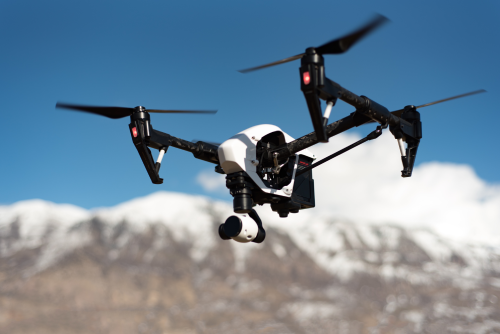
Drones are now a regular part of sports event coverage because they show something ground cameras often cannot: scale, movement, and atmosphere in a single shot. From a city marathon route to a college football ground or a local cricket tournament, drone footage can make an event look more professional, more exciting, and easier to follow.
Quick Take
- Drones are used in sports event coverage mainly for venue reveals, athlete tracking, route coverage, crowd shots, tactical overhead views, and fast highlight videos.
- They work best as a supporting camera, not as a total replacement for ground cameras.
- Long-route events like marathons, cycling races, and outdoor tournaments often benefit more from drones than tightly packed indoor or heavily crowded events.
- For most Indian creators and small event teams, drone footage is most practical for promos, recaps, social media clips, and selected live segments rather than full-match live coverage.
- Safety matters more than dramatic shots. Avoid flying directly above players, officials, and spectators.
- In India, always verify the latest venue permissions, airspace status, DGCA and Digital Sky requirements, and any local restrictions before flying.
Why drones have become valuable in sports event coverage
Sports are visual by nature. The challenge is that sports also move fast, cover large areas, and involve unpredictable motion. A normal camera can give close-ups and reactions, but it may not show the size of the venue, the flow of the play, or the route of the event.
That is where drones help.
A drone can show:
- The full stadium or ground before the event starts
- Athletes moving through open space
- The relationship between the crowd, venue, and action
- Scenic context around the event
- A cleaner sense of speed in races and outdoor sports
For event organisers, this has real value beyond just “good-looking footage.” Drone coverage can help with:
- Better promotional videos for future editions
- More attractive social media content for sponsors
- Highlight reels for teams, academies, and leagues
- Broadcast-style visuals for local or regional events
- A stronger professional image for the event
In India, this is especially useful for:
- School and college sports festivals
- District and state-level competitions
- Local cricket and football leagues
- Running events and marathons
- Cycling and endurance events
- Motorsport and outdoor adventure events
How drones are used in sports event coverage
1. Venue reveals and opening visuals
One of the most common uses of drones in sports event coverage is the opening shot.
This might include:
- A slow rise above a cricket ground at sunrise
- A wide reveal of a football stadium with teams warming up
- A flyover of a marathon start line before participants arrive
- A top-down look at lanes, track markings, or field layout
These shots help viewers understand the setting immediately. They are also useful for:
- Opening titles
- Event promos
- Sponsor videos
- YouTube intros
- Broadcast transitions
For smaller Indian events, a strong venue reveal can make even a modest tournament look well-organised and cinematic.
2. Tracking moving athletes
Drones are often used to follow motion in a way that feels natural and energetic.
Examples include:
- Tracking runners on an open stretch of road
- Following cyclists through a scenic section
- Moving alongside a sprint finish from a safe offset position
- Capturing a football team’s attacking movement from a wide angle
This kind of footage gives the viewer a sense of speed and momentum.
However, not every sport allows close aerial tracking safely. In many cases, the best result comes from flying parallel to the action, or ahead of it, rather than directly overhead.
A good sports drone operator does not chase randomly. They predict movement, keep safe distance, and choose a path that supports the story.
3. Covering long routes and large areas
Drones are especially useful when the event is spread out.
This is one of the clearest answers to how drones are used in sports event coverage: they help connect locations that ground cameras cannot cover easily.
For example:
- A marathon route across a city
- A cycling race passing through hills or highways
- A triathlon with different stages
- An off-road motorsport event
- A golf course spread over a large area
Instead of showing only isolated close-ups, drone footage can show progress along the route. This helps viewers understand where the athletes are and how the event is unfolding.
In practical terms, this means drones are often more valuable for endurance and outdoor route-based sports than for short-duration indoor matches.
4. Tactical overhead views
Some sports benefit from an overhead perspective because it reveals structure.
This can help in:
- Football: showing team shape and spacing
- Hockey: transitions and field movement
- Athletics: lane patterns and race progression
- Kabaddi or court sports in controlled settings: overall positioning
This type of shot is useful not only for viewers but also for:
- Coaches
- Teams
- Training academies
- Match analysts
- Social media explainers
The key is to use this angle sparingly and safely. It works best when the drone is stable, high enough to remain unobtrusive, and not placed in a risky position above active play.
5. Crowd, atmosphere, and ceremony coverage
Sports events are not just about the athletes. They are also about energy, spectators, music, presentation, and celebration.
Drones are commonly used for:
- Crowd arrival shots
- Flag marches and opening ceremonies
- Team walk-ins
- Mid-event atmosphere visuals
- Trophy presentations and closing moments
These shots are especially important for organisers and sponsors because they show turnout, excitement, and scale.
For local Indian events, crowd and ceremony visuals are often more marketable than pure gameplay footage. They are useful for next year’s promotions, sponsor pitches, and recap videos.
6. Pre-event promotion and venue marketing
Many drone flights happen before the competition even begins.
Organisers use drones to create:
- “Coming soon” teaser videos
- Venue previews
- Social media announcements
- Registration campaign visuals
- Sponsor integration content
For a sports academy, school, or local league, this can be one of the most practical uses of drone footage. It is easier to shoot, lower risk than live match coverage, and still delivers strong visual value.
7. Fast highlight reels and same-day edits
Modern sports coverage is no longer just about TV broadcast. It is also about quick digital turnaround.
Drone footage is often used in:
- Same-day Instagram reels
- Short YouTube highlights
- Sponsor recap videos
- Team victory montages
- Event aftermovies
A single 5-second drone reveal, when edited well, can dramatically improve the quality of a short sports video.
For many event clients in India, this is where drone work earns its value: not through continuous match filming, but through premium visual moments that make the edit look bigger and more polished.
Which sports benefit most from drone coverage
Not every sport benefits equally. Some are naturally drone-friendly, while others are more restricted by safety, crowding, or venue design.
| Sport or event type | Best drone use | What drones add | Main limitation |
|---|---|---|---|
| Cricket | Ground reveal, atmosphere, innings break shots, trophy moments | Venue scale and event polish | Ball trajectory, crowd density, and player safety make active-play coverage tricky |
| Football and hockey | Wide tracking, field geometry, celebrations | Better sense of space and movement | Requires strict separation from athletes and clear flight planning |
| Marathon and road races | Route coverage, lead group visuals, scenic sections | Excellent storytelling over long distances | Urban airspace, crowds, and moving road restrictions |
| Cycling and triathlon | Tracking on open stretches, transition visuals | Speed and route context | Obstacles, traffic, and battery planning |
| Athletics meets | Opening visuals, lane top shots, ceremony coverage | Strong overview of track events | Close finish-line crowds and limited flight windows |
| Motorsport | High-angle action, corner reveals, convoy movement | Dramatic speed visuals | Higher risk, dust, debris, and strict safety zones |
| Golf | Course flyovers, hole previews, scenic event coverage | Premium cinematic feel | Trees, player concentration, and noise sensitivity |
| School and college sports days | Venue overview, march-past, house events, prize distribution | Affordable professional look for institutions | Mixed crowd control and permission discipline |
What drones do well, and where they are limited
Drones are useful, but they are not magic.
What drones do well
- Show scale better than handheld cameras
- Cover long outdoor routes
- Add motion to highlight videos
- Capture scenic context around the event
- Create premium-looking intros and recaps
- Offer overhead visuals for analysis
Where drones are limited
- They do not replace player close-ups
- They are weak for audio capture
- They are harder to use in rain, strong wind, or low visibility
- They are often unsuitable over dense crowds
- Indoor sports can be difficult because of space, lighting, and safety
- Floodlights, wires, poles, nets, and stadium structures can create risk
- Continuous live-match drone coverage is harder than it looks
This is why the best sports productions combine drones with ground cameras, commentary, sound recording, and good editing.
Live broadcast vs recorded sports coverage
A lot of people imagine drones mainly as live TV tools. In reality, most drone use in sports is simpler than that.
Recorded coverage
This is the most practical model for many Indian event teams, creators, academies, and small production companies.
Typical outputs include:
- Pre-event promos
- Match-day recap videos
- Social media clips
- Sponsor content
- Trophy and celebration films
This approach is easier because the operator can focus on collecting strong shots, not maintaining a constant live feed.
Live coverage
Live drone coverage is more demanding.
It may require:
- Stable low-latency video transmission
- Better radio frequency planning
- Constant coordination with a director
- A controlled takeoff and landing area
- Strong crew communication
- Backup systems and contingency planning
For a major professional event, drone coverage may be just one camera in a larger multi-camera production.
For smaller events, a hybrid model is often more realistic: use ground cameras for continuous coverage, and use drones for opening shots, transitions, route visuals, or delayed highlight clips.
A practical workflow for covering a sports event with drones
A good result comes from planning, not just flying.
1. Understand the event and the final deliverables
Before the event, clarify:
- Is the client asking for a live stream, recap video, or social clips?
- Which moments matter most?
- What sport is being covered?
- Where are the highest-risk areas?
- What is the expected crowd size?
A local cricket tournament and a city marathon need very different drone plans.
2. Recce the venue or route
A recce is a pre-event site inspection.
Check for:
- Trees, poles, cables, floodlights, and netting
- Takeoff and landing space
- Safe pilot position
- Crowd movement patterns
- Wind direction
- Sun direction for best light
- Emergency landing options
For route-based events like marathons, identify specific shot points rather than trying to “cover everything.”
3. Verify permissions and compliance
Before flying, confirm:
- Venue or organiser approval
- Any event management restrictions
- Airspace status and local sensitivity
- Latest DGCA and Digital Sky requirements
- Whether your drone, pilot, and operation meet current rules
- Insurance expectations if the client requires it
Do not assume that because an event is public, flying is automatically allowed.
4. Build a shot plan and no-fly zones
A sports drone team should decide in advance:
- Which shots happen before the event
- Which shots happen during breaks
- Where the drone will never go
- How close the drone is allowed to get
- Which areas are reserved for spectators, officials, media, or emergency access
No-fly zones are just as important as the planned shots.
5. Brief the crew
At minimum, sports drone work is safer with:
- A pilot
- A visual observer or spotter
- A coordinator or producer if the event is large
The observer watches people, obstacles, and changing conditions while the pilot concentrates on flight.
6. Fly in controlled windows
The safest and most useful flight windows are often:
- Before spectators fully enter
- During athlete warm-up, where approved
- During breaks or intervals
- At controlled points on a route
- After the final whistle
- During prize distribution
Trying to get the “craziest” shot in the most chaotic moment often creates the biggest safety risk.
7. Offload, back up, and sort footage quickly
For event work, speed matters.
After each key flight:
- Copy footage to backup storage.
- Mark the best shots.
- Note which moments may be needed urgently.
- Recharge and rotate batteries.
- Prepare for the next planned window.
8. Edit for different platforms
The same drone footage may be cut into:
- One full recap video
- Vertical reels
- Horizontal sponsor clips
- Opening titles
- Venue teasers
- Event archive footage
Good drone coverage becomes more valuable when it is planned for multiple outputs from the start.
Gear and crew that make sports drone coverage work
You do not always need a large cinema drone. The right setup depends on the event.
Standard camera drones
These are the most common choice for sports coverage.
Best for:
- Venue reveals
- Wide tracking
- Smooth cinematic movement
- Social media and event films
They are easier to fly than FPV drones and usually better for general-purpose sports work.
FPV drones
FPV stands for first-person view. The pilot wears goggles and flies more manually for faster, more dynamic movement.
Best for:
- High-energy chase shots
- Fast promo sequences
- Stylised event videos
But FPV sports work is not beginner-friendly. It needs more pilot skill, more risk control, and more careful planning. For most small events, a standard camera drone is the better starting point.
Useful crew roles
A simple sports drone team may include:
- Pilot in command
- Visual observer
- Ground camera operator
- Editor or social media person
- Event coordinator or client contact
Useful supporting gear
- Extra batteries
- Fast charger or charging hub
- Backup memory cards
- ND filter if shooting in bright daylight
- Sun hood or monitor for visibility
- Cones or markers for takeoff zone
- Communication method between pilot and production team
An ND filter, or neutral density filter, reduces light entering the camera and can help video look smoother in bright sun.
Safety, legal, and compliance points for India
Sports events are high-risk environments because they involve motion, crowds, noise, and pressure to “get the shot.” That means safety has to come first.
Keep these points in mind:
- Get clear permission from the organiser or venue owner before the event.
- Check whether the area falls under any restricted, sensitive, or otherwise controlled airspace.
- Verify the latest DGCA and Digital Sky rules before flight. Requirements can change, and the correct process depends on the drone, location, and type of operation.
- Use a compliant drone and keep any required documentation current.
- Avoid flying directly above spectators, athletes, referees, officials, or public traffic unless you are specifically authorised and have a properly risk-managed setup.
- Establish a protected takeoff and landing zone that the public cannot casually enter.
- Use a visual observer for event work whenever possible.
- Plan for loss of signal, battery issues, weather changes, and emergency landing.
- Be careful with minors at school and college events. Organiser permission and responsible filming practices matter.
- Respect privacy. Event coverage should not turn into intrusive close-up surveillance of spectators.
If you are unsure about the legality of a specific sports venue or route, pause and verify it before the event day. Guesswork is not good enough.
Common mistakes in sports drone coverage
Flying over the action just because it looks dramatic
The most obvious shot is often the worst decision. Hovering above players or a finish-line crowd increases risk and may add noise or distraction.
Depending only on the drone
A drone cannot replace a ground camera for expressions, close-ups, interviews, or key match moments.
Choosing the wrong moments to fly
Some of the best drone footage happens before the event starts or after it finishes. Beginners often wait for peak chaos and then struggle.
Forgetting battery and positioning logistics
A marathon or cycling event can stretch far beyond a drone’s practical flight window. Plan handoff points and battery changes in advance.
Using fast movement for every shot
Not all sports footage needs aggressive motion. Smooth, stable movement often looks more professional than constant high-speed flying.
Ignoring sound
Drone audio is rarely usable. If the final video needs ambience, commentary, crowd reactions, or interviews, record those separately.
Poor communication with organisers
If referees, marshals, security, or stage managers do not know where the drone will operate, confusion follows quickly.
Treating indoor venues like easy drone jobs
Indoor flying can be harder, not easier. Space, lighting, GPS limitations, and crowd proximity make indoor sports coverage a specialised task.
FAQ
Can drones be used during live sports matches?
Sometimes, but not always. It depends on the sport, venue, organiser approval, safety plan, and current legal requirements. In many cases, drones are used more safely before play, during breaks, or after the event rather than continuously during active play.
Are drones useful only for big professional leagues?
No. They can be very useful for school events, college tournaments, local leagues, academies, marathons, and community competitions. Even a short drone intro can make a small event look far more polished.
Which is better for sports coverage: a normal camera drone or an FPV drone?
For most users, a normal camera drone is the better option. It is easier to control, safer for general event work, and more versatile. FPV is best for specialised, high-energy shots handled by experienced pilots.
Can one person handle sports drone coverage alone?
For small, low-risk shoots, maybe. But for real event work, a pilot plus visual observer is a much better and safer setup. Large events may need even more coordination.
Do drones work well for cricket coverage?
They work well for stadium reveals, crowd atmosphere, innings-break visuals, and trophy moments. They are less suitable for close overhead coverage during live play because of safety and ball-flight unpredictability.
Are drones good for marathon and cycling event coverage?
Yes, these are some of the best sports for drone use because the route itself is part of the story. The challenge is planning safe locations, battery swaps, and compliance along the route.
Can drones be flown indoors for sports?
Only in specific controlled conditions. Indoor sports coverage is harder because of limited space, lighting, obstacles, and crowd safety. Venue approval is essential, and the pilot must be comfortable with indoor flying conditions.
What should an organiser ask before hiring a drone team?
Ask about the pilot’s event experience, safety process, permissions, insurance if relevant, backup plan, deliverables, and sample work from similar events. Also ask how they plan to avoid players and spectators.
Takeaway
Drones are used in sports event coverage best when they add what other cameras cannot: scale, motion, route context, and atmosphere. If you want good results, treat the drone as a specialist support camera, choose safe flight windows, verify the latest permissions and compliance needs in India, and build your coverage around practical shots like venue reveals, route tracking, and highlight moments rather than risky gimmicks.
