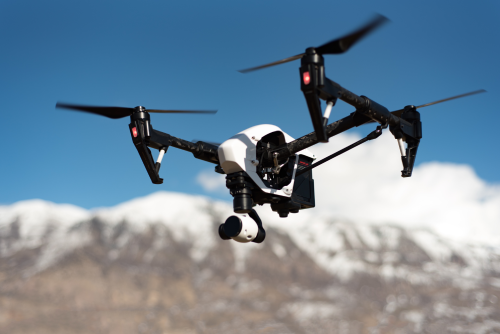
Understanding how drones are used in infrastructure inspection is increasingly important in India, where bridges, flyovers, power lines, telecom towers, solar plants, dams, and industrial sites all need regular checks. A well-planned drone inspection can make work faster and safer, but the real value comes from the data, reporting, and decisions that follow.
Quick Take
- Drones are now widely used to inspect bridges, roads, rail corridors, power infrastructure, telecom towers, roofs, dams, pipelines, solar plants, and wind turbines.
- Their biggest advantage is safety: they reduce the need for workers to climb, hang from ropes, enter hazardous zones, or shut down traffic for basic visual checks.
- The most useful drone payloads for inspection are:
- Standard high-resolution RGB cameras
- Zoom cameras
- Thermal cameras
- LiDAR in specialized cases
- Drones are best for screening, documentation, repeat inspections, and finding anomalies early. They do not fully replace engineers, technicians, or hands-on testing.
- In India, always verify the latest DGCA and Digital Sky requirements, site permissions, airspace rules, and any local security restrictions before flying.
Why infrastructure teams use drones
Traditional infrastructure inspection is slow, expensive, and often risky.
A bridge may need lane closures. A telecom tower may require climbing. A solar plant may stretch across hundreds of acres. A dam or canal may be difficult to inspect from the ground. Industrial plants may have hot, elevated, or confined areas that are not easy to reach.
Drones change the first step of that process.
Instead of sending people directly into the most difficult areas, teams can first use a drone to capture:
- A full visual overview
- Close-up images of possible defects
- Thermal patterns that suggest overheating or leakage
- Repeatable map data for comparing the asset over time
This is especially useful in India because infrastructure is spread across very different conditions:
- Dense urban areas with limited access
- Coastal areas where corrosion is a problem
- Hot and dusty regions where solar and power assets need frequent checks
- Post-monsoon conditions where water damage, seepage, and erosion need quick review
- Remote corridors such as highways, canals, and transmission lines where manual inspection takes much longer
In practical terms, drones are not replacing infrastructure inspection. They are improving it by making the early stages faster, safer, and more visual.
Where drones are used in infrastructure inspection
The use case changes with the asset. Some inspections need detailed close-ups. Others need wide-area mapping. Some are about visible damage, while others are about heat patterns or structural movement.
| Infrastructure type | What drones commonly check | Useful payloads |
|---|---|---|
| Bridges and flyovers | Cracks, concrete spalling, exposed rebar, drainage issues, joint damage, hard-to-see surfaces | RGB camera, zoom camera, 3D model capture |
| Roads and highways | Surface distress, potholes, shoulder erosion, landslip risk, drainage blockage, construction progress | RGB mapping camera, RTK-enabled drone |
| Rail corridors | Embankment condition, vegetation intrusion, drainage, access routes, nearby encroachment | RGB mapping camera, zoom camera |
| Power lines and substations | Insulator damage, loose fittings, corrosion, vegetation clearance, hotspots | Zoom camera, thermal camera |
| Telecom towers | Rust, loose bolts, antenna alignment, cable routing, structural wear | Zoom camera, high-stability drone |
| Solar plants and wind turbines | Hot modules, damaged panels, soiling patterns, blade defects, lightning marks | Thermal camera, RGB camera, zoom camera |
| Dams, canals, pipelines, industrial plants | Seepage, erosion, leakage signs, settlement, roof damage, corrosion, chimney or flare stack issues | RGB camera, thermal camera, LiDAR in select cases |
Bridges and flyovers
Drones are very effective for bridge and flyover inspection because many defects are visible on surfaces that are hard to reach from the ground.
A drone can inspect:
- Undersides and side faces where access is awkward
- Expansion joints and bearings from safer stand-off distances
- Water leakage marks after the monsoon
- Surface cracking and concrete damage
- Protective coating failure on metal components
For busy urban flyovers, a drone may reduce the need for full closures during the initial inspection stage. Engineers can then decide where a closer manual inspection is actually needed.
Roads, highways, and rail corridors
For corridor infrastructure, the value of drones is scale.
A drone can quickly document:
- Road edge damage
- Erosion on slopes and embankments
- Drainage blockage
- Encroachment near the right of way
- Washout signs after heavy rain
- Construction and maintenance progress
On rail corridors, drones are also useful for checking trackside conditions, access roads, and nearby risks without sending teams across long stretches on foot.
Power lines, substations, and utilities
This is one of the clearest commercial uses of inspection drones.
With zoom and thermal cameras, teams can inspect:
- Insulators
- Connectors
- Clamps
- Tower members
- Corrosion points
- Hotspots in electrical components
- Vegetation growth near line corridors
For utility companies, drones help reduce the need for dangerous close access near energized equipment. Thermal imaging is especially useful here, but only when captured correctly and interpreted by someone who understands electrical systems.
Telecom towers
Climbing towers is time-consuming and risky. Drones let operators capture close-up visuals of:
- Rust and paint failure
- Loose or missing bolts
- Antenna mounting condition
- Cable routing problems
- Bird nesting or foreign objects
- General structural wear
This helps maintenance teams plan the right tools, spare parts, and crew before sending climbers up.
Solar plants and wind turbines
Solar inspection is one of the most mature drone use cases.
Thermal drones can identify:
- Hot modules
- String-level anomalies
- Damaged cells
- Connector heating
- Bypass diode issues
- Soiling patterns
In large solar parks, this is far faster than manual panel-by-panel checking.
For wind turbines, drones are used to inspect blade surfaces for:
- Cracks
- Leading edge erosion
- Lightning strike marks
- Surface damage
- Contamination or wear
These inspections can often be done without the same level of manual rope access needed in traditional visual checks.
Dams, canals, pipelines, and industrial sites
These assets often cover large areas and include difficult or unsafe zones.
Drones help inspect:
- Seepage patterns near dams or canal banks
- Slope instability
- Pipeline route disturbances
- Leakage indicators
- Roof damage on industrial buildings
- Chimneys, stacks, flare structures, and facades
- Corrosion on elevated structures
For industrial operators, drones are especially useful during shutdown planning because they can provide a quick picture of what needs urgent attention.
A few practical examples
Example 1: Post-monsoon flyover check
A city contractor needs to inspect a flyover after weeks of heavy rain. Instead of immediately arranging a larger access setup, the team uses a drone to document:
- Water ingress marks
- Concrete staining
- Surface cracks
- Drain blockage
- Joint condition
The engineer then reviews the data and decides which spots need a closer structural check.
Example 2: Utility corridor review
A power utility wants to check a stretch of line for vegetation encroachment and suspected hotspot issues. The team flies a planned route with zoom and thermal imaging and flags the towers and components that need field maintenance.
Instead of sending crews everywhere, they send them only where the data shows likely problems.
Example 3: Solar plant maintenance
A plant operator wants weekly visibility into panel health. A thermal drone survey highlights a cluster of abnormal modules in one block. Maintenance teams inspect that block first, reducing troubleshooting time and preventing energy loss from going unnoticed for too long.
What data drones actually capture
Many beginners think drone inspection means “shooting a video.” That is not enough for professional work.
The useful output is usually a mix of images, measurements, and structured reporting.
RGB images
RGB means normal colour imagery. This is the foundation of most visual inspections.
Use it for:
- Cracks
- Surface damage
- Corrosion
- Missing components
- Drainage problems
- Visual documentation before and after repair
Zoom imagery
A zoom camera lets the drone stay farther from the asset while still getting detailed close-up views.
This is very helpful for:
- Power lines
- Towers
- Bridges over traffic
- Unsafe facades
- Industrial chimneys
Thermal imagery
Thermal cameras show temperature differences.
They are useful for spotting:
- Electrical hotspots
- Overheating components
- Water intrusion patterns in some cases
- Solar panel faults
But thermal data needs care. Reflections, sunlight, surface material, load conditions, and time of day can all affect the reading. A thermal image is a clue, not always a final diagnosis.
LiDAR and 3D capture
LiDAR is a laser-based way of measuring shapes and distances. It is more specialized and usually used when teams need detailed 3D models, terrain information, or measurements through light vegetation.
Some inspection jobs also use photogrammetry, where many overlapping photos are turned into a 3D model or map.
That can create:
- Orthomosaics, which are accurate stitched top-down maps
- Point clouds, which are dense 3D measurement datasets
- Digital twins, which are detailed digital models of real assets
What a client should ask for
For most infrastructure jobs, the deliverable should be more than raw footage.
A useful report usually includes:
- Asset name and location
- Date and flight conditions
- Overview images or map
- Annotated defect photos
- Defect category and severity notes
- Thermal findings, if used
- Comparison with previous inspection, if available
- Recommended next action or escalation point
A typical drone inspection workflow
A good inspection is built before the drone takes off.
1. Define the inspection objective
Be clear about what the team is trying to find.
Examples:
- Concrete cracking
- Corrosion
- Hotspots
- Leakage signs
- Encroachment
- Blade damage
- Roof membrane failure
If the defect type is unclear, the flight plan will also be unclear.
2. Review permissions, risks, and site conditions
Before flying, confirm:
- Asset owner permission
- Airspace status
- Security restrictions
- Worker and public safety controls
- Weather
- Interference risks such as wind funnels or magnetic disturbance near steel structures
At infrastructure sites, local site rules matter as much as aviation rules.
3. Choose the right drone and payload
The best drone depends on the job.
- A simple visual roof inspection may only need a good camera drone
- A power inspection may need zoom and thermal
- Corridor mapping may benefit from RTK, which is high-precision satellite positioning
- Complex industrial structures may need stronger obstacle sensing and a stable hover
4. Plan repeatable flight paths
Professional inspection work should be repeatable.
That means using:
- Similar angles
- Similar distances
- Similar lighting windows where possible
- Consistent file naming and asset tagging
This matters when comparing the same structure every month or every quarter.
5. Capture both overview and close-up data
A common mistake is collecting only close-up shots.
Good inspections usually need both:
- Wide shots for context
- Close shots for defect confirmation
For example, a crack photo is useful, but it becomes more useful when the report also shows where that crack sits on the overall structure.
6. Process and review the data
After the flight, the data should be reviewed by the right people.
Depending on the job, that may include:
- The drone operator
- A maintenance supervisor
- A structural engineer
- An electrical engineer
- A plant operations team
The drone pilot may detect anomalies, but the engineer decides what those anomalies mean.
7. Turn findings into action
The final goal is maintenance, not flying.
A strong inspection workflow ends with:
- Prioritized defects
- Work orders
- Follow-up inspection dates
- Baseline records for future comparison
That is how drone inspection creates business value.
Why drones help, and where they still fall short
Key benefits
- Safer access to high, hazardous, or hard-to-reach areas
- Faster initial inspection over large sites
- Better visual records for maintenance planning
- Repeatable documentation over time
- Reduced need for basic manual access on every job
- Useful evidence for contractors, owners, and insurers in some situations
Real limits
- Not every defect is visible from the air
- Small internal defects may require hands-on testing
- Strong wind, rain, dust, or poor light can reduce data quality
- Thermal interpretation can be misleading if done badly
- Dense urban or sensitive sites may be hard to approve for flying
- Battery limits and safety distances may restrict close inspection
- A drone report is only as good as the person reviewing it
The practical lesson is simple: drones are best used as part of an inspection system, not as a magic replacement for engineering judgment.
Safety, legal, and compliance in India
Infrastructure inspection often takes place near people, roads, power assets, urban areas, and sensitive facilities. That makes compliance and safety especially important.
Before any inspection flight in India:
- Get clear permission from the asset owner or authorized operator
- Verify the latest DGCA and Digital Sky requirements for the planned operation
- Check whether the drone, pilot, and mission profile meet current rules for commercial use
- Confirm airspace status and whether any additional permissions apply
- Check whether NPNT requirements apply to the drone and operation under current rules
- Review site-specific restrictions, especially near airports, ports, refineries, power facilities, government areas, or other sensitive locations
- Coordinate with the site safety officer or project manager
- Keep people clear of takeoff, landing, and flight zones
- Avoid flying over active traffic, public crowds, or live work areas without proper controls and authorization
- Protect inspection data, because some infrastructure imagery may be sensitive
Rules and processes can change. Always verify the latest official guidance before conducting a paid or operational mission.
Common mistakes in drone infrastructure inspection
Treating the job like casual aerial photography
Inspection flying is not the same as making a cinematic video. The mission needs structure, repeatability, and defect-focused coverage.
Using the wrong sensor
A standard camera may be enough for a roof. It may not be enough for a transmission line hotspot check or a large solar survey.
Flying too high or too fast
If the drone is too far away, important defects may never be visible. If it moves too quickly, image detail suffers.
Ignoring lighting and thermal conditions
Harsh glare can hide surface issues. Thermal surveys done at the wrong time can create confusing results.
Capturing footage without an inspection checklist
If the team does not know what to look for, they return with lots of data but little usable insight.
Skipping engineering review
A drone operator can flag anomalies, but maintenance decisions should be validated by the relevant technical expert.
Failing to build a baseline
One inspection is useful. Repeated inspections with the same method are much more valuable because they show change over time.
FAQ
Do drones replace manual infrastructure inspection?
No. They reduce the amount of risky access needed for early checks and documentation, but many assets still need hands-on inspection, testing, or repair by qualified engineers and technicians.
Which infrastructure assets benefit the most from drones?
Assets that are large, elevated, remote, or hazardous usually benefit most. Common examples are bridges, power lines, telecom towers, solar plants, wind turbines, roofs, dams, and industrial structures.
Is a normal camera enough, or do I need thermal?
It depends on the defect. Visual damage can often be found with a normal camera. Thermal is more useful for electrical issues, solar faults, and some moisture or heat-related anomalies. It is a tool, not a universal upgrade.
How accurate are drone measurements?
Accuracy depends on the drone, sensor, flight planning, ground control, and processing method. For mapping or change detection, RTK and proper workflows matter. For engineering decisions, measurement claims should be validated against project requirements.
Can inspections be done in rain or strong wind?
Usually, poor weather is a bad idea for both safety and data quality. Wind can destabilize close inspection flights, and rain can affect electronics, visibility, and image clarity.
Are drone inspections legal in India?
They can be, but legality depends on the drone, the pilot, the airspace, the site, and the type of operation. Always verify the latest DGCA and Digital Sky rules, plus local and site-specific restrictions, before flying.
What should clients ask for in the final inspection report?
Ask for annotated defect photos, location context, date and conditions, severity notes, thermal findings if relevant, and a clear action-oriented summary. Raw video alone is usually not enough.
Can a small drone business offer infrastructure inspection services?
Yes, but it should start with a narrow specialty such as roofs, solar, telecom, or basic facade inspection. The business needs the right permissions, trained personnel, suitable equipment, a reporting process, and access to engineering review when required.
How often should infrastructure be inspected with drones?
There is no single schedule for every asset. Inspection frequency depends on the asset type, age, environment, criticality, and maintenance policy. Post-monsoon checks, post-storm checks, and periodic routine inspections are common triggers.
Final takeaway
Drones are most useful in infrastructure inspection when they help answer a specific maintenance question: what has changed, what looks risky, and where should the engineering team go next. If you want to use drones in this field, start with one asset type, build a repeatable checklist, verify permissions first, and focus on delivering clear defect reports rather than just aerial footage.
