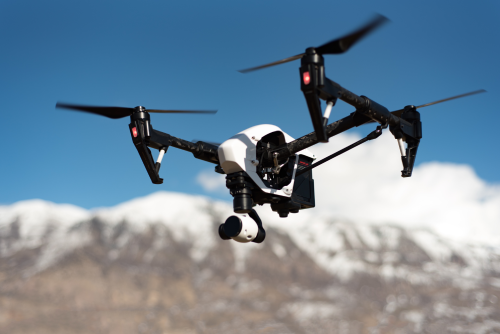
Finding the best drones under ₹5,000 in India is really about buying the right kind of beginner drone, not chasing big promises on the box. In this budget, you are mostly looking at toy-grade quadcopters that help you learn flying basics, practice indoors, and enjoy casual fun flights. If you want strong camera quality, GPS, or professional reliability, this price bracket will disappoint.
Quick Take
- The best drone under ₹5,000 for most beginners in India is usually the Syma X20 Mini.
- If you want a tougher indoor practice drone, look for a JJRC H36 or E010-style micro quad.
- For kids and supervised home use, the Syma X26 is one of the safer beginner-friendly options.
- If you have access to an open ground and want a bigger trainer, the Syma X5C or X5C-1 can still make sense if you find it within budget.
- If you specifically want a toy camera or phone preview, the Syma X5SW or X23W family is more sensible than random no-name “4K” foldable drones.
- In this segment, durability, spare parts, and battery availability matter more than camera claims.
- Before flying outdoors in India, verify the latest DGCA and Digital Sky guidance for your drone, location, and use case.
What you should realistically expect under ₹5,000
This is the most important part of the buying decision.
A drone under ₹5,000 in India is usually a starter quad, not a serious aerial camera tool. That means:
- Flight time is usually short.
- Wind handling is limited.
- Cameras, if included, are basic and often shaky.
- Most models use brushed motors, which are cheaper and wear faster than brushless motors.
- GPS, reliable return-to-home, and advanced safety systems are generally not available at this price.
That sounds negative, but these drones still have a real purpose.
They are good for:
- Learning throttle control
- Understanding orientation when the drone turns toward you
- Practicing takeoff and landing
- Getting children or first-time hobbyists interested in flying
- Indoor flying in a hall, classroom, hostel room, or living room
- Casual outdoor fun in very calm weather
They are not good for:
- YouTube travel cinematography
- Real-estate shoots
- Wedding coverage
- Mapping or surveying
- Commercial work
- Flying in strong wind or crowded public places
If you buy with those expectations, this budget can still be worth it.
Best drones under ₹5,000 in India at a glance
These are the model families and types that most often make sense for Indian buyers in this range. Availability changes quickly, and some listings come with different batteries or accessories, so always check the exact package.
| Recommendation | Usually fits this budget in India | Best for | Why it stands out | Main compromise |
|---|---|---|---|---|
| Syma X20 Mini | Commonly | Absolute beginners, indoor flying | Easy to control, compact, beginner-friendly | Too light for outdoor breeze |
| JJRC H36 or E010-style micro quad | Commonly | Crash practice, kids, hostels | Durable, guarded props, cheap fun | Very basic, no useful camera |
| Syma X26 | Often | Home use, supervised kids | Safer design, easy learning curve | Still toy-grade outdoors |
| Syma X5C / X5C-1 | Sometimes | Bigger open-area practice | Feels more like a “real” trainer, parts easier to find | Usually near the top of the budget |
| Syma X5SW / X23W family | Sometimes | Basic toy camera or phone preview | Lets you try live view and framing | Laggy feed, weak video quality |
1. Syma X20 Mini
Best overall for most beginners
If you want one sensible first buy, this is usually it.
The Syma X20 Mini has stayed popular for a reason: it is small, simple, and forgiving enough for someone who has never flown a drone before. It suits Indian buyers who live in flats, hostels, or homes without access to a large field.
Why it makes sense
- Small size keeps beginner crashes less stressful.
- It is easy to practice indoors.
- Basic beginner aids make the first few flights less frustrating.
- Branded Syma models are generally easier to understand than random marketplace clones.
For a student or hobbyist, this is a better first purchase than a flashy foldable “HD camera drone” with exaggerated claims.
Who should buy it
- First-time flyers
- Students in cities
- Kids with adult supervision
- Buyers who want to learn before spending more
What to watch out for
The X20 is not an outdoor drone in any serious sense. Even light wind on a terrace or open playground can push it around. If your plan is mostly outdoor flying, a larger model will feel less nervous.
Smart buying tip
If two listings look similar, choose the one with:
- clear seller reviews
- spare propellers included
- a proper handheld controller
- a return policy
- brand packaging rather than a generic reboxed unit
2. JJRC H36 or E010-style micro quad
Best for indoor crash practice
If your real goal is to learn flying skill, not just own a drone, a tiny crash-friendly micro quad is one of the smartest buys in this budget.
This category includes small beginner drones often sold under names like JJRC H36 or as E010-style micro quads. Branding may vary by seller, but the idea is the same: very small, very light, prop-guarded, and made for close-range practice.
Why it stands out
- It can survive beginner crashes better than larger toy drones.
- Full propeller guards reduce damage to walls, furniture, and the drone itself.
- It teaches real orientation control quickly.
- It is easier to fly in a room, hall, or classroom than a bigger drone.
These small quads are especially useful for Indian beginners who do not have a safe open field nearby.
Best for
- Apartment flying
- Learning left-right orientation
- Younger users under supervision
- Buyers who care more about skill than camera gimmicks
Downsides
- No serious camera use
- Tiny size can feel twitchy at first
- Outdoor flying is limited to very calm conditions
If you are happy to treat your first drone like a training tool, this type may actually teach you more than a larger toy camera drone.
3. Syma X26
Best for kids and safer home flying
The Syma X26 is a practical family pick. It sits between a tiny indoor micro quad and a larger open-ground trainer. For many Indian households, that balance matters more than pure speed or size.
Why it is worth considering
- Beginner-friendly handling
- A design that feels more protected than exposed-prop toy drones
- Easier confidence for first-time users
- Suitable for larger rooms, covered spaces, and calm home environments
If you are buying for a child, the X26 is usually a better idea than a larger camera drone with exposed props and aggressive marketing.
Best for
- Parents buying a first drone
- Supervised child use
- Home courtyards or calm compounds
- Beginners who want something less tiny than an X20
What to remember
A safer design does not make it a risk-free machine. Children should still use it under adult supervision, and it still should not be flown around people, pets, ceiling fans, or fragile objects.
Also, do not over-trust any “obstacle avoidance” style marketing in this price range. Beginner features can help, but they are not substitutes for careful flying.
4. Syma X5C or X5C-1
Best larger trainer if you can find it within budget
The Syma X5C family is old-school, but that is not a bad thing. It has long been one of the better-known beginner quadcopters and still makes sense when found under the ₹5,000 cap from a trustworthy seller.
Compared with palm-sized drones, it gives you a more visible and confidence-inspiring flying experience outdoors.
Why many beginners still like it
- Bigger body makes it easier to see in the air
- It feels more stable than tiny quads in light breeze
- It is a good step toward “real drone” handling
- Spare parts are usually easier to find than for obscure marketplace brands
For buyers in smaller towns or cities where after-sales support is weak, parts availability matters a lot. A known Syma model often beats a no-name foldable drone because at least you have a better chance of getting propellers, landing gear, or a battery later.
Best for
- Open grounds
- School or college hobby clubs
- Beginners who want outdoor practice
- Buyers willing to spend near the top of this budget
Main trade-offs
- It needs more space than an indoor mini drone.
- Bigger crashes can break more parts.
- Camera versions are still toy-grade and should not be the main reason to buy it.
If you want to learn figure-eights, hovering, and basic outdoor control in a ground or park-like area, the X5C class is still useful.
5. Syma X5SW or X23W family
Best if you specifically want a toy camera or phone preview
This is the pick for buyers who know they want a basic live view experience and understand the limits.
Models like the X5SW or some X23W variants give you the fun of seeing a phone feed and understanding how framing changes when you are not only watching the drone from the ground. That can be useful as a stepping stone before buying a more serious camera drone later.
Why someone might buy it
- You get a first taste of live preview.
- It can be fun for casual bright-daylight clips.
- It helps you understand the gap between toy and serious camera drones.
Important warning
Do not buy this type expecting stable, cinematic, or even reliably sharp video. In this budget:
- feed lag is common
- app experience varies
- stabilization is usually absent
- camera quality is basic
- control can become harder when you focus on the phone screen
Who should buy it
- Buyers who want a toy camera experience
- Teenagers or hobbyists experimenting with framing
- Users who already know this is for fun, not content production
If your main goal is “I want video,” this is still only a temporary compromise. For actual content creation, it is better to save more instead of forcing a ₹5,000 toy drone to do a camera drone’s job.
Features that matter more than marketing
In the Indian budget-drone market, listings often overpromise. These features matter far more than big resolution numbers.
1. Propeller guards
For beginners, prop guards are a bigger deal than most people think. They protect the drone, your furniture, and nearby people from minor contact.
2. Spare parts availability
A cheap drone becomes expensive if one broken propeller grounds it forever. Before ordering, check whether the seller also offers:
- spare propellers
- extra batteries
- landing gear
- motors, if applicable
3. A proper transmitter
Avoid listings that depend only on phone control unless you specifically know what you are buying. A basic handheld controller is usually easier and more reliable for beginners.
4. Stable beginner behaviour
Features like altitude hold can help first-time users because they reduce the amount of throttle correction needed. They are not essential, but they can make early flights less frustrating.
5. Honest camera expectations
Ignore “4K,” “6K,” or “8K” claims on ultra-cheap foldable drones unless the seller provides realistic proof and has a strong reputation. In this segment, camera marketing is often the least trustworthy part of the listing.
6. Seller reputation in India
This matters more than people expect. For low-cost drones, after-sales support is often seller-dependent. A known Indian seller with decent reviews and a return window is safer than a mystery import with flashy photos.
How to choose the right one for your needs
Use this simple process.
If you live in a flat, hostel, or dense urban area
Choose a small indoor trainer like:
- Syma X20 Mini
- JJRC H36 or E010-style micro quad
These are better for safe practice and less stressful for beginners.
If you are buying for a child
Choose something with a more protected design, such as:
- Syma X26
- a prop-guarded micro quad
And keep adult supervision mandatory.
If you have access to an open field
Look at:
- Syma X5C / X5C-1
It gives a more visible outdoor experience than tiny indoor drones.
If you want a camera
Ask yourself one honest question: do you want fun toy footage, or do you want usable video?
- For fun toy footage, X5SW or X23W-type models can be acceptable.
- For usable video, do not buy in this budget. Save more.
Safety and legal checks for Indian buyers
This matters even for cheap toy drones.
First, the legal reality
Do not assume a drone is automatically unrestricted just because it is cheap, tiny, or sold as a toy. In India, the applicable rules can depend on factors such as:
- weight category
- where you fly
- whether the use is recreational or commercial
- local restrictions and airspace
- the latest DGCA and Digital Sky guidance
Some very light drones may face fewer requirements than larger aircraft, but you should verify the latest official position before outdoor use.
Practical safety rules you should always follow
- Do not fly near airports, heliports, military areas, or sensitive government locations.
- Do not fly over crowds, traffic, rail lines, or busy roads.
- Do not fly over neighbours’ homes without permission.
- Fly only in daylight and good visibility.
- Keep the drone within your line of sight.
- Avoid wind, rain, and dusty conditions.
- If the drone has a camera, respect privacy at all times.
- Charge batteries on a safe surface and never unattended for long periods.
One more important point
Most drones under ₹5,000 are not meant for regulated professional operations. If your goal is paid work, public events, inspection jobs, or anything compliance-heavy, do not assume a toy drone will meet those needs. Verify current official requirements first and consider a higher budget.
Common mistakes buyers make
Buying the “best camera drone” under ₹5,000
Usually, there isn’t one. There are toy drones with cameras. That is different.
Falling for fake 4K claims
If a foldable drone with dramatic product photos claims premium camera specs at a very low price, treat that as marketing until proven otherwise.
Flying outdoors on the first battery
A drone that feels manageable in your room can become hard to control on a terrace or in a ground with even mild wind.
Ignoring spare batteries and propellers
For most beginners, one spare battery improves ownership more than any camera upgrade.
Choosing the cheapest random clone
Two drones may look identical in photos, but controller quality, battery quality, charger safety, and durability can differ a lot.
Handing it to kids without supervision
Even small toy drones have spinning propellers and can damage eyes, skin, or fragile objects.
FAQ
Which is the best drone under ₹5,000 in India for absolute beginners?
For most buyers, the Syma X20 Mini is the easiest recommendation. It is simple, compact, and suitable for indoor learning.
Can I get a good camera drone under ₹5,000?
Not really. You can get toy-grade camera drones, but not a genuinely good camera drone. If video quality matters, save for a higher budget.
Are drones under ₹5,000 legal to fly in India?
Price does not decide legality. You should verify the latest DGCA and Digital Sky guidance based on your drone, flying location, and intended use before flying outdoors.
Should I buy a foldable “4K HD” drone from an online marketplace?
Only with caution. In this price range, many foldable camera drones look impressive in listings but disappoint in control quality, app support, and actual video output.
Is indoor flying better for beginners?
Yes. A calm indoor space or a sheltered area is usually the easiest place to learn hovering, turns, and landing without wind interference.
How many batteries should I buy?
If possible, buy at least one extra battery from the same seller or for the same exact model. Short flight time is normal in this budget, and a spare battery makes practice more useful.
What is better: a camera drone or a durable trainer?
For first-time users, a durable trainer is usually the better buy. A stable learning experience is more valuable than a weak camera.
Can children use these drones?
Yes, but only with adult supervision. Choose prop-guarded models and fly in a safe area away from people, pets, and breakable items.
Can I use these drones for YouTube, real estate, or paid work?
No, not seriously. They are for fun and learning. If your goal is content creation or commercial use, save for a better drone and verify legal compliance.
Final takeaway
If your budget is capped at ₹5,000, buy a drone to learn flying, not to shoot impressive video. For most Indian beginners, the Syma X20 Mini is the smartest first purchase; for indoor crash practice, a JJRC H36 or E010-style micro quad is excellent; and if you have a safe open ground, the Syma X5C family is the better larger trainer. If your real goal is camera quality or professional use, the best decision is not to stretch this budget, but to save for the next level.
