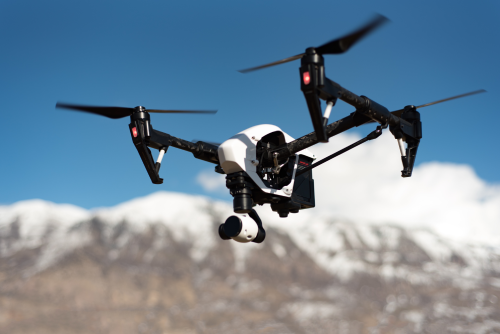
How drones are used in precision farming is now a practical question across Indian agriculture, from cotton and paddy fields to orchards and vineyards. Instead of treating every acre the same, farmers can use drone data to spot field variation early, apply inputs more carefully, and respond faster to pests, water stress, or patchy growth. Drones are not a magic fix, but they can become a powerful tool when used with good agronomy and proper compliance.
Quick Take
- Precision farming means managing different parts of a field according to their actual condition, not using one blanket approach everywhere.
- Drones help by collecting fast, field-level data through cameras and sensors, and in some cases by carrying out targeted spraying.
- The most common uses are mapping, crop scouting, plant counting, irrigation checks, pest and disease detection, nutrient management, and spraying.
- In India, drones are especially useful where labour is short, fields are hard to access, crop windows are tight, or farmers need faster scouting after rain, heat, or pest outbreaks.
- A normal camera can already reveal many problems. More advanced sensors like multispectral or thermal cameras add deeper insights, but they still need field verification.
- The best drone workflows combine aerial data, on-ground checks, and a clear action plan.
- For many small farms, hiring a service provider or using an FPO or custom-hiring model can make more sense than buying a drone outright.
- Always verify the latest DGCA, Digital Sky, NPNT, local airspace, and pesticide-use requirements before flying or spraying commercially.
What precision farming actually means
Precision farming, also called precision agriculture, is a way of managing crops based on variation within the field.
A farmer already knows that one corner of a plot may hold water longer, another may have weaker soil, and another may show pest attack first. Precision farming turns that observation into a more systematic process:
- measure the variation
- locate it accurately
- decide what action is needed
- apply the input only where required
- check if the action worked
This is where drones fit in.
A drone can fly over a field in minutes and generate a view that is very hard to get from the ground. That aerial perspective can show uneven crop growth, missing plants, drainage issues, canopy gaps, or stress patterns that are not obvious when walking row by row.
In simple terms, drones help answer three practical questions:
- What is happening in the field right now?
- Where exactly is the problem?
- What should be done next, and only where needed?
Main ways drones are used in precision farming
The table below gives a quick view of the most useful applications.
| Use case | What the drone captures or does | What decision it supports |
|---|---|---|
| Field mapping | High-resolution images and boundaries | Plot measurement, planning, record keeping |
| Crop emergence and plant count | Early-stage stand gaps and row uniformity | Re-sowing, seed quality checks, population assessment |
| Crop health monitoring | Colour patterns, vegetation indices, canopy variation | Identify weak zones for scouting or treatment |
| Irrigation and drainage checks | Wet patches, dry patches, waterlogging patterns | Improve irrigation timing and drainage corrections |
| Nutrient management | Uneven vigor patterns across the field | Soil testing and targeted nutrient application |
| Pest and disease scouting | Irregular stress spots, damaged canopy, spread patterns | Faster inspection and focused treatment |
| Precision spraying | Targeted application over a defined area | Reduce time, improve reach, treat difficult areas |
| Orchard management | Tree count, canopy size, missing trees, stress | Pruning, nutrition, irrigation, replacement planning |
| Harvest planning | Crop maturity patterns and lodged areas | Prioritise harvest and machine movement |
| Damage assessment | Flood, wind, hail, lodging, pest spread | Recovery planning, documentation, follow-up action |
Field mapping and land measurement
One of the first ways drones are used in precision farming is simple mapping.
A mapping drone captures overlapping images of the farm. Software stitches these into a detailed map, often called an orthomosaic, which is a corrected top-down image that can be measured accurately.
This helps with:
- marking field boundaries
- understanding plot shape and access routes
- planning irrigation lines and spray paths
- creating a baseline map for future comparison
- documenting land condition before and after a season
For Indian conditions, this can be useful in fragmented plots, leased land, orchards, and village clusters where plot boundaries may not be obvious from the ground.
Crop emergence and plant counting
After sowing or transplanting, drones can check whether the crop has established evenly.
This is especially useful in:
- maize
- cotton
- soybean
- vegetables
- direct-seeded paddy
- orchards with newly planted saplings
If gaps appear in certain rows or patches, the farmer can quickly decide whether to re-sow, replant, or investigate seed, moisture, or soil problems.
For orchards and plantations, drones can also count trees, identify missing plants, and track survival rates after planting.
Crop health monitoring with RGB, multispectral, and thermal cameras
This is the most talked-about use of drones in precision farming.
RGB imaging
RGB means a normal camera that captures red, green, and blue, just like a standard photo.
Even this simple camera can reveal useful clues:
- weak crop patches
- lodging
- canopy gaps
- waterlogging
- uneven growth
- weed-heavy zones
For many farmers, RGB mapping is the most practical starting point because it is easier to understand and usually more affordable than advanced sensing.
Multispectral imaging
A multispectral camera captures selected bands of light beyond normal visible colour. These extra bands can help estimate plant vigor and stress more clearly than a standard image.
You may hear terms like NDVI, which is a vegetation index created from different light bands to highlight crop vigor. These maps can be useful, but they must be interpreted carefully.
A key point: a vegetation map can show where the crop is under stress, but it usually cannot tell the exact cause by itself.
The same weak zone could be due to:
- nitrogen deficiency
- root damage
- pest attack
- standing water
- disease
- salinity
- uneven plant population
That is why drone maps should guide field scouting, not replace it.
Thermal imaging
A thermal camera measures surface temperature differences.
In agriculture, this can help identify:
- water stress
- blocked irrigation lines
- hot spots in a field
- uneven moisture conditions
- stressed trees in orchards
Thermal data can be very useful, but it is also easier to misread if flight timing, weather, or calibration is poor.
Irrigation and drainage management
Water is one of the biggest precision farming decisions in India.
Drones can help identify:
- waterlogged patches in paddy or sugarcane
- dry zones caused by poor irrigation distribution
- blocked channels
- low-lying areas where water collects
- runoff damage after rain
- uneven moisture in orchards and vegetables
In a large field, walking every section takes time. A drone can reveal patterns fast.
Example: in a banana or grape plot, a drone map may show one section consistently weaker than the rest. On ground inspection, the problem may turn out to be a damaged drip line, clogged emitters, or poor pressure at the far end of the system.
That is precision farming in action: the drone does not fix the issue, but it helps locate it quickly.
Nutrient management
Uneven crop colour is a common sign that something is wrong, but the reason is not always obvious from the ground.
Drone imagery can highlight zones where the crop is:
- less vigorous
- pale or thin
- growing unevenly
- responding differently to the same fertilizer application
This helps farmers and agronomists decide where to take soil samples or leaf samples instead of testing the whole field blindly.
In wheat, maize, cotton, or vegetables, this can support more targeted nutrient decisions. In orchards, it can reveal rows or blocks where nutrition is lagging due to irrigation, root, or soil issues.
It is important not to treat a drone map as a fertilizer prescription by itself. It should be combined with:
- crop stage
- soil test results
- irrigation status
- field history
- local agronomic advice
Pest and disease scouting
Drone scouting is valuable because many crop problems start in patches.
By the time a field looks uniformly damaged from the ground, the response window may already be smaller.
Drones can help detect:
- localized insect damage
- spread patterns from field edges
- disease hot spots
- crop lodging after stem weakness
- stressed zones that need immediate inspection
In Indian crops, this is especially relevant for:
- cotton under pest pressure
- paddy after excess moisture and disease-prone conditions
- chilli and vegetables with patchy disease spread
- orchards where individual trees or rows begin to decline
Again, the drone can point to the problem area, but an on-ground agronomy check is needed to confirm whether it is a pest, disease, nutrient issue, or water issue.
Precision spraying
Spraying drones are the most visible agricultural drones today, but precision spraying is only one part of precision farming.
Used properly, spraying drones can help in:
- time-sensitive pesticide or foliar applications
- hard-to-reach or muddy fields
- tall crops or dense canopies
- orchard and plantation blocks
- spot treatment of affected patches
- reducing worker exposure in certain situations
Their real advantage is not just that they fly. It is that they can apply over a defined area quickly when timing matters.
For example:
- after rain, when a tractor or labour cannot easily enter a field
- when pest attack appears in one section first
- when standing crops would be damaged by ground entry
- when a large area needs a fast, uniform spray window
But spraying drones are not automatically better in every situation. Coverage quality depends on droplet size, flight height, speed, nozzle setup, weather, crop canopy, and product suitability. A poor spray mission can waste chemical and deliver weak control.
Orchard and plantation management
Orchards, vineyards, tea areas, and similar crops are a strong fit for drones because canopy structure matters.
Drones can support:
- tree counting
- canopy size comparison
- missing tree identification
- irrigation stress detection
- block-wise nutrition planning
- disease scouting
- targeted spraying
In orchards, problems often appear tree by tree or row by row. Aerial scouting makes this easier to see than broad field crops where the canopy may look more uniform.
Yield estimation and harvest planning
Drones can also help estimate crop condition close to harvest.
They can show:
- lodged areas
- maturity variation
- inaccessible sections
- harvest sequence priorities
- machine entry planning
This is not a perfect yield prediction tool on its own, but it is useful for planning labour, machinery movement, and harvest order.
Damage assessment after weather events
After flood, heavy rain, wind, heat stress, or localised pest attack, drones can document the spread and severity of damage quickly.
That helps with:
- deciding which areas are recoverable
- prioritising salvage action
- comparing affected and unaffected blocks
- creating visual records for farm management
For large holdings, contract farming operations, and agri-service businesses, this speed can be very valuable.
A practical drone workflow for precision farming
The best results come from using drones as part of a repeatable farm workflow.
Step 1: Start with one real farm problem
Do not begin with the drone. Begin with the decision you need to improve.
Examples:
- Where is irrigation uneven?
- Which plots need re-sowing?
- Where did pest pressure start?
- Which orchard rows are underperforming?
- Can spraying be done faster and with less crop damage?
Step 2: Choose the right drone task
Different problems need different tools.
- Mapping: standard RGB camera may be enough
- Crop health comparison: RGB or multispectral
- Water stress: thermal may help
- Application work: spraying drone
Many farms do not need advanced sensors on day one.
Step 3: Fly at the right time
Timing matters.
For mapping and crop monitoring, consistent light and stable weather improve image quality. For thermal analysis, time of day can strongly affect results. For spraying, wind, temperature, and humidity matter for drift and deposition.
Step 4: Turn images into useful maps
A folder of drone photos is not precision farming yet.
The images need to be processed into maps that show patterns clearly and can be compared with field locations.
Step 5: Ground-truth the findings
Ground-truth means checking on the ground whether the map is telling the truth.
If the drone shows a weak patch, someone should inspect that exact area and confirm the cause.
This is one of the most important steps, because many different issues can look similar from the air.
Step 6: Act only where needed
Once the problem is confirmed, action can be targeted:
- repair irrigation in one zone
- scout and treat pest hot spots
- replant missing sections
- focus fertilizer where deficiency is real
- spray only affected blocks if appropriate
Step 7: Recheck after action
A follow-up flight can show whether the intervention worked.
Without this step, it is hard to know whether the drone actually improved outcomes or just created attractive maps.
Why drones matter in the Indian farming context
India is a strong use case for agricultural drones, but for practical reasons rather than hype.
Small plots and fragmented holdings
Many farms are too small to justify owning a sophisticated drone individually, but they can still benefit from drone services through:
- village-level operators
- agri startups
- FPOs
- custom hiring
- cooperative models
This service approach often makes more sense than direct ownership.
Tight crop windows
Spraying, scouting, and post-rain inspection are often time-sensitive. Drones help when action must happen quickly and ground access is poor.
Labour constraints
In some regions, skilled labour for timely field operations is limited or expensive during peak windows. Drones can reduce dependence on manual scouting and help speed up spraying operations.
Difficult terrain and standing crops
Waterlogged paddy, tall sugarcane, orchard blocks, hilly areas, and fields that are hard to enter can benefit from aerial access.
Better records for agri-business operations
Seed companies, input firms, larger growers, and contract farming setups can use drones for more consistent field records and block-wise monitoring.
Safety, legal, and compliance points you should not ignore
Agricultural drone use is not just about technology. It also involves aviation safety, chemical handling, and local responsibility.
Before flying or spraying in India, verify the latest official requirements rather than relying on old social media posts or outdated videos.
Aviation compliance
Check the current status of:
- DGCA rules for the drone category you plan to use
- pilot training or certification requirements
- airspace permissions and restrictions
- Digital Sky procedures
- NPNT-related compliance where applicable
- local restrictions around airports, defence areas, or sensitive locations
Rules can change, and operational requirements may differ based on drone type, purpose, and location.
Spraying compliance
For spraying operations, also verify:
- whether the product is suitable and permitted for the intended application method
- correct dosage, dilution, and label instructions
- state-level or local agriculture department guidance
- any operational conditions attached to aerial application
- record-keeping requirements if applicable
Do not let a drone operator guess the chemical side of the job. Agronomy and label compliance matter as much as flight skill.
Field safety
Whether you are scouting or spraying, basic safety is essential:
- keep people, children, livestock, and vehicles clear of the operation area
- watch for power lines, trees, wires, poles, and towers
- avoid unsafe wind and poor weather
- use proper protective equipment when handling chemicals
- set up a safe take-off and landing zone
- manage batteries carefully during charging, transport, and storage
- respect neighbouring land and privacy
If spraying is involved, drift control is critical. A drone should not be operated in a way that carries chemicals toward houses, roads, water sources, workers, or adjacent crops.
Common mistakes farmers and operators make
Treating the drone like the solution
A drone is a tool, not the agronomy itself. The value comes from the decision you make after the flight.
Buying before defining the use case
Some users buy a drone first and then search for a purpose. Start with the problem, not the gadget.
Believing every stress map is self-explanatory
A red or yellow patch on a map is not a diagnosis. Always verify on the ground.
Flying at the wrong time
Poor light, strong wind, or bad thermal timing can lead to misleading data and weak spray performance.
Using drone data only once
Precision farming works best when you compare maps over time, not through a single one-off flight.
Ignoring calibration and maintenance
Bad batteries, poorly calibrated sensors, worn nozzles, and inconsistent flight settings can ruin otherwise useful work.
Forgetting economics
For many users, the smarter move is to hire a reliable service provider rather than owning a drone that sits idle outside peak season.
FAQ
Do small farmers need to buy a drone to benefit from precision farming?
No. In many cases, hiring a service provider or using a shared model through an FPO, cooperative, or local agri-service business is more practical than ownership.
Can a normal camera drone help, or is a multispectral camera necessary?
A normal RGB camera can already help with mapping, stand gaps, canopy issues, waterlogging, lodging, and visible stress. Multispectral adds more analytical value, but it is not always the right first step.
Are spraying drones always better than tractor or manual spraying?
Not always. They are especially useful when fields are hard to access, crops are tall, timing is urgent, or entry would damage the crop. But spray quality depends heavily on setup, weather, and operator skill.
Which crops in India benefit most from agricultural drones?
Common use cases exist in cotton, paddy, wheat, maize, sugarcane, vegetables, banana, grapes, orchards, and plantations. The exact value depends on crop stage, field size, terrain, and the problem being solved.
How often should a field be surveyed by drone?
It depends on the crop and purpose. Some farms may benefit from flights at key stages such as emergence, vegetative growth, pre-flowering, stress events, and pre-harvest. High-value crops may justify more frequent monitoring.
Can drone maps replace agronomists or field scouts?
No. Drone maps are best used to guide faster and smarter field inspection. They improve scouting efficiency, but they do not replace diagnosis by someone who understands the crop.
What is the biggest mistake in interpreting drone crop maps?
Assuming that a weak zone automatically means nutrient deficiency. The same pattern could be caused by water stress, disease, pests, poor emergence, salinity, or root damage.
Is drone spraying legal everywhere in India?
Do not assume so. You need to verify the latest DGCA and local operational requirements, along with current guidance on agricultural chemical use, airspace permissions, and operator eligibility before conducting commercial spraying.
Can drones help with insurance or damage documentation?
They can support documentation by showing the extent and location of damage, but whether that evidence is accepted for any official purpose depends on the relevant institution or scheme. Always verify current requirements.
Final takeaway
If you want to understand how drones are used in precision farming, think beyond aerial photos and spraying demos. Their real value is simple: they help farmers spot variation faster, act more precisely, and check results with less guesswork. For most Indian users, the smartest next step is to pick one real problem on the farm, test a reliable drone service on a limited area, and judge success by the quality of decisions it improves.
