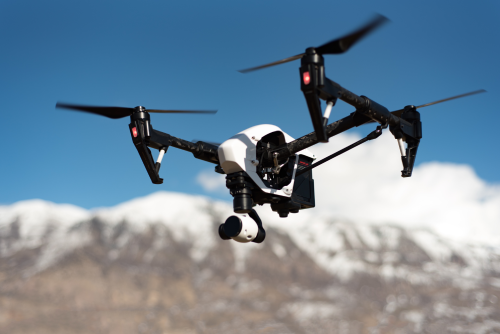
Drones are used in power line inspection to check towers, conductors, insulators, fittings, and nearby vegetation faster and more safely than many traditional methods. In India, they are especially useful across long transmission corridors, hilly terrain, dense vegetation, and post-monsoon fault searches.
The big advantage is not just getting airborne. It is getting clear, repeatable visual and sensor data that helps utilities decide what needs urgent repair, what can be monitored, and where crews should go first.
Quick Take
- Power line inspection drones are used for routine patrols, close-up defect checks, thermal hotspot detection, vegetation monitoring, and post-storm damage assessment.
- They help reduce tower climbing, speed up surveys, and create a visual record that maintenance teams can review later.
- Common drone payloads include standard cameras, zoom cameras, thermal cameras, and sometimes LiDAR, which uses laser pulses to measure distance and create accurate 3D corridor models.
- Drones do not fully replace linemen, shutdown planning, or electrical testing. They are best seen as a faster inspection and documentation tool.
- In India, any operation around power infrastructure should be handled with proper authorization, trained crews, and current compliance checks. Always verify the latest DGCA and Digital Sky requirements before flying.
Why utilities use drones for power line inspection
Power lines are difficult assets to inspect.
They run for long distances, often through fields, forests, hills, river crossings, industrial zones, and crowded urban edges. Traditional inspection methods usually involve one or more of these:
- Foot patrol along the line corridor
- Tower climbing
- Bucket trucks
- Vehicle-based patrol where road access exists
- In some cases, helicopter inspection for large networks
These methods still matter, but each has limitations.
Foot patrol is slow. Tower climbing exposes crews to height-related risk. Road access is often poor. Helicopters are expensive and not practical for many routine jobs. And after a storm or fault, utilities need answers quickly.
That is where drones fit well.
A properly planned drone mission can help teams:
- See damage without sending people up every structure
- Cover difficult terrain faster
- Inspect specific components with zoom imagery
- Compare current condition with previous inspections
- Create a report that is easier to act on than handwritten notes alone
For Indian conditions, this is especially relevant during:
- Pre-monsoon vegetation checks
- Post-storm or post-cyclone patrols
- Inspections in hilly or forested areas
- Thermal stress periods during very hot months
- Long transmission corridors where access is uneven
What a drone team actually inspects
Power line inspection is not just about filming the wire from a distance.
A serious inspection looks at multiple parts of the asset system.
Line components commonly checked
- Conductors: the main wires carrying power
- Insulators: components that isolate the live conductor from the tower or pole
- Clamps and connectors: joints, compression fittings, and attachment points
- Jumpers: cable loops used to connect sections around towers or equipment
- Spacers and dampers: hardware used to control conductor movement and vibration
- Earth wire or shield wire: top wire used for lightning protection
- Towers or poles: steel structure condition, corrosion, missing parts, deformation
- Cross-arms and brackets: support members holding line hardware
- Signs of arcing or burn marks: evidence of electrical stress or contact issues
- Vegetation intrusion: trees and branches approaching the safety corridor
- Encroachment: construction, dumping, or activity too close to the line
- Storm damage: fallen trees, broken fittings, debris, or leaning structures
Typical defects drones can help identify
- Cracked or chipped insulators
- Loose fittings
- Broken strands or damaged conductor sections
- Missing split pins or fasteners
- Corrosion on tower members and bolts
- Heat anomalies at joints or connectors
- Bird nests or contamination on structures
- Excessive vegetation growth in the line corridor
- Physical damage after wind, rain, or lightning events
Not every defect is visible from the ground. A zoom camera from a safe standoff distance can reveal issues that would otherwise require a climb.
How drones are used in power line inspection
How drones are used in power line inspection depends on the job. In practice, utilities and inspection teams use different workflows for different types of problems.
Routine corridor patrol
This is the most basic use.
The drone flies along or across a defined section of the corridor and captures images or video of towers, line hardware, and surrounding vegetation. The goal is to identify obvious defects, access problems, or hazards before they become failures.
Routine patrol is useful for:
- Periodic asset checks
- Priority line sections with known history
- Areas that are hard to reach by road
- Rapid visual condition assessment after bad weather
A routine patrol usually prioritizes speed and coverage over deep component analysis.
Close-up defect inspection
This is more targeted.
If a utility suspects a problem on a specific tower, span, or fitting, the drone is used to collect high-resolution close-up images. Instead of scanning a long corridor quickly, the crew focuses on detail.
This is useful for:
- Suspected insulator damage
- Damaged jumper connections
- Corrosion on tower parts
- Hardware looseness
- Verifying a defect reported from the ground
A good zoom camera is often more important here than pure flying speed. In many cases, the safest approach is to stay farther away and use optical zoom rather than fly too close to energized hardware.
Thermal inspection for hotspots
Thermal cameras detect heat patterns.
In power line inspection, they are often used to find abnormal heating on connectors, clamps, and joints. A hotspot can indicate a loose connection, high resistance, overload condition, or developing defect.
Thermal inspection is useful for:
- Identifying abnormal heating before failure
- Comparing similar components for temperature differences
- Prioritizing maintenance based on severity
- Checking repairs after corrective work, where appropriate
Thermal imagery needs careful interpretation.
A hot component is not automatically a failed component. Load, sunlight, wind, time of day, surface material, and camera settings all affect the reading. That is why thermal data is best reviewed by trained personnel, often together with visible-light images.
Vegetation and right-of-way survey
The right-of-way is the cleared corridor around the line.
Vegetation management is one of the most practical drone applications in power line work, especially in India where growth can become aggressive after rain. Drones help detect trees or branches that are too close to conductors or are likely to become a problem before the next maintenance cycle.
This use case is valuable for:
- Pre-monsoon planning
- Forest-edge corridors
- Rural feeders
- Lines near plantations or seasonal growth areas
- Checking whether earlier trimming was sufficient
With a regular camera, crews can flag problem areas visually. With LiDAR or detailed mapping workflows, teams can estimate distances and clearances much more accurately.
3D mapping, sag, and clearance analysis
For more advanced inspection programs, drones can be used to build a 3D model of the corridor.
This is done using photogrammetry or LiDAR. Photogrammetry creates 3D models from overlapping images. LiDAR creates a 3D point cloud using laser pulses and is often more reliable where vegetation is dense.
These methods help with:
- Measuring vegetation proximity
- Understanding terrain changes
- Documenting line corridor condition
- Clearance analysis
- Planning future maintenance access
- Monitoring line sag trends in some workflows
This is usually more data-heavy and more specialized than a normal visual inspection, but it can be extremely useful for long-term asset management.
Post-fault and post-storm response
This is one of the clearest real-world benefits.
After strong wind, rain, flooding, or a transmission trip, utilities need to know where the fault is and how bad the damage is. Sending teams blindly along many kilometres of line wastes time.
A drone can help crews:
- Search for fallen trees on the line
- Find damaged insulator strings
- Detect collapsed or leaning structures
- Assess access conditions
- Document damage before repair begins
In hilly or waterlogged areas, the time savings can be significant.
Support for maintenance planning
Drones are also used before maintenance teams arrive.
Instead of sending a crew with broad instructions like “check that stretch of line,” the drone report can identify:
- Exact tower number or span
- Nature of the defect
- Side of the structure affected
- Severity level
- What tools or parts the crew may need
That improves planning and reduces unnecessary site visits.
The main sensors used in power line inspection
Not every inspection needs an expensive payload. The right sensor depends on the inspection question.
| Sensor type | Best used for | Strengths | Limits |
|---|---|---|---|
| Standard RGB camera | General visual patrol, documentation | Simple, versatile, good for obvious damage and corridor overview | May miss small defects from a distance |
| Zoom camera | Detailed component inspection | Lets crew inspect hardware while keeping safer distance | Good results depend on stable flight and clear line of sight |
| Thermal camera | Hotspot detection at joints, connectors, equipment surfaces | Helps flag abnormal heating before visible failure | Needs careful interpretation; weather and loading matter |
| LiDAR | Vegetation clearance, accurate corridor modelling, 3D measurement | Works well for mapping structure and vegetation geometry | More expensive and data-heavy |
| UV or corona camera | Specialized high-voltage discharge inspection | Can help detect corona-related issues in some cases | Niche use, specialized crews and workflows |
In many practical jobs, a visible-light zoom camera does most of the work. Thermal and LiDAR become more valuable when the inspection program is more advanced or the asset risk is higher.
A typical drone inspection workflow
A power line inspection mission is not just “take off and record.”
The useful part is the workflow around the flight.
1. Define the inspection objective
Before the drone is unpacked, the team should know:
- Which line section is being inspected
- Whether it is transmission or distribution
- What fault or risk is suspected
- Whether the line is energized
- What output the client expects
A general patrol, a hotspot survey, and a vegetation model are very different missions.
2. Confirm permissions and compliance
The team then checks:
- Site authorization from the asset owner or utility
- Airspace status and current regulatory requirements
- Whether the operation location has extra restrictions
- Any security or site access requirements
- Crew roles and responsibility
For Indian operators, this is where current DGCA and Digital Sky checks matter. Requirements can change, and infrastructure inspection work should never be treated casually.
3. Perform site risk assessment
A field risk assessment usually considers:
- Nearby roads, people, and buildings
- Wind and weather
- Obstacles such as trees, masts, and telecom lines
- Take-off and landing area
- Emergency procedures
- Communication plan between pilot, observer, and utility representative
Power corridors can look open from afar but still have tricky obstacles.
4. Select the right drone and payload
A compact drone may work for a short visual job on accessible structures.
A larger enterprise platform may be better for:
- Stable zoom work
- Thermal payloads
- Longer endurance
- Better wind handling
- Better geotagging and reporting workflows
The drone choice should follow the job, not the other way around.
5. Fly sector by sector
Most good inspections are done methodically, not randomly.
The crew may inspect:
- Tower by tower
- Span by span
- One side of the structure, then the other
- Top-down or bottom-up depending on defect priority
For detail work, the pilot often pauses on each component group and captures stills, not just video.
6. Review data on site
This step is often skipped, and that is a mistake.
Before leaving, the team should check:
- Are all critical components visible?
- Are tower numbers or location references clear?
- Are photos sharp enough to diagnose defects?
- Has the thermal data been captured correctly?
- Is anything missing that would require a repeat visit?
A five-minute review on site can save a full return trip later.
7. Analyse and classify defects
Back in the office, images are reviewed and tagged.
A mature workflow usually classifies findings into something like:
- Critical: immediate action
- Priority: repair soon
- Monitor: observe in next cycle
- No action: normal condition
Some teams use software or AI-assisted tools to help sort images, but human review is still important, especially for safety-critical findings.
8. Turn inspection data into a maintenance report
The output should be useful to maintenance crews, not just interesting to look at.
A good report may include:
- Asset location
- Tower or span reference
- Annotated images
- Defect description
- Severity
- Recommended action
- Supporting thermal or measurement data if relevant
That is where drone inspection creates real value: when field data becomes a clear maintenance decision.
Practical examples from Indian conditions
Example 1: Hilly transmission corridor
A transmission line crosses uneven terrain where road access is poor. After heavy rain and strong wind, the utility needs to check whether a fault came from tower damage or vegetation contact.
A drone team can quickly inspect selected towers and spans, identify fallen branches near the line, and flag any damaged fittings before climbing crews are sent.
Example 2: Pre-monsoon vegetation review
A utility wants to reduce rainy-season line trips on a rural corridor with fast-growing vegetation.
A drone survey helps identify sections where the clearance margin is shrinking, so trimming teams can be sent to the right locations instead of covering the whole route blindly.
Example 3: Urban edge distribution inspection
A feeder line near a crowded area has repeated complaints and suspected hardware issues.
Instead of placing personnel immediately on poles near traffic, a drone with zoom capability may help identify visible insulator damage or loose hardware first. In dense urban areas, this must be planned carefully because of obstacles, people, and tighter operating conditions.
Benefits of using drones for power line inspection
Safety benefits
- Less tower climbing for initial inspection
- Fewer unnecessary visits to difficult or dangerous locations
- Better view of elevated components from the ground
- Faster post-event assessment before crews enter hazardous zones
Operational benefits
- Quicker patrol of selected sections
- Better documentation than verbal or handwritten observations alone
- Easier comparison over time
- Faster fault localization in some scenarios
- More targeted maintenance dispatch
Business and asset management benefits
- Better recordkeeping
- Defect history for each structure
- Prioritized maintenance instead of blanket inspection
- Useful evidence for contractor review and repair verification
Limits of drones in power line inspection
Drones are powerful, but they are not magic.
They have clear limits:
- They cannot physically tighten, test, or repair anything
- Some defects are internal and not visible externally
- Thermal interpretation can be misleading if poorly executed
- Dense urban environments can be difficult and risky
- Wind, rain, glare, and harsh light reduce data quality
- Very long corridors may require multiple setups and careful logistics
- Some operations may need permissions or operating conditions beyond routine visual line-of-sight workflows
Most importantly, drone inspection does not remove the need for experienced utility engineers and maintenance teams. It improves their visibility and decision-making.
Safety, legal, and compliance considerations in India
Power line inspection should not be treated like casual aerial photography.
Operational safety
- Do not fly close to energized conductors just to get dramatic footage.
- Use optical zoom where possible instead of aggressive close approaches.
- Keep a trained visual observer when the situation demands it.
- Have a clear emergency landing plan.
- Be cautious around wind gusts, birds, narrow corridors, and nearby structures.
- Do not rely blindly on automation near complex infrastructure.
Whether a line remains energized during inspection is a decision for the utility and its safety procedures, not something a drone operator should assume.
Legal and compliance checks
If you plan to inspect power assets in India, verify the latest official requirements before every project, including:
- DGCA drone operation rules
- Digital Sky airspace and permission workflow, where applicable
- Pilot qualification and operational category requirements
- Drone model compliance requirements applicable to your mission
- Client or utility-specific site approvals
- Any local administration, police, or security coordination required for the project location
Do not assume that being on utility land automatically means airspace clearance is not needed.
Data security and privacy
Power infrastructure can be sensitive.
Teams should have a clear policy for:
- Who can access the imagery
- Where the data is stored
- Whether critical asset visuals can be shared externally
- How long records are retained
For independent drone operators and small businesses, this matters as much as flying skill.
Common mistakes in power line drone inspection
Flying too close to the line
This is one of the biggest errors.
A safer workflow is often to maintain a deliberate standoff and use zoom. Getting too close increases risk without always improving diagnosis.
Treating video as enough
Long video clips are useful, but still images of specific components are often better for defect review and reporting.
Using the wrong sensor
A standard camera may be fine for visible damage, but it will not replace a thermal survey or a corridor measurement job. Match the payload to the inspection goal.
Skipping on-site data review
Many teams discover later that the key fitting was out of focus or not captured at all. Check the files before leaving.
Ignoring lighting and weather
Harsh midday glare, rain, fog, or high wind can reduce image quality badly. Thermal work is especially sensitive to conditions and method.
No defect classification system
If every finding is dumped into one folder, the client gets noise instead of insight. A simple severity framework makes reports much more useful.
Underestimating urban distribution lines
Lower-voltage distribution networks may seem easier than transmission lines, but dense wires, poles, traffic, buildings, and people can make them operationally more difficult.
Sending a drone pilot without utility context
A good pilot alone is not enough. Power asset inspections work best when the crew includes or consults someone who understands what defects matter.
FAQ
Can a normal camera drone inspect power lines?
For basic visual checks, yes, but not every consumer drone is suitable. Power line work usually benefits from stable flight, strong zoom, better safety procedures, and more reliable data handling than casual drones provide.
Do drones replace tower climbing completely?
No. Drones reduce unnecessary climbing and help prioritize work, but some inspections, testing, and repairs still require crews on the structure or other maintenance methods.
Can drones inspect live power lines?
They can be used around energized lines in approved professional workflows, but this is specialist work. The utility’s safety rules, the drone team’s SOPs, and current compliance requirements all matter. It is not a beginner task.
What defects are easiest for drones to find?
Visible issues such as cracked insulators, corrosion, missing hardware, storm damage, vegetation encroachment, and some connector or fitting problems are commonly identified. Thermal drones can also help detect heat anomalies.
Is thermal imaging always necessary?
No. It is useful when the inspection goal includes hotspot detection, but many jobs are solved with good visible-light imagery. Thermal adds value when the defect type justifies it and the crew knows how to interpret the results.
Is LiDAR required for vegetation inspection?
Not always. For simple identification of problem trees, regular visual imagery may be enough. LiDAR becomes more valuable when precise clearance measurement and 3D corridor modelling are needed.
How often should power lines be inspected with drones?
There is no single frequency that fits all networks. It depends on asset criticality, terrain, weather exposure, vegetation growth, fault history, and the utility’s maintenance policy. The asset owner should define the schedule.
Can hobbyists offer power line inspection as a service?
Not casually. This is professional infrastructure work involving safety, compliance, site authorization, data security, and often specialized reporting. Anyone serious about offering it should build proper training, SOPs, insurance, and utility-ready workflows first.
What is more useful for line inspection: video or photos?
Usually both, but annotated still images are often more useful for maintenance decisions. Video helps with context and corridor review, while photos make defect reporting clearer.
Can drones inspect distribution poles in cities as easily as transmission towers in open areas?
Often no. Urban distribution work may be more complex because of traffic, nearby people, narrow spaces, telecom cables, trees, and buildings. The flight plan and risk controls usually need to be tighter.
Final takeaway
Power line inspection is one of the most practical industrial uses of drones. The technology works best when the mission is clear, the sensor matches the problem, and the flight is backed by proper safety, reporting, and utility coordination.
If you are evaluating this use case, the next step is simple: start with the inspection problem you need to solve, then build the drone workflow around that, not around the drone alone.
