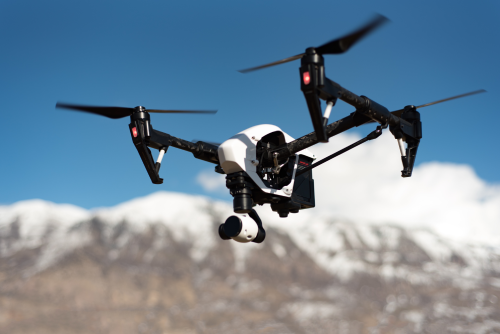
If you want cleaner footage, fewer wasted batteries, and a calmer flying day, learn how to create a drone shot list before flying. A simple shot list turns random flying into a planned shoot, whether you are filming a travel reel, a property, a farm, or a college project. For Indian drone users especially, planning on the ground also helps you stay safer, more efficient, and more mindful of location rules.
Quick Take
- A drone shot list is a written plan of the shots you want before takeoff.
- It helps you save battery, reduce stress, and avoid forgetting key angles.
- Start with the purpose of the shoot, not the drone movement.
- Prioritise must-have shots first because wind, light, and battery can change quickly.
- Add practical notes: framing, movement, altitude range, direction of travel, clip length, and safety concerns.
- In India, always verify the latest official airspace and operating requirements before flying. Also check local restrictions, privacy concerns, and site permissions.
- The best shot list is short, clear, and tied to the final video you want to deliver.
What a drone shot list actually is
A drone shot list is a simple document that answers one question: what exactly do I need to capture today?
It is not a script full of film-school jargon. It can be as basic as a note on your phone, a printed checklist, or a spreadsheet.
A good drone shot list usually includes:
- Shot name
- Purpose of the shot
- Framing
- Drone movement
- Camera direction
- Estimated clip length
- Priority
- Safety or location notes
Think of it as a bridge between your idea and your flight.
Without a shot list, many pilots do the same thing: launch, fly around, collect nice-looking footage, and later realise nothing cuts together well. You may have ten dramatic moves but no clean opening shot, no transition shot, and no safe repeatable plan.
Why a shot list matters more for drones than ground cameras
Drone time is limited.
You are working with:
- Battery life
- Wind
- Changing sunlight
- Airspace limits
- Crowd movement
- Signal quality
- Takeoff and landing constraints
A handheld camera can keep rolling while you figure things out. A drone cannot. Every extra minute in the air costs battery and increases risk.
That is why shot planning is so important for drone photography and videography. The more you decide before takeoff, the better your footage usually becomes.
Start with the final output, not the drone
Before you write any shots, ask these questions:
What are you creating?
Different outputs need different shots.
- Instagram reel or YouTube Short: fast, visually striking, usually vertical or adaptable to vertical
- YouTube travel video: wider coverage, more context, smoother pacing
- Real estate video: slow, stable, descriptive shots
- Wedding teaser: emotional reveals, venue geography, gentle movement
- Survey or documentation: clear, repeatable, less cinematic, more informative
Who is it for?
A creator shooting for social media may want punchy reveals and orbit shots.
A business owner may need clean, trust-building visuals of a factory, hotel, or farmland.
A student doing a documentary may need establishing shots and location context more than flashy movement.
What is the one thing this video must communicate?
Try filling this sentence:
“This video should make the viewer understand that…”
Examples:
- “…this homestay sits in a quiet hill location.”
- “…this resort has a large pool and open landscape.”
- “…this temple town looks most beautiful at sunrise.”
- “…this farm has clear crop rows and irrigation layout.”
That single sentence helps you choose better shots.
Understand the three levels of shot priority
One of the smartest ways to create a drone shot list before flying is to rank shots by importance.
A-priority: Must-have shots
If you come back with only these, the project still works.
Examples:
- Wide establishing shot of the property
- Straight-on front reveal
- Top-down shot of the field boundary
- Slow pull-back of the venue at sunset
B-priority: Good-to-have shots
These improve the edit but are not essential.
Examples:
- Side tracking pass
- Orbit around a tree or fountain
- Low-altitude approach over a path
C-priority: Bonus shots
Take these only if battery, light, and safety allow.
Examples:
- High dramatic pull-away
- Detailed rotation over a roofline
- Experimental moves for transitions
This priority system is especially useful in Indian conditions where weather can change fast, crowds can gather unexpectedly, and your planned launch spot may become unusable.
Scout before you list shots
A shot list written without location awareness often fails in the field.
What to check during scouting
If possible, visit the location before shoot day. If not, study maps, photos, and previous videos.
Check:
- Safe launch and landing area
- Trees, poles, wires, towers, and buildings
- Water bodies
- Bird activity
- Crowd movement
- Road traffic
- Direction of sunrise and sunset
- Wind exposure
- Potential signal interference
- Places where privacy could be an issue
In India, also think about local context
Some places may have extra sensitivity even if they look easy to shoot.
Be especially careful around:
- Airports and airfields
- Military or sensitive installations
- Government buildings
- Heritage or protected sites
- Densely crowded urban areas
- Religious sites during busy hours
- Wildlife zones or bird-heavy areas
Before flying, verify the latest official requirements that apply to your drone, your location, and the type of operation. If local permissions are needed for the site, event, or property, get them in advance.
The core building blocks of a drone shot list
Here is a practical format that works for most beginners and professionals.
| Field | What to write |
|---|---|
| Shot No. | 1, 2, 3, 4… |
| Priority | A, B, or C |
| Shot name | “Front reveal”, “Top-down”, “Pull-back exit” |
| Purpose | Establish location, show scale, show approach road, etc. |
| Framing | Wide, medium, top-down, subject centred, off-centre |
| Movement | Static hover, push-in, pull-back, orbit, rise, descend, track left/right |
| Camera direction | Facing north, toward sunrise, toward entrance, etc. |
| Altitude range | Low, medium, high, or a safe planned range |
| Clip length | 6 sec, 10 sec, 15 sec |
| Orientation | Horizontal or vertical deliverable |
| Safety notes | Watch wires, avoid crowd, birds active, narrow landing zone |
| Battery plan | Battery 1, 2, or 3 |
If you want to keep it even simpler, use just six fields:
- Shot
- Why
- How
- Where
- Priority
- Safety note
Step by step: How to create a drone shot list before flying
1. Define the story in one line
Write one sentence that describes the final message of the shoot.
For example:
- “Show this café as a calm rooftop spot in a busy city.”
- “Show this college campus as large, green, and active.”
- “Show the wedding venue layout before guests arrive.”
This stops you from collecting random footage.
2. Break the video into shot roles
Most drone edits need different kinds of shots, not just different movements.
Use these shot roles:
Establishing shot
Shows where we are.
Example: a wide high-angle view of a resort by a lake.
Reveal shot
Hides the subject at first, then shows it.
Example: rise from behind trees to reveal a fort.
Approach or push-in shot
Moves toward the subject.
Example: slow move toward the front gate of a farmhouse.
Pull-back shot
Moves away from the subject.
Example: pull back from a wedding mandap to show the entire venue.
Top-down shot
Camera points straight down.
Example: crop patterns, roads, courtyards, swimming pools, rooftops.
Tracking shot
Follows a path or subject.
Example: moving parallel to a beach road or river edge.
Orbit shot
Drone circles the subject while keeping it framed.
Example: a statue, pavilion, lighthouse, or standalone tree.
Closing shot
Ends the sequence with a clear final image.
Example: drone rising as the sun sets behind the landscape.
Once you know these roles, your shot list becomes balanced.
3. Match each shot to the edit length
A 20-second reel does not need 20 aerial moves.
As a rough planning idea:
- 15 to 30 second reel: 5 to 8 strong shots
- 45 to 60 second promo: 8 to 12 shots
- 2 to 3 minute video: 12 to 20 shots
- Real estate or documentary: depends on layout and information needs
Beginners often overshoot. It is usually better to have 8 usable clips than 40 average ones.
4. Choose movement based on the subject
Do not choose a movement because it looks cool. Choose it because it explains the subject.
Good movement choices by subject
- Property exterior: slow push-in, pull-back, slight rise
- Landscape: reveal, top-down, lateral track, slow yaw
- Event venue: establishing wide, gentle orbit, pull-back
- Road or river: tracking shot
- Monument or isolated object: orbit, rise-reveal
- Farm or plantation: top-down, diagonal track, boundary pull-back
A “yaw” is the drone rotating left or right while staying mostly in place. Use it gently. Too much yaw looks amateur very quickly.
5. Write the framing clearly
Vague notes like “nice cinematic shot” are not useful.
Better framing notes:
- Wide shot with building centred
- Top-down with pool in frame
- Road entering from bottom-left
- Temple tower framed against sunrise
- Subject on right third with negative space on left
If the final deliverable is vertical, note that in the shot list. Many drone shots look good in widescreen but become awkward when cropped for reels.
6. Note your camera intention
You do not need advanced cinema settings in the shot list, but you should note any setting that affects how you shoot.
Useful notes include:
- Horizontal or vertical delivery
- Need smooth motion for slow edit
- Need faster movement for action reel
- Capture extra handles before and after movement
- Lock exposure if light is changing rapidly
- Avoid auto white balance shifts if possible
If you use filters, write that down before flying so you are not changing plans in the air.
7. Plan the order by light, weather, and crowd
The best shot sequence on paper may not be the best shoot sequence in real life.
For example:
- Early morning: wide clean shots before people arrive
- Golden hour: hero shots and reveals
- Midday: top-down shots, documentation shots, utility footage
- Low wind window: longer smooth moves
- Before an event starts: venue empties and layout shots
- After crowd builds: avoid risky low passes
In many Indian locations, once people notice the drone, curious onlookers gather quickly. That can affect safety, privacy, and your landing area. Plan critical shots first.
8. Assign shots to batteries
This is one of the best habits you can build.
Example:
Battery 1
- Establishing wide
- Front reveal
- Top-down layout
Battery 2
- Orbit
- Tracking road approach
- Pool or garden details
Battery 3
- Sunset closing
- Bonus experimental shots
Now you know what to sacrifice if battery drains faster than expected.
9. Add safety and compliance notes to each shot
A shot list is not just a creative tool. It is also a safety tool.
Examples:
- “Do not descend below tree line; hidden wires possible.”
- “Avoid low pass near guests.”
- “Bird activity near lake after 7 am.”
- “Launch only from cleared terrace.”
- “Need property owner approval before takeoff.”
- “Verify airspace status before shoot day.”
This matters because the most beautiful shot is never worth an unsafe flight.
10. Keep it accessible during the shoot
Your shot list should be easy to read quickly.
Best options:
- Phone notes
- Printed sheet on clipboard
- Simple spreadsheet
- Notes app with checkboxes
Do not make it so complicated that you stop using it.
A practical shot list template you can copy
| Shot No. | Priority | Shot name | Purpose | Framing | Movement | Clip length | Battery | Safety note |
|---|---|---|---|---|---|---|---|---|
| 1 | A | Establishing wide | Show full location | Very wide, high angle | Static hover then slow rise | 10 sec | 1 | Check wind at altitude |
| 2 | A | Front reveal | Introduce main subject | Subject centred | Rise from behind foreground | 8 sec | 1 | Watch trees |
| 3 | A | Top-down layout | Show geometry or layout | Straight down | Slow forward drift | 8 sec | 1 | Maintain safe height |
| 4 | B | Side tracking | Show scale and depth | Subject left third | Track right to left | 10 sec | 2 | Clear lateral path |
| 5 | B | Orbit | Add cinematic motion | Subject centred | Slow clockwise orbit | 10 sec | 2 | Avoid nearby poles |
| 6 | A | Pull-back exit | Strong ending shot | Wide | Pull back and rise | 12 sec | 3 | Reserve battery margin |
Example 1: Shot list for a 30-second travel reel
Let us say you are shooting a hill viewpoint in Himachal, Meghalaya, or the Western Ghats.
Your goal: make the place feel open, dramatic, and peaceful.
Simple reel plan
- Establishing wide of the valley
- Rise reveal from behind trees
- Top-down of winding road or cliff edge
- Side track along ridge or viewpoint platform
- Slow push-in toward the main scenic point
- Pull-back closing shot during golden light
What to prioritise
- Clean atmosphere before crowds arrive
- Direction of sunrise or sunset
- Wind on exposed ridges
- Bird activity
What to avoid
- Flying over packed tourist crowds
- Aggressive low passes near people
- Chasing moving vehicles for drama
- Launching from unstable edges
Example 2: Shot list for a real estate or homestay shoot
Your goal: show layout, access, scale, and surroundings.
Must-have shots
- High establishing shot of the whole property
- Straight-on front approach
- Top-down layout of building and amenities
- Side angle showing open space around the structure
- Entry road connection shot
- Pull-back showing neighbourhood context
Useful notes
- Shoot when shadows are not too harsh if layout matters
- Keep motion slow and stable
- Avoid extreme altitude unless needed for context
- Show what buyers want to understand: road access, parking, pool, lawn, nearby views
A fancy orbit is less valuable than a clear layout shot in this kind of project.
Example 3: Shot list for an event or wedding venue
Your goal: show scale and atmosphere without creating risk.
Good pre-event shots
- Full venue establishing shot before guests enter
- Mandap or stage reveal
- Top-down decor symmetry
- Entry path approach shot
- Wide sunset shot of the venue
- Pull-back closing shot with lights on
Extra caution
- Avoid low flying near guests, cables, rigging, and lighting structures
- Confirm permissions from the venue and organiser
- Be extra careful with privacy and sensitive moments
- Plan takeoff and landing away from crowd flow
How detailed should your shot list be?
Use the level of detail that matches the job.
For a casual hobby shoot
A simple 5-shot checklist is enough.
Example:
- Wide
- Reveal
- Top-down
- Tracking
- Sunset pull-back
For client work
Be more specific:
- Purpose of each shot
- Deliverable format
- Shot order
- Battery mapping
- Safety notes
- Backup options if one shot fails
For team shoots
If you have a visual observer, camera assistant, or client on site, use clear labels so everyone understands the plan.
Common mistakes when making a drone shot list
Writing movements without purpose
“Orbit, reveal, push-in, spin” is not a plan. Tie each movement to the story.
Planning too many shots
If you have 25 shots for a 30-second reel, you are probably not planning. You are collecting.
Forgetting the opening and closing shots
Many pilots capture middle shots only. Your edit then feels incomplete.
Not checking light direction
A beautiful location can look flat or harsh if the sun is in the wrong place for your main angle.
Ignoring vertical framing needs
If the content is mainly for Instagram or Shorts, plan for crop safety before takeoff.
No battery priority
Without battery planning, you may use your best power window on experimental footage.
Not accounting for safety and legal limits
A shot that requires flying over people, near sensitive zones, or through an uncertain corridor should not be on the list unless it can be done lawfully and safely.
Relying only on memory
Even experienced pilots forget shots under pressure. Write it down.
A simple pre-flight shot list workflow you can use every time
Use this 7-step process before every non-casual shoot:
- Write the final video goal in one sentence.
- List 5 to 10 shots maximum.
- Mark each shot A, B, or C priority.
- Scout the location and confirm safe launch and landing areas.
- Verify current airspace and any permissions required.
- Assign shots to batteries.
- Keep the list open during the shoot and tick off each completed shot.
If you do only this, your results will improve noticeably.
Safety, legal, and compliance notes for India
Drone creativity should always sit inside safe and lawful flying.
Before every flight in India, verify the latest official requirements that apply to:
- Your drone category and compliance status
- Pilot eligibility, if relevant
- Airspace authorisation requirements
- Location-specific restrictions
- Commercial shoot permissions, if applicable
- Property owner permission
- Local event, police, municipal, or site rules where relevant
Also keep these basics in mind:
- Do not fly recklessly near people, roads, or active traffic.
- Do not invade privacy while filming homes, private gatherings, or individuals.
- Do not assume scenic places are automatically allowed for drone use.
- Heritage locations, religious sites, wildlife areas, and government-sensitive zones may have extra restrictions.
- If there is any doubt about legality or safety, remove the shot from the list.
A good drone operator is not the one with the boldest move. It is the one who comes back with safe, usable footage every time.
FAQ
What is the difference between a shot list and a storyboard?
A shot list is a written checklist of shots. A storyboard is a visual sketch of how those shots may look. For most drone shoots, a shot list is enough. For client work or complex edits, both can help.
How many shots should I plan for one battery?
There is no fixed number, because wind, distance, and altitude change battery use. As a practical rule, plan a few high-value shots per battery instead of many small ones. Leave enough battery margin for safe return and landing.
Should beginners use complicated cinematic moves?
No. Beginners usually get better results from simple moves done smoothly: slow push-ins, pull-backs, gentle rises, top-downs, and straight tracking shots. Clean basics beat shaky complexity.
Can I make a shot list on my phone?
Yes. A phone note with checkboxes works very well. Keep it short and readable. The best system is the one you actually use in the field.
How do I plan for vertical video?
Write “vertical safe” next to each shot. Keep the main subject near the centre, avoid placing important details too wide at the edges, and think about how the footage will crop before takeoff.
What if the weather changes after I arrive?
Reorder the list. Capture the highest-priority shots first and remove anything risky. If wind, visibility, or light make the plan unsafe or unusable, postpone the flight.
Do I need separate shot lists for photo and video?
Usually yes. A video shot list focuses on movement and clip length. A photo shot list focuses more on angle, composition, timing, and still-frame quality. Some locations can share a base plan, but your capture intent is different.
How early should I create the shot list?
Ideally a day before the shoot, after basic research and weather checking. Then refine it on location based on actual light, obstacles, and safety conditions.
What if I am shooting just for fun?
Even then, a mini shot list helps. Write 3 to 5 shots before flying. You will return with more useful footage and get better faster.
Should I share the shot list with the client?
Yes, for paid work. It helps manage expectations, confirms priorities, and reduces on-site confusion. It also makes you look more professional.
Final takeaway
Before your next flight, do one simple thing: write five must-have shots, rank them by priority, and assign them to your batteries. If you can clearly say what each shot is for, confirm the location is safe and legal, and tick them off one by one, your drone footage will immediately become more consistent, more useful, and more professional.
