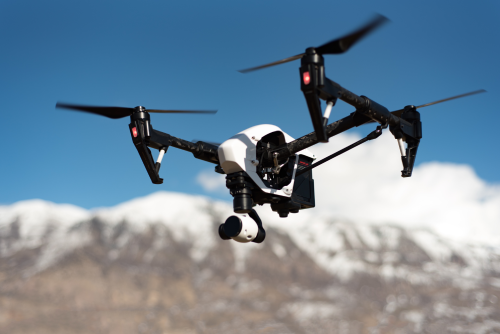
A good drone tracking shot makes the viewer feel like they are moving with the subject, not just watching from above. Whether you are filming a runner, a bike, a car on private land, or a person walking through a field, the secret is not speed alone. It is smooth motion, safe planning, and choosing a shot style that suits the subject.
Quick Take
- A drone tracking shot means the camera moves with a subject to keep it framed while the background shifts.
- The cleanest beginner-friendly tracking shots are:
- follow from behind
- side tracking
- diagonal follow
- gentle lead shot
- Fly slower than you think. Smoothness looks more professional than aggressive movement.
- Use manual exposure, a fixed white balance, and an ND filter if needed to keep footage natural.
- Start higher and wider. You can always crop slightly, but you cannot fix a risky, jerky close pass.
- Intelligent subject-tracking modes can help, but do not trust them blindly around trees, wires, people, roads, or water.
- In India, always verify current airspace and compliance requirements before flying. Check the latest official DGCA and Digital Sky guidance, plus any local restrictions for your location.
- Avoid tracking over crowds, public roads, or sensitive areas. Privacy and safety matter as much as the shot.
What a drone tracking shot actually is
A tracking shot is a moving shot where the camera follows, leads, or moves alongside a subject. The subject stays prominent in the frame, while the world around it changes. That motion creates energy, scale, and immersion.
With a drone, tracking shots are powerful because you can combine:
- forward motion
- height
- lateral movement
- a stabilized gimbal
- changing perspective
That is why tracking shots work so well for:
- travel reels
- wedding films
- sports and outdoor content
- real estate and resort videos
- brand shoots
- tourism clips
- documentary-style storytelling
A common beginner mistake is thinking tracking shots must be fast. They do not. A person walking through tea gardens in Munnar, a fisherman on a quiet shoreline, or a rider moving slowly on private land can all look cinematic if the drone movement is controlled.
Before you fly: safety, legal, and planning in India
Tracking shots are often more demanding than static drone shots because your attention is split between flying, framing, obstacle awareness, and subject movement. So planning matters.
Verify the location first
Before flying in India, verify the latest official rules for:
- airspace permissions or restrictions
- no-fly or sensitive zones
- local authority restrictions
- site-specific limitations at tourist spots, forts, beaches, campuses, or private venues
Do not assume a location is fine just because other creators have posted drone videos from there. Rules can change, and some places may have local enforcement or separate permissions.
Avoid unsafe tracking scenarios
Do not attempt tracking shots:
- over crowds
- over active public roads
- near power lines
- close to railway lines
- near airports or heli-routes
- near government, military, or sensitive installations
- in tight spaces with trees, poles, wires, and poor GPS
- in strong winds or poor visibility
If you want to film moving vehicles, do it only in a controlled environment with permission and an experienced team. Public roads are not the place to practice.
Use a spotter whenever possible
A spotter is a second person who watches the drone, the subject, and the surroundings while you focus on flying and framing.
A spotter helps you notice:
- birds
- branches
- kites and wires
- people walking into the flight path
- traffic
- sudden changes in wind
- subject speed changes
For beginners, a spotter can make the difference between a usable shot and a risky one.
Respect privacy
Tracking a subject is not the same as following strangers. Make sure the people being filmed know they are being filmed, especially at:
- weddings
- resorts
- beaches
- housing societies
- campuses
- farms
- private properties
The gear and settings that make tracking shots easier
You do not need the most expensive drone to shoot tracking shots, but certain features help a lot.
Drone features that help
Useful features include:
- a 3-axis gimbal for stable footage
- reliable GPS hold
- obstacle sensing, if available
- intelligent subject-tracking modes
- good battery health
- consistent video transmission
- smooth control response settings
Obstacle sensing is helpful, but it is not magic. Sensors can struggle with:
- thin branches
- wires
- low light
- reflective surfaces
- water
- fast sideways movement
So fly as if obstacle sensors are not there, and treat them only as backup.
Best camera settings for smoother-looking footage
Tracking shots usually look best when the motion feels natural, not choppy.
Frame rate
For standard cinematic-looking footage, many creators use:
- 25 fps for normal playback
- 50 fps if they want the option of slow motion on a 25 fps timeline
If you are new, 25 fps or 30 fps is a safe starting point depending on your editing workflow. In India, many editors prefer 25 fps.
Shutter speed
A common guideline is the 180-degree rule, which means your shutter speed is about double your frame rate.
Examples:
- 25 fps: around 1/50 sec
- 50 fps: around 1/100 sec
This adds natural motion blur, which helps tracking shots look less harsh.
ND filters
If the scene is bright, an ND filter reduces light so you can keep shutter speed in a good range. Without one, daylight footage often ends up too sharp and jittery.
ND filters are especially useful in:
- midday sun
- beaches
- open fields
- water bodies
- rooftop locations
White balance
Set white balance manually if possible. Auto white balance can shift during a shot, which looks distracting when the drone moves through different angles.
Exposure
Manual exposure is usually better for tracking shots than auto exposure. Auto exposure may brighten or darken suddenly as the background changes.
Focus
Most camera drones handle focus well, but confirm the subject is sharp before starting. Do not assume it will sort itself out.
How to plan the shot before takeoff
A tracking shot looks simple when done well, but the success usually comes from pre-planning.
Ask these five questions
Before every shot, decide:
- What is the subject?
- Where does it start and end?
- What speed will it move at?
- Where are the obstacles?
- What feeling should the shot create?
That last question matters. A resort promo, a wedding pre-wedding shoot, and a sports clip need different movement styles.
Pick a simple route first
Beginners should choose locations with:
- open space
- clear line of sight
- predictable subject movement
- minimal background clutter
- low wind
Good practice locations include open private farmland with permission, empty grounds where flying is allowed, or broad open landscapes away from people and hazards.
Rehearse without recording
Do one dry run first.
- Walk the route.
- Identify trees, poles, and wires.
- Check sun direction.
- Note where the subject should speed up or slow down.
- Decide your takeoff and landing area.
Brief the subject
If the subject is a person, cyclist, or rider, explain:
- where to start
- where to stop
- expected speed
- whether they should look at camera or ignore it
- what to do if they hear “stop”
The smoother the subject moves, the easier your job becomes.
The best drone tracking shots for beginners
Below are the most practical tracking shot styles to learn first.
| Shot type | What it looks like | Best for | Difficulty | Main risk |
|---|---|---|---|---|
| Follow from behind | Drone trails the subject | Walks, runs, bikes | Easy | Drifting too close |
| Side tracking | Drone moves parallel to subject | Running, cycling, vehicles on controlled land | Medium | Matching speed smoothly |
| Diagonal follow | Drone follows from rear-side angle | Travel, lifestyle, wedding shoots | Easy | Poor framing |
| Lead shot | Drone flies ahead while subject comes toward camera | Walks, vehicles in open space | Medium | Collision risk if too close |
| Top-down tracking | Drone stays above subject | Roads, trails, patterns, solo walkers | Easy | Flat-looking composition |
| Orbit while moving | Drone circles slightly as subject moves | Hero shots, dramatic intros | Hard | Losing subject or path awareness |
| Rise-and-follow | Drone lifts while tracking | Reveals landscapes, resorts, travel content | Medium | Jerky gimbal movement |
1) Follow from behind
This is the easiest starting point.
How to do it:
- Place the subject in the lower third or center third of the frame.
- Stay behind and slightly above.
- Match their speed.
- Keep movement gentle and constant.
This works well for:
- trekking trails
- beach walks
- road-style visuals on private roads or controlled spaces
- wedding couple walks
- farm or vineyard paths
2) Side tracking
This is one of the most cinematic tracking styles because the background moves strongly across the frame. That creates parallax, which means foreground and background move at different rates, making the image feel more dynamic.
How to do it:
- Fly parallel to the subject.
- Keep a safe lateral distance.
- Maintain consistent altitude.
- Let the subject sit on one side of the frame with “look room” ahead.
This is excellent for runners, cyclists, and people walking through open landscapes.
3) Diagonal follow
This is often the most forgiving shot for beginners because it gives depth without demanding perfect alignment.
How to do it:
- Stay behind and to one side of the subject.
- Tilt the gimbal slightly downward.
- Let the subject move into space ahead of them.
It feels more natural than a strict straight-behind shot and shows more of the environment.
4) Lead shot
In a lead shot, the drone flies in front of the subject while moving backward or away from them.
Use this carefully.
It looks strong for:
- a person walking toward camera
- a couple moving along a path
- controlled vehicle shoots with a skilled team
But it is riskier because the drone is moving backward or keeping limited buffer ahead of a moving subject. Beginners should keep more distance than they think they need.
5) Top-down tracking
This is simple and effective when the location itself is graphic and interesting.
It works best with:
- patterned roads or pathways
- beaches
- fields
- river edges
- solo movement against contrasting terrain
Top-down is safe and easy to repeat, but do not use it for every shot. Too much overhead footage can become repetitive.
Step-by-step: how to shoot a clean tracking shot with a drone
Here is a reliable workflow that works for most beginner shoots.
1. Choose one simple shot, not five complicated ones
Do not try to combine low altitude, fast speed, orbiting, and obstacle avoidance in your first attempt. Pick one movement style and do it well.
For example: – a diagonal follow of a walking subject – a side track of a cyclist in an open field path – a top-down track of a person on a trail
2. Set your altitude and distance first
Before recording, lock in three things:
- altitude
- distance from subject
- intended speed
This stops you from making random corrections once the shot starts.
3. Lock camera settings
Set:
- frame rate
- shutter speed
- white balance
- exposure
- color profile you are comfortable editing
If you are not confident with heavy color grading, use a normal or mild profile rather than a flat log profile that you may struggle to correct later.
4. Start recording a little early
Do not begin recording at the exact action moment. Start a few seconds before the subject moves into the shot. This gives you cleaner editing options.
5. Use gentle stick movements
Professional-looking drone movement usually comes from soft inputs, not dramatic ones.
Think:
- slow acceleration
- slow deceleration
- no sudden yaw
- no quick altitude jumps
If your drone allows adjustment of control sensitivity, smoother settings can help.
6. Keep the subject steady in the frame, but not frozen
A tracking shot should feel alive. The subject does not have to be nailed to the exact center every second.
It is fine if the framing breathes slightly, as long as it feels intentional.
7. Let the background do some work
A tracking shot looks much better when the environment adds depth.
Look for:
- roads curving away
- lines in fields
- shoreline edges
- rows of trees
- buildings at different distances
- hills behind the subject
A plain empty background makes the shot feel flatter.
8. Repeat with small variations
After your safe first take, try slight changes:
- a little lower
- a little wider
- gimbal tilted slightly more down
- slower speed
- subject more off-center
Small changes often produce a much better final shot than one risky ambitious attempt.
Manual flying vs intelligent tracking modes
Many modern drones offer intelligent tracking modes. These can be useful, but they are not a replacement for judgment.
| Method | Best for | Advantages | Limitations |
|---|---|---|---|
| Manual flying | Maximum control and learning | Better framing decisions, safer in complex scenes if you are skilled | Harder for beginners |
| Intelligent subject tracking | Simple open areas | Easier for solo creators, useful for walking/running shots | Can lose subject, misread obstacles, behave unpredictably |
| Waypoint or pre-planned movement | Repeatable branded shots | Consistent results | Less flexible for unpredictable subjects |
When tracking modes help
They are most useful when:
- the subject is clearly visible
- the route is open
- the background is not too confusing
- the speed is moderate
- there are no thin obstacles
When not to trust them
Avoid depending on automated tracking when filming near:
- trees and branches
- electric lines
- crowded areas
- narrow spaces
- water reflections
- fast vehicles
- uneven GPS conditions
If the shot matters, do a test first.
Composition tips that instantly improve tracking shots
Give the subject space to move into
If the subject is going left to right, leave more space in front of them than behind them. This makes the frame feel natural.
Avoid centering everything
The center is useful for some shots, but many tracking shots look better when the subject sits slightly off-center.
Use foreground and background layers
Parallax is strongest when the frame contains layers. A side-tracking shot along a path with trees, fences, or terrain changes will look richer than one against an empty plain.
Mind the horizon
A crooked horizon is very noticeable in drone footage. Check it before the next take, not later in editing.
Keep altitude intentional
Different heights tell different stories:
- low height: speed and intimacy
- medium height: balanced storytelling
- high height: location and scale
Do not default to maximum height. Often, the best tracking shots are not very high at all.
Common mistakes when shooting tracking shots with a drone
Flying too close too early
Beginners often try to create drama by flying very near the subject. It usually creates stress, shaky control, and safety risk.
Using auto everything
Auto exposure and auto white balance can shift during the shot and ruin consistency.
Matching speed poorly
If the drone keeps surging forward and slowing down, the shot looks amateur. Practice constant speed.
Yawing too much
Yaw means rotating the drone left or right. Too much yaw during a track makes footage feel twitchy. Use it gently.
Ignoring wind
A smooth shot in calm weather can become messy in gusty conditions. Coastal areas, hill stations, and open plateaus in India often have changing winds, especially in the afternoon.
Not checking for wires
Wires are one of the biggest dangers in low and medium-height drone work. They are easy to miss and difficult for sensors to detect.
Trying vehicle tracking on public roads
This is a bad practice for both safety and legal reasons. If you want moving vehicle shots, use a controlled location with proper permissions and experienced operators.
Recording only one take
Even simple tracking shots benefit from multiple takes. Battery is cheaper than regret.
A simple editing workflow for better tracking shots
A good tracking shot is mostly made in the air, but editing helps finish it properly.
Keep the clip length disciplined
If the movement is repetitive, trim aggressively. A strong 4-second tracking shot is often better than a weak 12-second one.
Stabilize only if needed
Most modern drones already stabilize well. Heavy software stabilization can warp edges and make motion look unnatural.
Match cuts on movement
Tracking shots cut nicely into:
- another moving shot
- a reveal
- a top-down
- a close ground shot moving in the same direction
Slow motion can help, but not always
If you recorded at a higher frame rate, a slight slow-down can smooth out movement. But overusing slow motion can make energetic scenes feel dull.
Color consistency matters
If you use multiple tracking shots from different times of day, match their color temperature and contrast so the sequence feels unified.
Practical mini-scenarios
Scenario 1: Tracking a person walking through a tea estate
Best shot: – diagonal follow from behind – medium altitude – subject off-center – slow speed – morning or late afternoon light
Why it works: – landscape adds depth – walking speed is easy to match – low-risk if the area is open and permitted
Scenario 2: Tracking a cyclist on private property
Best shot: – side tracking first – then a wider follow shot
What to watch: – speed changes – branches crossing the route – dust affecting visibility
Scenario 3: Resort or homestay promo
Best shot: – rise-and-follow from a guest walking toward an open view – lead shot at safe distance – top-down path reveal
What matters: – guest privacy – local permissions – smooth movement over dramatic movement
FAQ
Can beginners shoot tracking shots with a drone?
Yes, but start with slow subjects and open spaces. A walking subject in a clear area is much easier than a cyclist, vehicle, or forest trail.
What is the easiest tracking shot to learn first?
A diagonal follow from behind is usually the easiest. It gives depth, looks cinematic, and is more forgiving than a close front lead shot.
Should I use ActiveTrack or manual flying?
Use tracking modes only in simple, open environments. Manual flying gives more control, but automated modes can help beginners practice. Do not rely on automation near obstacles or people.
What frame rate is best for drone tracking shots?
Many creators use 25 fps for normal playback or 50 fps if they want the option of slow motion. The best choice depends on your final edit and delivery format.
How close should the drone be to the subject?
Farther than most beginners think. Start wider and safer. If the footage looks too distant, adjust gradually on the next take. Do not begin with close passes.
Can I track a car or bike on a road?
Only film vehicles in a controlled environment with proper permissions and a safety plan. Avoid public roads, traffic, and uncontrolled spaces.
Do I really need ND filters?
In bright daylight, yes, they help a lot. They let you keep a slower shutter speed for more natural motion blur, which improves the look of tracking footage.
What time of day is best for tracking shots?
Early morning and late afternoon usually look best because the light is softer and more directional. Midday sun can be harsh unless the scene suits it.
How many takes should I do?
Plan for at least three to five takes of the same move with small variations. Even professionals rarely depend on one perfect take.
What is the biggest safety mistake in drone tracking?
Flying low and close without first checking the route for wires, branches, people, and unexpected movement. Good planning prevents most bad tracking attempts.
Final takeaway
If you want to shoot better tracking shots with a drone, do not start by chasing speed. Start by mastering one safe, simple move in an open location: a diagonal follow, a side track, or a top-down pass. Verify the location, lock your settings, fly smoothly, and repeat the shot with small improvements. That is how cinematic drone tracking footage is actually built.
