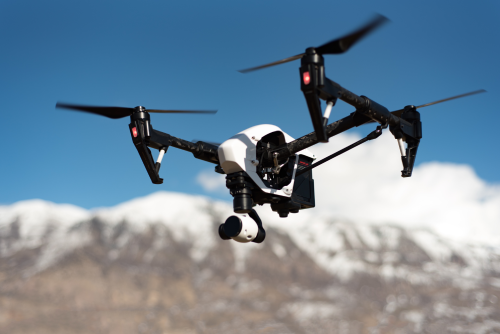
If you want to learn how to shoot smooth cinematic drone footage, the biggest secret is not an expensive drone. It is controlled movement, clean camera settings, good light, and a simple plan before take-off. For Indian creators especially, wind, haze, harsh sunlight, crowded locations, and local flight restrictions can make or break the final shot.
Quick Take
- Smooth cinematic drone footage comes from slow, deliberate flying, not aggressive stick movements.
- Use your drone’s slow flight mode such as Cine, Tripod, or Smooth mode if available.
- Start with simple camera settings: low ISO, fixed white balance, and a frame rate that matches your edit.
- A useful rule of thumb is shutter speed at about double your frame rate for more natural motion blur.
- In India, 25 fps and 50 fps often fit local workflows well, especially if artificial lighting is involved.
- Shoot during soft light when possible. Early morning and late afternoon are usually easier than midday.
- Lower your control sensitivity if your app allows it. Smoother yaw, braking, and gimbal tilt make a big difference.
- Plan your shot before you fly. Know your subject, your path, your start point, and your exit.
- Always check the latest DGCA, Digital Sky, local airspace, and site-specific permissions before flying.
What makes drone footage feel cinematic?
“Cinematic” does not just mean high resolution. It usually means the footage feels intentional.
That often includes:
- Smooth motion with no sudden jolts
- A clear subject, not random scenery
- Good light and pleasing colors
- Depth in the frame, such as foreground, middle ground, and background
- Slow camera movement that lets the viewer absorb the scene
- A shot that reveals information instead of showing everything at once
A random fast spin at maximum altitude may look dramatic for two seconds, but it rarely feels cinematic. A slow reveal over a ridge, a gentle orbit around a subject, or a low sideways pass with layered background usually feels far more polished.
Plan the shot before you launch
Most bad drone footage is created before the drone leaves the ground.
1. Decide what the subject is
Ask one simple question: what is the viewer supposed to look at?
Your subject could be:
- A house, resort, or farm
- A road cutting through a landscape
- A boat, vehicle, or person in an open area
- A hilltop, lake, or coastline
- A wedding venue or event space, where you have permission
If you cannot identify the subject clearly, the shot will feel vague no matter how smooth the drone is.
2. Choose the type of shot
Do not take off and improvise everything. Pick one movement first.
Common cinematic drone moves include:
- Push-in: slowly fly forward toward the subject
- Pull-back: slowly fly backward to reveal scale
- Rise and reveal: lift the drone while tilting the camera down or up
- Orbit: circle around the subject smoothly
- Side pass: fly sideways to create parallax, which is the apparent separation between foreground and background
- Top-down glide: a straight overhead move with clean geometry
3. Check the light
Light matters more than many beginners expect.
In India, these patterns are common:
- Early morning: soft light, less wind, cleaner shadows
- Late afternoon and golden hour: warm light and stronger depth
- Midday: harsh contrast, washed-out skies, and flat-looking footage
- Monsoon: dramatic clouds, but shifting wind and rain risk
- Winter in some cities: haze can reduce clarity
- Summer in dusty areas: distant shots may look low-contrast
If the air is hazy, do not depend on huge wide shots alone. Get closer to the subject and use side light for more shape.
4. Walk the location first
Before take-off, look for:
- Trees and branches
- Power lines and cables
- Mobile towers
- Flags, smoke, and water ripple that reveal wind direction
- Birds
- People walking into your shot
- Take-off and landing space
- A safe Return to Home altitude
A five-minute walk can save an expensive mistake.
Camera and drone settings for smoother footage
The best settings depend on your drone, but these starting points work for most beginners.
| Setting | Good starting point | Why it helps |
|---|---|---|
| Flight mode | Cine, Tripod, or Smooth mode | Slower acceleration and gentler stick response |
| Resolution | 4K if available; 2.7K is also fine | Gives room to crop and stabilize in editing |
| Frame rate | 25 fps for normal cinematic delivery; 50 fps for slow motion | Natural movement and easy editing |
| Shutter speed | Roughly double frame rate, like 1/50 at 25 fps | Adds natural-looking motion blur |
| ISO | Keep as low as possible | Cleaner image with less noise |
| White balance | Set manually instead of Auto | Prevents color shifting during the shot |
| Color profile | Normal for beginners; flat/log if you know grading | Easier workflow or more editing flexibility |
| Gimbal tilt speed | Slow to medium | Prevents jerky tilts |
Use the slowest practical flight mode
Most drones have a mode designed for gentler movement. It may be called Cine, Tripod, or something similar depending on the brand.
This is the easiest way to make footage look better immediately because it reduces:
- Sudden acceleration
- Hard stopping
- Twitchy yaw, which is the left-right turning motion
- Abrupt gimbal movement
Lower control sensitivity if your drone allows it
Many drone apps let you adjust parameters such as:
- Yaw speed
- Yaw smoothness
- Brake response
- Gimbal pitch speed
- Expo, which changes how sensitive the sticks feel around the centre
Brand names vary, but the idea is simple: make your drone less twitchy.
A good beginner approach is:
- Reduce yaw speed a little
- Increase smoothness a little
- Slow down gimbal tilt
- Soften braking if the drone stops too sharply
Do not change everything aggressively at once. Make small adjustments and test.
Frame rate: 25 fps or 50 fps?
For cinematic delivery, 25 fps is a strong starting point for many Indian creators. It often fits local editing timelines neatly and can work better around certain artificial lighting situations.
Use 50 fps when:
- You plan to slow the shot down on a 25 fps timeline
- You are filming movement like vehicles, waves, or action
- You want extra flexibility in editing
If your project is already built around 30 fps or 60 fps, consistency matters more than forcing a different number. Pick one workflow and stay with it.
Shutter speed and motion blur
Very sharp footage is not always cinematic. If your shutter speed is too fast, movement can look choppy and harsh.
A good beginner rule is:
- 25 fps: aim around 1/50
- 50 fps: aim around 1/100
This creates more natural motion blur.
In bright daylight, the image may become overexposed at those shutter speeds. That is where an ND filter helps.
What is an ND filter?
An ND filter, or neutral density filter, is like sunglasses for your camera. It reduces the light entering the lens so you can use a slower shutter speed outdoors.
If you shoot in strong Indian sunlight, ND filters can be very useful for cinematic motion. But do not force the “perfect” shutter speed if it creates other problems. Exposure and safe operation come first.
Lock white balance
Auto white balance can shift colours during a shot, especially when the frame moves from land to sky or from shadow to sunlight.
Set white balance manually if your drone allows it. Even a simple fixed preset like Daylight or Cloudy is often better than Auto for video.
Normal or log profile?
Some drones offer a normal profile and a flatter profile often called log.
- Normal profile: easier to use, looks good quickly
- Log or flat profile: keeps more highlight and shadow detail, but needs colour grading later
If you are new, use normal until your flying and editing are consistent. Poorly graded log footage often looks worse than well-shot normal footage.
The best beginner flight techniques for cinematic shots
You do not need ten fancy moves. Learn five well.
1. The slow push-in
Fly forward slowly toward the subject.
This works well for:
- A building entrance
- A hilltop structure
- A person standing in open space
- A road, field, or shoreline
Tips:
- Keep the speed steady
- Avoid constant yaw corrections
- Keep the subject slightly off-centre if that improves composition
2. The pull-back reveal
Start close to the subject, then fly backward and slightly upward to reveal the larger environment.
This is one of the easiest ways to add drama without flying dangerously close.
Example: start with a farmhouse, then pull back to reveal the surrounding fields and hills.
3. The rise and reveal
Lift the drone vertically or diagonally so that something hidden comes into view.
This is excellent when:
- A wall, treeline, or ridge blocks the wider view
- You want to reveal a lake, valley, or cityscape gradually
Keep the climb gentle. Fast upward movement can feel more like a survey shot than a cinematic reveal.
4. The orbit
Circle around the subject while keeping it framed consistently.
This looks professional, but it is harder than it seems because you are controlling several things at once:
- Lateral movement
- Yaw
- Distance from the subject
- Altitude
Start with a large, slow orbit. Do not try to make the circle too tight. Big circles are easier and often look better.
5. The side pass with parallax
Fly sideways past a subject so that the foreground moves faster than the background. That difference in motion creates depth.
This works beautifully with:
- Trees in the foreground
- A building with distant hills behind it
- Boats, vehicles, or people against a wide landscape
Parallax is one of the easiest ways to make drone footage feel premium.
Practice drills that improve smoothness fast
If your footage still looks jerky, your hands probably need training more than your settings.
Try these drills in a safe, open, legal area:
Drill 1: Fly a straight line at constant height
- Pick a visual line on the ground
- Fly slowly forward
- Keep altitude constant
- Do not touch yaw unless necessary
Drill 2: Do a 90-degree yaw in 10 seconds
- Hover in place
- Turn the drone slowly
- Try to complete the turn evenly
- Keep the horizon level
Drill 3: Combine forward flight with gentle gimbal tilt
- Fly forward at a steady speed
- Slowly tilt the gimbal down
- Keep the movement continuous, not stepped
Drill 4: Square pattern
- Fly forward
- Stop gently
- Slide right
- Stop gently
- Fly backward
- Slide left
This teaches braking and directional control.
A helpful controller habit is using a pinch grip or a light thumb-and-finger control instead of stabbing the sticks. Finer finger movement usually means smoother footage.
Composition and height: stop flying only at maximum altitude
A common beginner habit is climbing high and staying there. High shots can be useful, but they are not always cinematic.
Often, better drone footage comes from medium or even low altitude because:
- Objects feel larger and more three-dimensional
- Foreground passes add depth
- Movement is easier to notice
- The scene feels more immersive
Use these composition ideas
- Keep a clear subject
- Use leading lines such as roads, river bends, crop rows, or coastlines
- Add layers with foreground, middle ground, and background
- Leave space in the direction of movement
- Keep the horizon level unless a deliberate tilt is part of the style
- Try top-down shots for strong patterns like fields, boats, rooftops, and waves
If the landscape is cluttered, simplify. One clean subject is usually stronger than a busy wide frame.
Safety, legality, and compliance in India
Cinematic footage is never worth an unsafe or unlawful flight.
Before any shoot in India:
- Verify the latest DGCA and Digital Sky guidance before flying
- Check whether the airspace and exact location permit drone operations
- Use a compliant drone and meet any operator requirements that apply to your drone category and purpose
- Avoid airports, helipads, sensitive areas, emergency scenes, and clearly restricted zones
- Do not fly over crowds, moving traffic, or dense public gatherings
- Respect privacy, especially in residential areas, beaches, resorts, and event venues
- Get landowner, organizer, or site permission where required
- Maintain visual line of sight unless specifically permitted under current rules
- Do not fly in rain, thunderstorms, or strong gusty wind
For professional work such as weddings, real estate, resorts, inspections, or brand shoots, aviation compliance may not be the only requirement. Venue permissions, local restrictions, and client approvals matter too. Always confirm before the shoot day.
A practical on-location workflow
When you reach the location, use this sequence.
1. Observe the conditions
Take one minute to notice:
- Wind direction
- Gust strength
- Bird activity
- Light direction
- People and moving obstacles
If the wind already feels unpredictable on the ground, the air may be worse.
2. Set your drone up for safety
Check:
- Battery level
- Propellers
- GPS lock if required
- Compass status if relevant to your drone
- Home point
- Return to Home altitude above nearby obstacles
3. Lock your camera settings
Before recording, set:
- Frame rate
- Resolution
- White balance
- ISO
- Shutter speed
- Colour profile
Do a short test clip and review it.
4. Shoot the easiest safe shots first
Get your basic coverage before experimenting.
A simple sequence could be:
- Wide establishing shot
- Slow push-in
- Side pass
- Rise and reveal
- Overhead shot
If the light changes or the battery drops faster than expected, you still go home with useful footage.
5. Record longer than you think you need
Hold each shot:
- 2 to 3 seconds before the main movement
- 6 to 12 seconds during the move
- 2 to 3 seconds after the movement ends
These handles make editing much easier.
6. Repeat the shot
The first take teaches you what is wrong. The second or third take often becomes the keeper.
Small improvements between takes matter:
- Slower speed
- Better framing
- Cleaner horizon
- Less yaw
- Better subject placement
Editing is where smooth footage becomes cinematic
Good flying is the foundation. Editing is the polish.
Keep your cuts simple
Do not force every clip into the final edit. Use only the cleanest takes.
Pick shots that:
- Start smoothly
- End smoothly
- Have one clear movement
- Support the story or sequence
Slow down selectively
If you shot at 50 fps and your timeline is 25 fps, you can slow the clip for smoother motion.
This works best for:
- Reveals
- Side passes
- Water and wave movement
- People walking
- Vehicle movement at a safe distance
Do not slow everything. A video with no pacing contrast can feel dull.
Use stabilization lightly
Most modern drones already stabilize footage well. Extra software stabilization can help small micro-jitters, but too much can:
- Crop the frame heavily
- Warp straight lines
- Create strange edge movement
Use it gently.
Colour correction first, style second
Start by fixing:
- Exposure
- Contrast
- White balance
- Saturation
Then add any cinematic grade. Beginners often overdo teal-orange looks, heavy contrast, or excessive sharpening. Subtle grades usually age better.
Add sound with intent
Even if the drone audio is unusable, the final video should not feel silent and empty.
Simple additions help a lot:
- Ambient wind or nature sound
- City ambience
- Water sound
- Light music that matches the pace
Cinematic feeling is not only visual.
Common mistakes that ruin smooth cinematic drone footage
- Flying too fast because the scene feels “boring”
- Yawing constantly instead of committing to one movement
- Using Auto white balance and getting colour shifts
- Shooting only at maximum altitude
- Ignoring wind and wondering why the footage jitters
- Using a shutter speed that is too fast in bright sunlight
- Trying log footage without knowing how to grade it
- Cramming too many fancy moves into one shot
- Over-stabilizing in editing
- Leaving the location without reviewing clips
A simple, stable shot is almost always better than a complicated, messy one.
FAQ
What frame rate is best for cinematic drone footage?
For many creators, 25 fps is a strong default for cinematic delivery. Use 50 fps if you want the option to slow footage down on a 25 fps timeline. If your whole project uses 30 or 60 fps, staying consistent across cameras matters most.
Do I need ND filters to get cinematic footage?
Not always, but they help a lot in bright daylight. They let you use a slower shutter speed for more natural motion blur. If you mostly shoot in strong sunlight, ND filters are worth considering.
Can a beginner drone still shoot cinematic footage?
Yes. Smooth cinematic footage depends more on flying skill, shot planning, light, and camera control than on owning the most expensive drone. A modest drone in good light can look excellent.
Should I use Auto or Manual camera settings?
For video, manual or semi-manual settings usually give better consistency. At minimum, try to lock white balance and keep ISO low. Auto exposure and auto white balance can shift during a shot and make footage look less professional.
How high should I fly for cinematic shots?
There is no single best height. Many cinematic shots work better at low to medium height because they show depth and movement more clearly. Fly only as high as the shot needs, and always remain within current legal and safety limits.
How do I make footage smoother in windy conditions?
First, avoid flying in unsafe wind. If conditions are still within safe limits, use slower moves, avoid sudden yaw, fly with the wind in mind, and shoot shorter, more controlled takes. In strong gusts, it is better to postpone than to fight the drone.
Is 4K necessary for drone videos?
No, but it is useful. 4K gives extra room for cropping, reframing, and mild stabilization. If your drone or computer struggles, 2.7K can still look very good.
What are the first three drone moves a beginner should learn?
Start with: 1. Slow push-in 2. Pull-back reveal 3. Side pass with parallax
These are easier to control and often look cinematic without advanced flying.
Can I shoot cinematic drone footage during monsoon season?
Only if conditions are truly suitable for your drone and legal to fly. Rain, strong gusts, and poor visibility are major risks. Even when it is dry, monsoon winds can change quickly. Be conservative.
Final takeaway
To shoot smooth cinematic drone footage, focus on three things first: fly slower, simplify your shots, and lock your camera settings. On your next flight, pick one legal location, one clear subject, and practise just three moves, a push-in, a reveal, and a side pass. That will improve your footage more than any expensive accessory.
