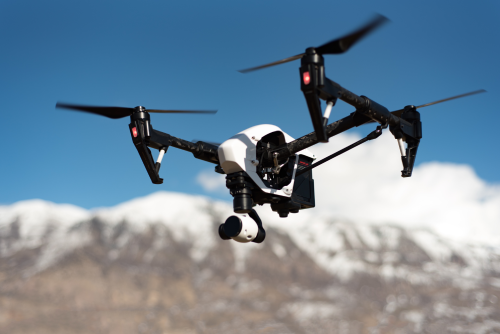
If you are wondering which drone should you buy for farming, the right answer depends on the job you want the drone to do. In Indian agriculture, a drone for crop scouting is very different from a drone for mapping or spraying, and buying the wrong type can waste a lot of money.
For most buyers, the smartest first step is not picking a brand. It is deciding whether you need a simple camera drone, an accurate mapping drone, a multispectral crop-analysis drone, or a proper agricultural spray drone.
Quick Take
- Do not buy a “farming drone” just because it is marketed for agriculture. Buy for the task.
- For visual crop checks, irrigation inspection, and boundary monitoring, a reliable camera drone is usually enough.
- For acreage measurement, repeat surveys, and farm maps, look for a mapping drone with RTK support.
- For crop stress, nutrient analysis, and advanced advisory work, buy a multispectral drone only if you have a plan to use the data.
- For pesticide or liquid nutrient application, you need a purpose-built agricultural spray drone, not a consumer camera drone.
- In India, after-sales support, training, batteries, spare parts, and regulatory compliance matter more than flashy brochure claims.
- If you have a small or fragmented farm, hiring a drone service may make more sense than buying one.
- Before paying, verify the latest DGCA, Digital Sky, airspace, NPNT, and operating requirements from official sources.
First, buy for the job, not for the label
The biggest mistake buyers make is assuming one drone can do every farm task well. In practice, farm drones usually fall into four different groups.
| What you need to do | Best drone type | Best for | Not ideal for |
|---|---|---|---|
| Check crops, irrigation lines, fencing, canals, livestock areas | Camera drone | Routine visual inspection and quick decisions | Accurate mapping or spraying |
| Measure land, create stitched maps, monitor change over time | Mapping drone with RTK | Surveying, orthomosaic maps, field records | Spraying |
| Detect stress, canopy variation, and crop health patterns | Multispectral drone | Precision agriculture and advisory workflows | Casual users with no data workflow |
| Spray pesticides, micronutrients, or liquid inputs | Agricultural spray drone | Large-scale or repeated application work | Beginners who only need scouting |
A good farming purchase starts with a simple question: what exact problem are you trying to solve this season?
Which farming drone makes sense for you?
If you want to inspect crops, canals, fences, or irrigation lines
Buy a stable camera drone.
This is the best choice for many farmers, farm managers, and agri entrepreneurs who mainly want to:
- check crop condition from above
- inspect waterlogging or dry patches
- look at fence breaks or trespass points
- inspect irrigation channels, pumps, and farm roads
- monitor large plots faster than walking the field
A scouting drone does not need spraying hardware or advanced crop sensors. What matters more is:
- a good stabilized camera
- simple flight controls
- reliable return-to-home
- obstacle sensing or at least strong basic safety features
- decent real-world battery endurance
- easy battery replacement
- local repair support
For many first-time buyers, this is the best starting point because it gives immediate value without the complexity of chemical handling or survey-grade mapping.
If you want accurate maps, acreage, and repeat surveys
Buy a mapping drone, ideally with RTK.
RTK stands for Real-Time Kinematic. In simple terms, it improves positional accuracy, which makes your maps more reliable. If you want to compare fields over time, measure field boundaries, create stitched maps, or support farm planning, RTK is often worth considering.
A mapping drone is better than a basic camera drone when you need:
- accurate area measurement
- repeatable survey flights over the same plot
- consistent stitched maps, also called orthomosaics
- documentation for crop planning, drainage, layout, or plantation monitoring
- better geo-tagging for farm records
Features to prioritise:
- RTK support
- automated mission planning
- good GNSS signal reliability
- mechanical shutter for cleaner mapping images
- software that exports files your agronomist or GIS team can actually use
- good battery logistics for long field days
This type suits:
- larger farms
- plantations
- land development projects
- FPOs and cooperatives
- agri consultants
- colleges or research plots
If your main goal is acreage measurement and repeat survey data, a regular camera drone may feel cheaper at first, but the results can be inconsistent.
If you want crop health analytics, not just photos
Buy a multispectral drone only if you will use the data.
A multispectral drone captures light bands beyond normal visible colour. That helps generate crop health layers and vegetation indices such as NDVI. These can be useful for spotting stress earlier than the naked eye in some situations.
But this is where many buyers overspend.
A multispectral drone makes sense only when you also have:
- someone who understands the data
- software to process the imagery
- an agronomy workflow to act on the results
- repeat monitoring over time
- enough crop value or acreage to justify the effort
It is a strong fit for:
- precision agriculture service providers
- research institutions
- large orchards or plantations
- progressive farms already using data for decisions
It is usually a weak fit for:
- buyers who just want nice aerial photos
- very small farms
- buyers with no plan for analysis after the flight
In short, multispectral is powerful, but it is not magic. If the data will sit unused on a laptop, skip it.
If you want to spray crops
Buy a purpose-built agricultural spray drone, and only if the economics work.
This is the category many people mean when they say “farming drone.” But a spray drone is not a casual purchase. It is an operating system, not just a flying machine.
A spray drone can make sense when you need:
- repeated spraying across meaningful acreage
- faster application when labour is hard to find
- better access to muddy or difficult fields
- reduced direct operator exposure to chemicals
- a service business for nearby farms
- work across multiple farms through an FPO, cooperative, or custom hiring model
What matters most in a spray drone is not only tank size. Buyers often get trapped by big-number marketing. Instead, look at:
- spray consistency
- pump reliability
- nozzle quality and availability
- flow control stability
- terrain following performance
- obstacle sensing
- turning efficiency at field edges
- battery swap speed
- charging setup for field operations
- ease of cleaning after chemical use
- ruggedness in heat, dust, and humidity
- seller training and service support
A spray drone is usually the right buy for:
- large farms with regular spray schedules
- FPOs and cooperatives
- agri service providers
- custom hiring centers
- commercial operators serving multiple villages or clusters
For a small farmer with fragmented land, buying a spray drone often makes less sense than hiring one when needed.
For Indian buyers, the real question is often: buy or hire?
Many readers asking which drone should you buy for farming may actually be better off not buying one yet.
Here is a practical way to think about it.
| Your situation | Smarter choice |
|---|---|
| Small farm, occasional need for crop inspection | Buy a basic scouting drone or simply hire if use is rare |
| Small or fragmented farm, occasional spraying need | Hire a spray drone service |
| Large contiguous farm with regular scouting needs | Buy a camera or mapping drone |
| Large farm with repeated spray cycles and trained staff | Consider buying a spray drone |
| FPO, cooperative, or village-level service model | Buying a spray drone can make strong sense |
| Agri startup offering services to others | Buy based on your service mix: mapping, scouting, spraying, or a combination |
| Research or advisory organisation | Consider mapping plus multispectral, not necessarily spraying |
A simple rule helps:
- If the drone will fly regularly and save measurable time or labour, buying may work.
- If use is seasonal, uncertain, or scattered, hiring first is usually wiser.
Many Indian buyers should test the economics for one crop cycle before purchasing. Renting or using a service for one season can reveal whether the ROI is real.
What to compare before you pay
Do not choose only from brochure claims or a YouTube demo. Use this checklist.
1. Define the exact farm job
Write down your top one or two use cases:
- scouting
- mapping
- crop health analysis
- spraying
- orchard monitoring
- irrigation inspection
If you cannot define the job clearly, do not buy yet.
2. Estimate how often the drone will actually fly
Ask:
- How many days per month will it be used?
- In how many seasons?
- On how much land?
- On your farm only, or on neighbouring farms too?
This step often reveals whether buying or hiring is better.
3. Check the total operating setup, not just the drone body
For farm drones, the real setup usually includes:
- batteries
- chargers
- power source or generator for field charging
- spare propellers
- spray nozzles and pump spares
- transport cases
- mission-planning software
- safety gear
- training
- maintenance and cleaning supplies
A drone that looks affordable on paper may become expensive once you add everything required to operate it properly.
4. Prioritise local service and spare parts
In India, downtime can destroy value.
Before buying, ask:
- Where is the nearest service center?
- What is the typical turnaround time?
- Are motors, arms, pumps, nozzles, batteries, and propellers stocked locally?
- Who handles field support if something fails during peak season?
A slightly less glamorous drone with strong local support is often the better buy.
5. Ask for a real field demo in your crop and terrain
Do not rely only on flat-ground demos.
Ask the seller to demonstrate in conditions similar to yours:
- cotton
- paddy
- sugarcane edges
- orchards
- uneven fields
- windy open plots
- hot daytime conditions
This is especially important for spray drones, where turning behaviour, terrain following, and swath consistency matter.
6. Understand the software workflow
For mapping and multispectral drones, hardware is only half the story.
Verify:
- how missions are planned
- what outputs you receive
- whether files can be exported
- whether you need subscriptions
- who processes the data
- whether your advisor or team can use the output
If the software is confusing or locked down, the drone may sit unused.
7. Evaluate battery and charging practicality
Battery management is a major decision in farming operations.
Check:
- how many batteries are needed for a normal workday
- charge time in real use
- field power requirements
- battery replacement cost
- heat management during summer use
- storage and transport safety
On hot Indian field days, battery performance and charging discipline matter a lot.
8. Look beyond headline productivity claims
If a seller claims very high acreage coverage or long endurance, ask what conditions were used.
Real output depends on:
- crop height
- wind
- refill time
- turning losses
- battery change time
- operator skill
- terrain
- nozzle setup
- safety margins
This is why field demos matter more than brochure numbers.
9. Check training quality
A serious seller should provide:
- setup training
- flight training
- safety briefing
- maintenance guidance
- battery handling guidance
- spraying calibration support, if relevant
- emergency procedure training
Training is not a bonus. It is part of the product.
10. Ask who will operate it six months later
The best buying decision fails if no one can run it consistently.
Decide:
- who the operator will be
- who handles maintenance
- who manages records
- who stores batteries
- who cleans the system after spraying
- who coordinates permissions and compliance checks
Features that matter most in a spray drone
If you are specifically planning to buy a spraying drone for farming, pay attention to these points.
Spray quality over tank size
A larger tank sounds attractive, but poor spray consistency wastes chemical and reduces effectiveness.
Look for:
- stable flow control
- reliable pump performance
- available nozzle options
- predictable coverage
- easy calibration
Terrain following
Indian farms are not always flat. Terrain-following ability is important in undulating fields, orchards, and plots with varying crop height.
Field turnaround time
A fast drone on paper can still be slow in practice if refilling, charging, or battery swapping takes too long.
Cleaning and maintenance
Chemical use means regular cleaning. If the design is awkward to wash or inspect, ownership becomes painful very quickly.
Strong frame and practical repairability
Agriculture is hard on equipment. Dust, moisture, transport vibration, and rough field conditions demand rugged design and easy service access.
Safety, legal, and compliance checks in India
This part matters. Farming use does not exempt you from drone rules.
Before buying or operating, verify the latest official requirements on:
- drone category by weight
- registration and platform requirements, where applicable
- pilot qualification or training requirements
- NPNT and airspace permission requirements
- Digital Sky procedures, where applicable
- permitted operating areas and altitude limits
- commercial use obligations, if you will offer services to others
Also remember:
- Owning the farm does not automatically mean you can fly there without checking airspace restrictions.
- Rural areas can still be close to controlled, restricted, or sensitive zones.
- Agricultural chemical spraying brings separate safety responsibilities.
- Follow product labels, environmental precautions, and any state agriculture department guidance.
- Avoid spraying near people, livestock, roads, water bodies, schools, homes, and power lines.
- Use proper protective equipment during mixing, refilling, and cleanup.
- Insurance is worth considering, especially for commercial operations.
If you are counting on a subsidy or a government support scheme, verify the current eligibility rules first. These can differ by state, category of buyer, and time period.
Common mistakes farmers make when buying a drone
Buying the biggest spray drone they can afford
Bigger is not always better. If your land is fragmented, access is poor, or operations are infrequent, a large setup can be inefficient.
Buying a multispectral drone with no data plan
If nobody will interpret the data, it is an expensive toy.
Ignoring service support
A drone is only as useful as the speed with which you can repair it during season.
Trusting brochure productivity claims
Real field performance is usually lower than ideal-condition marketing numbers.
Underbudgeting the full setup
Batteries, chargers, generator, software, spares, safety gear, and training all add cost.
Assuming one drone can scout, map, and spray equally well
Specialised tasks usually need specialised equipment.
Skipping compliance checks
This is risky and unnecessary. Verify official requirements before operation.
FAQ
1. Is a normal camera drone enough for farming?
Yes, if your main need is visual inspection. For checking crop condition, irrigation lines, fences, and waterlogging, a good camera drone can be enough. It is not enough for spraying and may not be ideal for accurate mapping.
2. Should a small farmer in India buy a spray drone?
Usually not as a first step. If your farm is small, fragmented, or only needs occasional spraying, hiring a service is often more practical. Buying makes more sense when use is frequent or shared across many farms.
3. What is RTK, and do I really need it?
RTK improves location accuracy. You need it if you want better-quality maps, repeat surveys, or more dependable acreage and boundary data. You may not need it for simple visual scouting.
4. Is a multispectral drone worth it for crop health monitoring?
Only if you will actually use the data. It is worth considering for precision agriculture, advisory work, research, or larger operations. For basic field checks, a normal camera drone is often the better value.
5. Can one drone do both mapping and spraying?
In most real-world cases, no. Mapping and spraying are different jobs with different hardware needs. A drone that does one of them well is usually a better investment than a supposed all-in-one compromise.
6. Do I need permission to fly over my own farm?
Do not assume ownership of land removes airspace rules. In India, you should verify the latest official requirements for your drone category, airspace, and intended operation before flying.
7. What matters more: tank size or battery life on a spray drone?
Neither by itself. What matters is total field productivity, which depends on spray consistency, refill speed, battery turnaround, terrain following, and operator workflow.
8. What support should I expect from the seller?
At minimum, expect installation help, operator training, maintenance guidance, battery care guidance, spare parts availability, service support, and a real field demo before or at delivery.
9. How do I know if buying will pay off?
Estimate how often you will use the drone, what labour or time it will save, what downtime risk exists, and whether you can support batteries, training, and maintenance. If the numbers are unclear, hire for one season first.
Final takeaway
If you only need to inspect fields, buy a reliable camera drone. If you need accurate maps, buy a mapping drone with RTK. If you need crop-health analytics, buy a multispectral drone only with a real data workflow. And if you need spraying, buy a true agricultural spray drone only when you have enough acreage, enough recurring use, and enough support to run it properly.
For many Indian farmers, the smartest move is to hire first, measure the benefit for one season, and then buy the drone category that proves its value.
