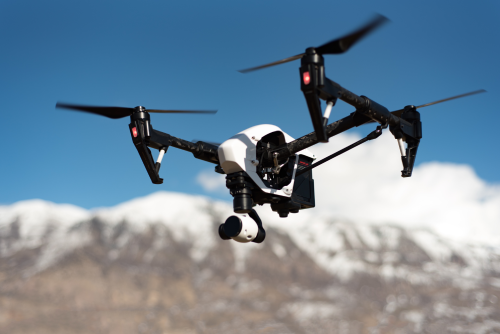
Choosing between a toy drone and a camera drone is one of the first big decisions new buyers make, and it often decides whether the hobby feels fun or frustrating. For most beginners in India, the right answer depends less on price alone and more on what you actually want to do: learn basic flight, make videos, travel, or eventually use a drone for content or business.
Quick Take
- Buy a toy drone if you want a low-risk way to learn basic stick control, expect a few crashes, or are buying for a child with supervision.
- Buy a camera drone if your real goal is photos, videos, travel content, stable outdoor flying, or serious long-term learning.
- If you are an adult beginner who already knows you want aerial footage, it is often smarter to skip the toy drone and start with a good entry-level camera drone.
- Many products sold as “camera drones” at very low prices are really toy drones with weak cameras. A camera on the box is not the same as a useful aerial camera system.
- In India, the word “toy” is a retail label, not a legal shortcut. Always verify the latest DGCA, Digital Sky, and local restrictions before buying or flying.
Toy drone vs camera drone: what is the real difference?
The difference is not just whether a drone has a camera. It is about how the drone flies, how stable it is, how safe it feels for a beginner, and what kind of results you can realistically expect.
What is a toy drone?
A toy drone is usually a small, lightweight, inexpensive drone meant for casual flying. It may come with:
- Basic remote control
- Propeller guards
- Altitude hold on some models
- A tiny fixed camera on some versions
- Short flight times
- Little to no wind resistance
- No proper stabilization for video
These drones are mainly for fun, reflex training, and indoor or very calm outdoor use.
What is a camera drone?
A camera drone is built around stable flight and usable image capture. Even beginner models usually offer some mix of:
- Better GPS-based positioning
- More stable hovering
- Better wind handling
- A higher-quality camera
- A gimbal, which is a motorized stabilizer that keeps footage smooth
- Return-to-home, meaning the drone can try to fly back automatically in some situations
- Smarter app controls and flight modes
A camera drone is not just “a drone with a camera.” It is a more complete flying and imaging system.
The simplest way to think about it
If a toy drone is like a remote-control practice tool, a camera drone is like a flying camera platform.
That one difference changes almost everything: flight feel, video quality, safety features, learning curve, cost, and the kind of buyer who will enjoy it.
Side-by-side comparison for beginners
| Factor | Toy Drone | Camera Drone |
|---|---|---|
| Main purpose | Fun, basic practice, casual flying | Photos, video, stable outdoor flying |
| Ease for total beginners | Easy to start, but often twitchy | Easier to hold position, but more setup |
| Wind handling | Poor | Much better on proper models |
| Camera quality | Usually weak or unusable for serious work | Much better, often the main reason to buy |
| Video stability | Rarely smooth | Much smoother, especially with a gimbal |
| Crash cost | Lower | Higher |
| Safety features | Limited | More likely to include GPS, return-to-home, warnings |
| Indoor flying | Better suited | Often less practical indoors |
| Outdoor flying | Only in very calm conditions | Much better if flown legally and safely |
| Learning benefit | Teaches stick inputs and orientation | Teaches stable flight, shot planning, camera work |
| Best for | Kids, casual learners, unsure buyers | Creators, travelers, serious beginners |
| Long-term value | Limited | Higher if you actually use the camera |
Why beginners get confused
A lot of first-time buyers in India do not compare a real toy drone with a real camera drone. They compare:
- a true toy drone, and
- a cheap online “4K camera drone” that is basically still a toy drone
This is where money gets wasted.
A low-cost drone with a tiny fixed camera, no real stabilization, and poor flight control is not a useful camera drone just because the listing says “HD” or “4K.” Those specs can be misleading without stable flight, a decent sensor, and honest sample footage.
When a toy drone is the better buy
A toy drone makes sense for more people than many enthusiasts admit.
Buy a toy drone if you fit one of these profiles
You just want to learn the feel of flying
If you want to understand:
- throttle control
- turning and orientation
- how drones drift
- how to recover from minor mistakes
a toy drone can be a cheap training tool.
You are buying for a child or younger student
A small toy drone with propeller guards, indoor use, and close adult supervision is often the more sensible first step than giving a child an expensive camera drone.
You are not sure the hobby will stick
If you are only curious and do not know whether you will still care in a month, a toy drone is the lower-risk entry point.
You expect crashes during practice
This is a big one. New pilots crash. Toy drones are usually cheaper to repair or replace, and the emotional pain is lower.
You mostly want indoor flying or very short casual sessions
In flats, classrooms, hostel rooms, or sheltered open spaces, a toy drone can still be fun.
What a toy drone teaches well
A toy drone can help you build:
- hand-eye coordination
- left-right orientation
- smoother control inputs
- confidence after small mistakes
That said, toy drones do not always teach the same flight style as a modern GPS camera drone.
The biggest limits of toy drones
Toy drones frustrate beginners when they expect too much from them.
Common limitations include:
- unstable flight in even mild wind
- weak battery life
- poor video
- bad app experience
- drifting that makes outdoor flying stressful
- low spare-part support
If your end goal is travel videos, YouTube content, college projects, or real estate visuals, you will outgrow a toy drone very quickly.
When a camera drone is the better first buy
For many adult beginners, a proper entry-level camera drone is the smarter decision from day one.
Buy a camera drone if your real goal is content
If you want to shoot:
- travel clips
- social media reels
- family trip videos
- landscape shots
- site progress photos
- basic promotional footage for a small business
you need a drone that can hold position well and capture stable footage. A toy drone usually cannot do that.
Buy a camera drone if you care about easier outdoor flying
This sounds backward, but it is often true.
A proper camera drone may be easier for a beginner outdoors because it usually offers better:
- hover stability
- GPS positioning
- return-to-home
- wind resistance
- battery and signal management
A toy drone may be cheaper, but it can actually feel harder to control in open spaces.
Buy a camera drone if you want to learn the right workflow early
Flying a camera drone teaches more than stick control. It teaches:
- pre-flight checks
- framing
- shot planning
- safe takeoff and landing habits
- battery management
- weather awareness
- post-flight review
That is far more useful if you eventually want to become a competent drone user rather than just a casual flyer.
Buy a camera drone if you know you will upgrade anyway
A common beginner path looks like this:
- Buy a toy drone
- Enjoy it for a week or two
- Realize the camera is poor
- Get frustrated outdoors
- Buy a camera drone anyway
If that sounds like you, the toy drone may only delay the real purchase.
Which one is easier for a beginner to fly?
The honest answer is: it depends on where and why you are flying.
For indoor practice
A toy drone is usually more practical because it is:
- smaller
- lighter
- less intimidating
- cheaper to crash
For stable outdoor learning
A real camera drone is often easier because it can hold position better and respond more predictably.
For pure manual skill-building
A toy drone may force you to develop faster reactions.
For safe shot-making and confidence
A camera drone is usually better because the drone does more to help you maintain stability.
So which teaches “better” flying? It depends on your definition.
- If “better” means raw stick reflexes, toy drone.
- If “better” means stable, responsible, real-world drone use, camera drone.
The most important buying question: what do you want in 30 days?
Beginners often choose based on price alone. A better approach is to ask what you want the drone to do after your first month.
If after 30 days you want to…
Fly around the house or terrace for fun
Choose a toy drone.
Shoot usable videos on trips
Choose a camera drone.
Learn before spending big
Choose a toy drone, or borrow/rent a camera drone session if available.
Build a content hobby seriously
Choose a camera drone.
Give a first drone to a school-going child
Choose a toy drone with supervision and safety in mind.
Explore future professional use
Start with a camera drone, but also study current compliance requirements before planning paid work.
The hidden costs beginners ignore
The drone is not the only cost.
With a toy drone, people forget
- spare propellers
- extra batteries
- cheap batteries that stop performing quickly
- lack of service support
- difficulty finding replacements later
With a camera drone, people forget
- extra batteries
- memory card
- compatible phone or tablet
- spare propellers
- carrying case
- after-sales support
- repair costs after a crash
- compliance steps depending on the model and use case
A low upfront price can become expensive if the drone is unreliable, unsupported, or impossible to repair.
Beware of fake “camera drone” marketing
This is one of the most important buying tips for Indian beginners.
Red flags to watch for
- “4K” listed, but no real sample footage
- no mention of stabilization or gimbal
- foldable design copied from premium drones
- very aggressive claims about range or battery life
- no clear brand support or service presence
- vague app requirements
- no spare parts or warranty clarity
What actually matters more than a “4K” label
- stable hovering
- predictable controls
- good wind handling
- honest battery performance
- image stabilization
- proper support and spares
A shaky 4K-looking spec sheet is less useful than a stable lower-resolution drone that you can actually fly well.
What features should beginners prioritize?
If you are buying a toy drone, prioritize:
- propeller guards
- easy controls
- stable altitude hold
- spare parts availability
- replaceable batteries
- decent remote quality
If you are buying a camera drone, prioritize:
- reliable hover stability
- GPS
- return-to-home
- good app support
- usable image quality
- solid battery ecosystem
- proper service or repair options
- honest real-world reviews
- decent wind handling
- a gimbal if video quality matters
A note on obstacle avoidance
Some camera drones offer obstacle sensing or avoidance. It helps, but it is not magic.
Beginners should not treat it like a guarantee against crashes. Thin branches, wires, bad lighting, and sideways movement can still cause accidents.
India-specific buying checklist
Before you pay, run through this checklist.
- Do not rely on the word “toy.” In India, legal and operational requirements depend on the drone’s class, capabilities, use case, and current rules, not just seller language.
- Verify the latest official guidance. Check DGCA and Digital Sky requirements before buying and definitely before flying.
- Ask about support in India. Service centers, spare batteries, and propellers matter.
- Check app compatibility. Some drones work poorly with older Android phones or certain operating systems.
- Look for genuine seller support. A GST invoice, return policy, and clear warranty terms can save you trouble.
- Check battery availability. If extra batteries are unavailable, the drone becomes less useful very quickly.
- Look up real user footage. Not promo videos. Real footage tells you more than the box.
- Think about where you will actually fly. Small flat, campus, village field, hill station trip, housing society terrace, or travel use all point to different choices.
- Factor in local restrictions. Parks, campuses, tourist sites, and gated communities may have their own limits.
- Buy for your next step, not just your first day. The right beginner drone should still feel useful after the learning phase.
Safety and legal basics for beginners in India
Drone rules and platform requirements can change, so always verify the latest official position before acting. That matters even more if you are buying a camera drone for regular outdoor use.
The safest beginner assumptions
- Do not assume a seller’s “toy drone” label makes it automatically unrestricted.
- Do not fly near airports, helipads, military or sensitive locations, crowded areas, or over people.
- Keep the drone within visual line of sight.
- Avoid flying in strong wind, rain, or poor visibility.
- Respect privacy. Do not record people or private property without permission.
- Check local site rules in addition to national rules.
- If you plan any paid or commercial work, verify current compliance requirements first instead of trusting social media advice.
A practical beginner rule
If you are ever unsure whether a flight is allowed, safe, or appropriate, do not launch until you confirm.
Common mistakes beginners make
Buying a toy drone for photography
This is probably the biggest mistake. If your main goal is footage, a toy drone usually disappoints.
Buying the cheapest “camera drone” online
Many ultra-budget camera drones are simply poor toy drones with a camera attached.
Ignoring after-sales support
A drone without batteries, propellers, or repair options can become useless fast.
Flying the first time in wind
Beginners should not make their first outdoor flight on a windy terrace or open field.
Trusting GPS too much
GPS helps, but it does not replace skill, judgment, or proper pre-flight checks.
Practising in the wrong place
A crowded park, housing society courtyard, or road-adjacent open plot is not a smart first training ground.
Buying only one battery
Short flight time is normal. One battery often means you spend more time setting up than actually learning.
Forgetting the camera workflow
If you buy a camera drone, you also need to manage storage, file transfer, and basic editing.
So, what should most beginners in India buy?
Here is the practical answer.
Buy a toy drone if:
- you are completely unsure about the hobby
- you want a low-cost practice tool
- you are buying for a child
- you mainly want indoor fun
- you accept that video quality will be poor or irrelevant
Buy a camera drone if:
- you are an adult beginner who specifically wants aerial photos or videos
- you want a drone for travel, content, or documentation
- you want more stable outdoor learning
- you plan to stay in the hobby
- you can afford the drone plus batteries, accessories, and safe operating habits
The best middle-ground advice
If your budget only reaches ultra-cheap “camera drones,” do not rush. In many cases, it is better to either:
- buy a genuine toy drone and treat it as a practice tool, or
- save a bit longer for a real entry-level camera drone
That avoids the worst outcome: paying for a “camera drone” that is neither fun to fly nor useful for filming.
A 5-minute decision guide
If you still feel stuck, use this quick process.
- Write your main purpose in one line. Fun, learning, travel videos, content creation, or business exploration.
- Decide where you will fly most. Indoors, terrace, open field, or trips.
- Ask if camera quality truly matters. If yes, lean camera drone immediately.
- Assume you will crash at least once. Choose based on what loss you can handle.
- Check Indian support and compliance. If service and legality are unclear, reconsider the model.
- Buy the drone that still makes sense after one month. Not the one that only feels exciting on the shopping page.
FAQ
Is a toy drone good for learning before buying a camera drone?
Yes, if your goal is basic control practice and low-risk fun. No, if your main goal is aerial video, because the flight feel and results are very different.
Can a toy drone take good photos or video?
Usually not in any serious sense. Some can record basic clips, but image quality and stability are typically poor.
Is a camera drone too difficult for a first-time flyer?
Not necessarily. A good beginner camera drone is often easier outdoors than a twitchy toy drone because it can hover more steadily and offer flight assistance.
Are toy drones automatically legal to fly in India?
Do not assume that. “Toy” is often a seller label, not a complete legal answer. Always verify the latest DGCA, Digital Sky, and local restrictions.
What matters more than camera megapixels?
Flight stability, stabilization, wind handling, sensor quality, and honest real-world footage matter more than a big number on the box.
Should kids start with a toy drone or camera drone?
Usually a toy drone, with adult supervision and a safe practice area. A camera drone is more expensive, more complex, and riskier to crash.
Can I use my first camera drone for paid work?
Possibly, depending on the drone, the work, the location, and current Indian requirements. Verify the latest official compliance rules before planning any commercial use.
Is buying a second-hand camera drone a good idea?
It can be, but only if you can verify battery health, crash history, firmware/app support, and availability of parts or service. Beginners should be extra careful.
Do I need a gimbal on my first camera drone?
If smooth video matters, yes, a gimbal makes a major difference. A fixed camera on a shaky platform will rarely give satisfying footage.
Final takeaway
If you want a cheap way to learn basic controls or buy a first drone for a child, get a toy drone. If you are an adult beginner who genuinely wants photos, videos, travel content, or long-term value, skip the toy and buy a proper entry-level camera drone. The smartest first purchase is not the cheapest drone; it is the one that matches your real goal and can be flown safely and legally in India.
