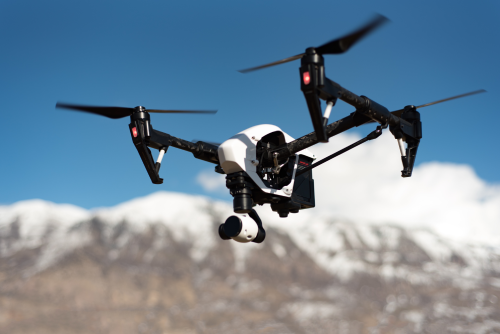
The best drone photos on Instagram are rarely the most complicated ones. These top drone photography ideas for Instagram work because they use clean shapes, strong light, and a clear subject that still looks interesting on a small phone screen.
For creators in India, that opens up a lot of options: beaches, backwaters, forts, tea estates, farms, ghats, rooftops, desert textures, and hill roads. If you pair the right idea with safe flying, legal checks, and simple editing, your next aerial post can look far more intentional.
Quick Take
- The strongest Instagram drone photos usually have one main idea: symmetry, pattern, scale, contrast, or leading lines.
- Soft light works best. Sunrise and late afternoon are safer bets than harsh midday light.
- Shoot wider than you think you need so you can crop for Instagram’s 4:5 portrait format later.
- Use both top-down shots and angled shots. Top-down means the camera points straight down; angled shots show depth and context.
- Add scale with one person, one boat, one car, or one tree, but never fly dangerously close to people or moving traffic.
- In India, always verify the latest DGCA, Digital Sky, and local site rules before flying. Tourist spots, monuments, coasts, forests, and city areas may have restrictions.
- Don’t over-edit. Clean contrast, natural colour, and a straight horizon usually beat heavy HDR-style edits.
What makes a drone photo work on Instagram
A good drone image is not just “high up.” It needs to read quickly.
On Instagram, people decide in seconds whether to stop scrolling. That means your photo needs a strong visual hook even when it appears small. The best aerial images usually use one or more of these elements:
- Symmetry: stepwells, courtyards, bridges, temple tanks, or plantation rows
- Patterns: fields, rooftops, palm trees, dunes, waves, or boats
- Leading lines: roads, jetties, river curves, walls, or ridges that guide the eye
- Negative space: intentionally empty space around the subject to make it stand out
- Scale: a tiny human, bike, or boat that shows how large the landscape is
- Colour contrast: blue water against warm sand, green farms against muddy paths, white buildings against dark rock
A simple test helps: if you zoom out and your image still has one clear point of interest, it is probably Instagram-friendly.
20 top drone photography ideas for Instagram
1. Top-down beach patterns
A straight-down beach photo can turn ordinary sand and water into abstract art. Look for wave lines, footprints, umbrellas, rocks, or a single person walking through open space.
This works especially well on cleaner, less crowded beaches in Goa, Karnataka, Kerala, Tamil Nadu, or Odisha. Try low tide for more texture. Avoid flying over crowds, and wait for a sparse section of beach instead of forcing the shot.
2. A lone boat on still water
One small boat in a large area of calm water creates immediate scale and minimalism. This is one of the easiest ways to make a drone photo look expensive.
It works beautifully in Kerala backwaters, lakes, reservoirs, and calm early-morning rivers. Shoot both straight down and at a slight angle. The frame becomes stronger if the boat is off-center rather than dead in the middle.
3. Stepwells and courtyard symmetry
Stepwells, old courtyards, and geometric heritage structures are almost made for drone photography. The repeating steps and shapes look powerful from above.
Gujarat and Rajasthan are especially rich in this style of subject, but many heritage properties and old complexes across India can work. Be careful here: historical sites often have strict rules. Never assume drone flying is allowed near monuments or protected areas. Verify permissions before planning the trip.
4. Tea estate or plantation curves
Tea gardens, coffee estates, and other plantations create flowing lines that look excellent from an angled aerial view. The rows naturally guide the eye through the image.
Munnar, Darjeeling, Nilgiris, Coorg, and Assam offer this kind of landscape, but access and permissions matter. An early morning shoot with soft mist can add depth without needing heavy editing.
5. Monsoon patchwork farms
After the rains, farmland often turns into a patchwork of greens, browns, and wet textures. From above, fields can look like a giant hand-painted map.
This is one of the most underrated drone photography ideas for Instagram in India because it is available far beyond tourist hotspots. Ask before taking off near private farmland, keep distance from workers, and avoid disturbing livestock.
6. A fort on a ridge at sunrise
A hill fort or ridge-top ruin can look dramatic when side light reveals its walls and contours. The best approach is often not straight above, but a high oblique angle that shows both the structure and the landscape around it.
Many creators make the mistake of shooting only the fort. Include the valley, cliffs, or ridgeline so the place feels grand. Again, many forts and historic sites have local restrictions, so verify first.
7. River bends and ghats from a respectful distance
Aerial views of river curves, ghats, or long stairways can look striking when the shape of the water and built environment work together. The photo becomes stronger if you focus on form rather than crowd activity.
This can work near riverside towns and pilgrimage areas, but be especially careful with privacy, religious sensitivity, and local rules. Avoid low flights near people and never treat crowded ghats as a “content opportunity.”
8. Jetties, piers, and docks as leading lines
A long jetty cutting into water is one of the easiest ways to create a strong composition. The line naturally pulls viewers into the frame.
Try a centered composition for symmetry, or place the jetty diagonally for more energy. Calm water gives a clean look, while textured water adds drama. Keep extra battery margin when flying over water because return decisions matter more there.
9. Curving roads through hills or the coast
An S-shaped road viewed from above creates instant movement. It feels cinematic even in a still photo.
This idea works in the Western Ghats, coastal roads, hill stations, and valley routes. The key is timing: wait for one interesting vehicle rather than a cluttered road. Never hover close to traffic or distract drivers, and be aware that some road and infrastructure areas may have restrictions.
10. Palm grove and coconut tree grids
Palm trees seen from above create neat, repeating circles and shadows. In the right light, this can look both tropical and highly graphic.
Kerala, Goa, coastal Karnataka, Tamil Nadu, and island-style resorts often have great palm patterns. Straight-down shots work best, especially when the spacing between trees is regular.
11. Desert dunes and long shadows
Dunes, dry hills, and sandy textures become much more dramatic when the sun is low. The shadows create shape, and even a single person can add a lot of scale.
Rajasthan offers the obvious version of this idea, but dry terrain elsewhere can work too. Use a faster shutter if there is wind. Sand and dust are hard on equipment, so plan takeoff and landing carefully.
12. Cliff edge and sea contrast
A cliff meeting the ocean creates bold contrast: dark rock, white surf, blue or green water. This type of photo looks strong even with simple editing.
Keep a generous distance from cliff edges and be prepared for unpredictable wind. The best frames usually show both the cliff shape and the water texture, not just one or the other.
13. A lone subject in a large open landscape
If you want a dramatic Instagram post, place one person in a big empty frame. It could be a beach, a salt flat, a grass field, a dry riverbed, or a rocky plateau.
Dress the subject in a colour that stands out from the background. Coordinate clearly, keep them stationary, and do not descend close to them for effect. The power of this shot comes from distance, not proximity.
14. Rooftop geometry and urban colour blocks
From above, ordinary rooftops can become a grid of terraces, water tanks, stairs, and paint colours. Older neighbourhoods and dense modern layouts both have visual potential.
This idea works best when you respect privacy. Avoid peeking into homes, balconies, or courtyards. Go for a wider, design-focused frame rather than a voyeuristic one.
15. Bridge symmetry over water
Bridges create strong lines, repeated supports, and beautiful reflections. The image can work as a centered composition or from an angle that shows the bridge slicing through a river or lake.
Be extra cautious here. Infrastructure, traffic, and sensitive areas may involve restrictions. Even where flying is allowed, a safer creative choice is often to shoot from the side at a distance rather than directly above active traffic.
16. Reflections in lakes and backwaters
A reflection shot can make an aerial photo look cleaner and calmer. Early morning is usually best because wind is lower and the water is smoother.
A single tree line, dock, or boat reflected in water gives the image balance. Protect your highlights so the bright sky reflection does not blow out into white patches.
17. Waterfalls shown in the wider landscape
Many beginners fly too close to waterfalls and end up with a messy, misty frame. A better approach is to step back and show the waterfall in relation to the surrounding forest, rocks, or river path.
This tells a stronger story and is usually safer for the drone. Moisture, spray, and swirling wind can affect stability, so keep more distance than you think you need.
18. Fog layers rolling over hills
Fog can turn an ordinary hill scene into a moody, premium-looking Instagram image. Layers of ridges with soft mist between them create depth without much editing.
This idea works in many hill regions during the right season, but fog also makes flying harder. Maintain visual line of sight, watch battery carefully, and do not push range in low visibility.
19. Dry riverbeds and cracked-earth textures
When a location is visually “empty” on the ground, it can still be powerful from above. Dry riverbeds, cracked mud, salt patterns, and rocky flats create abstract textures that look unique on Instagram.
Use a top-down composition and keep the frame simple. One small subject, such as a person or bicycle, can make the texture feel even bigger.
20. Flower fields and orchard rows
Rows of blooming flowers or fruit trees can create bold colour and repetition. Even if the flowers are not dense, the line patterns often look great from an angled shot.
Always get permission from the owner or manager. Avoid low passes over workers, and be careful not to disturb farm activity. This is the kind of location where respectful behaviour matters as much as camera skill.
How to shoot these ideas well
A good location helps, but the process matters just as much. Here is a simple workflow that improves most Instagram drone photos.
1. Start with the crop in mind
Instagram often rewards vertical images because they occupy more screen space. Even if your drone naturally shoots wide horizontal frames, leave enough room to crop to 4:5 portrait later.
A practical approach is to capture: – one wide establishing frame – one tighter frame – one version with extra space above and below for vertical crop
2. Shoot in better light
For most scenes, the best times are: – Early morning for calm water, soft contrast, and mist – Late afternoon for warm tones and longer shadows – Midday only when you specifically want clean top-down patterns, bright water, or graphic geometry
3. Use simple, safe camera settings
If your drone allows manual control, a good starting point for still photos is: – Keep ISO as low as possible – Use a fast enough shutter to avoid blur from wind or movement – Shoot RAW if available, because it gives more editing room – Set a fixed white balance if the camera keeps shifting colour between shots – Slightly protect highlights in bright scenes so clouds, water, or sand do not lose detail
4. Try both main aerial angles
For every location, capture: – Top-down: camera facing straight down for patterns and abstraction – Oblique: camera tilted forward for depth and context
Many creators only use one style. The stronger Instagram carousel usually includes both.
5. Keep the frame simple
Before pressing the shutter, ask: – What is the main subject? – What is distracting? – Can I move slightly left, right, higher, or lower to simplify the frame?
A small move often removes a road sign, messy edge, shadow, or random object that weakens the shot.
6. Edit lightly but deliberately
A clean edit usually beats a dramatic one. Try this order:
- Straighten the horizon if needed.
- Crop for the final platform.
- Fix exposure and white balance.
- Reduce highlights and open shadows carefully.
- Add contrast and clarity in moderation.
- Fine-tune colour so greens, blues, and skin tones stay believable.
- Sharpen lightly for mobile viewing.
If people can immediately tell the image was heavily processed, you probably went too far.
Safety, legal, and compliance checks in India
Drone photography is not just about composition. It is also about lawful, safe flying.
Because rules can change, always verify the latest official guidance from DGCA, Digital Sky, and any local authority or site management before you fly. Do not rely on old social media posts or second-hand advice.
Keep these checks in mind:
- Confirm the location is allowed for drone operations before you travel.
- Be extra careful around airports, military areas, government installations, major infrastructure, coastlines, forests, and sensitive locations.
- Tourist sites, forts, monuments, resorts, and private properties may require permission even if the open landscape nearby seems easy to access.
- Do not fly over crowds, public gatherings, traffic, or religious events.
- Respect privacy. Avoid close identifiable shots of people without consent.
- Watch weather closely, especially coastal winds, mountain gusts, heat haze, and monsoon changes.
- Maintain visual line of sight and leave enough battery to return comfortably.
- Have a clean takeoff and landing zone. Many incidents happen before the “creative” part even begins.
If a location feels legally unclear or operationally risky, choose another shot. Instagram is never worth a compliance issue or an accident.
Common mistakes that make drone photos look average
Even good locations can produce weak results if you fall into these habits.
- Flying too high: Height is not the same as impact. Very high shots often lose detail and emotion.
- No clear subject: “Everything” in the frame usually means nothing stands out.
- Ignoring the light: Harsh noon light can flatten most landscapes unless you are intentionally shooting graphic patterns.
- Crooked horizons: A small tilt makes an image feel careless.
- Over-editing greens and blues: This is common in drone posts and quickly makes scenes look fake.
- Forgetting Instagram crops: A perfect wide shot may become awkward when cropped vertically.
- Only shooting top-down: Great for patterns, but weak if every post looks the same.
- Messy edges in the frame: Random poles, partial roads, or cut-off structures pull attention away.
- Getting too close to people or property: This is both a safety and privacy problem.
- Chasing viral shots without context: What worked at one location may look forced somewhere else.
A better rule is simple: make the frame cleaner, not more complicated.
FAQ
What aspect ratio works best for Instagram drone photos?
A 4:5 portrait crop usually performs well because it fills more of the phone screen. Square still works for some symmetrical top-down shots, but if you want flexibility, shoot wide enough to crop later.
What are the best camera settings for drone photography on Instagram?
For still photos, keep ISO low, use a fast enough shutter to avoid blur, shoot RAW if available, and protect highlights. You do not need complicated settings to get strong results.
Is midday always bad for drone photography?
No. Midday can work well for top-down beach shots, clear water, rooftop geometry, and graphic patterns. For most landscapes, though, sunrise or late afternoon gives better depth and mood.
Can I fly my drone at forts, tourist spots, or ghats in India?
Sometimes, but do not assume. These places may have local restrictions, heritage protections, crowd issues, or site-specific permission requirements. Always verify before you fly.
How high should I fly for a good Instagram photo?
There is no one perfect height. Start lower than you think, review the frame, then climb gradually. Many of the best aerial photos are made at moderate height where patterns and subject detail are still visible.
Do I need an expensive drone to create Instagram-worthy photos?
Not necessarily. Light, composition, timing, and editing matter more than chasing the most expensive model. A basic camera in good conditions can outperform a premium camera used badly.
Is it safe for beginners to shoot over water?
It is better to build confidence on land first. Water leaves almost no recovery margin if you misjudge wind, battery, or orientation. If you do fly near water, keep extra distance and extra battery reserve.
Should I use ND filters for drone photos?
ND filters are more important for video than for regular still photography. For Instagram photos, they are not essential in most situations unless you are trying a specific long-exposure style or dealing with extreme brightness.
How many images should I post from one drone shoot?
Usually one strong hero image works best for a single post. If you are using a carousel, 3 to 5 images with clear variation, such as top-down, angled, and detail shots, often feel stronger than posting ten similar frames.
How much editing is too much?
If water looks neon, shadows are muddy, or the image starts to feel artificial, you have gone too far. Aim for clarity and mood, not shock value.
Final takeaway
If you want better Instagram drone photos, stop thinking only about “flying higher” and start thinking about patterns, scale, light, and simplicity. Pick one idea from this list, verify the location is legal and safe, shoot both top-down and angled versions, then crop and edit with restraint. That alone will make your next aerial post look far more polished.
