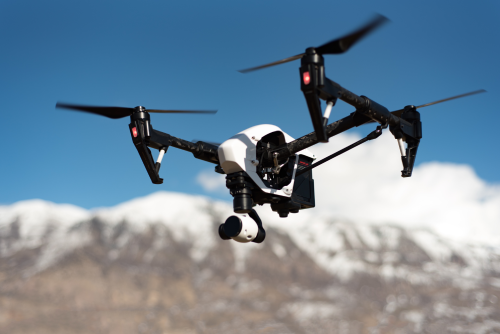
Choosing between a mini drone and a full-size drone sounds simple, but it affects everything from portability and image quality to wind performance and total ownership cost. In the mini drone vs full-size drone debate, the right choice for most buyers in India depends less on size alone and more on how, where, and why you plan to fly. Buy for your real use case, not for brochure bragging rights.
Quick Take
- A mini drone is usually the smarter choice for beginners, travellers, students, and casual creators who want something easy to carry and actually use often.
- A full-size drone makes more sense when you need better wind stability, stronger cameras, heavier payloads, or repeatable results for professional work.
- Do not assume “mini” means “free from rules.” In India, compliance can depend on the drone’s actual weight, features, and use case. Always verify the latest official guidance before buying or flying.
- Cheap toy mini drones and serious mini camera drones are not the same thing. One is mainly for fun or basic stick practice; the other is for real aerial imaging.
- If your work is mostly daytime travel footage, social media content, or simple property shots, a good mini drone is often enough.
- If you need low-light performance, zoom, thermal imaging, mapping, or reliable operation in tougher outdoor conditions, full-size is usually the better tool.
- In India, after-sales support, spare parts, and battery availability matter almost as much as the drone itself.
- If you are unsure, choose the drone you will carry and fly every week, not the one that looks more impressive on paper.
What counts as a mini drone, and what counts as a full-size drone?
For buyers, these terms are often used loosely. It helps to think in practical categories instead of marketing labels.
Mini drone
A mini drone is a compact drone built around portability.
In the consumer market, this usually means:
- a small foldable body
- a lightweight design, often around or under the very light end of the market
- a fixed camera on a motorised stabiliser, often called a gimbal
- easy packing in a backpack or sling
- fast setup for solo flying
Mini drones are popular with:
- first-time buyers
- travel creators
- students
- family users
- hobbyists who want quick, simple aerial shots
Full-size drone
A full-size drone is a larger platform designed to prioritise performance over portability.
That can include:
- larger consumer camera drones
- prosumer drones for paid shoots
- enterprise drones for inspection, surveying, agriculture, or public safety
These drones usually offer some combination of:
- stronger motors
- better wind resistance
- larger batteries
- bigger or better cameras
- more advanced obstacle sensing
- the ability to carry extra equipment, called payloads
A payload can be a zoom camera, thermal camera, multispectral sensor, or other specialized module.
One important warning: not all mini drones are equal
A toy mini drone and a serious mini camera drone are completely different purchases.
A toy mini drone may help you practise basic controls indoors, but it usually has:
- weak outdoor performance
- poor stabilisation
- poor image quality
- little or no GPS support
- limited safety features
If your goal is real photography, travel footage, or learning modern drone flying properly, compare camera drones, not toys.
Mini drone vs full-size drone: the trade-offs that matter
| Factor | Mini drone | Full-size drone |
|---|---|---|
| Portability | Excellent; easy to carry daily | Bulkier; needs more bag space and planning |
| Ease for beginners | Less intimidating and simpler to live with | Often easy to fly too, but more serious to transport and operate |
| Wind handling | Usually weaker in open, windy areas | Usually better stability and control outdoors |
| Camera quality | Good for daylight and casual creator work | Better for professional grading, low light, and demanding clients |
| Payload options | Usually fixed built-in camera | More likely to support zoom, thermal, mapping, or other sensors |
| Setup speed | Fast to unpack and launch | Slower, especially with bigger batteries and more accessories |
| Total cost | Lower entry cost, though accessories still add up | Higher upfront and higher battery, repair, and accessory costs |
| Travel friendliness | Ideal for frequent travel | Less convenient for train, car, and flight movement |
| Business use | Suitable for some basic paid work | Better for regular commercial operations |
| Compliance complexity | May be simpler in some cases, depending on the drone and use | Often involves more operational planning; verify current rules |
The big takeaway is simple: mini drones win on convenience, while full-size drones win on capability.
Choose a mini drone if these sound like you
A mini drone is often the best first drone because it removes friction. If a drone is easy to carry, quick to launch, and not stressful to manage, you are far more likely to use it.
You are a beginner who wants to learn without overcommitting
A good mini drone lets you learn:
- take-off and landing habits
- framing and composition
- basic camera movement
- battery discipline
- safe distance judgment
- simple pre-flight checks
You do not need a large platform just to learn fundamentals.
In fact, many first-time buyers in India regret buying too big too early. They spend more money, carry more weight, worry more about damage, and end up flying less.
You care about travel, portability, and quick content
If your drone is for:
- weekend road trips
- holiday videos
- YouTube and Instagram content
- scenic daylight photography
- quick establishing shots for vlogs
then mini makes a lot of sense.
A small drone is easier to keep with you in the car, on a bike ride, or in a backpack. That convenience matters more than most spec sheets admit.
You mostly shoot in daylight
Mini drones today can produce very good results in bright conditions.
For many buyers, they are already good enough for:
- social media
- casual YouTube work
- resort or homestay promos
- simple real estate exteriors
- family memories
- travel edits
If your delivery is mostly short-form video viewed on phones, the jump to a full-size drone may not always justify the extra cost.
You want a lower total cost of ownership
The drone itself is only part of the bill. You may also need:
- extra batteries
- a charger or charging hub
- spare propellers
- memory cards
- a case or bag
- maintenance or repair support
Mini drones usually keep all of these costs more manageable.
You want a drone you will actually carry
This sounds obvious, but it is the most important buying rule in this article.
A full-size drone with better specs is useless if it stays at home because it feels like a chore to carry.
For many hobbyists and creators, the best drone is the one that is always available when the light is good.
Choose a full-size drone if these sound like you
A full-size drone is the right tool when convenience is no longer the top priority. If your output must be consistent, client-ready, or operationally demanding, the larger platform usually earns its extra size.
You fly in windier, harsher outdoor conditions
This is a major point for Indian buyers.
Open fields, coastal areas, hill locations, industrial sites, and rooftops can expose a drone to strong gusts. A mini drone may still fly, but that does not mean it will hold position well enough for smooth footage or confident operation.
A full-size drone usually gives you:
- stronger wind resistance
- steadier movement
- more confidence during take-off and landing
- more consistent performance during longer outdoor sessions
You need better image quality for paid work
For professional users, the camera matters more than the marketing tag.
Full-size drones often offer better:
- low-light results
- highlight and shadow detail
- colour flexibility in editing
- lens choices
- zoom capability
When people talk about better dynamic range, they mean the camera can preserve more detail in bright skies and dark shadows in the same shot. That matters for premium real estate, ad work, tourism films, and commercial storytelling.
You need specialized payloads
If your work involves more than a wide-angle video camera, mini drones quickly hit a ceiling.
Full-size drones are more suitable for:
- mapping and survey workflows
- solar inspection
- infrastructure inspection
- thermal imaging
- zoom-based observation
- agriculture tasks using specialized sensors
- public safety or industrial documentation
If your job depends on a payload, mini is usually not the right category.
You run a business and downtime costs money
For hobby use, a missed weekend flight is frustrating.
For business use, a missed job costs real money.
If you are a professional operator, you need to think about:
- reliability over repeated flights
- battery rotation
- spare part access
- service support
- predictable performance in difficult conditions
- the ability to meet client expectations consistently
That is where full-size drones usually justify their higher cost.
You need a primary workhorse, not a casual companion
Many professionals eventually use both categories:
- a mini drone as a travel or backup unit
- a full-size drone as the main earning machine
If you can clearly explain why you need stronger wind handling, better image quality, or specialized sensors, a full-size drone is probably the right investment.
India-specific factors buyers often underestimate
A drone that looks perfect in a global review may behave very differently in Indian conditions.
Wind is a bigger issue than many first-time buyers expect
In India, even ordinary-looking locations can become challenging because of:
- hot afternoon gusts
- rooftop turbulence
- open farmland
- beachside winds
- hill and valley airflow
A mini drone may be perfectly fine in calm morning conditions but struggle later in the day. If most of your flying will happen outdoors in exposed locations, full-size becomes easier to justify.
Heat affects batteries and planning
Indian summers are not kind to lithium batteries.
Whatever you buy:
- do not leave batteries in a hot parked car
- allow packs to cool before recharging
- watch for temperature warnings
- store batteries properly
- avoid back-to-back flights without basic care
Mini drones are convenient, but small batteries still need disciplined handling. Full-size batteries cost more, so poor battery habits become even more expensive.
Dust, humidity, and monsoon matter
Dusty take-off points, coastal moisture, and sudden weather changes are common realities.
Before buying, think about:
- how easy the drone is to clean and inspect
- propeller availability
- battery sealing and storage habits
- where you will safely take off and land
A slightly better-built drone from a brand with good service can be a smarter long-term buy than a cheaper option with no support.
After-sales support is not optional
For buyers in India, after-sales support is a real part of value.
Check:
- service centre availability
- spare propeller and battery availability
- repair turnaround time
- seller reputation
- firmware support and app stability
- community support and tutorial availability
A great drone with poor support becomes frustrating very quickly.
Airspace and permissions affect real usability
A lot of buyers think only about the drone, not about where they can legally and safely fly it.
In practice, urban India can be restrictive. Nearby airports, strategic zones, government-sensitive locations, dense traffic, crowded neighbourhoods, and local restrictions can all affect whether a location is usable.
That means the right drone is not just the one you can afford. It is the one you can legally and safely operate in the places that matter to you.
How to decide: ask yourself these 7 questions
If you are stuck between mini drone vs full-size drone, answer these questions honestly.
1. What is the main job of this drone?
Pick the one primary role:
- learning and recreation
- travel and social media
- casual photography
- real estate and promo work
- survey or inspection
- agriculture or industrial work
- professional film production
If your answer is in the first three, mini is usually enough.
If your answer is in the last three, full-size is usually the safer bet.
2. Where will you fly most often?
Think about your real flying environment, not your dream one.
- calm open grounds in good weather
- occasional travel spots
- windy rooftops
- fields and sites
- beachside or hilly terrain
- industrial areas
The tougher the environment, the stronger the case for a full-size drone.
3. What level of camera quality do you actually need?
Be honest here.
If your work is mostly:
- reels
- shorts
- travel edits
- family videos
- basic promo clips
a mini drone may already be enough.
If you need:
- better low-light performance
- more editing flexibility
- cleaner footage for clients
- zoom or special sensors
you are moving into full-size territory.
4. How often will you carry it?
This question is more important than many buyers realise.
If you want a drone for frequent travel or casual spontaneous use, mini has a huge advantage.
If you are building a service business and already travel with larger gear, the bigger platform becomes easier to justify.
5. What is your real budget, including extras?
Do not budget only for the drone body.
Also account for:
- extra batteries
- charging setup
- spare props
- storage and transport
- repairs
- software or workflow costs
- pilot training time
- insurance, if relevant to your use
A “cheap” full-size drone can become expensive quickly. A “small” mini drone can also become poor value if you buy one that cannot do the job.
6. What compliance applies to your use case?
Before purchase, verify the latest official rules for:
- the drone’s weight category
- registration requirements
- pilot qualification requirements
- airspace permission workflow
- whether your drone and operation need specific compliance features
Do not rely only on a marketplace listing or a reseller’s one-line promise.
7. How painful will downtime be?
If the drone is for fun, waiting for parts may be annoying.
If the drone is for client work, downtime can damage your reputation.
If support speed, reliability, and business continuity matter, a full-size drone from a well-supported ecosystem is often worth the extra money.
A simple decision rule
Choose a mini drone if your answers mostly point to:
- portability
- learning
- travel
- daylight shooting
- solo use
- casual or light creator work
Choose a full-size drone if your answers mostly point to:
- wind
- business use
- demanding image quality
- specialised payloads
- repeatable professional performance
- tougher outdoor environments
Safety, legal, and compliance checks in India
This topic matters for both categories.
Treat “mini” as a size description, not a legal guarantee
A drone being marketed as “mini” does not automatically mean you can fly it anywhere or that no compliance applies.
Before buying or flying, verify the latest official position on:
- weight-based category
- registration
- pilot requirements
- permitted airspace
- Digital Sky workflow
- whether NPNT applies
NPNT stands for “No Permission, No Takeoff.” If your drone or operation falls under requirements linked to that system, confirm the current rules from official sources before purchase.
Do not trust casual seller claims
If someone says:
- “No rules apply”
- “No registration needed in every case”
- “You can fly anywhere”
- “Commercial use is automatically fine”
treat that as a warning sign and verify independently.
Fly safely even when the drone is small
A mini drone may be lighter, but it can still cause injury, damage property, or invade privacy.
Avoid flying over:
- crowds
- roads with moving traffic
- private homes without consent
- wildlife areas
- power lines
- sensitive government or strategic locations
Local restrictions can apply even when the drone itself is legally owned.
Business users should think beyond purchase
If you plan to earn with a drone, also think about:
- standard operating procedures
- pilot competence
- battery records
- maintenance checks
- client risk
- insurance
Even when not legally mandatory in every situation, these habits make your operation safer and more professional.
Common mistakes buyers make
Buying a toy drone when they really want a camera drone
This is one of the most common beginner mistakes. A toy mini may be fun, but it is rarely a substitute for a stable GPS-enabled camera drone.
Assuming bigger always means better
A bigger drone may offer more capability, but that does not make it better for your needs.
If your actual goal is travel footage and casual flying, mini can be the better tool.
Ignoring wind and local conditions
Many buyers test their drone on a calm day and assume it will behave the same everywhere. That is not how real flying works.
Forgetting the full ownership cost
Extra batteries, parts, repairs, cases, and support matter. Sometimes the cheaper-looking option becomes the costlier one over time.
Confusing “portable” with “professional”
A mini drone can produce excellent footage, but not every mini drone is designed for demanding commercial work.
Confusing “professional” with “easy money”
Buying a full-size drone does not automatically create a drone business. Commercial work needs skills, consistency, compliance awareness, and client handling.
Skipping official verification before purchase
This is avoidable. Verify the latest official rules first, then spend your money.
FAQ
Is a mini drone enough for YouTube, Instagram, and travel videos?
For most daylight travel and social media content, yes. If your style is wide scenic shots, simple reveals, and short edits for phones or YouTube, a good mini drone is often enough.
Are full-size drones always better in wind?
Usually, yes, but not always in every situation. A larger drone generally has stronger motors and better outdoor stability, but you should still avoid flying in unsafe wind.
Should a complete beginner start with a toy mini drone?
Only if the goal is very basic stick practice on a small budget. If your real goal is aerial photography or serious learning, a proper camera mini drone is a much better starting point.
Can a mini drone be used for paid work?
Yes, for some types of work such as simple travel content, basic resort promos, or daylight property visuals. But client expectations, safety, and compliance still matter, and many professional jobs will benefit from a larger platform.
Is a bigger drone safer because it is more stable?
Not automatically. A bigger drone may be more stable, but it also carries more kinetic energy and needs more space, more discipline, and better risk management.
Do bigger drones always fly longer?
Not necessarily on paper. Some modern mini drones claim long flight times. In real use, larger drones often maintain performance better in wind or under demanding workloads, but you should compare real-world endurance, not brochure numbers.
Can a mini drone do mapping or inspection work?
For basic visual checks, sometimes yes. For serious mapping, thermal, zoom-based inspection, or industrial workflows, full-size or specialized platforms are usually more suitable.
What hidden costs should I budget for?
Extra batteries, charger, spare props, memory cards, case, repairs, training time, and possible insurance. These costs can strongly affect overall value.
What is the safest default choice for most first-time buyers?
A good mini camera drone from a reputable brand, provided it matches your use case and you verify current compliance requirements before flying.
Final takeaway
For most first-time buyers in India, a quality mini camera drone is the smartest starting point because it is easier to carry, easier to use often, and good enough for a lot of real-world content. Choose a full-size drone only when you can clearly name the extra capability you need, such as stronger wind performance, better low-light image quality, or a specialized payload. If you cannot explain that need in one sentence, go mini and spend the saved money on batteries, practice, and safe flying.
