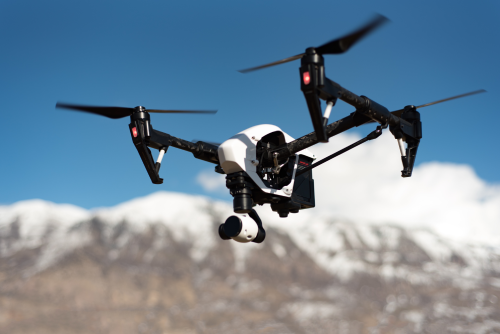
Knowing how to use drone footage for tourism promotion is not just about filming beautiful landscapes. The real value comes from showing travelers what a place feels like, how they will experience it, and why they should choose it over dozens of other options.
For Indian tourism businesses, creators, homestays, resorts, tour operators, and local destination marketers, drone video can become a powerful booking tool when it is planned, shot, and edited with a clear purpose.
Quick Take
- Use drone footage to answer traveler questions, not just to impress them.
- Start with one goal: awareness, bookings, event promotion, activity sales, or off-season demand.
- Mix aerial shots with ground footage of rooms, food, people, culture, and activities.
- Keep movements slow and controlled. Smooth shots look premium and trustworthy.
- Shoot different versions for Reels, YouTube, websites, and ads instead of making one video for everything.
- In India, always verify the latest DGCA and Digital Sky requirements before flying. Some tourist locations may also need separate local or property permissions.
- Avoid risky, invasive, or illegal flights. One bad drone shoot can damage both safety and brand reputation.
Why drone footage works so well for tourism promotion
Tourism is a visual decision. Before a traveler books a stay, a package, or a trip, they want to picture themselves there.
Drone footage helps because it shows:
- Scale of the destination
- Surrounding landscape and views
- Distance between attractions and stay options
- Road access, beachfront location, or hilltop setting
- Atmosphere during sunrise, sunset, or seasonal changes
- How activities fit into the location
A good aerial shot can instantly communicate what ten still photos may not.
For example:
- A hill homestay looks more desirable when viewers see the valley, the road approach, and the morning mist.
- A beach resort becomes more believable when guests can see how close it is to the shoreline.
- A heritage property becomes more compelling when the drone reveals the fort, courtyard, and surrounding old town.
- An adventure camp looks more professional when the video shows the river stretch, safety setup, and camp layout.
But drone footage alone is not enough. Beautiful aerials without story, information, or people often feel generic. The best tourism videos use drones to create context, then use ground shots to create connection.
Start with a tourism goal, not just pretty shots
Before charging batteries, decide what the video needs to achieve.
Different tourism goals need different footage.
| Goal | What to show | Best use |
|---|---|---|
| Destination awareness | Big landscapes, landmarks, routes, crowd energy, seasonal beauty | Tourism campaigns, social media, YouTube |
| Hotel or homestay bookings | Property exterior, location context, pool, garden, views, approach road | Website hero video, Instagram, booking pages |
| Activity promotion | Boating, trekking, rafting, safari entry zones, paragliding takeoff area, safety setup | Reels, ads, short promos |
| Event or festival marketing | Venue overview, crowd flow, stage setup, access, atmosphere | Teasers, sponsor decks, event pages |
| Off-season promotion | Green landscapes, rain-fed scenery, peaceful experience, indoor comforts | Social media campaigns, email, offers |
This one decision changes everything:
- Shot list
- Time of day
- Edit length
- Music style
- On-screen text
- Call to action
If the goal is bookings, your footage should make the stay look convenient and desirable.
If the goal is destination branding, your footage should highlight identity, scale, and mood.
If the goal is activity sales, show excitement, safety, and ease of participation.
Plan the story before you fly
The biggest mistake in tourism drone work is flying first and thinking later.
A strong tourism video usually follows a simple journey:
- Show where the place is
- Reveal why it looks special
- Show what visitors can do there
- Show where they stay, eat, or relax
- End with a feeling and a reason to book
Define the target traveler
A family traveler, a biker group, a honeymoon couple, and a backpacker do not respond to the same visuals.
Ask:
- Is this for Indian weekend travelers or long-stay tourists?
- Are you promoting budget travel, luxury, spirituality, heritage, or adventure?
- Is the destination best in winter, summer, monsoon, or during a festival?
- Does the audience care more about scenery, convenience, privacy, or activities?
A pilgrimage town, a Goa villa, a Coorg coffee estate, and a Ladakh tour package all need very different storytelling.
Build a practical shot list
Do not go to location with a vague plan like “we’ll get some aerials.” Use a shot list.
A solid tourism promotion shot list may include:
- Wide establishing shot of the full area
- Slow reveal of the main attraction
- Approach shot showing road, river, beach, or entrance
- Orbit around the hero subject if space and safety allow
- Top-down shot of patterns, boats, fields, courtyards, or coastline
- Side tracking shot of a road, trail, or waterline
- Pull-back shot showing the property within the larger landscape
- Sunrise or sunset hero shot
- Activity shot with visible human scale
- Closing shot that leaves a memorable impression
Try to capture each scene in more than one version: – Wide – Medium – Slower movement – Slightly different height – Horizontal and vertical if needed
Scout timing and light
Tourism footage lives or dies by light.
Best times are usually:
- Early morning for soft light, fewer crowds, clearer air
- Late afternoon to sunset for warmth and depth
Midday often creates:
- Flat colors
- Hazy skies
- Harsh shadows
- Less premium-looking footage
In much of India, haze, dust, and summer harshness can reduce image quality. In coastal and mountain regions, weather can also change quickly. If you are shooting during monsoon, prioritize safety and do not fly in rain or strong gusts.
Think beyond the landmark
Tourists do not only book a landmark. They book an experience.
So include:
- Entry and access
- Parking area or nearby road
- View from the room or balcony
- Café, breakfast deck, bonfire, pool, or lawn
- Nearby waterbody, market, walking trail, or viewpoint
- Local culture, festival mood, or food setting
This helps the viewer imagine an actual trip, not just a postcard.
What to shoot for tourism promotion
The most effective tourism drone footage usually falls into a few reliable categories.
1. Establishing shots
These are your opening shots.
They answer: – Where is this place? – How big is it? – What surrounds it?
Examples: – A beach curve with resort clusters – A hill village surrounded by tea gardens – A fort rising above the city – A river camp beside forested hills
Use these early in the video.
2. Reveal shots
Reveal shots create curiosity.
Examples: – Rising above a wall to reveal a palace – Moving past trees to show a hidden lake – Coming forward from behind a ridge to show a homestay on the slope
These work very well for short-form tourism reels because they create a strong first impression.
3. Context shots
These help viewers understand practical value.
Examples: – How close a property is to the beach – How the resort sits beside the river – How near a viewpoint is to the stay – How accessible the campsite is by road
These shots build trust. They reduce the gap between marketing and reality.
4. Activity shots
If you are promoting an experience, show movement and participation.
Examples: – Kayaks crossing calm backwaters – Jeeps approaching a camp – Guests walking toward a viewpoint – Boats leaving a jetty – Cyclists on a scenic road
Keep these shots readable. If you fly too high, people become dots and the activity loses emotional impact.
5. Lifestyle and hospitality shots
Tourism promotion is not just geography. It is comfort, mood, and memory.
Use drone footage to show: – A breakfast deck with mountain view – Guests by the pool – Evening lighting in a courtyard – Open lawns for weddings or events – A rooftop café with city skyline
Be careful with privacy. Avoid intrusive shots of guests who have not consented to be filmed.
Camera and flying tips for clean tourism footage
You do not need cinema-level gear to create effective tourism footage, but you do need control.
Use beginner-friendly settings
For most tourism work:
- Shoot in 4K if your drone supports it
- Use 24, 25, or 30 fps for a natural look
- Use 50 or 60 fps only when you plan to slow down action
- Lock white balance instead of leaving it on auto
- Keep exposure consistent across shots
- Use a flatter color profile only if you know how to grade it later
If you are new, a well-exposed standard profile is better than badly graded flat footage.
Understand shutter speed and ND filters
A simple rule for cinematic motion is to keep shutter speed roughly around double your frame rate.
In bright daylight, that is often too much light for the camera. That is where ND filters help. An ND filter is like sunglasses for the camera lens. It reduces light so motion looks smoother instead of overly sharp and choppy.
For tourism videos, this small upgrade can make footage look far more professional.
Fly slowly
Fast flying is exciting for FPV content, but most tourism promotion benefits from slow, smooth, controlled movement.
Good beginner moves include:
- Slow push forward
- Gentle rise
- Smooth pull-back
- Controlled orbit
- Sideways track with level horizon
Avoid sudden yaw movements. Yaw is the drone turning left or right on its own axis. Jerky yaw makes videos feel amateur.
Keep the horizon level
A tilted horizon instantly makes travel footage look careless. Check this before every location change.
Shoot both horizontal and vertical when needed
Tourism businesses often need:
- Horizontal video for websites, YouTube, presentations
- Vertical video for Instagram Reels, Shorts, and Stories
If your drone crops poorly in vertical edits, plan extra space around the subject while shooting horizontal so you can reframe later.
Edit the footage for bookings, not just views
A lot of drone footage gets likes but does not generate inquiries. The fix is simple: edit with a clear viewer action in mind.
A simple tourism editing workflow
-
Pick one main message
Example: “A quiet riverside stay near Rishikesh” or “Weekend escape in the Sahyadris.” -
Start with the strongest shot
The first 2 to 3 seconds matter most, especially on mobile. -
Build a sequence, not a slideshow
Open wide, move closer, show activity, show stay, end with emotional payoff. -
Mix aerial and ground footage
Drone shots show scale. Ground shots show hospitality, faces, rooms, food, and detail. -
Add useful text
Keep it short: – 2-hour drive from city – Riverside cottages – Pet-friendly stay – Ideal for monsoon weekends – Sunrise viewpoint nearby -
Use music that matches the destination
Calm for wellness and retreats, energetic for adventure, elegant for heritage. -
Color grade naturally
Avoid oversaturated greens, neon-blue water, and unreal skies. Tourism buyers dislike footage that feels misleading. -
End with a clear next step
Use a booking prompt, inquiry instruction, event date, or package mention.
Match the edit to the platform
One master video is rarely enough.
- 15 to 30 seconds: Reels, ads, event teasers
- 30 to 60 seconds: social media promos, hotel intros
- 60 to 120 seconds: YouTube, website landing pages, tourism presentations
A good approach is to do one shoot and create multiple outputs: – One hero film – Three short reels – A property/location overview cut – A seasonal promo version – Several 5 to 10 second clips for ads
That is how drone footage becomes a marketing asset instead of a one-time post.
Practical tourism use cases in India
For homestays and boutique stays
Best drone uses: – Show the property in relation to mountains, forest, beach, or river – Highlight privacy and surrounding calm – Show sunrise or sunset from the property – Demonstrate road access and parking space
This works especially well in places like Coorg, Himachal Pradesh, Uttarakhand, Kerala, Sikkim, and the Northeast.
For destination campaigns
Best drone uses: – Showcase natural scale and visual identity – Connect multiple landmarks in one edit – Show seasonal character such as monsoon greenery or winter mist – Build pride and recall for lesser-known locations
Useful for district tourism, local creators, and state campaigns.
For activity operators
Best drone uses: – Show the route and terrain – Show safety setup without getting too technical – Show participants enjoying the activity – Make the activity look exciting but controlled
This is useful for boating, camping, rafting, cycling, trekking support content, and eco-tourism experiences.
For heritage and cultural tourism
Best drone uses: – Reveal architecture and layout – Show how the site sits within the town or landscape – Combine aerials with local performance, food, market, or ritual footage – Emphasize atmosphere, not just structure
Be extra careful here. Heritage sites, religious places, and protected zones may have separate filming restrictions.
Safety, legal, and compliance checks in India
This part matters. Tourism pressure can tempt people into unsafe or unauthorized drone flying. Do not treat popular destinations as automatic drone zones.
Before any tourism shoot in India:
- Verify the latest DGCA and Digital Sky rules before flying
- Confirm whether your drone, operation type, and pilot requirements meet current rules
- Check local airspace status and any restrictions near airports, defence areas, ports, government zones, or border-sensitive regions
- Get written permission from property owners, resorts, event organizers, or site managers where relevant
- Check whether the location falls under a protected monument, wildlife, forest, coastal, or special local authority zone
- Do not fly over crowds, moving traffic, packed beaches, or public gatherings
- Respect privacy, especially around pools, balconies, private villas, and religious settings
- Avoid wildlife disturbance in forests, wetlands, and birding areas
- Do not assume night flying is allowed just because a location looks attractive after dark; verify current rules and permissions first
- Consider commercial liability insurance if you are shooting professionally, and verify policy terms carefully
Also plan for basic field safety:
- Use a clear takeoff and landing area
- Brief clients and bystanders
- Watch wind speed, especially in hills, beaches, and valleys
- Keep extra battery reserve for return
- Stop flying if weather changes suddenly
A tourism video is never worth a safety incident.
Common mistakes that weaken tourism promotion videos
Showing only landscapes
Aerial scenery is powerful, but bookings usually need people, hospitality, and detail. A beautiful valley alone does not sell a stay.
Flying too high all the time
Very high shots look impressive once or twice. After that, they stop being useful. Mix high shots with medium-altitude shots that show experience and scale.
Using harsh midday footage
Especially in India, midday haze can make even famous locations look dull. Better light usually beats better equipment.
Overediting colors
When grass is unnaturally green and water is unreal blue, viewers may enjoy the reel but distrust the brand.
Making the video too long
Most tourism promos work better when they are tight and focused. Cut repetition.
Ignoring practical information
If the video never answers where, what, when, or why, it may get views but few inquiries.
Not planning for reuse
A single shoot should give you multiple assets. If you only export one video, you leave a lot of value unused.
Taking legal shortcuts
Flying without proper checks can get the shoot stopped, create conflict with authorities, upset guests, or damage your reputation.
FAQ
Is drone footage alone enough for tourism promotion?
No. It works best when combined with ground shots, short text, brand identity, and a clear offer or booking path.
What length is best for a tourism promo video?
For most social platforms, 15 to 30 seconds works well. For websites and YouTube, 45 to 90 seconds is often enough unless you are creating a detailed destination film.
Should hotels and homestays use drone footage on their websites?
Yes, if it shows useful context such as location, views, property layout, and surroundings. Keep website videos short and fast-loading.
Do I need permission to fly over a resort or tourist property?
In many cases, yes, you should at least have the property owner or manager’s written approval. You must also verify current aviation and local site restrictions before flying.
Which drone shots help bookings the most?
Usually the most useful are: – Property-in-context shots – Approach and access shots – View reveal shots – Pool, lawn, courtyard, or rooftop overview shots – Activity shots with visible people
Should I shoot vertical or horizontal?
Ideally both. If you must choose one, pick based on where the video will be used most. Social-first campaigns often need vertical. Website and YouTube content usually need horizontal.
What is the best time of day for tourism drone footage?
Early morning and late afternoon are usually best. They offer softer light, fewer crowds, and better color.
Can small tourism businesses reuse one drone shoot for months?
Yes, if the footage is organized properly. One shoot can supply: – Reels – Website banners – Seasonal offers – Event promos – Short ads – Still frames for brochures and posts
How often should tourism businesses update drone footage?
At least when something meaningful changes: – New rooms or amenities – Renovation – Seasonal campaign – Festival calendar – New activity or package – Major change in surrounding access or landscape
Final takeaway
If you want to use drone footage for tourism promotion, stop thinking like a pilot and start thinking like a traveler. Plan a story, show real experience, keep the footage honest and smooth, and verify every legal and safety requirement before flight. Done well, one disciplined drone shoot can become a full tourism marketing package that drives attention, trust, and bookings.
