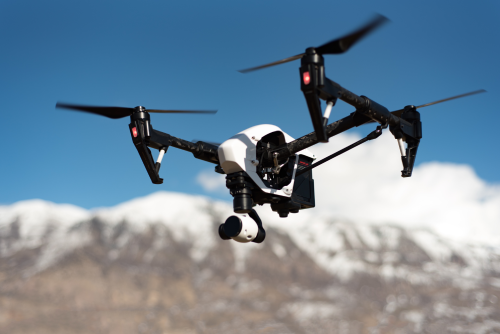
Drone footage can make a brand video look polished, premium, and memorable, but only when it serves the story. If you want to know how to use drone footage for brand videos, the key is not flying more, but flying with purpose.
For Indian businesses, creators, and agencies, drone shots can add scale, location context, and visual energy to a video. But random aerial clips, legal oversights, and weak editing can make a brand film feel generic instead of professional.
Quick Take
- Use drone footage to support the brand message, not replace it.
- Start with a clear goal: awareness, trust, sales, footfall, bookings, or investor interest.
- Plan a shot list before the shoot, including where each drone clip will fit in the final edit.
- Mix aerial footage with ground footage, people shots, product details, and text.
- Keep drone movement slow and intentional for a premium look.
- Shoot during better light, usually early morning or late afternoon, unless the location demands otherwise.
- Match drone visuals to the brand style: luxury, industrial, energetic, calm, local, or aspirational.
- Edit tightly. A few strong aerial shots usually work better than many average ones.
- For India, always verify the latest DGCA and Digital Sky rules, local restrictions, and client permissions before flying.
- Respect privacy, airspace rules, and safety even if the location is private property.
What drone footage should do in a brand video
Drone footage is most useful when it answers one of these questions for the viewer:
- Where is this brand located?
- How big, premium, or accessible is this place?
- What is the environment around it?
- What experience will I get here?
- Why should I trust this business?
That is why drone footage works especially well for:
- Real estate projects
- Resorts and hotels
- Schools and colleges
- Factories and warehouses
- Tourism brands
- Event venues
- Construction and infrastructure firms
- Farms, estates, and industrial land
- Large retail destinations
- Hospitals and institutional campuses
For example:
- A resort in Goa can use a sunrise aerial reveal to show beach access and greenery.
- A warehouse outside Pune can use high-angle tracking shots to show scale, truck movement, and operations.
- A college campus can use a combination of top shots, building reveals, and sports ground flyovers to communicate size and activity.
- A real estate developer can use aerials to show roads, metro connectivity, nearby landmarks, and project layout.
What drone footage should not do is act as filler. A beautiful aerial shot with no message is just scenery.
Start with the brand message before you fly
Many weak brand videos fail before the drone even takes off. The team shoots “whatever looks nice” and tries to build a video later. That usually leads to disconnected footage.
Before the shoot, answer these four questions:
- Who is the video for?
- What is the one message we want them to remember?
- Where will this video be used?
- What action should viewers take after watching it?
A simple planning framework
Use this basic formula:
- Audience: Who will watch?
- Promise: What is the brand offering?
- Proof: What visuals will support that promise?
- Action: What should the viewer do next?
Example
If you are making a brand video for a premium school:
- Audience: Parents
- Promise: Safe, modern, well-rounded campus
- Proof: Drone shots of campus, sports facilities, buses, greenery, classrooms
- Action: Book a campus visit or admission inquiry
If you are making a brand video for a manufacturing company:
- Audience: Buyers, distributors, investors
- Promise: Reliable scale and process quality
- Proof: Aerials of plant size, loading zone, logistics flow, solar installation, production areas
- Action: Contact sales or request a plant visit
When you know the message, drone footage becomes a tool, not a gimmick.
Match drone footage to the brand goal
Not every business needs the same kind of aerials. Use the drone to show what ground cameras cannot show easily.
| Brand goal | Best use of drone footage | Best place in the edit |
|---|---|---|
| Establish location and trust | Wide establishing shot, entrance reveal, neighborhood context | Opening 3 to 5 seconds |
| Show scale | High-angle campus, factory, site, warehouse, event venue | Early-middle section |
| Show experience | Smooth fly-through around pool, lawns, walking paths, outdoor seating, approach roads | Middle section |
| Show accessibility | Nearby roads, parking, landmark proximity, entry points | Early or middle section |
| Show operational capability | Loading bays, fleet movement, site activity, infrastructure layout | Middle section |
| End on a strong brand image | Pull-back shot, sunset rise, logo over hero aerial | Final 3 to 7 seconds |
A simple rule: if the brand is about place, scale, access, or experience, drone footage matters more. If the brand is mainly about a product, a founder, or a service delivered indoors, drone footage should be used more sparingly.
Build a story, not just a shot reel
A brand video is not a travel montage. Even a 30-second video needs structure.
A simple 4-part structure
1. Hook
Start with the strongest visual that makes the viewer stop scrolling or keep watching.
Examples: – A dramatic sunrise reveal of a resort – A top-down shot of a large logistics yard in motion – A slow approach toward a clean, modern campus entrance
2. Introduce the brand
Show where the brand is, what it offers, and what makes it relevant.
Use: – Location reveal – Building exterior – Entry road or main frontage – Brand signage
3. Prove the value
This is where drone footage should work with ground footage.
Use: – Facility scale – People using the space – Products or services in action – Operational movement – Key amenities or features
4. End with a clear action
Close with a memorable hero shot and a call to action (CTA), which means the next step you want the viewer to take.
Examples: – Visit today – Book a consultation – Schedule a site visit – Enquire now – Partner with us
A simple 45-second resort example
- 0 to 5 sec: Sunrise aerial reveal over property
- 5 to 12 sec: Push-in toward entrance and pool
- 12 to 22 sec: Ground shots of rooms, dining, activity area
- 22 to 32 sec: Drone orbit showing beach or hillside context
- 32 to 40 sec: Guests enjoying the space
- 40 to 45 sec: Pull-back hero shot with brand name and booking prompt
The drone makes the brand feel aspirational, but the people, details, and experience make it believable.
The most useful drone shots for brand videos
You do not need 20 fancy moves. You need a few dependable shot types that are easy to edit.
1. Establishing shot
A wide shot that shows the whole property, site, or environment.
Best for: – Hotels – Campuses – Real estate – Industrial sites – Event venues
Use it: – At the start – To set context
2. Push-in shot
The drone moves slowly toward the subject.
Best for: – Entrances – Buildings – Signage – Hero structures
Why it works: – Feels intentional and premium – Builds focus
3. Pull-back shot
The drone moves away from the subject to reveal surroundings.
Best for: – Ending a video – Showing scale after a close detail – Revealing location context
4. Orbit shot
The drone circles around a subject.
Best for: – Landmark buildings – Villas – Resorts – Monuments – Event installations
Use carefully: – Too fast looks amateur – Background clutter can ruin it
5. Rise reveal
The drone rises vertically or diagonally to reveal something hidden behind a foreground.
Best for: – Properties behind trees or walls – Beachfront or hillside views – Project sites
Why it works: – Creates visual surprise
6. Lateral slide
The drone moves left or right while keeping the subject framed.
Best for: – Long buildings – Landscapes – Facades – Industrial infrastructure
This gives a clean, modern feel and is easy to cut into a brand film.
7. Top-down shot
The camera points straight down.
Best for: – Geometric layouts – Pools – Farms – Parking zones – Construction grids – Crowd patterns
Use sparingly: – It is visually striking, but too many top shots can feel repetitive.
Shoot in a way that makes editing easier
A good brand video is often won or lost in the edit. That means you should shoot with the edit in mind.
Keep each shot longer than you think you need
Hold the movement for a few seconds before and after the main action. This gives you room to cut cleanly.
A practical target: – Record at least 8 to 12 seconds per usable move – Even if the final edit only uses 2 to 4 seconds
Keep movement slow
Fast drone movement can feel exciting in action content, but brand videos usually benefit from smoother motion.
Slow movement helps: – Luxury brands look calm and premium – Industrial brands look stable and capable – Text overlays remain readable – Editors get more usable frames
Use consistent camera settings
For a cleaner professional result:
- Shoot at a resolution that gives room to crop if needed
- Use a frame rate that matches your final project
- Lock white balance so colours do not shift between clips
- Avoid auto exposure changes during a shot
- Keep horizon level
If you are a beginner, manual settings are safer once you understand them.
Understand shutter speed and ND filters
Shutter speed affects motion blur, which is the natural softness you see in moving subjects. When shutter speed is too high, drone footage can look harsh and choppy.
An ND filter, or neutral density filter, is like sunglasses for the camera. It reduces light so you can keep more natural-looking motion blur in bright daylight.
You do not need to obsess over cinema rules as a beginner, but you should know this: bright Indian midday sun often makes drone footage look too sharp and brittle unless exposure is controlled well.
Use better light
The most flattering times for brand videos are often:
- Early morning
- Late afternoon
- Golden hour, the warm light just after sunrise or before sunset
These times help: – Buildings look more dimensional – Greenery looks richer – Shadows look softer – Dust and haze are less distracting in some locations
That said, certain industrial or infrastructure shoots may need daylight clarity over mood. Match the light to the brand.
Plan for people and activity
A brand video with empty buildings can feel lifeless.
If safe and permitted, include: – Staff walking into the frame – Guests using a space – Vehicles moving through entry roads – Students in activity zones – Workers operating in controlled environments
Movement gives context. It also shows that the business is active, not just photogenic.
Blend drone footage with ground footage
One of the biggest secrets to using drone footage well is knowing when not to use it.
A full video made only of aerials often feels distant. Viewers may understand the scale, but not the experience.
The strongest brand videos usually combine:
- Drone footage for location and scale
- Ground gimbal shots for movement at eye level
- Close-ups for product, texture, and human detail
- Interviews or voiceover for clarity
- Graphics and captions for facts and offers
A good balance for a 60-second brand video
A rough starting point could be:
- 15 to 25 seconds of drone footage
- 25 to 35 seconds of ground footage
- 5 to 10 seconds of text, logo, or CTA moments blended into the edit
This is not a fixed rule, but it shows the idea: drone footage should elevate the story, not dominate it.
Example: small business brand video
For a local event venue in Jaipur:
- Drone opening to show location and parking
- Ground shots of entrance decor
- Drone rise reveal over lawn setup
- Close-ups of stage, catering, seating, lighting
- Guest experience clips
- Drone sunset pull-back with brand name and booking prompt
Here, the drone makes the property feel grand. The ground footage sells the actual experience.
Edit drone footage for brand impact
Even beautiful drone clips can become boring if the edit has no rhythm or message.
A practical editing workflow
1. Sort clips by purpose
Group clips into folders or sequences such as:
- Establishing shots
- Detail reveals
- Amenity highlights
- Movement shots
- Ending hero shots
2. Pick only your best clips
Do not try to use everything you shot.
For a short brand video, 5 to 8 strong aerial clips are often enough.
3. Build around the message
Add drone footage where it answers a question:
- Where is this?
- How large is it?
- Why does it look credible?
- What is the atmosphere?
4. Trim harder
Beginners often keep drone shots too long because they took effort to capture.
The viewer does not care how difficult the shot was. Keep only the most effective part.
5. Match colour across shots
If drone and ground footage have different colour tones, the video will feel patchy.
Aim for: – Similar contrast – Similar warmth or coolness – Consistent brand mood
Luxury hospitality may want warm and rich tones. Corporate industrial films may suit clean, neutral colour.
6. Use music and sound design carefully
Music creates emotion, but for brand work it should support the business identity.
Also consider: – Ambient sound – Soft whooshes for transitions – Natural environment sound when relevant
Make sure the music and any sound assets are properly licensed for commercial use.
7. Add text only when it helps
Use text for: – Brand name – Location – Key features – Stats or certifications – CTA
Keep text readable over aerial footage. Busy backgrounds can reduce clarity.
8. Export for multiple formats
Most Indian businesses need more than one version.
Typical outputs: – Landscape for website or YouTube – Vertical for Instagram Reels and Shorts – Square or vertical-friendly cuts for ads and WhatsApp sharing
If you know you need vertical delivery, compose some shots with crop space in mind during filming.
India-specific legal, safety, and privacy checks
Brand shoots can easily involve private property, urban areas, sensitive zones, or client pressure. That is exactly why you must be careful.
Verify the latest rules before the shoot
Drone rules, permissions, and platform processes can change. Before any commercial shoot in India, verify the latest official guidance related to:
- DGCA requirements
- Digital Sky processes
- Airspace permissions or restrictions
- Drone compliance requirements
- Pilot eligibility, if applicable
- Any local authority or site-specific restrictions
Do not rely on old social media posts, outdated videos, or hearsay from other operators.
Important practical reminders
- Private property permission does not automatically mean the airspace is cleared for drone flight.
- Avoid airports, military areas, government-sensitive zones, and other restricted locations unless officially permitted.
- Check whether the area has temporary restrictions due to VIP movement, events, or local security concerns.
- Get written permission from the property owner or client when filming on-site.
- Avoid flying over uninvolved people or crowded public spaces.
- Respect privacy, especially in residential areas, schools, hospitals, and resorts.
- If people are clearly identifiable, get consent where appropriate for commercial use.
- Do not pressure the pilot to fly in unsafe wind, low light, or signal conditions just to “get the shot.”
On-set safety matters too
For Indian conditions, also watch for:
- Sudden wind gusts near high-rise buildings
- Heat affecting battery performance
- Dust, especially at construction or industrial sites
- Birds near lakes, fields, coastal areas, and campuses
- Power lines, mobile towers, and cranes
A brand video is never worth a crash, injury, or legal issue.
Common mistakes when using drone footage for brand videos
Using the drone for every shot
Aerials lose impact when overused. Use them for context, scale, and transitions.
Shooting without a clear edit plan
If you do not know where a shot will fit, you may return with nice footage that serves no purpose.
Flying too fast
Fast movement often looks less premium and creates harder cuts.
Only shooting wide shots
Wide shots show location, but close details create emotional connection. Mix both.
Ignoring people
Without people, many brands feel empty or inactive.
Shooting only in harsh midday light
This can flatten buildings, create ugly shadows, and make colour harder to grade.
Overusing effects
Heavy speed ramps, flashy transitions, and extreme colour grades can make a serious brand look cheap.
Forgetting the CTA
The video may look good, but if viewers do not know what to do next, it fails as brand communication.
Skipping permissions and compliance checks
This is one of the costliest mistakes. Flights can be interrupted, footage can become unusable, and the brand can face reputation issues.
Not planning for vertical platforms
A shot that looks great in landscape may become useless for Reels if key subjects are too wide or off-centre.
FAQ
Can I make a brand video using only drone footage?
Yes, but it is rarely the best choice. Drone-only videos can work for land parcels, resorts, large campuses, and certain property showcases. For most brands, adding ground footage, people, product details, and text makes the video much stronger.
How much drone footage should a 60-second brand video include?
A common sweet spot is around 20 to 40 percent of the runtime, depending on the business. If location and scale are the main selling points, you can use more. If the brand is about product detail or personal service, use less.
What businesses benefit most from drone brand videos in India?
Businesses with physical scale or strong location value benefit the most. Examples include real estate, resorts, educational campuses, factories, warehouses, tourism brands, event venues, infrastructure firms, and farms.
Do I need an expensive drone to shoot a good brand video?
Not always. A mid-range drone with stable flight, good dynamic range, and reliable video performance can produce excellent brand content if the planning, timing, and editing are strong. Story and execution matter more than having the most expensive model.
What are the best camera settings for beginners?
Start simple: – Match your project frame rate – Lock white balance – Avoid auto exposure shifts – Keep movement slow – Use ND filters in bright daylight if needed – Shoot in consistent light whenever possible
If you are new, learn exposure and colour consistency before trying advanced profiles.
Should I shoot horizontal or vertical?
If the video is for websites, YouTube, presentations, or TV screens, horizontal is usually the main format. If the brand mainly markets through Instagram Reels, Shorts, or social ads, plan for vertical too. Ideally, shoot with both deliveries in mind.
Can drone footage work for small local businesses?
Absolutely. A café with rooftop seating, a clinic with a modern building, a school campus, a wedding lawn, or a boutique hotel can all benefit from a few well-planned aerial shots. The key is whether the location adds to the brand story.
What permissions should I check before a commercial drone shoot in India?
Verify the latest official requirements related to airspace, DGCA and Digital Sky processes, local restrictions, and any permissions needed for the drone, pilot, and location. Also get client or property-owner approval in writing. Check again close to the shoot date in case restrictions have changed.
Is it safe to fly a drone over customers, guests, or students during a brand shoot?
That can be risky and may also create privacy concerns. Avoid flying over uninvolved people or dense crowds. Build the shot differently instead of taking unnecessary risks.
What is the biggest editing mistake with drone footage?
Keeping shots too long. Most drone clips work best when trimmed to the strongest 2 to 5 seconds, unless the movement itself is the story.
Final takeaway
To use drone footage for brand videos well, think like a storyteller first and a pilot second. Plan the message, capture only the aerial shots that add real value, mix them with grounded human details, and verify every legal and safety requirement before the shoot.
If you are making your next brand video, start by writing a one-line goal and a six-shot drone plan. That alone will improve the final result more than buying a fancier drone.
