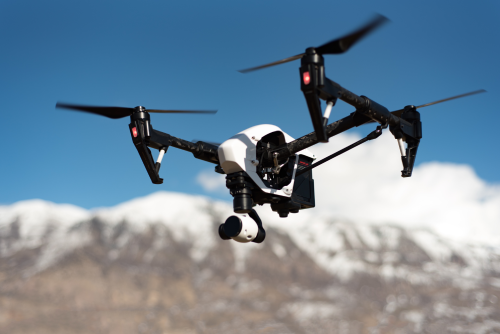
Knowing how to store drone batteries safely matters as much as knowing how to fly. In India’s heat, humidity, and long power-cut summers, poor battery storage can reduce flight time, shorten battery life, and in rare cases create a serious fire risk.
Quick Take
- Most drone batteries should be stored partly charged, not full and not empty.
- A practical target for storage is around 40% to 60% charge unless your manufacturer says otherwise.
- Keep batteries in a cool, dry indoor place, away from direct sun, parked cars, metal objects, and anything flammable.
- Let batteries cool down after flying before charging or storing them.
- Inspect regularly for swelling, cracks, leaks, strange smell, or abnormal heat.
- Smart drone batteries may auto-discharge on their own. Standard FPV and hobby LiPo packs usually need manual storage charging.
- For long-term storage, check batteries every few weeks or at least once a month.
- If a battery is swollen or damaged, do not charge it again. Isolate it safely and send it to an authorised e-waste or battery recycling channel.
Why drone batteries need special storage
Most drone batteries use lithium-based chemistry, usually lithium polymer (LiPo) or lithium-ion. These batteries pack a lot of energy into a small size, which is great for flight time but less forgiving than ordinary AA cells.
Bad storage usually causes three problems:
-
Faster ageing
Batteries lose capacity more quickly when stored fully charged, fully empty, or in heat. -
Poor performance
You may notice shorter flight time, voltage drops, or sudden low-battery warnings. -
Safety risk
Damaged or badly stored lithium batteries can swell, vent, or in extreme cases catch fire.
This matters even more in India because batteries are often left in hot rooms, camera bags, cupboards near windows, or car boots after a shoot. Heat is one of the biggest battery killers.
First, identify your battery type
Not all drone batteries behave the same way. The right storage method depends on what you use.
| Battery type | Common use | How it behaves | What to do |
|---|---|---|---|
| Smart intelligent battery | Camera drones from major brands | Usually has built-in battery management and may auto-discharge after some days | Check the app or manual. Store cool and let it reach storage level before long breaks |
| Standard LiPo pack | FPV drones, custom builds, racing drones | No self-protection worth relying on for storage | Use a proper balance charger and set storage mode, usually around 3.8V per cell |
| Small basic battery packs | Toy drones or entry-level models | Limited info, simple charger, few status details | Follow the manual. Avoid leaving them full for weeks, and store in a cool, dry place |
If you are unsure, check:
- the battery label
- the drone manual
- the charging screen or app
- whether the battery shows cell voltage and smart status
If your battery is from a premium camera drone, it may manage storage better than a hobby LiPo. That does not mean you can ignore storage rules.
The three things that matter most
Charge level
This is the biggest storage mistake people make.
Do not store batteries fully charged for long periods
A battery sitting at 100% for days or weeks ages faster. If you charged your batteries for a sunrise shoot and the flight got cancelled, do not simply put them back in the bag for the rest of the month.
Do not store batteries nearly empty either
After a long flight, a battery may be too low for safe storage. Leaving it that way can damage the cells and make recovery difficult.
Practical storage rule
Use this simple guide:
- Flying within 24 to 48 hours: keeping the battery near flight-ready charge is usually fine, but avoid unnecessary long full-charge storage
- Not flying for several days or more: store at about 40% to 60%
- Storing for weeks or months: keep at storage level and check regularly
For standard hobby LiPo packs, storage mode on a balance charger usually brings the battery to around 3.8V per cell, which is the typical storage target.
For smart batteries, the exact storage behaviour varies by brand. Some auto-discharge after a set number of days. Some allow settings in the app. Always follow the manufacturer’s instructions if they differ.
Temperature
Heat is the silent battery killer.
Best practical target
For most users, a cool room-temperature indoor area is best. As a simple rule, try to store batteries in a place that feels comfortable for people too.
A practical target is:
- ideally around 15°C to 25°C
- acceptable for many homes if kept below 30°C
- risky if regularly exposed to high summer heat, direct sun, or a parked vehicle
You may not always get ideal temperatures in India, especially in April to June. That is fine. The goal is not perfection. The goal is to avoid obvious heat traps such as:
- parked cars
- bike storage boxes
- balconies
- window sills
- tin-roof sheds
- loft storage
- camera bags left in sunlight
Never freeze or refrigerate batteries casually
A fridge sounds cool, but moisture and condensation can create problems. Freezers are worse. Unless a manufacturer specifically recommends a method, avoid it.
Physical protection and moisture
A battery should be stored where it is protected from:
- crushing
- puncture
- metal objects touching the terminals
- moisture and condensation
- dust and debris
Good storage options include:
- original battery cases
- padded battery organisers
- LiPo storage bags
- a dedicated battery box
- a metal container that is not completely airtight, kept on a non-flammable surface
Important: a LiPo bag helps reduce spread of sparks and debris, but it is not a magic shield. Safe charge level, cool temperature, and regular inspection still matter more.
If you live in a humid or coastal city such as Mumbai, Chennai, Kochi, or Kolkata, keeping batteries in a dry indoor cupboard with a few silica gel packs nearby can help reduce moisture exposure. Keep them dry, but do not bury batteries in loose materials.
Step-by-step: how to store drone batteries safely
1. Let the battery cool after flying
Do not charge or pack away a warm battery immediately after landing.
After flight:
- power off the drone
- remove the battery if your model allows it
- let it cool naturally for 20 to 30 minutes or until it reaches room temperature
Do not speed-cool it with a fridge, freezer, or direct blasting air.
2. Inspect the battery carefully
Look for:
- swelling or puffing
- cracks in the casing
- dents from a crash
- melted plastic
- leakage
- corrosion on contacts
- unusual smell
- unexpected heat even when idle
If you see any of these, do not continue normal use. Set that battery aside for safe isolation and disposal or service advice.
3. Check the charge level
Use your drone app, battery button indicators, or charger display.
Ask one question: Will I fly again soon, or is this battery going into storage?
If storage is the plan, do not leave it at full charge.
4. Bring the battery to storage level
For smart camera-drone batteries
You usually have two options:
- let the battery auto-discharge to storage level if the model supports that
- fly the battery down to a safer mid-level and then store it
Avoid repeatedly topping up a battery that is just sitting on the shelf.
For FPV and standard LiPo packs
Use a proper balance charger. A balance charger checks individual cells and keeps them matched.
- select storage mode
- confirm the cell count
- let the charger bring the pack to storage voltage, typically around 3.8V per cell
Never guess the cell count or charger settings.
5. Label and log your batteries
This step is simple but very useful, especially if you own multiple packs.
Write or track:
- battery number
- purchase month or date
- cycle count if available
- last storage date
- any warning signs like a minor crash or fast drain
Even a small note on masking tape is better than nothing. This helps you spot a weak battery before it causes trouble in the air.
6. Pack the battery properly
Before placing it on the shelf:
- use terminal covers if available
- keep batteries separate rather than stacked loosely
- do not store them with keys, screws, tools, or loose chargers
- place them in a case, organiser, or storage bag
If you store many batteries together, give them some spacing instead of pressing them tightly into one box.
7. Choose the right storage location
A good spot is:
- indoors
- dry
- shaded
- stable in temperature
- away from direct sun
- away from curtains, paper, clothes, solvents, fuels, or wood shavings
- out of reach of children and pets
A tile floor room, metal cabinet, or solid shelf in a cool bedroom or study is usually better than a loft, workshop corner, or vehicle.
8. Recheck stored batteries regularly
For batteries stored longer than a few weeks:
- inspect them every 2 to 4 weeks in hot weather
- check charge level at least monthly
- return them to storage charge if they drift too high or too low
- look for swelling or unusual self-discharge
Do not leave a battery untouched for six months and assume it is fine.
Good and bad storage spots in Indian homes
Here is a practical way to think about it.
Better places
- a cool bedroom cupboard
- a study room shelf away from windows
- a metal office cabinet in an air-conditioned room
- a dedicated drone gear case stored indoors
- a battery organiser kept on a tile or concrete surface
Bad places
- inside a parked car
- in a scooter boot after a shoot
- on a balcony or near a sunny window
- inside a hot rooftop room
- near an inverter, heater, stove, or router that runs hot
- loose in a camera bag with cables, coins, and adapters
- under piles of clothing or paper
A common mistake is finishing a weekend flight, tossing the drone bag into the car boot, and forgetting it till Monday. In peak Indian summer, that can be brutal for battery health.
What to do for long breaks, summer heat, and monsoon humidity
If you are not flying for a month or more
Follow a simple long-storage routine:
- bring the battery to storage charge
- pack it in a safe case or bag
- store it in the coolest dry room you have
- inspect it monthly
- recharge to storage level if needed before putting it back
If you are a student going home for holidays or a creator taking an off-season break, this is worth doing properly.
During peak summer
When daytime temperatures rise sharply:
- avoid charging in the hottest part of the afternoon if the room is very warm
- never leave batteries in a parked vehicle
- move storage to the coolest indoor room
- check batteries more often than usual
Even if your drone itself can operate in warm weather, that does not mean storage in a hot place is good for the battery.
During monsoon or in coastal areas
Humidity usually affects connectors, casings, and general storage condition more than it affects the battery chemistry directly.
Good habits:
- dry the drone and battery after damp field use
- never store a wet battery
- wipe off moisture before packing
- use silica gel packs in the storage box
- avoid sealing damp air into a bag right after an outdoor shoot
If a battery was exposed to heavy rain, muddy water, or especially salt water, stop using it until you are sure it is safe. Salt-water exposure is particularly serious.
Common mistakes that ruin drone batteries
These are the errors seen most often among beginners and even experienced users.
Storing at 100% for days or weeks
Convenient, but bad for long-term battery health.
Leaving the battery empty after a flight
A very low battery should not sit for long. Bring it back to storage level soon.
Charging or storing a hot battery
Heat plus charging is rough on lithium cells.
Ignoring small swelling
A “slightly puffy” battery is still a warning sign. Do not normalise it.
Throwing loose batteries into a bag
Contacts can short against metal objects.
Trusting a damaged charger
A poor charger can overcharge, misread cells, or fail to balance properly.
Assuming smart batteries need no care
Auto-discharge helps, but it does not cancel the need for cool storage and regular inspection.
Using the fridge as a hack
Condensation is a real risk.
Believing the salt-water myth
People still repeat the idea that old LiPo batteries should be soaked in salt water. Do not follow random internet disposal tricks. Use an authorised recycler or proper service route.
Safety, travel, and disposal in India
Home and office safety
If you store drone batteries at home or in a studio:
- keep them away from cooking areas, heaters, and direct sunlight
- do not store them near fuel, paint, or cleaning chemicals
- keep your storage area tidy and easy to inspect
- separate healthy batteries from damaged or suspect ones
If you run a small drone business, a simple battery shelf, battery numbering system, and logbook can prevent expensive mistakes.
Air travel and transport
If you travel with drone batteries in India:
- verify the latest airline rules before packing
- spare lithium batteries are often treated more strictly than batteries installed in equipment
- terminals usually need protection from short circuits
- quantity and energy limits can vary by airline and route
- airport security staff may ask to inspect batteries separately
Rules can change, and policies may differ between airlines. Before flying, verify the current requirements from the airline and the latest applicable aviation guidance instead of relying on old screenshots or social media posts.
For road travel:
- keep batteries inside the passenger cabin if possible
- use a case or battery organiser
- do not leave them in a locked car under the sun during a meal stop
When a battery is damaged or ready for disposal
Stop using a battery if it is:
- swollen
- cracked
- punctured
- leaking
- overheats abnormally
- involved in a serious crash
- badly water-damaged
- showing repeated charging errors or strong cell imbalance
What to do next:
- do not charge it again
- isolate it from other batteries
- place it in a non-flammable, protected location
- arrange disposal through an authorised e-waste recycler, battery recycler, or approved service channel
Do not throw drone batteries into household garbage. Do not burn them. If you bought the drone from a brand store or specialist dealer, ask whether they accept damaged batteries or can guide you to proper disposal.
FAQ
What charge percentage is best for storing drone batteries?
For most lithium drone batteries, around 40% to 60% is a practical storage range. Standard FPV LiPo packs are usually stored at about 3.8V per cell. If your manufacturer specifies a different storage method, follow that.
Can I store a drone battery fully charged if I am flying tomorrow?
Usually yes for a short period, but it is still better not to leave batteries at 100% longer than necessary. Charge close to your flight time whenever practical.
Do DJI-style smart batteries still need special storage care?
Yes. Smart batteries may auto-discharge, which helps, but they still need a cool, dry place, regular inspection, and protection from heat and physical damage.
Is a LiPo bag enough for safe storage?
No. A LiPo bag is useful, but it is only one layer of protection. Correct charge level, cool temperature, and careful inspection are more important.
How often should I check batteries in storage?
For long-term storage, a monthly check is a good rule. In very hot weather or if a battery has a questionable history, check it every 2 to 4 weeks.
Can I leave drone batteries inside the drone during storage?
Short term, it may be acceptable for some models. For longer storage, it is usually better to remove the battery if the design allows, especially if you want easier inspection and less risk of unnoticed drain. Check your manual for model-specific guidance.
What should I do if a battery becomes swollen?
Stop using it immediately. Do not charge it, do not fly it, and do not try to “use it one last time.” Isolate it safely and dispose of it through an authorised recycling or service route.
Can I store drone batteries in a fridge during Indian summer?
Not recommended for normal users. Fridges introduce condensation and moisture risk. A cool indoor room is the safer practical option.
How long can a drone battery sit unused?
That depends on battery type, age, and storage conditions. Many can sit for weeks or months if stored correctly at storage charge and checked regularly. The key is not to leave them full, empty, hot, or forgotten.
Is it okay to charge batteries overnight before storing them?
It is better to charge only when needed and only under conditions recommended by the manufacturer. Do not treat charging as a set-and-forget activity, especially with standard LiPo packs.
Final takeaway
If you remember only one rule, make it this: store drone batteries partly charged, cool, dry, and protected. Before your next flight day, check every pack for health, bring it to flight charge only when needed, and retire any battery that gives you even a small reason to doubt it.
