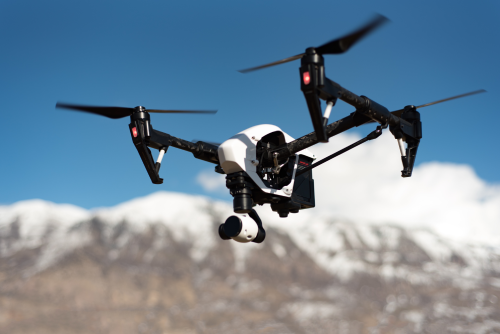
If you want to learn how to shoot villages and rural landscapes with a drone, the biggest shift is this: stop thinking only about height, and start thinking about land, light, and local life. India’s villages can look stunning from the air, but the best results come from careful planning, respectful flying, and simple camera choices rather than flashy moves.
Quick Take
- Villages and rural landscapes look best when you show patterns, roads, water, fields, and the relationship between homes and land.
- Early morning and late afternoon usually give the best light, softer shadows, and calmer wind.
- Fly legally and verify the latest DGCA, Digital Sky, and local restrictions before every shoot. Rural does not mean unrestricted.
- Respect privacy. Avoid hovering over courtyards, homes, schools, gatherings, or people who have not agreed to be filmed.
- For video, keep movements slow and smooth. For photos, look for geometry, leading lines, and seasonal texture.
- Use low ISO, shoot stills in RAW if available, and lock white balance for video to avoid color shifts.
- Watch for hidden power lines, birds, dust, livestock, and sudden wind over open fields.
- A simple shot list beats random flying every time.
What makes rural drone footage look good
Rural drone work is strongest when it shows how a place is organized.
From the air, villages reveal things you cannot see properly from the ground:
- field boundaries
- irrigation canals
- ponds and tanks
- village roads and footpaths
- clusters of houses
- tree lines
- grazing areas
- seasonal crop patterns
- hills, terraces, and dry riverbeds
A good rural shot usually answers one of these questions:
- What makes this landscape unique?
- How do people live with the land here?
- What pattern, shape, or rhythm is visible from above?
- What season is this place in right now?
That is why a slow, well-composed shot of mustard fields, a canal, and a village edge often looks better than a high, generic “everything from far away” shot.
Plan before you fly
The best village and rural landscape shoots are won before takeoff.
Scout the location from the ground first
Spend at least 15 to 30 minutes walking or driving around the area before launching.
Look for:
- safe takeoff and landing spots
- overhead wires
- mobile towers
- tree lines
- ponds or wet ground
- livestock movement
- foot traffic
- possible privacy issues around homes
- the direction of sunrise and sunset
In many Indian villages, the biggest hazard is not wind. It is power lines that are hard to see on the drone screen.
Study the landscape pattern
Ask yourself what the main visual subject is:
- a compact village cluster
- terrace farms
- river bends
- patchwork agriculture
- red-soil tracks
- palm-lined backwaters
- dry scrubland with a single road
- grazing animals in open fields
- a temple or water tank that anchors the frame
If you cannot identify the main subject from the ground, your aerial footage may look random.
Visit on the right day
Rural areas change a lot by day and season.
A weekly haat day, irrigation day, post-rain morning, or harvest period can completely change the look of the footage.
Useful examples in India:
- paddy landscapes look rich after rains but can be too flat in harsh noon light
- mustard fields are strongest when the yellow is fresh and the sun is low
- terrace farms in hill states need side light to show depth
- dry-season landscapes often look better when you lean into texture and earth tones instead of trying to make them look lush
Legal, safety, and local etiquette in India
This part matters as much as composition.
Verify the latest rules before flying
Before any rural drone shoot in India, check the latest official guidance that applies to:
- your drone category
- your operating area
- airspace restrictions
- pilot requirements
- any Digital Sky-related requirements
- local or temporary restrictions
Do not assume a village is automatically safe or legal to fly in just because it is quiet. Rural areas may still be close to sensitive zones, protected sites, air routes, border areas, coastal security zones, or government infrastructure.
If the location is near a forest, wetland, bird habitat, dam, railway asset, industrial site, or government facility, verify carefully before flying.
Respect people and property
Even where a flight is legally allowed, that does not mean you should fly without local sensitivity.
Good practice includes:
- informing the landowner or property owner when launching from private land
- speaking to local residents if you are working near homes
- being especially careful near schools, religious places, and family events
- avoiding filming people in private spaces without consent
- not hovering above courtyards, rooftops, or bathing and washing areas
In a village, people notice drones quickly. A brief, polite explanation can prevent tension.
If you are shooting for a client, documentary, or business use, written permission from the relevant landowner, organiser, or local contact is wise wherever practical.
Avoid unsafe or intrusive flying
Do not:
- fly low over people
- chase tractors, bikes, or animals
- fly near livestock to get a dramatic reaction shot
- fly directly above school grounds or gatherings
- descend into narrow lanes unless you are highly experienced and have clear consent and a safe recovery plan
Buffaloes, cows, goats, poultry, and dogs can react unpredictably to a drone. So can birds.
Rural hazards beginners often miss
Watch closely for:
- electric lines between poles
- pump wires near farms
- guy wires on towers
- birds near trees and water
- dust and loose straw during takeoff
- heat shimmer in hot afternoons
- sudden wind over ridges, embankments, and open fields
A folding landing pad, hard plastic board, or clean mat can help a lot in dusty rural takeoffs.
Best time and weather for village drone shoots
Golden hour is usually your best friend
The hour after sunrise and the hour before sunset usually give:
- softer contrast
- longer shadows
- warmer color
- better detail in crops and soil texture
- calmer visual mood
This is especially important in villages because the land itself is often the subject. Low-angle light reveals furrows, bunds, paths, terraces, and roof textures.
Midday has limited use
Harsh noon light can flatten fields and make roofs, roads, and dry land look dull.
Midday can still work for:
- clean top-down geometry
- bright water bodies
- very graphic field patterns
- document-style mapping visuals
But for most storytelling shots, dawn and dusk are stronger.
Use weather thoughtfully
Good conditions for rural work:
- light wind
- clean air after rain
- scattered clouds for texture
- early winter mist if visibility remains safe
Conditions to be careful with:
- strong summer thermals
- heavy dust
- fog that hides wires or landmarks
- monsoon drizzle or wet air if your drone is not weather-resistant
- fast-changing hill weather
A fresh monsoon landscape can look spectacular, but many consumer drones are not waterproof. Do not risk rain just for greener footage.
Camera settings that work well
You do not need cinema-level gear to shoot villages and rural landscapes well. You need stable exposure and natural-looking color.
For still photography
A good starting point:
- shoot in RAW if your drone supports it
- keep ISO as low as possible
- use a fixed or manual white balance if available
- use grid lines for better framing
- bracket exposures in high-contrast scenes if your drone offers it
RAW files hold more information for editing, which helps when you have bright sky and darker land in the same frame.
If the scene has strong sun and reflective water or bright roofs, protect highlights rather than overexposing the frame.
For video
A practical setup for beginners:
- choose one frame rate and stay consistent through the shoot
- use a shutter speed close to roughly double the frame rate for natural motion blur
- use an ND filter if needed
An ND filter, or neutral density filter, is like sunglasses for the camera. It helps you keep motion looking natural in bright daylight.
Also:
- keep ISO low
- lock white balance to avoid sudden color shifts while turning
- use normal color mode if you do not edit much
- use a flatter color profile only if you know how to grade footage later
Many beginners shoot bright noon footage in auto settings and end up with over-sharp, over-processed-looking video. Manual or semi-manual control usually gives cleaner results.
Use exposure like a storyteller
A rural scene often includes bright sky, dark trees, reflective water, and dry soil in one frame.
A few simple habits help:
- avoid sudden pans from dark shade to bright sky
- compose first, then lock exposure if your drone allows it
- keep the horizon level unless a deliberate tilt adds meaning
- do short, repeatable takes rather than one long random flight
Composition ideas that suit villages and rural landscapes
This is where rural drone footage becomes memorable.
1. Use patterns and geometry
Fields, ponds, bunds, roads, and rooftops create natural design.
Look for:
- patchwork fields
- diagonal roads
- zig-zag canals
- circular threshing areas
- terraced hillsides
- rows of coconut or areca trees
- long shadows of trees or poles
Top-down shots work well when the pattern itself is the subject.
2. Use leading lines
Roads, canals, tree belts, and pathways can pull the eye into the frame.
Good leading-line setups include:
- a dirt road running from the bottom corner toward the village
- an irrigation channel cutting across green fields
- a bridge or embankment dividing water and land
- terrace edges leading toward a hill settlement
3. Show relationship, not just scenery
A rural landscape is not only land. It is land plus life.
That might mean:
- homes beside fields
- a temple at the village edge
- cattle paths crossing dry ground
- a lone tractor showing scale
- workers in a field, filmed respectfully and with consent
Use people carefully. They add scale and story, but the image should never feel invasive.
4. Change your angle, not just your height
Many beginners keep climbing. That often makes the subject weaker.
Try three different perspectives:
- low oblique angle to show depth
- medium height to balance village and landscape
- top-down only when patterns are strong
For example:
- terrace farming in Uttarakhand often looks better from an angled side view than from directly overhead
- paddy fields in Kerala or coastal belts can look excellent from medium height with water reflections
- dry Rajasthan-style terrain may suit higher, minimalist compositions with roads and long shadows
5. Use layers
The best rural frames often have three layers:
- foreground: field edge, trees, or road
- middle: village cluster, pond, or canal
- background: hills, forest line, or open sky
That layering gives depth and helps the viewer understand the place.
A practical shot list for rural drone shoots
If you arrive without a plan, you will probably overshoot the same angle.
Use a simple sequence like this.
1. Wide establishing rise
Start low and rise slowly to reveal the village and its surrounding fields.
Best for: – first shot of the location – YouTube openings – travel films
2. Slow lateral move across field patterns
Fly sideways to show geometry in crops, bunds, or irrigation lines.
Best for: – patchwork agriculture – paddy, mustard, and dry-field textures
3. Forward push along a road or canal
Keep the subject centered or slightly off-center.
Best for: – roads leading into the settlement – water channels – village approach sequences
4. Backward reveal
Start with a specific feature like a well, water tank, temple edge, or large tree, then pull back to reveal the surrounding landscape.
Best for: – creating context – storytelling edits
5. High top-down graphic shot
Use only when the pattern is genuinely interesting.
Best for: – geometry – farm boundaries – colorful roofs – water and land shapes
6. Distant orbit
Orbit only when you have open space and a clear subject.
Best for: – a village on a hill – a pond with surrounding settlement – a distinct tree cluster or heritage structure
Keep the orbit wide and gentle. Tight, fast orbits often feel gimmicky in rural scenes.
7. Short hover for stills
After every movement shot, stop and take a few still photographs from the same area. Many of your best images will come from a pause, not a move.
Best shot types for common rural subjects
| Subject | Best light | Best angle | Good movement | Main caution |
|---|---|---|---|---|
| Crop fields and patchwork farms | Sunrise or sunset | Top-down or medium oblique | Slow sideways slide | Birds, field wires, wind |
| Village cluster | Early morning or evening | Medium height oblique | Reveal rise or backward pull | Privacy, people, rooftops |
| Canals, rivers, ponds | Calm morning or late afternoon | Slightly angled | Forward push or top-down hover | Glare, birds, people at water |
| Hills and terraces | Side light | Oblique | Wide orbit or slow climb | Wind, elevation changes |
| Rural roads and tracks | Low sun | Low to medium height | Push-in or pull-back | Vehicles, poles, cables |
A smart on-location workflow
Use this simple process each time.
1. Arrive early
Reach the location before the light gets good. Rural areas often need extra time for talking to locals and finding a safe launch point.
2. Speak to the right people
A short, respectful conversation can save the shoot.
Depending on the place, that may mean:
- the landowner
- a farm worker
- a local guide
- the event organiser
- a village contact
You do not need to make a big scene. Just avoid surprising people.
3. Set up a clean takeoff area
Avoid launching directly from dust, dry grass, or loose soil.
Use:
- a landing pad
- a mat
- a hard board
- a clean patch of compact ground
4. Start with safe wide shots
Before trying anything creative, get your usable footage first.
Capture:
- one establishing rise
- one lateral move
- one road or canal push
- one top-down pattern shot
- a set of stills
5. Review after the first battery
Do not wait until you get home.
Check:
- sharpness
- horizon level
- exposure
- color consistency
- whether people or homes are shown too intrusively
6. Shoot variations, not random extras
Once you have the basics, improve the scene by changing:
- altitude
- direction of travel
- speed
- sun angle
- framing
7. Leave the place as you found it
Pack up quietly. If someone helped you, thank them. Rural shoots often depend on goodwill.
Editing tips for natural-looking rural footage
Good rural edits usually look calm and believable.
For video
- slow the clips only when movement supports it
- reduce oversharpening if your software allows
- lift shadows gently, but keep contrast natural
- avoid pushing greens too far
- keep the sky believable, especially in hazy conditions
- stabilize only if needed; too much stabilization can warp the frame
For photos
- straighten the horizon first
- correct white balance before color grading
- bring back highlight detail in sky and water
- add clarity carefully to show land texture
- crop for story, not just symmetry
If you are editing footage from Indian rural scenes, resist the urge to make every farm look neon green and every sunset deep orange. Natural color usually feels more premium.
Common mistakes when shooting villages and rural landscapes
Flying too high too soon
Beginners often climb immediately and lose the subject. Lower or medium heights often give more depth and emotion.
Treating every scene like city drone footage
Fast yaw turns, aggressive reveals, and constant movement rarely suit rural storytelling.
Ignoring privacy
A pretty frame is not worth making people uncomfortable. Avoid intrusive angles around homes and family spaces.
Forgetting the season
A location that looks average in one month may look incredible in another. Timing matters.
Shooting only wide footage
Get stills, medium views, top-downs, and detail-oriented compositions too.
Using auto white balance for video
Color shifts during the shot can make edits look cheap.
Not checking for wires
This is one of the biggest real-world risks in Indian rural flying.
Disturbing animals
A buffalo running, a flock scattering, or dogs reacting is not “cinematic.” It is poor operating practice.
FAQ
Do I need permission to film a village with a drone in India?
You must verify the latest official rules that apply to your drone, your flight type, and the specific area. Beyond legal airspace compliance, it is also wise to inform landowners or local contacts where practical, especially if you are filming near homes or for commercial use.
What is the best time of day to shoot rural landscapes?
Usually sunrise and the last hour before sunset. The light is softer, the land has more texture, and wind is often calmer.
How high should I fly for village shots?
Only as high as needed to tell the story and within the applicable legal limit for your operation. In practice, many strong rural shots are made at low to medium height because they preserve depth and show relationships between roads, houses, water, and fields.
Should I use photo mode or video mode first?
If the light is changing quickly, capture your essential video shots first and then take stills from the same zone. But if the scene has exceptional geometry and stable light, stills may deserve first priority. The key is to have a plan before takeoff.
Is it okay to fly over fields with workers in them?
Only if it is legally allowed, safe, and done respectfully. Do not fly low over people, do not distract them while they are working, and do not assume they are comfortable being filmed. Consent matters.
Can I shoot livestock from the air?
Be very careful. Animals can react unpredictably to drone noise, especially at low altitude. It is better to keep distance and use the drone to show the landscape around them rather than provoking movement.
Is monsoon season good for rural drone photography?
It can be visually excellent because fields are greener and water bodies are fuller. But weather risk is much higher, visibility can change fast, and many drones are not designed for rain or wet conditions. Wait for safe windows.
What camera settings are easiest for beginners?
For stills, shoot RAW with low ISO. For video, keep one consistent frame rate, low ISO, fixed white balance, and use an ND filter in bright daylight if needed. Simple, repeatable settings beat constant changes.
What works better for social media: vertical or horizontal?
Shoot safely and compose mainly for the strongest story first. If you need vertical output, leave extra room in the frame so you can crop later. Straight roads, canals, tree rows, and top-down geometry often crop well for vertical reels.
How can I make rural drone footage feel less generic?
Build a sequence: establish the landscape, show the pattern, reveal the village, then add one or two details that define the place, such as a pond, terrace lines, a canal, or a road cutting through fields. Story beats make footage memorable.
Final takeaway
For villages and rural landscapes, the winning formula is simple: verify the rules, respect the people, fly slower, and let the land do the work. Pick one location, scout it once without rushing, return at golden hour with a short shot list, and focus on patterns, light, and context rather than height alone.
