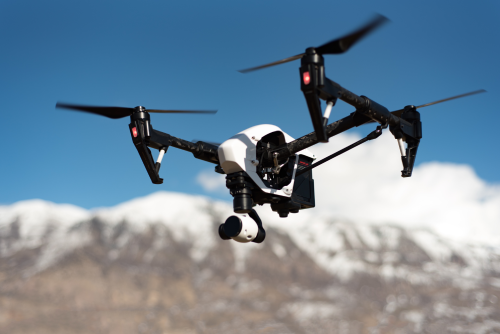
A good drone video can make a resort feel aspirational and a hotel look premium, well-located, and worth booking. If you want to learn how to shoot resort and hotel videos with a drone, the key is not fancy flying alone. It is planning, timing, safe operation, and knowing which shots actually help sell the property.
Quick Take
- Decide what the property is selling: luxury, location, wedding appeal, business convenience, nature, privacy, or family activities.
- Get written approval from the property and verify the latest Indian drone rules, airspace status, and local restrictions before flying.
- Shoot at sunrise, sunset, and blue hour whenever possible. Indian midday light is often too harsh for polished hospitality videos.
- Use slow, steady moves: reveal shots, push-ins, pull-backs, top-downs, façade slides, and wide establishing shots.
- Keep camera settings simple: 25 fps is a practical default in India, low ISO, locked white balance, and ND filters in bright conditions.
- Do not fly low over guests, pools, wedding crowds, or staff without proper coordination and consent.
- Edit for story, not just spectacle. Show arrival, scale, amenities, rooms, activity, and the signature view.
What makes a hotel or resort drone video work
A resort or hotel video is not the same as a generic drone montage.
The goal is to make the viewer imagine staying there.
That means your footage should answer practical questions such as:
- Where is the property located?
- How large is it?
- What does arrival feel like?
- What are the best amenities?
- Is it peaceful, lively, romantic, family-friendly, or corporate?
- What is the surrounding view like?
For a resort, the focus is often on space, scenery, pools, gardens, villas, beach access, hillside views, or destination wedding appeal.
For a city hotel, the focus may be different:
- road approach
- façade and entrance
- rooftop restaurant
- business district access
- skyline context
- premium architecture
A drone helps most when it shows scale, layout, and setting in a way ground cameras cannot.
Start with the brief, not the drone
Before batteries are charged, ask the hotel or resort a few basic questions.
Ask the property team these questions
- Who is the target guest?
- Is this video for social media, website, OTA listings, ads, or wedding marketing?
- What are the top 3 features they want highlighted?
- Are there any areas that must not be shown?
- Can you feature guests or staff, or do they want only empty property shots?
- Are there fixed shoot times when guest movement is low?
- Is the final video vertical, horizontal, or both?
This changes your shoot plan immediately.
For example:
- A honeymoon resort needs privacy, romance, sunset views, and elegant pacing.
- A family resort needs activity, pool energy, lawns, kids’ zones, and wider coverage.
- A business hotel needs connectivity, entrance, façade, conference areas, and efficient visual storytelling.
Create a simple shot list before you arrive
A drone shoot goes wrong when you improvise everything on location.
Use a basic shot list like this:
| Shot type | Movement | What it communicates | Best time |
|---|---|---|---|
| Wide establishing shot | Slow rise or pull-back | Scale, location, surroundings | Sunrise or sunset |
| Entrance reveal | Forward move over driveway or trees | Arrival experience | Morning |
| Façade slide | Sideways move with slight parallax | Architecture and premium look | Early morning or late afternoon |
| Pool or amenity top-down | Straight overhead | Layout, symmetry, design | Mid-morning or soft light |
| Garden or pathway tracking shot | Slow forward follow | Flow, walkability, leisure | Morning |
| Orbit around main building | Slow circular movement | Grandeur and design | Golden hour |
| View reveal | Lift from foreground to sea, hills, lake, or valley | Signature location advantage | Sunrise or sunset |
| Evening hero shot | Static hover or gentle push-in | Warm lights, luxury mood | Blue hour |
You do not need 30 drone shots. You need 8 to 12 useful ones.
Safety, legal, and compliance checks in India
This is one part you should never treat casually.
Indian drone rules and airspace conditions can change, and hospitality properties are often located near sensitive areas such as coastlines, hills, forests, lakes, heritage zones, or urban control zones. Always verify the latest official guidance before the shoot.
What to confirm before flying
- Written permission from the hotel or resort management
- Whether the airspace is permitted for your planned operation
- Any Digital Sky requirements relevant to your drone and operation
- Whether your drone and flight category require NPNT or other compliance steps
- Local restrictions from district administration, police, event authorities, or property security if applicable
- Extra sensitivity around airports, helipads, military areas, government zones, and protected sites
- Whether the property sits near a wildlife area, coastline, or other regulated zone
If the hotel is hosting a wedding, corporate event, or private function, you should also confirm:
- where guests will be
- where your takeoff and landing zones will be
- whether faces or gatherings can be filmed
- who will coordinate movement on ground
Privacy matters just as much as flight safety
Guests do not expect to be filmed without notice, especially near:
- pools
- balconies
- private villas
- spa areas
- lawns during private events
- room windows
If people are identifiable, get clear consent through the property or work with arranged talent or staff. Avoid flying close to occupied balconies or windows.
Build a safety buffer into your creative plan
Do not plan shots that require aggressive low flying over:
- guests
- children
- swimmers
- wedding crowds
- staff groups
- parked vehicles in active areas
A polished hospitality video should feel calm and premium. Unsafe flying does the opposite.
Recce the property before the actual shoot
A recce is a pre-shoot visit or walkthrough.
Even 20 to 30 minutes on site can save you from bad light, signal issues, and unusable footage.
Look for these things during recce
- Power lines and thin wires near entrances or pathways
- Trees that block reveals
- Flagpoles, decorative lights, and rooftop structures
- Bird activity, especially near water bodies and coastal properties
- Wind direction on terraces, cliffs, beaches, and open lawns
- Clean takeoff and landing spots
- Best sunrise and sunset angles
- Areas that look messy from above, such as service yards or unfinished roofs
In India, many otherwise beautiful properties have back-of-house areas that look poor from the air. Your job is to hide those and feature the strongest visual side.
Best times to shoot resort and hotel videos
Timing matters more than most beginners realise.
Sunrise
This is often your best slot.
Why it works:
- softer light
- fewer guests
- cleaner pool surfaces
- less staff movement
- easier parking and driveway shots
- calm mood
Ideal for:
- exterior wide shots
- arrival road
- pool and lawn coverage
- room-view reveals
Golden hour before sunset
This gives warmth and depth to architecture.
Ideal for:
- façade shots
- poolside lifestyle shots
- rooftop restaurant visuals
- reveal shots toward hills, sea, or skyline
Blue hour
Blue hour is the short period after sunset when the sky is deep blue and property lights glow.
This is excellent for luxury hotels because it makes lighting design look richer.
Ideal for:
- static hero shots
- slow push-ins to lit façade
- pool lights
- pathways and outdoor dining
When to avoid shooting
Avoid harsh midday sun unless you specifically need:
- top-down symmetry shots
- short documentation clips
- flat architectural coverage for reference
In much of India, especially in summer, midday light can produce blown highlights, hard shadows, and flat colours.
Seasonal realities in India
- Monsoon gives lush landscapes but makes flying riskier and schedules less predictable.
- North Indian winters can bring haze that reduces distant detail.
- Coastal resorts often face stronger wind, salt exposure, and sudden weather changes.
- Hill stations can have gusty conditions and changing cloud cover within minutes.
Always choose safety over “just one more shot.”
Gear that actually helps on hotel shoots
You do not need the most expensive drone to shoot a good resort video. But you do need the right basics.
Useful gear checklist
- A stable camera drone with a proper gimbal
- Extra batteries
- Spare propellers
- ND filters for bright outdoor light
- Fast memory cards
- A landing pad if the property has dust, grass, or sand
- A clean microfibre cloth
- Power bank or charger for controller and phone
- Tablet or bright-screen phone for framing outdoors
Features that matter most
- stable hover
- reliable gimbal
- good dynamic range
- decent low-light performance
- safe braking and controlled movement
- predictable return-to-home behaviour
Obstacle sensing is helpful, especially around trees and built-up properties, but it does not replace careful piloting.
About FPV for hotel videos
FPV can create dramatic fly-throughs, but it is not the first choice for most hotel marketing work.
For beginners and many commercial jobs, a standard camera drone is the safer and more client-friendly option. FPV usually requires tighter control, more planning, a safer closed set, and much more skill.
Camera settings for clean, professional footage
Good drone video is usually simple, not overcomplicated.
A practical starting point
- Shoot in 4K if your drone handles it well
- Use 25 fps as a default for standard motion
- Use 50 fps only when you know you want slow motion
- Keep shutter speed near double the frame rate
- Keep ISO as low as possible
- Lock white balance instead of using auto
- Use an ND filter in bright sun so motion looks natural
For example:
- 25 fps: shutter near 1/50
- 50 fps: shutter near 1/100
Why 25 fps often makes sense in India
It is a practical choice for local delivery and often works more smoothly with lighting conditions common in India. It also gives a natural, cinematic feel for hospitality videos.
Picture profile: flat or standard?
Use a flat or log-style profile only if you know how to colour grade it properly.
If you need quick turnaround and consistent results, a standard profile with careful exposure is often better than poorly graded flat footage.
Exposure tips beginners can trust
- Protect highlights on white walls, roofs, and pools
- Do not let auto exposure shift during the shot
- Recheck exposure when turning from shadow to sun
- Avoid very contrasty scenes unless your drone handles them well
Hotels often have white linens, pale stone, reflective glass, and bright pool water. These are easy to overexpose.
The best drone moves for resort and hotel videos
Most hospitality footage looks best when movements are slow, controlled, and intentional.
1. The establishing rise
Start with trees, signage, boundary walls, or driveway in the foreground, then gently rise to reveal the full property.
Use this when: – the location is scenic – the property is hidden in greenery – the view is a selling point
2. The entrance push-in
Fly slowly toward the main entrance, reception block, or portico.
Use this when: – arrival experience is premium – the driveway is attractive – the property has symmetry
3. The façade slide
Move sideways across the building with a slight angle so the foreground and background separate.
This creates parallax, meaning different parts of the frame move at different speeds. It makes architecture feel more dimensional.
4. The top-down
An overhead shot works well for:
- pools
- courtyards
- lawns
- table setups
- pathways
- villa layouts
Use it carefully. A top-down is useful only when the design is clean and graphic.
5. The reveal to the view
Start low behind a roofline, hedge, or wall and rise to reveal a beach, lake, valley, golf course, or skyline.
This is one of the strongest resort shots because it combines the property with its destination appeal.
6. The slow orbit
A gentle orbit around the main building, pool area, or gazebo adds grandeur.
Keep it slow. Fast orbits feel flashy and often cheapen a luxury video.
7. The pull-back ending
End with a slow pull-back that shows the hotel glowing in evening light or framed by landscape.
This works well as a closing hero shot.
Build a sequence, not random clips
A useful hotel video usually follows a journey.
A simple story structure
- Show the location and approach
- Reveal the property scale
- Highlight signature areas
- Show guest experience or lifestyle moments
- Return to the best visual of the property
- Finish with an evening or scenic hero shot
This structure works for a 30-second reel and also for a longer 60- to 90-second promo.
Example sequence for a hill resort
- Sunrise valley reveal
- Driveway and entrance push-in
- Wide shot of cottages or villas
- Top-down of pool or central lawn
- Side track of pathways and landscaping
- Deck or balcony view shot
- Evening light hero shot
Example sequence for a city hotel
- Skyline context shot
- Façade reveal
- Entrance and drop-off zone
- Rooftop or pool deck aerial
- Nearby district context
- Evening building lights
A practical shoot-day workflow
If you are new, follow a repeatable system.
1. Arrive early and walk the site
Do not take off immediately.
Check:
- wind
- guest movement
- security staff awareness
- sun position
- obstacles
- safe takeoff area
2. Mark your priority shots
Start with the shots that matter most in case weather changes or guest activity increases.
Usually these are:
- establishing shot
- main façade
- view reveal
- pool or signature amenity
- evening hero shot
3. Shoot empty exteriors first
Before breakfast crowds, housekeeping movement, or event setup gets busy, capture clean wide shots.
4. Coordinate people shots carefully
If the client wants activity, plan it.
Examples: – a couple walking toward the pool – staff welcoming at entrance – a family crossing the lawn – breakfast setup on a deck
Never rely on random guest movement to “look natural.” It often looks messy and creates privacy issues.
5. Re-shoot your best angles at a second time of day
The same shot at sunrise and blue hour can feel like two different properties.
6. Back up footage before leaving
Hospitality shoots are often location-dependent. You may not get the same weather, lighting, or access again.
How to make footage look premium in the edit
Editing is where your resort video becomes a marketing piece.
Keep it concise
For most uses, these lengths are practical:
- 20 to 30 seconds for social reels
- 45 to 60 seconds for a general promo
- up to 90 seconds for website or presentation use
Edit for flow
A good order is:
- wide to medium
- exterior to amenity
- day to evening
- calm start, strong finish
Keep clips short
Drone shots often look better when trimmed to 3 to 5 seconds, unless the movement is exceptionally smooth and meaningful.
Stabilise the visual style
- Match colour temperature across shots
- Keep contrast consistent
- Avoid oversaturated greens and blues
- Do not overuse transitions
Use music carefully
Drone audio is rarely useful because of propeller noise. Hospitality videos usually rely on music and, if needed, separately recorded ambience.
Make sure any music used is properly licensed for the client’s usage.
Deliver multiple crops when possible
Many hotels need:
- vertical for Instagram
- horizontal for website and YouTube
- shorter cuts for ads
So while shooting, leave enough room in frame for both wide and vertical crops.
Common mistakes beginners make
Flying without checking permissions
A beautiful property does not automatically mean you can fly there legally or safely.
Shooting only wide shots
Wide shots show scale, but too many can make the video feel repetitive. Include medium-altitude details of pathways, pools, terraces, and design elements.
Using fast, jerky movements
Luxury properties should feel smooth and elegant. Slow down your sticks and plan movements.
Relying too much on auto settings
Auto exposure and auto white balance can shift mid-shot and make footage hard to match in editing.
Flying too low near people
This looks unsafe, sounds intrusive, and can create real risk.
Ignoring the background
A gorgeous pool shot can be ruined by construction, laundry areas, parked service vehicles, or clutter on rooftops.
Shooting at the wrong time
Midday light is one of the biggest reasons hotel drone footage looks ordinary.
No story
If your footage does not show how a guest experiences the place, it becomes just a collection of random aerial clips.
FAQ
Do I need permission to shoot a resort or hotel video with a drone in India?
Yes, you should have clear permission from the property, and you should verify the latest official Indian drone rules, airspace status, and any local restrictions before flying. Do not assume private property approval alone is enough.
What is the best drone type for hotel videos?
For most people, a standard camera drone with a stable gimbal is the best choice. It is more practical and safer than FPV for typical hotel marketing work.
Is 25 fps good for hotel videos?
Yes. 25 fps is a solid default for hospitality work in India. It looks natural and is practical for regular promo delivery.
Can I shoot guests in the pool or around the property?
Only if privacy is handled properly and the property has coordinated consent where needed. Avoid filming uninvolved guests, especially in private or sensitive areas.
How many batteries should I carry for a hotel shoot?
Carry enough to cover a full sunrise or sunset session without stress. For many small to medium properties, several fully charged batteries are far better than trying to finish a job on one or two.
Should I use FPV fly-throughs inside the hotel?
Only if you have the skill, the property is prepared, and the environment is controlled for safety. For most beginners and most clients, standard drone exteriors are the smarter starting point.
Can a drone alone make a full hotel promo video?
For a short teaser, yes. For a more complete marketing film, drone footage is best combined with ground shots of rooms, food, people, and interiors.
What if the weather changes suddenly?
Stop and reassess. Wind, rain, and poor visibility can make a hospitality shoot unsafe very quickly, especially in coastal or hill areas. Rescheduling is better than forcing risky footage.
What is the single most important shot to get?
The hero establishing shot that shows the property in its environment. If that one shot is strong, the whole video immediately feels more valuable.
Final takeaway
If you want to shoot resort and hotel videos with a drone, think like a marketer first and a pilot second. Get permissions, plan 8 to 12 purposeful shots, shoot at sunrise or sunset, and keep movements slow and safe. A clean, well-timed, story-driven drone video will help a hotel sell rooms far better than a flashy edit full of risky flying.
