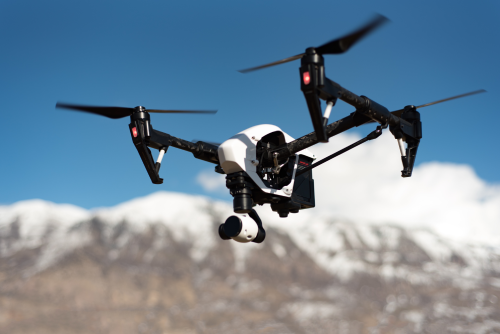
Real estate drone videos work best when they do more than look impressive. A good video helps a buyer understand the property’s size, approach road, surroundings, and overall appeal in less than a minute.
If you want to learn how to shoot real estate videos with a drone, think like a property marketer, not just a drone pilot. Your goal is not to show off every flight move you know. Your goal is to make the property feel clear, attractive, and trustworthy.
Quick Take
- Plan the story before takeoff: location, approach, exterior, amenities, hero shot.
- Fly slow and smooth. Real estate videos should feel stable, not aggressive.
- Shoot during soft light, usually early morning or late afternoon.
- Keep camera settings consistent, especially white balance and exposure.
- Use simple moves like push-ins, pullbacks, rise reveals, and gentle side slides.
- Show context: nearby roads, greenery, views, clubhouse, parking, or plot boundaries where appropriate.
- In India, always verify the latest DGCA and Digital Sky requirements, airspace restrictions, and property permissions before flying.
- Edit tightly. For most listings, a clean 45 to 90 second video works better than a long montage.
What makes a real estate drone video actually useful
A strong real estate video answers three questions quickly:
- Where is the property?
- How does the property sit on the land or within the neighbourhood?
- Why should someone care?
That means your drone footage should do more than show a building from high altitude. It should reveal:
- The entry and approach road
- The scale of the home, plot, or building
- Outdoor features such as garden, terrace, pool, parking, or open area
- Useful surroundings like parks, wide roads, greenery, or community amenities
- The overall atmosphere of the location
In India, this matters even more because many buyers want to judge road access, density, nearby construction, and the condition of the surrounding area before they schedule a visit.
Before you fly: safety, legal, and permission checks in India
Real estate drone work may look routine, but it often happens in built-up areas where risk, privacy, and compliance matter a lot.
Verify the latest rules before every commercial shoot
Drone rules, airspace access, and compliance requirements can change. Before you fly, verify the latest official guidance from DGCA and the Digital Sky ecosystem, especially if you are:
- Shooting in or near a city
- Operating commercially
- Flying near airports, helipads, defence areas, government buildings, or other sensitive locations
- Using a larger drone or a model that may have additional compliance requirements
Do not assume a property shoot is automatically allowed just because the client requested it.
Get permission from the property owner or authorised representative
Always take clear permission from:
- The homeowner
- The builder or developer
- The broker or agency only if they are authorised
- The housing society or facility management, if required
Written confirmation is better than a casual phone call. It avoids disputes later if someone objects on site.
Respect privacy
Avoid unnecessary shots of:
- Neighbouring balconies
- Private terraces
- People inside adjacent homes
- Children playing in common areas
- Vehicle number plates, if they become the focus of the shot
Even if the flight is technically safe, a privacy complaint can ruin the shoot and your reputation.
Inspect the site for practical hazards
Do a ground walk first. Watch for:
- Power lines
- Mobile towers
- Trees
- Loose wires
- Birds, especially kites and crows
- Rooftop water tanks and metal structures
- Construction cranes
- Narrow spaces between buildings
- Traffic or pedestrian movement below
If the property is in a crowded residential area, be extra conservative. Not every space is suitable for a drone shot.
The gear you actually need
You do not need cinema-level equipment to shoot effective real estate videos. You do need a reliable, stable setup.
| Gear | Why it matters | Priority |
|---|---|---|
| 4K camera drone with a 3-axis gimbal | Stable footage and enough detail for crop/reframe | Essential |
| 2 to 4 batteries | Lets you reshoot key angles without rushing | Essential |
| ND filters | Help control shutter speed in bright daylight for natural motion blur | Very useful |
| Extra propellers | Basic field backup | Essential |
| Fast memory card | Prevents recording issues | Essential |
| Phone/tablet with bright screen | Easier framing outdoors | Useful |
| Landing pad | Helpful on dusty plots or lawns | Useful |
| Polarised sunglasses for scouting only | Good for viewing, but remove when judging screen colour/exposure | Optional |
Features that help for real estate work
If you are choosing a drone mainly for property videos, look for:
- Good wind stability
- Reliable obstacle sensing
- Smooth gimbal performance
- Decent dynamic range, meaning the camera handles bright sky and darker building areas more gracefully
- Consistent colour
- Quiet enough operation for premium residential shoots
A compact drone can be enough for small villas, plots, and broker listings. Higher-end models help when you need better low-light quality, more grading flexibility, or larger commercial projects.
Plan the video before takeoff
Most bad real estate videos fail before the drone leaves the ground. They have no story, no shot order, and no idea what the property is trying to sell.
Ask these questions first
Before flying, clarify:
- Is this a villa, apartment tower, plotted land, farmhouse, resort, or commercial property?
- Who is the target viewer: homebuyer, investor, tenant, or holiday guest?
- What is the key selling point: architecture, open space, view, location, amenities, or plot size?
- Where will the video be used: Instagram, YouTube, WhatsApp, property portal, or builder presentation?
The answers decide your framing, duration, and editing style.
Build a simple shot list
A real estate shoot usually needs 6 to 10 useful shots, not 30 random clips.
| Shot type | What it shows | Best use |
|---|---|---|
| Straight approach | Entry gate, driveway, front elevation | Villas, farmhouses, small projects |
| Pullback reveal | Starts close, reveals full property and surroundings | Premium homes, resort-style listings |
| Rise-up reveal | Shows property height and context behind it | Homes with views, towers, hill-side sites |
| Side slide | Emphasises width, landscaping, facade lines | Villas, row houses, commercial fronts |
| Gentle orbit | Gives shape and scale | Detached properties with space around them |
| Top-down shot | Layout, roof shape, plot edges, parking | Plots, farmhouses, large homes |
| Amenity connector shot | Property to pool, clubhouse, garden, road | Gated communities, resorts |
| Hero shot | Best angle in best light | Final shot for every listing |
Scout the location physically
Online maps help, but a physical walk is better. You may notice:
- Ugly construction debris near the entrance
- Badly parked vehicles
- Temporary shade nets
- Laundry, plastic chairs, or water pipes on terraces
- Wet patches or muddy lawns
- Harsh backlight on the main facade
Fix what you can before flying. A five-minute cleanup can save the entire shoot.
Best time of day to shoot
Light matters more than drone model.
The safest bet: morning or late afternoon
For most real estate videos, soft directional light is best because it:
- Adds shape to buildings
- Reduces harsh shadows
- Makes greenery look healthier
- Gives windows and walls better texture
- Looks more premium on camera
Early morning is often excellent in India because:
- Winds are usually calmer
- Roads may be less crowded
- Light is cleaner before haze builds up
- Residential sites are quieter
Late afternoon can also work well, especially for west-facing facades and warm lifestyle visuals.
When to avoid shooting
Try not to shoot when:
- The sun is directly overhead
- The sky is white and hazy
- Wind is strong and gusty
- It is drizzling or humidity is very high
- Birds are unusually active around the site
Midday light can make buildings look flat and cheap. In many Indian cities, heat haze also reduces clarity, especially on wider aerial views.
Camera settings that make footage look professional
Real estate videos should look calm and clean. The biggest difference between amateur and professional footage is often not the drone. It is exposure control.
A simple baseline setup
For most beginners:
- Resolution: 4K
- Frame rate: 25 fps or 30 fps
- Shutter speed: roughly double the frame rate for natural-looking motion
- ISO: keep as low as possible
- White balance: lock it instead of using auto
- Colour profile: normal profile for easy editing, or a flatter profile only if you know how to grade it
- Focus: confirm before recording key shots
Why white balance lock matters
White balance controls how warm or cool colours look. If it stays on auto, the video may shift from warm to cool during the same shot, which looks unprofessional.
Lock it based on the scene and keep it consistent across the sequence.
When to use ND filters
An ND filter is like sunglasses for your drone camera. It reduces light so you can keep a slower shutter speed in bright conditions.
Use ND filters when:
- You are shooting in bright sun
- Movement looks too sharp or jittery
- The camera is forcing a very fast shutter speed
They are especially useful in India’s bright outdoor conditions.
Avoid auto exposure if possible
Auto exposure can cause visible brightness changes when the drone turns slightly or the frame includes more sky. For real estate, exposure flicker is distracting.
A controlled manual setup usually gives better results.
How to shoot real estate videos with a drone: step by step
This is the practical workflow that works for most properties.
1. Start with the property’s strongest feature
Do not begin by flying high and wandering around. Identify the one thing that sells the property:
- Large front elevation
- Open lawn
- Terrace view
- Plot size
- Proximity to greenery or amenities
- Premium driveway or gate
Your first two or three shots should support that feature.
2. Capture an establishing shot
This shows where the property sits within its environment.
Good examples:
- A gentle rise showing the home and the road in front
- A wide angle revealing the villa inside a gated community
- A top-down shot showing plot shape and surrounding access
Keep it readable. Too much height can make the building disappear.
3. Move closer for medium exterior shots
Now show the architecture. Use slow, controlled movements like:
- Push-in toward the facade
- Side slide across the front
- Slight diagonal move to reveal depth
This is where buyers start noticing design, landscaping, balconies, and parking.
4. Use one reveal shot
A reveal is where part of the frame hides the property at first, then the drone movement uncovers it.
Examples:
- Start low behind a gate or tree line, then rise up
- Start close to the side wall, then pull away to reveal the full villa
- Start above the entrance canopy, then tilt down gently
One or two reveals are enough. Too many feel repetitive.
5. Show useful context, not random neighbourhood footage
Context matters in real estate, but only when it helps the buyer.
Useful context includes:
- Entry road width
- Nearby park or open green space
- Clubhouse or community gate
- View from terrace side
- Water body, if genuinely close and visible
- Parking layout
- Distance relationship between tower and amenities within the same project
Do not drift around the entire neighbourhood just because you can.
6. Keep your movements slow
Real estate is not action footage. Slow flight gives the viewer time to understand space.
As a rule:
- Avoid sudden yaw, which is the left-right rotation of the drone
- Avoid hard braking
- Avoid fast altitude changes
- Avoid aggressive orbiting
If a move feels slightly too slow while shooting, it often looks perfect in the final edit.
7. Repeat key shots with small variations
Get at least two versions of important shots:
- One slightly wider
- One slightly closer
- One at lower height
- One in the opposite direction if the light allows
This gives you options in editing, especially if one shot has a passing vehicle or exposure issue.
8. End with a hero shot
Your final shot should leave the strongest impression.
Typical hero shots:
- Warm side light on the facade
- A gentle pullback with the entire property framed cleanly
- A rise shot revealing sunset light and the surrounding layout
- A symmetrical front shot if the architecture suits it
This is often the thumbnail-worthy shot for the listing.
The safest drone movements for real estate
If you only master these moves, you can already produce strong property videos.
Push-in
Fly slowly toward the building.
Best for: – Main entrance – Gate to driveway – Clubhouse entry
Avoid: – Coming too low over people or vehicles – Sudden speed changes
Pullback reveal
Start closer, then move backward and slightly upward.
Best for: – Villas with open land around them – Farmhouses – Properties with pools or gardens
Avoid: – Flying backward without a clear line of sight and obstacle awareness
Rise-up reveal
Lift vertically or diagonally upward.
Best for: – Showing views behind the property – Revealing tower scale – Displaying the surrounding environment
Avoid: – Going so high that the property becomes tiny
Side slide
Move left or right while keeping the subject framed.
Best for: – Long facades – Boundary walls – Landscaped edges
Avoid: – Crooked horizon – Overusing sideways movement without a visual reason
Gentle orbit
Circle the property slowly.
Best for: – Detached homes with clear space around them – Feature structures like clubhouses
Avoid: – Tight, fast orbits around buildings – Orbiting in cramped urban spaces
Shot ideas for different property types
Villa or independent house
A simple sequence:
- Entrance gate approach
- Front elevation side slide
- Rise reveal showing plot and surroundings
- Backyard or lawn pullback
- Terrace view shot
- Final hero shot in warm light
Apartment tower
A simple sequence:
- Project entrance and driveway
- Mid-height facade shot
- Vertical rise showing tower scale
- Connector shot to amenities
- Wider context shot showing road access
- Clean sunset or late-afternoon hero angle
Plot or land parcel
A simple sequence:
- Wide establishing shot
- Top-down showing boundaries clearly if permitted and practical
- Access road approach
- Nearby landmark or open area for context
- Slight elevated pullback
- End with a clean overhead or oblique hero frame
For plotted developments, clarity beats drama. Buyers want orientation, access, and scale.
Editing workflow for a polished real estate video
Editing is where you turn footage into a sales tool.
Keep the duration tight
Good target lengths:
- 30 to 45 seconds for Instagram-style promos
- 45 to 90 seconds for most listings
- Up to 2 minutes for premium builder presentations if every shot adds value
If the same building appears from five similar angles, trim aggressively.
Use a simple structure
A clean order often works best:
- Establish location
- Show the property exterior
- Highlight outdoor features
- Add useful context
- End with the strongest hero shot
Colour correct for realism
Make the footage look clean, not fake.
Aim for: – Natural sky colour – Balanced shadows – Controlled highlights on white walls – Realistic greens
Do not over-saturate. Unreal colours can make the property feel misleading.
Stabilise lightly if needed
A little post-stabilisation can help. Too much can create warped corners or unnatural motion.
Add text carefully
Useful text overlays may include:
- Property name
- Locality
- Plot or built-up size
- Key amenities
Do not fill the screen with claims. Let the visuals do most of the work.
Export for where the client will actually use it
In India, many real estate videos are shared on:
- Instagram Reels
- YouTube
- Property portal listings
- Broker presentations
So it is smart to deliver:
- One horizontal version
- One vertical or mobile-friendly version
- A short teaser if needed
Common mistakes that make real estate drone videos look amateur
Flying too high
Beginners often think higher means better. In reality, most real estate shots look best at modest height where the property still dominates the frame.
Shooting only wide aerials
A video made only of very wide shots feels detached. Buyers need medium-distance views to understand architecture and approach.
Spinning too much
Fast yaw movements make viewers uncomfortable and reduce the premium feel.
Trusting auto settings
Auto white balance and auto exposure can shift visibly mid-shot. Locking settings gives a more polished result.
Shooting in bad light
A great property can still look disappointing at noon in harsh sunlight or in heavy haze.
Ignoring clutter
Bins, parked scooters, construction materials, hoses, and drying clothes ruin the luxury effect quickly.
Forgetting story order
Random clips do not make a persuasive property video. Plan a beginning, middle, and end.
Not checking legal and privacy issues
One unsafe or intrusive flight can damage your business much more than a missed shot.
FAQ
Is a drone alone enough for a real estate video?
Not always. A drone is excellent for exterior views, scale, and surroundings. For premium listings, combining drone footage with handheld or gimbal interior shots usually gives the best result.
What is the ideal length for a real estate drone video?
For most listings, 45 to 90 seconds is enough. Premium projects may justify a longer edit, but only if each shot adds useful information.
What altitude works best for property videos?
There is no single perfect height. In practice, lower and mid-level shots are often more useful than very high shots because they show architecture and approach more clearly. Always fly within applicable rules and site safety limits.
Should I shoot at sunrise or sunset?
Either can work. Morning often gives calmer wind and cleaner visibility. Late afternoon can provide warmer, richer light. Choose based on facade direction, weather, and site activity.
Do I need 4K for real estate work?
Yes, 4K is strongly preferred today. It gives better detail and more flexibility for cropping in editing, even if the final delivery is in a smaller format.
Can I fly over roads, residents, or neighbouring homes to get a better angle?
Be very careful. Safety, privacy, and legal restrictions matter more than getting a dramatic shot. Avoid risky or intrusive flights, and verify what is permitted before operating.
How many batteries should I carry for a typical property shoot?
At least two or three is a practical minimum for a small listing. Larger sites or reshoots may need more, especially if you are waiting for better light.
What if the property is near an airport or in a dense city area?
Do not assume you can fly. Verify the latest airspace status, permissions, and compliance requirements through official channels before the shoot. Some locations may be restricted or unsuitable.
Should I use log or flat colour profiles?
Only if you are comfortable grading footage. For most beginners, a normal profile with careful exposure gives faster and more reliable results.
How do I make a small property look better without making it misleading?
Use lower, cleaner angles, show approach and openness around the property, and keep the space tidy. Avoid extreme wide-angle distortion or deceptive edits that create false expectations.
Final takeaway
The best way to shoot real estate videos with a drone is simple: plan the story, fly slow, use clean light, and focus on what helps a buyer understand the property. Before your next shoot, make a six-shot plan, lock your camera settings, verify the site’s safety and legal status, and aim for one short, polished video that sells clarity rather than showing off the drone.
