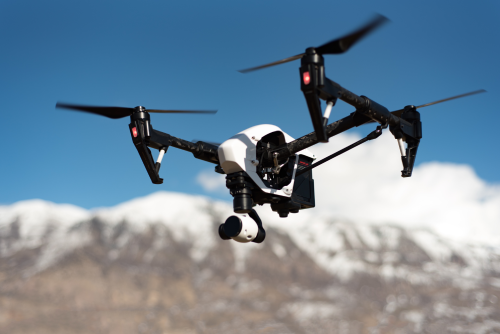
If you want to learn how to shoot cityscape footage with a drone, the biggest upgrade is not flying higher or buying a more expensive drone. It is planning the shot, choosing the right light, and flying smoothly enough that the city feels cinematic instead of chaotic. In Indian cities, where airspace, crowds, haze, cables, and privacy concerns can complicate a simple flight, good preparation matters even more.
Quick Take
- The best cityscape footage usually comes from sunrise or late-evening light, not harsh midday sun.
- Most strong shots are made with slow, simple moves: rise, slide, push-in, pull-back, and gentle orbit.
- In India, always verify the latest DGCA and Digital Sky guidance before flying in any urban area.
- Use manual settings when possible: low ISO, fixed white balance, and a shutter speed that matches your frame rate for smoother motion.
- Do not chase “epic” shots by flying close to buildings, roads, or crowds. Safer, wider shots often look better.
- Haze, heat shimmer, wind between buildings, birds, and signal interference are common city problems. Plan for them.
- Edit with restraint. Good city footage needs clean sequencing and colour balance more than heavy effects.
What makes cityscape drone footage look good
A cityscape is more than a skyline. Good footage shows shape, scale, rhythm, and movement.
The strongest urban drone shots usually have at least one of these:
- Layers, such as buildings in the foreground, mid-ground, and background
- Leading lines, like roads, metro tracks, bridges, or river edges
- Light contrast, especially side light at sunrise or sunset
- Motion inside the frame, such as traffic flow, shadows, clouds, or water
- A clear subject, like one tower, one block, or one urban pattern
Beginners often try to capture everything at once. That usually creates messy footage. A better approach is to decide what the shot is really about:
- The skyline
- The road pattern
- A landmark
- Morning city mood
- Density and scale
- Contrast between old and new architecture
Once you know that, your height, lens direction, and movement become much easier to choose.
Plan the shoot before you charge the batteries
Check the legal and practical side first
Urban flying in India needs caution. Rules can change, and city airspace may have local restrictions even when a place looks open on the ground. Before any flight, verify the latest official guidance.
At minimum, check:
- Current airspace status on Digital Sky
- Whether your drone category and operation require registration, permission, NPNT compliance, or a remote pilot certificate under current Indian rules
- Local restrictions near airports, helipads, military areas, government installations, strategic locations, and temporary restricted zones
- Whether the area includes a dense public gathering, event, procession, or emergency activity
- Whether you have permission to take off and land from the property you plan to use
Also remember that housing societies, commercial buildings, hotel rooftops, and private campuses may require explicit owner permission even if the airspace itself is not restricted.
If you are unsure, do not guess. Verify first.
Scout the location properly
City footage is won during scouting, not after takeoff.
If possible, do a ground visit before the actual shoot. Look for:
- Safe takeoff and landing space
- Trees, wires, mobile towers, cranes, and rooftop obstacles
- Building gaps that may create strong gusts
- Sun direction at your planned time
- Potential foreground elements like terraces, trees, water tanks, or roads
- Places where people may object to filming due to privacy concerns
Try to identify three shot categories before you fly:
- Wide establishing shot
- Medium movement shot
- Detail or pattern shot
This gives you a usable sequence instead of random clips.
Think about the story, not just the skyline
A skyline by itself can look flat after 10 seconds. Cityscape footage feels stronger when there is progression.
For example:
- Start with a low reveal from behind a building
- Cut to a slow lateral move showing city depth
- End with a high pull-back that shows full scale
Or:
- Start with top-down road geometry
- Cut to metro line movement
- End with a skyline at golden hour
Even a 30-second reel becomes better when the shots build on each other.
Choose the right time and weather
Best time of day
For most cityscape work, the best windows are:
- Early morning, just after sunrise
- Late afternoon to sunset
- Blue-hour edge light, where legal and safe to operate under current rules
Morning usually gives cleaner air, softer light, and less traffic congestion at launch spots. In many Indian cities, this also means less thermal turbulence, which helps the drone fly more smoothly.
Evening gives richer colour and more visible city life, but haze and pollution can be worse depending on the season.
Times to avoid
Midday light is usually the hardest to work with because it creates:
- Flat, harsh contrast
- Washed-out skies
- Ugly building reflections
- Less depth in the scene
Also be careful with:
- Monsoon winds and sudden rain
- Summer heat shimmer over roads and rooftops
- Winter smog in cities like Delhi and nearby NCR areas
- Coastal humidity that reduces clarity
- Festival days or major event traffic
A dramatic sky can help a city shot. But if the wind is unstable or visibility is poor, safety comes first.
Camera settings that make footage look more professional
You do not need a cinema drone to shoot clean cityscape footage. But you do need consistent settings.
Start with these video settings
| Setting | Good starting point | Why it helps |
|---|---|---|
| Resolution | 4K if available | Gives more detail and more flexibility to crop in editing |
| Frame rate | 25 fps or 50 fps where available | Often suits Indian lighting conditions better and can reduce flicker under some artificial lights |
| Shutter speed | Roughly double frame rate, such as 1/50 for 25 fps | Creates natural motion blur instead of choppy movement |
| ISO | Keep as low as possible | Reduces noise and preserves detail |
| White balance | Fix it manually | Prevents colour shifts during the shot |
| Colour profile | Normal for easy editing, flatter profile if you know colour correction | Helps control highlights and shadows |
Why shutter speed matters
If motion in your footage looks too sharp and jittery, your shutter speed is probably too fast.
A simple rule is the “180-degree shutter” guideline, which means your shutter speed should be about double your frame rate:
- 25 fps: use around 1/50
- 30 fps: use around 1/60
- 50 fps: use around 1/100
In bright daylight, this often requires an ND filter. An ND filter is basically sunglasses for your camera. It cuts light so you can keep the shutter slower and motion smoother.
Manual beats auto for city shots
Auto settings can change exposure and colour mid-shot when the camera turns from shadow to bright sky. That makes clips hard to edit.
Use manual where possible:
- Lock white balance
- Set exposure deliberately
- Keep ISO low
- Watch highlights on bright roofs and reflective glass
If your drone supports histograms or zebra warnings, use them to avoid blown-out skies.
The cityscape shots every beginner should learn
You do not need 20 fancy moves. Learn a few reliable ones and execute them cleanly.
1. The slow reveal
Start with a foreground object blocking part of the city, such as a terrace wall, tree line, or low rooftop. Rise slowly until the skyline appears.
Why it works:
- Adds suspense
- Gives scale
- Feels more cinematic than starting already high
Tip: Keep the rise slow and stop the movement gently.
2. The push-in
Fly forward slowly toward a skyline, tower cluster, bridge, or waterfront district.
Why it works:
- Builds focus
- Feels immersive
- Works well for opening shots
Tip: Do not aim directly at a busy road or fly too close to structures. Keep a safe buffer and use the movement to suggest approach, not aggression.
3. The pull-back and ascend
Start with a tighter frame on one building or city block, then fly backward while climbing slightly.
Why it works:
- Reveals scale
- Shows context
- Great for endings
This is one of the easiest “big city” shots to make look impressive.
4. The lateral slide
Fly sideways while keeping the camera aimed at the subject. This creates parallax, which means foreground and background move at different speeds.
Why it works:
- Adds depth
- Makes even ordinary buildings feel dynamic
- Looks smoother than aggressive yaw turns
This is especially useful near a riverfront, business district, or row of buildings with visible spacing.
5. The gentle orbit
Circle around a single subject, such as a tower, monument, or isolated building.
Why it works:
- Creates motion around a fixed point
- Shows shape and environment together
Use this carefully in cities. Orbits near buildings demand obstacle awareness, stable GPS, and clean wind conditions. If you are a beginner, make the orbit wide and slow.
6. The top-down pattern shot
Point the camera straight down and capture geometry: intersections, parking layouts, rooftops, shadows, water edges, or repeating building shapes.
Why it works:
- Turns the city into graphic design
- Strong for transitions
- Useful even in less famous locations
Be especially careful with privacy and crowd density. Avoid intrusive shots into private spaces and do not hover where people may feel monitored.
7. The rise-and-tilt combo
Rise slowly while tilting the gimbal down or up to reveal more of the city.
Why it works:
- Adds movement without needing speed
- Good for beginners
- Helps shift attention from one layer to another
The key is coordination. If the rise and tilt happen too quickly, the footage will feel mechanical.
8. The road or metro leading-line shot
Use roads, bridges, river edges, or metro tracks as visual lines guiding the eye into the frame.
Why it works:
- Gives the shot structure
- Makes the city feel organised
- Works well at sunrise or dusk
Important: do not hover low over active traffic or crowded transit areas. Capture the pattern from a safe, legal stand-off distance.
Composition tips that make a big difference
A city can easily look cluttered. Composition is what turns clutter into design.
Keep the horizon level
A slightly crooked horizon makes city footage look amateur immediately. Use the drone’s horizon correction if needed and check level before each major shot.
Use layers
Try to include:
- Foreground: tree, roof edge, bridge, terrace, water tank
- Mid-ground: main buildings or roads
- Background: skyline, hills, clouds, sea, or distant haze
Layers give depth, which is the main strength of drone video.
Do not always centre the subject
Use the rule of thirds when it helps. Place the skyline lower in frame if the sky is dramatic, or higher if the road pattern or city density is the real subject.
Show local character
A cityscape does not need to be generic. What makes the location feel Indian?
It could be:
- A riverfront
- A flyover pattern
- Metro lines
- Dense mixed rooftops
- Glass towers beside older neighbourhoods
- A coastal skyline
- A lake cutting through urban development
Capture the city’s identity, not just “buildings from above.”
Fly smoothly: your fingers matter more than your drone
The biggest difference between average and polished footage is control input.
Use the slowest flight mode that still gives control
Many drones offer a cine, tripod, or smooth mode. Use it for city footage. It softens acceleration and braking.
Make one move per shot
A common beginner mistake is doing all of this together:
- moving forward
- climbing
- yawing
- tilting the camera
That usually looks busy and hard to watch.
Instead, build the shot around one primary move and maybe one supporting move.
Let the shot breathe
Record 2 to 3 seconds before starting movement and 2 to 3 seconds after stopping. This gives clean edit points.
Watch for urban wind
Wind around buildings is rarely consistent. You may launch in calm air and find gusts at roof height or between towers.
If the drone is fighting hard to hold position, simplify the shot or land.
Safety and compliance in Indian cities
Urban drone shooting is where safety discipline matters most.
A practical city safety checklist
Before takeoff:
- Verify current DGCA and Digital Sky requirements
- Confirm the area is legal to fly in
- Check local property permission for takeoff and landing
- Assess crowd density and pedestrian movement
- Check battery health and return-to-home settings
- Review wind, visibility, and possible rain
- Identify wires, antennas, cranes, and tall trees
During flight:
- Keep visual line of sight
- Stay well clear of buildings, traffic corridors, and crowded spaces unless specifically authorised and safely managed
- Do not rely blindly on obstacle sensors
- Keep enough battery reserve for landing, not just return
- Be ready for birds, especially kites and crows in some cities
After flight:
- Review clips on-site
- Check props and motors before the next battery
- Move launch position if people start gathering too close
Privacy matters too. Avoid filming into windows, balconies, or private terraces. Even if a shot is technically possible, it may not be responsible.
A simple editing workflow for cityscape footage
You do not need dramatic transitions to make city footage look good.
Build a sequence like this
- Establish the location with a wide shot
- Move closer with one medium motion shot
- Add one pattern or detail shot
- Finish with a wider reveal or pull-back
This gives shape to the edit.
Clean up the image
In post-production, focus on:
- Correcting exposure
- Balancing white balance across clips
- Recovering highlights where possible
- Adding mild contrast
- Reducing haze carefully if your software supports it
Do not over-sharpen. It makes buildings look brittle and artificial.
Stabilise only when necessary
If the shot is already smooth, leave it alone. Heavy digital stabilisation can crop the frame and create strange warping.
Keep speed ramps limited
A little speed change can help transitions, but overuse makes city footage feel like a social media template instead of a considered piece.
Common mistakes beginners make
- Flying at the wrong time and getting flat midday footage
- Going too high and losing all detail
- Using auto white balance and getting colour shifts mid-shot
- Forgetting ND filters, causing harsh choppy motion
- Making every shot too short to edit properly
- Yawing too fast
- Trying complex moves in tight urban spaces
- Ignoring haze and expecting “crystal clear” footage from bad conditions
- Shooting random clips with no sequence in mind
- Focusing on dramatic height instead of composition and timing
A good rule: if the shot feels hard to control, it probably looks hard to watch too.
FAQ
What altitude works best for cityscape footage?
Usually lower than beginners expect. Many strong city shots happen at moderate heights where roads, buildings, and layers still have detail. Always stay within current legal limits and adapt to the location, airspace, and safety conditions.
Is sunrise better than sunset for city drone footage?
Often yes, especially in Indian cities with haze or heavy evening traffic. Morning light can be cleaner and calmer. Sunset can be more colourful, but visibility and wind may be less predictable.
Can I shoot cityscapes with an entry-level drone?
Yes. Smooth movement, good timing, and careful framing matter more than having the most expensive camera. A beginner-friendly drone with stable hovering and decent 4K video is enough for many city shots.
Should I use 25 fps or 30 fps in India?
If your drone offers 25 fps, it is often a sensible starting point in India, especially around artificial lighting. It can help reduce flicker in some situations. If you already work in a 30 fps workflow, that can still be fine; just test before an important shoot.
Do I really need ND filters?
If you want smoother motion in daylight, yes, they help a lot. Without ND filters, your shutter speed often becomes too fast, making movement look stuttery and harsh.
Is it okay to launch from a rooftop?
Only with permission from the property owner or manager, and only if the rooftop gives safe takeoff and landing space. Rooftops can have stronger wind, more signal reflections, and more obstacles than they appear to from the ground.
Can I shoot city footage at night?
Night cityscapes can look excellent, but beginners should be very cautious. Low light increases noise, focus challenges, and orientation risk. Also verify the latest legal position before any night or low-light operation in India.
How do I reduce haze in city footage?
The best fix is timing, not editing. Shoot early, after cleaner weather, or on days with better visibility. In editing, use dehaze and contrast gently. If the air is heavily polluted or humid, no camera setting will fully solve it.
Final takeaway
To shoot cityscape footage with a drone, think like a planner first and a pilot second. Pick the right light, verify the legal status, fly simple moves, and build a short sequence instead of chasing one flashy shot. If you do just that on your next sunrise session, your footage will already look far more professional.
