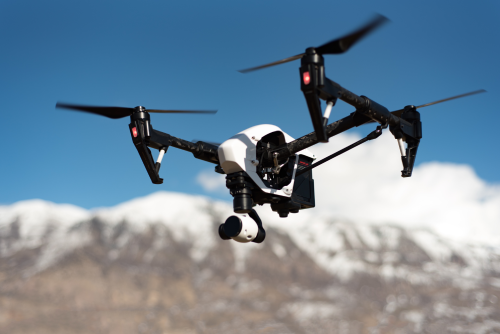
Knowing how to protect your camera while shooting with a drone is just as important as learning composition or camera settings. A drone camera is not just a lens in the air; it is a delicate mix of glass, motors, ribbon cables, and stabilisation hardware hanging under a moving aircraft. If you shoot in India’s dust, heat, humidity, coastal wind, or crowded urban spaces, a few smart habits can save you from expensive repairs and ruined footage.
Quick Take
- Protecting a drone camera starts before takeoff, not after a crash.
- The most vulnerable parts are the lens, gimbal, gimbal motors, and ribbon cable.
- Use a clean landing area, a proper case, and a gimbal guard during transport.
- Dust, sand, salt spray, humidity, and heat are bigger threats than many beginners realise.
- Remove the gimbal clamp before powering up or flying.
- Do not fly in drizzle, heavy mist, or near sea spray unless the drone is specifically built for it.
- Obstacle sensors help, but they do not guarantee camera safety.
- Smooth flying protects the camera better than aggressive flying.
- Clean the lens and body correctly after every shoot, especially after beach, farm, or construction-site flights.
- Always verify the latest DGCA and local flight rules before shooting, because safe and legal flying also lowers the chance of camera damage.
What exactly are you protecting?
When people say “drone camera,” they usually mean the whole camera assembly under the drone. In practice, there are several parts that can get damaged:
Lens and front glass
This is the easiest part to scratch. Dust, sand, branches, rough cleaning cloths, and bad storage habits can all damage it.
Gimbal
The gimbal is the small motorised mount that keeps footage stable. It is precise and fragile. A minor bump during transport or a rough landing can misalign it.
Gimbal motors and ribbon cable
The ribbon cable is the thin flexible cable that connects the camera and gimbal electronics. It is easy to damage in crashes, during careless packing, or while forcing a stuck gimbal.
Sensor area and internal electronics
Most consumer drone cameras are sealed units, but moisture, condensation, and prolonged dust exposure can still cause trouble over time.
Camera housing
The outer shell can crack in collisions or from pressure inside a tightly packed bag.
A useful mindset is this: your drone body may survive a rough landing, but the camera and gimbal often take damage first.
The biggest threats Indian drone users face
In India, camera damage often comes from the environment rather than a dramatic crash.
Dust and loose soil
Common in open grounds, farms, construction areas, and dry fields. During takeoff and landing, propellers throw dust upward directly toward the camera and gimbal.
Sand
A major problem at beaches, dry riverbeds, and desert-like terrain. Fine sand can scratch glass and enter gimbal joints.
Salt spray near the sea
If you shoot in Goa, Mumbai, Chennai, Kochi, Visakhapatnam, or any coastal area, salt in the air can settle on the camera and body. Salt is corrosive and should not be ignored.
Humidity and condensation
Very common during monsoon, in hill stations, and when moving from an air-conditioned car into warm outdoor air. Condensation can fog the lens and affect electronics.
Heat
Leaving a drone in a parked car, shooting on rooftops in peak summer, or waiting too long in direct sunlight can heat the camera and battery area.
Obstacles and birds
Tree branches, wires, poles, rooftop rods, temple flags, kites, and birds are common hazards during Indian shoots.
Before you leave home: protection starts with packing
Most camera damage happens before flight or after landing, not in the air. Packing properly matters.
Use a proper case
A hard case or a well-padded drone bag helps prevent pressure on the gimbal and camera. This matters even more if you travel by bike, auto, or train where vibration and bumps are common.
Choose a case or bag that: – Holds the drone firmly – Does not let the camera hang loose – Separates batteries, filters, props, and charger – Keeps dust out reasonably well
Always use the gimbal protector during transport
The clear plastic cover or clamp that comes with many drones is there for a reason. Use it whenever the drone is stored or carried.
Important: – Remove the gimbal protector before powering on the drone – Never force the gimbal if it seems stuck – Do not transport the drone loosely inside a backpack without support under the gimbal area
Keep silica gel in the bag
In humid regions or during monsoon, a few moisture-absorbing silica gel packs inside the drone case can help reduce dampness.
Carry a basic cleaning kit
A small kit should include: – Air blower – Soft lens brush – Clean microfiber cloth – Lens-safe cleaning fluid – A few dry tissues for the body, not the lens
Avoid using shirt sleeves, handkerchiefs, or ordinary tissue paper on the lens.
Check props before the shoot
Damaged or unbalanced propellers create vibration. Excess vibration affects footage and puts extra stress on the gimbal. Protecting the camera also means keeping the drone mechanically healthy.
Setup at the location: the five checks that matter most
Before takeoff, do these in order.
1. Pick a clean launch and landing spot
Avoid: – Loose sand – Dry dusty soil – Gravel – Wet grass – Areas with plastic wrappers or dry leaves that can blow upward
Use a landing pad if possible. Even a simple foldable pad makes a big difference in dusty places.
If you do not have one, use a clean flat surface like: – A clean concrete patch – A car boot edge only if it is stable and safe – A hard board placed on the ground
For beginners, this is one of the easiest ways to protect the camera.
2. Let the drone adjust to temperature
If the drone came from an air-conditioned room or car into humid outdoor air, give it a few minutes before flight. This helps reduce lens fogging and condensation.
A common example: – You leave a cool car in coastal humidity – You power on immediately – The lens fogs, and moisture may settle around the camera area
Letting the drone acclimatise can prevent this.
3. Remove the gimbal cover carefully
This sounds obvious, but beginners do forget. Powering on with the gimbal lock still attached can strain the gimbal motors.
4. Attach the right filter, if needed
If your drone supports filters: – Use an ND filter mainly to control exposure in bright light – Use a clear protective filter only if it is well-made and designed for your camera – Avoid cheap filters with poor glass, bad coatings, or loose fit
A filter can help protect the front element from minor scratches and dust, but it is not crash protection.
5. Clean and inspect the lens before takeoff
Do a quick check for: – Fingerprints – Dust spots – Salt marks – Fogging – Cracks or chips
A dirty lens is not just an image-quality issue. It is often a warning that the camera has been exposed to bad conditions and needs better handling.
How to fly in a way that protects the camera
Camera protection is not only about storage. Flying style matters a lot.
Avoid low takeoffs and landings in dusty areas
When the drone is close to the ground, prop wash kicks up dust directly into the camera and gimbal. Rise smoothly and do not hover too low for long over loose soil.
If you are landing in a dusty spot: – Descend steadily – Do not drop too fast – Do not keep the drone hovering one foot above the ground for too long
Keep a safe distance from branches, cables, and walls
The camera often sits lower than the drone body. That means a branch or wire can hit the gimbal even if the arms clear it.
Be extra careful when: – Flying sideways – Reversing for a reveal shot – Orbiting buildings or towers – Flying close to palm trees or electric wires
Do not rely fully on obstacle avoidance
Obstacle sensors help, but they have limits. Thin branches, wires, reflective surfaces, poor light, and side angles can fool them.
If you fly as if sensors will save you every time, the camera is at risk.
Use smooth movements
Aggressive yaw turns, sudden braking, fast descents, and sport mode flying all put more stress on the gimbal and increase collision risk.
For camera safety, smoother is better: – Gentle stick inputs – Slower approach to subjects – Planned turns – Controlled ascent and descent
This also improves your footage.
Be careful around birds
Birds may approach or attack drones, especially near nesting areas, water bodies, or open fields. A bird strike can damage the gimbal first.
If birds start circling or diving: 1. Do not chase them 2. Climb or retreat smoothly if safe 3. Return and land early if needed
Stay away from spray, mist, and drizzle
Many consumer drones are not truly weather-sealed. Fine droplets can reach the gimbal and camera assembly even if the drone seems to fly normally.
Avoid flying: – In rain – In heavy mist – Near waterfalls without good standoff distance – Close to breaking waves – During festival or event smoke if visibility is poor
At the beach, even if there is no rain, sea spray can be enough to leave corrosive residue on the camera.
Over water needs extra caution
Over-water shots look great, but they increase risk fast. A sudden low-battery return, wind gust, bird strike, or depth-perception mistake can cost the whole aircraft and camera.
If you must shoot over water: – Start with plenty of battery – Maintain a generous height margin – Avoid unnecessary low passes – Watch wind direction – Plan your return early
Manage heat on the ground
A drone sitting powered on in direct sun while you adjust settings can heat up quickly. Camera electronics do not like prolonged heat.
Good practice: – Finish setup in shade where possible – Launch soon after powering on – Land and power off if you are pausing for a long time – Never leave the drone on a hot car dashboard or in a closed vehicle
Accessories that actually help protect the camera
Some accessories are useful. Some are overrated. This comparison helps.
| Accessory | What it helps with | What it does not do |
|---|---|---|
| Gimbal guard / cover | Protects camera and gimbal during transport | Must not stay on during power-up or flight |
| Landing pad | Reduces dust, sand, and debris during takeoff and landing | Will not protect the camera from collisions in flight |
| Hard case or padded bag | Prevents pressure, bumps, and vibration during travel | Cannot save the camera from bad packing inside the case |
| ND filter | Helps exposure control in bright light; may add a sacrificial front layer | Not a substitute for careful flying |
| Clear protective filter | Helps against minor scratches and fingerprints if good quality | Poor-quality filters can reduce image quality |
| Air blower and microfiber cloth | Safe routine cleaning | Cannot fix internal dust or salt damage |
| Silica gel packs | Helps in humid storage conditions | Not a cure for water exposure |
Should you use prop guards?
Prop guards mainly protect people, props, and nearby surfaces in close flying. They can reduce minor collision severity, but they are not camera protection tools. Also, not all drones fly well with third-party guards. Use only compatible accessories.
Cleaning after a shoot without damaging the camera
Cleaning is where many users accidentally scratch the lens or stress the gimbal.
Safe cleaning routine
- Power off the drone and remove the battery if applicable.
- Let the drone cool down if it has been flying in heat.
- Use an air blower first to remove loose dust.
- Use a soft brush only if needed for corners around the camera housing.
- Wipe the lens gently with a clean microfiber cloth.
- If there are smudges, put a small amount of lens-safe fluid on the cloth, not directly on the lens.
- Wipe the body around the camera with a dry or slightly damp cloth if needed.
- Let everything dry fully before fitting the gimbal cover and storing it.
What not to do
- Do not spray liquid directly on the camera
- Do not use household glass cleaner
- Do not use canned compressed air too aggressively near delicate parts
- Do not scrub sand off a dry lens
- Do not force the gimbal by hand to “check” it
Special care after beach shoots
After a coastal shoot: – Inspect for fine salt marks – Wipe the body gently – Clean the lens carefully – Store only after the drone is dry – Check the gimbal movement on next startup for any stiffness or error
If the drone was exposed to visible sea spray, clean it sooner rather than later.
Storage and transport in Indian weather
India’s climate can be hard on camera gear, especially if you shoot regularly.
In summer
- Do not leave the drone in a parked car
- Store in a cool, dry place
- Let the drone cool before packing after a flight
During monsoon
- Use a better-sealed bag or case
- Keep silica gel packs in the case
- Dry the drone before storage even if it did not fly in rain
In coastal cities
- Clean more often
- Watch for corrosion around screws and gimbal area
- Avoid storing the drone for long periods without inspection
On bike travel
Many Indian creators travel with drones on two-wheelers. If you do: – Use a well-padded bag – Avoid a loose fit – Keep the camera side protected from direct shock – Do not carry the drone unprotected in a regular laptop bag
Planning the shoot can protect the camera too
Good planning reduces rushed decisions, and rushed decisions break gear.
Before flight, ask: – Where will I take off and land? – Are there wires, poles, branches, flags, or birds nearby? – Is the area dusty or sandy? – What is my return route if the wind changes? – Is there enough light for safe visual line of sight? – Do I really need to fly low for this shot?
A small recce, even just five minutes on foot, often prevents the kind of mistake that damages the gimbal.
Safety, legal, and compliance checks that also protect your camera
Following rules is not just about avoiding trouble. It also protects your equipment.
Why legal compliance matters for camera safety
Unsafe or unauthorised flying often leads to: – Rushed takeoffs – Poor launch sites – Flying near crowds or traffic – Panic landings – Last-minute route changes
Those situations are bad for the drone and worse for the camera.
Practical compliance reminders for India
Before you fly, verify the latest official rules from DGCA and related government systems. Requirements can differ based on drone category, weight, use case, and location.
In general: – Check whether the area is allowed for drone operations – Avoid restricted, sensitive, or prohibited locations – Maintain visual line of sight unless specifically authorised otherwise – Do not fly recklessly near people, roads, or events – If you are flying for commercial work, verify current requirements for permissions, registration, pilot credentials, and operational compliance – If your drone uses systems such as NPNT or other platform-based compliance features, verify the latest applicable guidance before flight
If you are unsure about an area, do not guess. Verify first.
Common mistakes that damage drone cameras
These are the habits that cause avoidable repair bills.
- Carrying the drone without the gimbal cover
- Powering on with the gimbal clamp still attached
- Taking off from dusty soil without a landing pad
- Landing on sand or wet grass repeatedly
- Cleaning the lens with a T-shirt or tissue
- Flying too close to branches for “cinematic” shots
- Depending blindly on obstacle sensors
- Leaving the drone in direct sunlight for too long
- Storing the drone while still damp after a humid or beach shoot
- Using cheap filters that fit badly or affect balance
- Forcing the gimbal by hand after a minor crash
- Ignoring small camera shakes, tilt errors, or startup gimbal warnings
If the camera starts showing horizon tilt, vibration, or gimbal overload messages, stop and inspect rather than continuing the shoot.
FAQ
Is a UV or clear filter enough to protect a drone camera?
It can protect against minor scratches, fingerprints, and dust on the front glass, but it does not protect the gimbal from impact. Think of it as light surface protection, not accident protection.
Can I fly my drone in light rain or drizzle for a quick shot?
Unless your drone is specifically built and rated for that kind of weather, it is best not to. Light rain can still reach the camera, gimbal, and electronics and may cause damage.
What is the safest way to protect the camera during transport?
Use the original gimbal guard or clamp, pack the drone in a padded case, and make sure nothing presses against the camera assembly. Avoid throwing the drone loosely into a backpack.
Should I hand-launch or hand-catch to avoid dusty landings?
Only experienced users should even consider it, and only in safe, controlled conditions. For beginners, a clean landing pad is the better option. Hand-catching introduces its own risks.
How often should I clean the lens?
Check it before every flight and clean only when needed. Unnecessary wiping can cause wear over time. Always remove loose dust first before touching the glass.
What should I do after a minor crash if the camera still seems fine?
Power off, inspect the lens, gimbal, and ribbon area, then do a careful startup test. Check for gimbal errors, unusual vibration, tilt, or jitter in footage. Do not assume everything is fine just because the camera turns on.
Is beach shooting always bad for drone cameras?
Not always, but it is higher risk. Sand and salt are both hard on camera gear. If you shoot at the beach, use a landing pad, maintain distance from waves, and clean the drone soon after the session.
Does obstacle avoidance fully protect my camera?
No. Sensors can miss thin wires, branches, side obstacles, and certain surfaces. They are a backup, not a guarantee.
How can I protect my drone camera in very hot Indian summers?
Keep setup time short in direct sunlight, avoid leaving the drone in parked vehicles, let it cool before packing, and take breaks between flights if the drone feels unusually hot.
Final takeaway
If you want to protect your camera while shooting with a drone, focus on three things: clean takeoffs and landings, smooth and conservative flying, and proper cleaning and storage after every shoot. Start by adding a landing pad, using the gimbal cover properly, and avoiding dust, moisture, and rushed flights; those three habits alone will prevent most camera damage beginners face.
