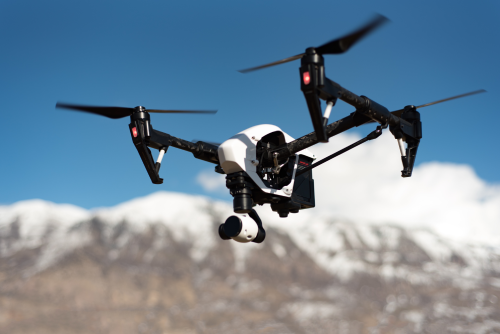
Learning how to make YouTube travel videos with a drone is less about fancy flying and more about planning, storytelling, and safe shooting. The best travel videos use drone footage to show scale, movement, and mood, then combine it with ground shots, sound, and a clear story.
For creators in India, one extra rule matters: not every beautiful location is legal or practical for drone flying. If you want videos that look professional and stay trouble-free, plan the story first, verify the location second, and fly only when it is safe and allowed.
Quick Take
- A good drone travel video is a story, not a collection of random aerial clips.
- Use the drone for three jobs: establish the place, create transitions, and show scale.
- Shoot early morning or golden hour for better light and calmer wind.
- Fly slowly. Smooth movement usually looks more cinematic than aggressive movement.
- Record in 4K if your drone supports it, but keep settings simple and consistent.
- Mix drone footage with ground clips, natural sound, voiceover, and short talking pieces.
- In India, always verify the latest DGCA, Digital Sky, and local site restrictions before flying.
- Avoid crowds, sensitive areas, wildlife disturbance, and privacy-invasive shots.
- In editing, trim hard. Most drone clips work best at 3 to 8 seconds.
- Your first goal should be one strong 60 to 120 second travel story, not a long cinematic montage.
What makes a good YouTube travel video with a drone
A drone adds something most phones and action cameras cannot: altitude, motion, and geography. It can show the coastline, the road cutting through the hills, the shape of a fort, or the scale of a valley in one shot.
But drone footage alone rarely carries a full YouTube travel video.
A strong travel video usually has five basic parts:
- A hook that makes people want to keep watching
- An arrival or setup that tells viewers where you are
- A sense of place through visuals and sound
- A small journey, activity, or emotion
- A closing shot or thought that feels complete
The drone fits into that structure like this:
- Hook: a quick reveal, pull-away, or top-down shot
- Location intro: a wide establishing shot of the area
- Transitions: moving from hotel to street, road to viewpoint, beach to town
- Hero moments: sunrise over a landscape, a boat cutting through water, a fort on a ridge
- Ending: a final rise-up or pull-away that gives closure
If you shoot only aerial footage, viewers may admire the scenery but still feel disconnected. If you combine it with street shots, food, local details, conversations, footsteps, and ambient sound, the video feels like a real trip.
Think in sequences, not single shots
Instead of saying, “I need drone footage,” say, “I need a sequence that shows arrival at this place.”
For example, a short hill-station sequence could be:
- Ground shot of a winding road sign
- Car dashboard clip
- Drone side-track of the road through trees
- Ground shot of tea or breakfast
- Drone reveal of the valley
- Talking clip: “This is why I wanted to come here at sunrise”
That sequence tells a story. A random 20-second aerial orbit does not.
The gear you actually need
You do not need a big production setup to make YouTube travel videos with a drone. For most beginners, a compact and reliable kit is better than a complicated one.
Core travel video kit
- A compact camera drone with a stabilized gimbal
- At least 2 to 3 batteries for a travel day
- Fast memory cards from a reliable brand
- A charger and power solution for the trip
- Spare propellers
- A small case or shoulder bag
- A phone, camera, or action cam for ground shots
- An external microphone if you plan to speak on camera
- A lens cloth and basic cleaning kit
Nice-to-have accessories
- ND filters, which are dark filters that help you keep natural-looking motion blur in bright daylight
- A landing pad for dusty or sandy places
- A power bank if your device setup supports safe charging on the go
- A small tripod for talking shots and time-lapses
What matters more than specs
For travel content, these matter more than chasing the newest model:
- Reliability
- Easy setup
- Stable footage
- Good battery management
- Safe obstacle awareness, if available
- Portability
- Simple file workflow
A small drone you actually carry is better than a larger drone you leave in the hotel room because it feels too inconvenient.
Plan the video before the trip
The easiest way to waste batteries is to arrive at a location with no shot plan.
Before you travel, spend 20 to 30 minutes planning the story.
1. Decide the angle of the video
Ask yourself what the video is really about.
Possible angles:
- A weekend itinerary
- A budget trip
- A hidden viewpoint
- A road trip route
- A luxury stay
- Food and scenery
- Sunrise-to-sunset experience
- A first-time visit
This decision affects what the drone should capture.
If the video is about a quiet mountain retreat, your drone shots should feel calm and spacious. If it is about an adventure road trip, your shots can be more dynamic but still controlled and safe.
2. Research the location visually
Use maps, satellite view, videos, and photos to understand:
- The landscape shape
- Likely launch points
- Obstacles like power lines, trees, towers, and cable cars
- Crowded areas
- Water, dust, and wind exposure
- Sunrise and sunset direction
Try to identify three or four likely drone moments, not ten.
3. Check if drone flying is allowed
This is essential in India.
Before every location, verify:
- Airspace restrictions
- Local authority restrictions
- Property rules from resorts, private estates, or event venues
- Rules around monuments, religious places, wildlife areas, or protected spaces
A location being photogenic does not mean drone flying is allowed there.
If you cannot clearly confirm that flight is permitted and safe, plan a ground-based version of the scene.
4. Make a shot list
A simple shot list keeps you focused.
Here is a beginner-friendly travel drone shot list:
- 1 wide establishing shot
- 1 reveal shot
- 1 push-in or pull-away
- 1 top-down shot
- 1 side-tracking shot
- 1 static hover shot for edit flexibility
- 1 closing shot
Add matching ground clips for each location.
5. Check weather and light
The best travel drone footage usually comes from:
- Early morning
- Late afternoon
- Golden hour
Harsh midday sun can flatten the scene and create ugly shadows. Strong wind can also ruin smooth footage and shorten battery life.
If the weather is changing fast, reduce ambition and focus on a few safe shots.
Safety and legal checks for creators in India
Drone rules can change, and local restrictions can matter as much as national ones. Before flying, verify the latest official guidance from DGCA and Digital Sky, and also check whether the specific site or local authority has additional rules.
Practical compliance checklist
Before takeoff, confirm these points:
- Your drone is lawful to own and operate for your use case
- The location is not in restricted or sensitive airspace
- There are no temporary restrictions or local bans in effect
- The property owner or site manager allows drone flying, if applicable
- The area is clear of crowds, traffic, and unsafe obstacles
- Weather conditions are suitable
- Your batteries, props, and return-to-home settings are checked
Places where you should be extra cautious
Be especially careful around:
- Airports and flight paths
- Military or strategic locations
- Government or high-security premises
- Densely crowded public spaces
- Major roads and moving traffic
- Wildlife habitats and nesting areas
- Monuments, heritage sites, and religious places that may have site-specific rules
Privacy matters too
Even when a flight seems legal, it may still be intrusive.
Avoid:
- Hovering close to hotel balconies or homes
- Filming people in a way that feels invasive
- Chasing vehicles, boats, or people for dramatic footage
- Flying low over private gatherings
A travel creator who respects privacy builds a better reputation than one who gets “viral” for the wrong reasons.
When in doubt, do not launch
The best professional habit is simple: if you are unsure about safety, legality, or public comfort, skip the shot.
YouTube rewards consistency over one risky clip.
The best drone shots for travel videos
You do not need dozens of drone moves. A small set of reliable shots can cover most travel videos.
| Shot type | Best use | Beginner tip |
|---|---|---|
| Wide establishing shot | Shows the full location and geography | Hold the frame steady for 3 to 5 seconds before moving |
| Reveal shot | Builds curiosity by hiding then showing the place | Use a tree, wall, rock, or rooftop as foreground |
| Pull-away shot | Makes a location feel grander | Start near the subject and slowly fly backward or upward |
| Push-in shot | Adds drama and focus | Keep speed slow and consistent |
| Side-track shot | Great for roads, coastlines, or river edges | Move sideways only; avoid mixing too many controls |
| Top-down shot | Works for patterns, water, roads, fields, and architecture | Look for symmetry and clean shapes |
| Orbit shot | Useful for forts, towers, and isolated structures | Keep the radius wide and speed slow |
| Rise-up shot | Reveals landscape scale gradually | Start low and rise smoothly without sudden yaw |
| Static hover shot | Good for editing flexibility and voiceover | Let the scene breathe instead of always moving |
Which shots work best for beginners
If you are new, master these first:
- Wide establishing shot
- Reveal shot
- Pull-away shot
- Top-down shot
- Static hover shot
These are easier to fly safely and easier to edit.
Use one movement per shot
Many beginners combine forward motion, sideways motion, rotation, and gimbal tilt in one clip. That usually looks messy.
A cleaner rule is:
- One main movement
- Optional gentle gimbal tilt
- Slow speed
- Clear start and end
That makes each clip easier to watch and easier to edit.
Camera settings that make footage look better
You do not need to go fully manual on day one, but you should understand a few basics.
Resolution
If your drone supports it, record in 4K. Even if you export in 1080p, 4K gives you more room to crop, stabilize slightly, or reframe in editing.
Frame rate
For normal travel footage:
- Use 24, 25, or 30 fps for regular motion
- Use 50 or 60 fps only when you want slow motion
If you shoot everything at high frame rate without a reason, the footage can look less natural and fill storage quickly.
Shutter speed
Shutter speed controls how much motion blur appears in the frame.
For cinematic-looking motion, creators often aim for a shutter speed around double the frame rate. For example:
- 25 fps with around 1/50 shutter
- 30 fps with around 1/60 shutter
In bright daylight, you may need an ND filter to achieve that without overexposing the image.
ISO
Keep ISO as low as possible. High ISO can introduce visible noise, especially in low light.
White balance
If possible, lock white balance instead of leaving it on auto. This prevents the color from shifting during the shot.
Color profile
If your drone offers a flatter or “log” style profile, only use it if you know how to color grade. Otherwise, a normal color profile is often easier and safer for beginners.
Exposure tips for travel footage
- Protect bright skies from blowing out
- Avoid very dark shadows you cannot recover cleanly
- Check your preview before every major shot
- Be careful in fog, mist, beach glare, and snow-like bright environments
How to fly for smooth YouTube footage
Good travel drone footage is usually more about stick control than camera settings.
1. Know the shot before takeoff
Do not launch and then improvise aimlessly.
Ask:
- Where does the shot begin?
- What is the subject?
- What movement am I doing?
- Where does the shot end?
2. Start and end with stillness
Hold the drone steady for 2 to 3 seconds at the start and end of each shot. This gives you clean edit points.
3. Slow down more than you think
Most beginners fly too fast. On YouTube, slightly slower footage often feels more premium and more intentional.
4. Use foreground for depth
A reveal from behind a tree, archway, hill edge, or rooftop often looks better than a plain wide shot from open sky.
5. Keep the horizon level
A tilted horizon makes even beautiful footage look careless. Check it during the flight and again in editing.
6. Leave space for the edit
If you think a shot is done, keep recording for two extra seconds. It helps more than you expect.
7. Repeat the best shot once
If conditions are safe, do a second take of your strongest shot. Small errors often become obvious only during editing.
A practical one-day filming workflow
Here is a simple workflow for a travel day that keeps drone footage useful instead of excessive.
Morning
Use the best light for your most important drone shots.
Capture:
- One wide establishing shot
- One reveal
- One hero shot of the main location
- Ground clips of arrival, walking, signs, tea, breakfast, street life
Midday
Use the drone less unless the scene specifically benefits from a top-down or architectural shot. Midday is better for:
- Local details
- Cafes and food
- Talking-to-camera clips
- Transit shots
- Indoor or shaded scenes
Evening
Golden hour is ideal for a second drone session.
Capture:
- A calm side-track or pull-away
- People-scale ground shots
- Closing drone shot if legal and safe
- Ambient sound before you leave
Night
For many beginners, night drone shooting is not worth the risk. Low light makes flying and exposure harder, and current legal or local restrictions may also affect what is permitted. Verify the latest rules and only fly if you are fully compliant, confident, and operating in a safe, open environment.
In most cases, use ground cameras at night instead.
Editing your drone footage into a YouTube travel video
This is where many creators lose viewers. They shoot well, then edit a montage with no structure.
A simple edit formula
-
Open with your best 3 to 5 seconds – A reveal, rise-up, or dramatic wide shot works well.
-
Tell viewers where they are and why it matters – Use a short voice line, text, or talking clip.
-
Mix drone and ground footage – Avoid stacking six similar aerial shots in a row.
-
Keep most drone clips short – Usually 3 to 8 seconds is enough.
-
Use drone clips as transitions – They work well between markets, viewpoints, roads, and stays.
-
Add natural sound – Wind in trees, temple bells from a respectful distance, market ambience, waves, road noise, footsteps. These make travel videos feel real.
-
Color-correct for consistency – Match brightness and white balance between drone and ground cameras.
-
End with closure – A pull-away, sunset silhouette, or final line works better than abruptly cutting off.
How much drone footage should you use
A common sweet spot for travel videos is to use the drone as a strong ingredient, not the whole meal.
For a 6 to 10 minute YouTube travel video, the drone may appear heavily at the start and then in shorter bursts throughout the story.
If every second is aerial footage, the sense of travel can disappear.
Audio matters more than most beginners think
Even the best drone visuals feel flat without sound design.
Since drone audio itself is usually unusable because of propeller noise, add:
- Ambient sound recorded on the ground
- Short voiceover lines
- Well-chosen music that fits the pace of the place
- Brief pauses in the music so the video can breathe
Common mistakes that ruin drone travel videos
Flying without a story
Beautiful scenery is not enough. Viewers want context, progression, and feeling.
Shooting only wides
Wide shots are great, but a full video of only wide aerials becomes repetitive. Add medium ground shots, close details, and human moments.
Moving too fast
Fast movement may feel exciting while flying but often looks amateur in the final edit.
Overusing orbits
Orbit shots are popular, but they lose impact when repeated. Use them only when the subject deserves it.
Flying in bad light
Harsh midday light can make landscapes look flat and washed out. If midday is your only option, look for patterns, architecture, or top-down compositions.
Ignoring local restrictions
A great shot is never worth legal trouble, site conflict, or unsafe flying.
Not checking wind
Even a capable drone can struggle in gusty conditions, especially near cliffs, coastlines, and open hilltops.
Making every clip too long
A 20-second drone clip may feel amazing to the pilot and boring to the viewer. Trim aggressively.
No ground footage
A travel video needs human perspective. Without it, the place can feel distant.
Relying on auto everything
Auto settings can work, but fully automatic exposure and white balance may shift during the shot and make editing harder.
FAQ
Is a drone enough to make good YouTube travel videos?
No. A drone adds scale and visual impact, but good travel videos also need ground shots, sound, and a clear story.
How long should drone clips be in a YouTube travel video?
Usually 3 to 8 seconds works best. Longer clips are fine if the movement or scenery is genuinely interesting.
What is the best time of day to shoot drone travel footage?
Early morning and golden hour are usually best because the light is softer, colors are better, and wind is often calmer.
Should beginners shoot in auto mode or manual mode?
Start simple. Auto can be fine, but try to lock white balance and understand basic exposure. Move toward manual control as you get comfortable.
How many batteries do I need for travel shooting?
For a serious half-day or full-day outing, 2 to 3 batteries is a practical starting point. Plan your best shots for the first battery when light and focus are strongest.
Can I use drone footage for every travel destination in India?
No. Some locations have airspace restrictions, local bans, property rules, or safety issues. Always verify the latest official and local guidance before flying.
How do I make my drone footage look more cinematic?
Fly slower, use cleaner compositions, shoot in better light, keep settings consistent, and edit tightly. Cinematic usually means controlled and intentional, not flashy.
Is it okay to fly over beaches, roads, markets, or tourist crowds for dramatic shots?
Avoid flying over crowds, busy roads, and situations where a failure could hurt people or invade privacy. If a location is crowded, get your story with ground shots instead.
Should I buy a drone just for a YouTube travel channel?
If travel content is something you plan to make regularly and you are willing to learn safe, legal operation, a drone can add real value. If you only travel occasionally, improve your storytelling and ground shooting first.
What is the fastest way to improve my drone travel videos?
Create a fixed 7-shot plan, shoot only in good light, and edit a short 60 to 90 second sequence from one trip. Repeating that process teaches more than collecting random footage for months.
Final takeaway
If you want to make YouTube travel videos with a drone, do not start with tricks. Start with a story, a shot list, and a legal place to fly. Then keep it simple: one great reveal, one strong wide shot, one clean transition, a few grounded moments, and an edit that moves with purpose.
Before your next trip, make a 7-shot drone plan, verify the location rules, and aim to finish one tight 90-second travel sequence. That will improve your videos faster than buying a more expensive drone.
