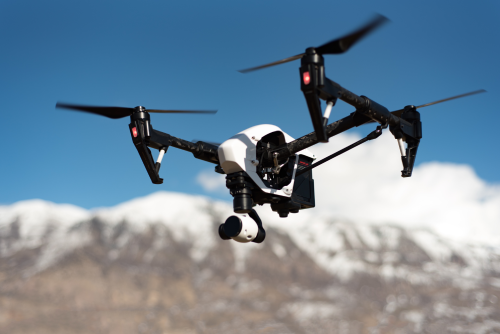
Flying a drone in cold weather is possible, but winter flying is less forgiving than a normal sunny-day flight. In India, “cold weather” can mean a foggy Delhi morning, a windy ridge in Himachal, or a sub-zero shoot in Ladakh, and each one affects batteries, visibility, and safety in different ways. If you prepare properly, warm your batteries, and fly with bigger margins, you can get reliable winter footage without unpleasant surprises.
Quick Take
- Cold weather mainly affects drone batteries first, and everything else second.
- A battery that looks fine on the ground can lose power faster in the air, especially during take-off, climbing, or fighting wind.
- Keep batteries warm before flight, but never overheat them with a direct heater, hot air gun, or open flame.
- In India, winter fog, dew, and hill winds are often a bigger problem than temperature alone.
- Take off gently, hover low for a short check, and avoid aggressive flying in the first minute or two.
- Fly shorter missions than usual and land earlier than you would in summer.
- Avoid snow, drizzle, dense fog, and any moisture your drone is not clearly rated to handle.
- Let the drone and battery return to room temperature before charging after a cold flight.
- Verify current DGCA rules, Digital Sky or other permission requirements if applicable, and any local no-fly restrictions before you fly.
Why cold weather changes the way a drone flies
Most consumer drones use lithium batteries, usually lithium-polymer or lithium-ion. These batteries do not like cold weather.
When the battery gets cold:
- Available flight time drops
- Power delivery becomes weaker
- Voltage can sag under load
Voltage sag means the battery’s output drops sharply when the drone suddenly asks for more power, such as during take-off, a rapid climb, or a full-speed return against wind. That is why some pilots see a sudden battery warning even when the percentage looked healthy a moment earlier.
Cold also affects other parts of the flying setup:
- Your phone or tablet battery drains faster
- Touchscreen response can get worse
- Gimbal movement may feel stiffer at startup
- Plastic props and cables become less flexible
- Condensation can form when cold equipment is brought into a warm room or car
In India, cold weather flying is rarely about extreme Arctic conditions. More often, the real issues are:
- Fog reducing visibility
- Dew or mist adding moisture
- Wind getting stronger as you climb
- High altitude in mountain regions reducing your performance margin
That is why flying a drone in cold weather is not just about temperature. It is about battery health, visibility, moisture, and planning.
What counts as “cold” for drone flying in India?
There is no one temperature that applies to every drone. Always follow your manufacturer’s operating temperature range first. Still, this general guide is useful for planning.
| Outdoor condition | What it usually means for drone flying | Practical approach |
|---|---|---|
| 10°C to 15°C | Usually manageable for most consumer drones, but batteries still perform a bit worse | Fly normally but keep a little extra reserve |
| 0°C to 10°C | Noticeable drop in flight time and stronger chance of battery warnings under load | Warm batteries, shorten flight, avoid aggressive inputs |
| Below 0°C | High-risk zone for casual users, especially with wind, fog, or altitude | Fly only if the aircraft is rated, conditions are dry and clear, and you have solid experience |
A few India-specific examples:
- In Delhi, NCR, Punjab, Haryana, and Uttar Pradesh winters, the bigger risk is often dense fog and moisture, not just temperature.
- In Himachal Pradesh, Uttarakhand, Kashmir, and parts of the Northeast, battery performance and gusty valley winds become much more important.
- In Ladakh and other high-altitude regions, cold and altitude together reduce your safety margin. Add legal sensitivity near border or defence areas, and you should plan very conservatively.
Before you leave home: the cold-weather prep checklist
The best cold-weather flights are usually won before you even reach the location.
1. Check the drone’s operating limits
Read the manual or app guidance for:
- Recommended operating temperature
- Battery handling instructions
- Any warm-up messages or startup limitations
- Wind resistance rating, if provided
If your drone is not clearly rated for wet weather, do not assume it can handle fog droplets, snow, or mist just because it is expensive.
2. Start with healthy batteries only
Cold weather exposes weak batteries quickly. Do not use a battery that:
- Is swollen
- Has physical damage
- Has been stored poorly
- Shows abnormal cell imbalance, if your app reports that
- Has already been giving inconsistent flight times
If you have multiple batteries, mark them and track which ones perform poorly in winter.
3. Charge fully and keep batteries warm during transport
A fully charged, healthy battery is the safest starting point for winter flying.
Good practice:
- Charge at room temperature
- Carry batteries in an insulated pouch or case
- Keep spare batteries inside the car cabin, not the cold boot
- If you are walking to the location, keep batteries close to your body in a safe protective case
Do not:
- Leave batteries on a cold scooter seat, rooftop, or metal surface
- Blast them with a car heater
- Use a hair dryer or any direct heat source
- Put loose batteries in a pocket with coins or keys
The goal is simple: avoid letting them become cold-soaked before take-off.
4. Check weather beyond just temperature
Winter drone flights should be planned around four things:
- Temperature
- Wind and gusts
- Visibility
- Moisture
A clear, cold morning with light wind is safer than a slightly warmer but foggy or gusty one.
Pay special attention to:
- Wind at altitude, not just on the ground
- Early morning fog
- Mist near lakes, rivers, fields, or valleys
- Drizzle or light snow, which many pilots wrongly treat as harmless
5. Plan a shorter mission than usual
In cold weather, do not design a flight based on the maximum time printed on the box or the best flight time you once got in summer.
Instead:
- Choose the essential shots first
- Cut long-range ideas
- Keep return distance shorter
- Plan to land with more battery than usual
If you are doing a client shoot, tell the client in advance that winter conditions may reduce each battery’s usable flight time.
6. Prepare the controller, phone, and accessories
Your drone is not the only battery-powered device in the workflow.
Pack:
- A fully charged controller
- A fully charged phone or tablet
- A short reliable cable
- A power bank
- A clean microfiber cloth
- A landing pad if the ground is wet, dusty, or snowy
- Spare props
A phone that dies in cold weather can become a serious problem if you rely heavily on the screen for framing or map awareness.
At the site before take-off
This is where many winter mistakes happen.
1. Keep the battery warm until the last moment
Do not insert the battery too early while you chat, scout, or set up the shot. Put it into the drone close to take-off time.
If your drone or app shows battery temperature or a warm-up message, pay attention to it.
2. Inspect for moisture, frost, and damage
Before you power on, check:
- Propellers for chips or cracks
- Motor area for dirt or moisture
- Camera lens for fogging
- Gimbal guard removed
- Battery seated correctly
- Arms fully locked, if foldable
If the drone was taken from an air-conditioned car or room into humid cold air, give it a moment to acclimatise. A fogged lens or damp body is a warning sign.
3. Wait for proper startup, GPS lock, and home point update
Do not rush the launch.
Make sure:
- The app shows no critical warnings
- GPS lock is stable
- Home point is updated
- Return-to-home altitude is set sensibly
- Compass and sensors are normal
Avoid random recalibration unless the app specifically asks for it or you have a known issue. Unnecessary compass calibration in the wrong place can create new problems.
4. Do a low hover test
Lift off gently and hover at a low safe height for around 30 to 60 seconds.
During this short test, watch for:
- Stable hover
- Normal motor sound
- Smooth gimbal response
- Unexpected battery drop
- Wind drift
- App warnings
This is also when the battery starts warming internally under light load.
How to fly a drone in cold weather: the safest method
Once you are in the air, your goal is not to prove the drone can survive winter. Your goal is to complete the mission with margin.
1. Fly gently for the first minute or two
Avoid:
- Full-throttle climbs
- Sudden sport mode bursts
- Hard braking
- Long fast ascents to high altitude right after take-off
Let the battery warm under moderate use. Think of the first minute as a controlled warm-up.
2. Stay closer than usual
Cold weather is not the time for maximum distance experiments.
Keep the drone:
- Closer to home point
- Lower than necessary, not higher than necessary
- In visual line of sight
Visual line of sight means you can see the drone directly with your own eyes, not only on the screen. In winter haze and fog, the camera feed can look usable even when the real-world visibility is poor.
3. Fly the outward leg into the wind
If the wind is noticeable, fly out against the wind and return with it. That way, if battery performance drops faster than expected, the trip home is easier.
This matters a lot on:
- Open fields
- Coastal stretches
- Hilltops
- Valleys where wind direction changes with terrain
A winter headwind on the return leg can turn a comfortable battery level into a stressful finish.
4. Do not trust battery percentage alone
Battery percentage is helpful, but in cold weather you should also watch the way the drone behaves.
Warning signs:
- Battery percentage dropping unusually fast
- Low-voltage warnings
- Reduced top speed
- Sluggish climb performance
- Strong wind warnings during return
If your app shows voltage or battery temperature, use that extra information. If anything looks off, come back immediately.
5. Land earlier than you think you need to
This is the single most useful winter habit.
A practical beginner rule is to return much earlier than you would in warm weather and aim to be on the ground with a healthy reserve, often around 25% to 30% remaining. If conditions are windy, very cold, or the flight is farther out than planned, land even earlier.
Do not try to squeeze out the last few percent in winter.
6. Avoid long hovers while composing shots
Many creators waste battery by hovering high for too long while thinking about the next move.
In cold conditions:
- Rehearse the shot mentally first
- Set your camera angle quickly
- Fly the move once or twice cleanly
- Land and swap batteries if needed
This is safer than staying airborne while you decide.
Best time of day to fly in winter
The best cold-weather flying time in India depends on the location.
In plains and cities
Late dawn and early morning may look beautiful, but fog and dew are common. For many beginners, mid-morning is safer because:
- Visibility improves
- Moisture reduces
- Batteries start from a slightly warmer environment
In hills and mountains
Morning can still be the best light, but mountain winds often build later in the day. You may need to choose a narrow clear-weather window rather than waiting too long.
If the location is cold but windy, wind is usually the bigger problem.
After landing: cold-weather care matters too
Many drones survive the flight and then get mishandled after it.
1. Check the battery and aircraft immediately
After landing:
- Feel whether the battery has warmed during flight
- Check for moisture on the body, motors, and lens
- Look for snow, slush, mud, or wet grass contamination
- Review any battery or wind warnings in the app
If you saw abnormal battery drop, mark that battery and test it carefully next time.
2. Prevent condensation when moving indoors
Condensation happens when a cold drone is brought into a warm humid room or car. Moisture can form on or inside the drone.
A practical method:
- Turn off the drone and controller.
- Remove the battery if practical and safe.
- Put the cold drone into its bag or case before entering a warm room.
- Let it warm gradually before opening the bag fully.
This reduces the chance of warm moist air condensing directly on cold electronics.
3. Do not charge a cold battery immediately
Let the battery return to room temperature before charging. Charging a battery that is still very cold is bad practice and may be blocked by some smart battery systems anyway.
4. Dry and store properly
Use a dry microfiber cloth for the body and lens. If the flight involved fog, mist, or snow nearby, make sure everything is dry before long-term storage.
Safety, legal, and compliance checks for India
Cold weather does not relax drone rules.
Before flying, verify the latest official requirements that apply to your drone, location, and purpose of use. That may include DGCA guidance, Digital Sky workflow where applicable, local permissions, site-specific restrictions, and any operator obligations.
A few India-specific reminders:
- Many winter destinations are near sensitive areas such as airports, military zones, border regions, dams, or government facilities.
- Tourist spots, ropeways, monuments, wildlife areas, and forest zones may have their own local restrictions even if the weather is perfect.
- Do not fly over crowds at winter events, fairs, weddings, markets, or hill-station viewpoints.
- Respect privacy when people are gathered on terraces, in farms, or at scenic spots.
- If you are flying for work, check your client SOPs and insurance terms. Some policies or internal safety procedures may be stricter in bad weather.
If conditions are legally doubtful or operationally unsafe, the correct decision is to postpone.
Common mistakes pilots make in cold weather
Taking off with a cold-soaked battery
This is the classic winter error. The battery was fully charged, but it sat in the car or on the ground for too long and lost its best performance before take-off.
Flying the same mission you fly in summer
Cold weather is not the time to copy your warm-weather route, altitude, or distance.
Launching aggressively
Hard climbs and sudden acceleration can trigger battery sag early in the flight.
Ignoring fog because the camera feed looks fine
If you cannot reliably maintain visual line of sight, do not keep flying.
Underestimating wind at altitude
Ground conditions can feel calm while the drone is fighting much stronger air higher up.
Charging the battery immediately after a cold flight
Let it return to room temperature first.
Bringing the cold drone straight into a warm room uncovered
That invites condensation.
Treating light snow or mist as harmless
Most consumer drones are not built for that. Moisture and icing risk are serious.
Quick troubleshooting guide
| Problem | Likely cold-weather cause | What to do |
|---|---|---|
| Battery drops fast right after take-off | Battery was too cold or weak | Land, warm the next battery better, avoid aggressive launch |
| Drone struggles to return | Strong headwind plus reduced battery performance | Descend carefully if safe, reduce distance earlier next time, always keep bigger reserve |
| Lens fogs up | Temperature change and moisture | Let gear acclimatise, dry lens, avoid rushing from warm car to cold air |
| Phone screen dims or battery drains fast | Cold affecting your phone | Keep phone warm before use, carry a power bank, reduce background apps |
| Gimbal startup feels stiff or slow | Cold or moisture | Restart after acclimatisation, ensure no condensation, do not force movement |
| Battery will not charge after flight | Battery too cold | Wait until it returns to room temperature |
FAQ
Can drones fly in snow?
Only if the aircraft is clearly suited to those conditions and you understand the risk. For most consumer drones, snow, sleet, and freezing moisture are a bad idea. Even light snow can lead to wet motors, lens issues, or ice buildup.
Is fog more dangerous than cold?
Often, yes. In many Indian winter locations, fog is the bigger operational problem because it destroys visibility and adds moisture. A slightly cold clear morning is usually safer than a warmer foggy one.
Should I warm the battery before take-off?
Yes, but gently. Keep it at a normal indoor or body-warm temperature in a safe case before use. Do not use direct heat, hair dryers, heaters, or very hot surfaces.
Why did my battery percentage fall so quickly in winter?
Because cold reduces available power and increases voltage drop under load. You may also be flying into wind, climbing harder, or using an aging battery that winter conditions expose more clearly.
Is sunrise the best time for winter drone shots?
Not always. Sunrise can bring beautiful light, but also fog, dew, and poor visibility. In many parts of North India, waiting until visibility clears gives a safer and often more useful flight window.
Can I charge the battery immediately after a cold-weather flight?
No. Let it warm back to room temperature first. Charging a very cold battery is poor practice and can shorten battery life.
Do I need to recalibrate the compass every winter flight?
No. Recalibrate only when the app asks, when you are in a genuinely new environment that requires it, or when you have a real reason to suspect a compass issue. Unnecessary calibration can create problems.
Does cold weather affect video quality?
It can. The biggest issues are fog, haze, lens condensation, and low winter light, not just temperature itself. The drone may fly fine, but the footage can still suffer if the lens fogs or visibility is poor.
Final takeaway
If you want to fly a drone in cold weather, do four things well: keep the batteries warm, wait for clear and dry conditions, fly gently and closer than usual, and land early. Winter flying rewards patience, not bravado. On your next cold-weather sortie, plan a shorter mission than normal and treat every low-temperature flight as one where reserve battery matters more than extra footage.
