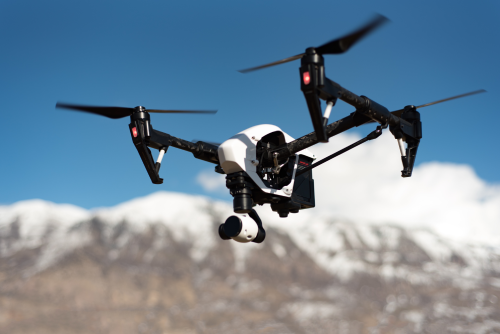
FPV footage feels alive because the camera does not just record a scene, it moves through it. The good news is that you do not always need a full acro FPV setup to get that feeling. If you want to learn how to capture FPV-style cinematic motion with a drone, the real skill is not maximum speed, but controlled movement, smart planning, and clean camera settings.
Quick Take
- FPV-style cinematic motion comes from continuous movement, strong foreground, smooth direction changes, and a clear flight path.
- You can create a convincing FPV look with many regular camera drones, not only custom FPV quads.
- The best beginner formula is simple: scout the route, fly one clean line, keep the drone moving, and use gentle gimbal tilts.
- In bright Indian daylight, ND filters often help you keep natural motion blur instead of choppy, sharp-looking footage.
- For indoor lights and many urban night scenes in India, 25 fps or 50 fps can help reduce flicker under 50 Hz lighting.
- Low and fast looks dramatic, but it is also where mistakes happen. Keep safe distance from people, vehicles, wires, trees, and private property.
- Before flying in India, verify the latest DGCA and Digital Sky guidance, the airspace status of your location, and any local restrictions.
What “FPV-style cinematic motion” actually means
A lot of creators think FPV style means aggressive flips, dives, and racing speed. That is only one version of FPV.
For cinematic work, FPV-style motion usually means:
- The camera is always traveling, not hovering.
- The viewer feels pulled through the scene.
- Objects pass close to the frame to create speed and depth.
- The path feels intentional, like a moving shot in a film.
- The shot often connects multiple layers: foreground, subject, and background.
In short, FPV style is less about stunts and more about immersion.
A smooth pass through a line of trees, a rising reveal over a rock formation, or a side-follow shot of a bike on an empty road can all feel FPV-like without dangerous acrobatics.
Do you need a real FPV drone?
Not always.
A true FPV drone gives you the most freedom. It can bank harder, fly tighter paths, and create more dramatic lines. But it also demands more skill, more practice, and more care. For many beginners and small creators in India, a regular camera drone is the safer and more practical way to start.
Camera drone vs true FPV for cinematic motion
| Type | Best for | Advantages | Limits |
|---|---|---|---|
| Regular camera drone | Beginners, travel creators, real estate, social media, wedding b-roll in safe open spaces | Easier to fly, stabilized camera, simpler setup, lower learning curve | Less aggressive movement, weaker roll angles, less “locked-in” FPV feel |
| True FPV drone | Advanced creators, action sequences, dynamic terrain runs, high-energy filmmaking | Maximum agility, dramatic line choices, strong sense of speed | Higher risk, steeper learning curve, shorter flight times, often more complex post workflow |
If you are new, start with a camera drone and focus on movement design. Once you can consistently fly clean, repeatable lines, then decide whether true FPV makes sense for your work.
The gear and settings that matter most
You do not need a huge kit. You do need the right basics.
Useful gear
- Drone with reliable manual camera control
- ND filters for bright daylight
- Extra batteries
- Fast memory card
- Screen shade or a bright display for outdoor viewing
- Clean propellers and updated firmware only if you have tested it before the shoot
- A spotter or assistant for more complex shots, where appropriate and compliant
Important drone settings
Before takeoff, check these:
- Set a consistent frame rate
- Lock white balance if possible
- Use manual exposure where practical
- Reduce aggressive stick response if your drone allows it
- Slow down gimbal pitch speed for smoother tilts
- Keep obstacle sensors in mind, but do not depend on them to save bad route planning
Best camera settings for FPV-style footage
Cinematic motion is not just about flying. It is also about how motion looks on screen.
Recommended starting settings
| Setting | Good starting point | Why it helps |
|---|---|---|
| Frame rate | 25 fps for general cinematic work in India; 50 fps if you may slow footage down | 25 fps gives a natural film-like cadence; 50 fps adds flexibility and can reduce flicker under some lighting |
| Shutter speed | Roughly double the frame rate, such as 1/50 for 25 fps or 1/100 for 50 fps | Preserves natural motion blur instead of sharp, jittery movement |
| ISO | Keep as low as possible | Reduces noise and preserves detail |
| White balance | Lock it manually | Prevents colour shifts mid-shot |
| Colour profile | Normal for easy workflow, flat/log only if you know how to grade | Avoids disappointing footage caused by poor grading |
| Gimbal pitch speed | Lower than default | Makes tilt moves smoother and more cinematic |
| Flight mode | Cine or Normal for most shots; Sport only when the line is open and safe | Easier to keep movement controlled |
Why ND filters matter so much
In Indian daylight, especially from late morning to afternoon, your shutter speed can become too fast if you want correct exposure. That gives you crisp frames but ugly motion. Fast-moving trees, roads, and buildings start to look stuttery.
An ND filter acts like sunglasses for your camera. It lets you keep a slower shutter speed and more natural-looking blur.
If your FPV-style shots feel “video-ish” instead of cinematic, the missing ingredient is often motion blur.
25 fps or 30 fps?
If your main audience is on YouTube or Instagram, both can work.
But for many Indian creators:
- Use 25 fps for cinematic delivery and better compatibility with 50 Hz lighting conditions.
- Use 50 fps when you want the option to slow footage down smoothly.
- Use 30 fps only if your whole project is built around that frame rate.
The key is consistency. Mixing frame rates without a reason can make the edit feel messy.
Plan the shot like a route, not a random flight
The biggest difference between average drone footage and FPV-style motion is planning.
Beginners often launch first and think later. The result is slow drifting, hesitation, and awkward stops. FPV-style footage needs a route.
Before takeoff, decide these five things
-
Where the shot starts – Behind a tree? – Low over a path? – Hidden by a wall or rock?
-
What the camera reveals – A person – A building – A landscape – A moving subject
-
How the drone moves through the scene – Forward skim – Side track – Rising arc – Pull-back reveal
-
What gives depth – Foreground leaves – Pillars – Fences – Road edges – Terrain changes
-
How the shot ends – Rise up – Exit sideways – Pass the subject – Settle into a wide frame
A simple route-planning formula
Use this easy structure:
- Hide
- Reveal
- Travel
- Exit
Example: Start behind a tree, reveal a parked bike, travel sideways while keeping the bike framed, then rise into a wider landscape.
That feels much more cinematic than simply flying straight at the subject and stopping.
Six easy FPV-style shots beginners can safely practise
These are designed mainly for regular camera drones in open, low-risk spaces.
1. The low forward skim
Fly low over a path, field edge, shoreline, or empty open road margin while keeping safe clearance.
Why it works
Objects passing below and beside the drone create speed.
How to do it
- Start low, but not so low that you risk ground effect or clipping grass.
- Keep the drone moving before the shot starts recording if possible.
- Aim for a constant forward speed.
- Tilt the gimbal slightly down so the foreground moves through frame.
Best use
- Travel reels
- Landscape intros
- Property approach shots in open land
2. The rising reveal
Start with the subject hidden behind a wall, bush, rock, or hill edge, then rise and reveal it.
Why it works
It creates anticipation and a strong first beat.
How to do it
- Begin with the obstacle filling most of the frame.
- Push forward slowly while climbing.
- Add a gentle upward gimbal tilt as the scene opens.
- Do not rush the reveal.
Best use
- Resorts
- Farms
- Hill viewpoints
- Monuments where drone flying is permitted and safe
3. The side-track with foreground
Move laterally while a foreground object slides past close to frame.
Why it works
Parallax makes the shot feel 3D. Parallax means nearby objects move faster across the frame than distant ones.
How to do it
- Keep the subject mid-frame.
- Let trees, poles, walls, or terrain edges move through foreground.
- Use slow, even side movement.
- Add slight forward movement if the route is clear.
Best use
- Following a walker on a trail
- Showing architecture in layers
- Waterbody edges and cliffs
4. The orbit with drift
Circle around the subject while also drifting outward or inward.
Why it works
A pure orbit can feel mechanical. Adding drift makes it feel more dynamic and FPV-like.
How to do it
- Start with a basic orbit.
- Gradually widen or tighten the circle.
- Keep the subject anchored in roughly the same screen position.
- Avoid sudden yaw corrections.
Best use
- Single trees
- Statues
- Vehicles parked in safe open locations
- Isolated buildings
5. The backward pull-away
Start closer to the subject, then fly backward and rise to reveal the wider environment.
Why it works
It combines intimacy with scale.
How to do it
- Frame the subject tightly at first.
- Pull back smoothly while gaining altitude.
- Keep the horizon steady.
- Let the environment become part of the story.
Best use
- Cafes, villas, homestays, farms
- Portrait-style drone openings
- Scenic locations
6. The curve-through shot
Instead of flying in a straight line, fly a gentle S-curve through an open route.
Why it works
Curves feel more natural and immersive than straight push-ins.
How to do it
- Pick a route with clear left-right flow.
- Combine small yaw and roll-like movement through coordinated stick input.
- Keep the curve gradual, not jerky.
- Finish on a strong frame or reveal.
Best use
- Valleys
- Tree lines
- Beach edges
- Wide campus roads without people or traffic
How to fly smoother: stick control basics
Many “bad” cinematic shots are actually control problems.
Focus on these habits
- Make smaller stick movements than you think you need.
- Start and stop slowly.
- Do not keep correcting every second.
- Let the drone complete a movement before making another major input.
- Practise one move at a time, not a complex combination from day one.
The best beginner combination
For a convincing FPV-style look on a regular drone, combine:
- forward movement
- slight yaw
- gentle altitude change
- small gimbal tilt
That four-part movement is often enough.
Use slower response settings if available
If your drone lets you adjust control sensitivity, EXP, braking, or gimbal smoothness, use softer settings for video work. This reduces twitchiness and makes the footage feel more expensive.
Composition tricks that make motion feel faster
You do not always need to fly faster. You need to compose smarter.
Use close foreground
If a tree branch, rock edge, fence line, or building side passes near frame, the viewer feels speed immediately.
Keep a layered image
Try to include:
- foreground
- subject or midground
- background
Flat wide shots with nothing near the lens rarely feel FPV.
Do not center everything
Sometimes the subject should stay slightly off-center if it helps the direction of movement. Give the motion some breathing room.
Show where the drone is going
If the frame hints at the path ahead, the shot feels more immersive. A road bend, corridor, trail, river line, or ridge helps a lot.
Editing techniques that sell the FPV feeling
Good editing can strengthen the illusion, but it cannot rescue weak flying.
Keep the best long takes
FPV-style footage often works better when the viewer has time to feel the motion. Do not cut too early.
Use speed ramps carefully
A small speed increase at the middle of a move can add energy. But too much ramping looks fake and can reveal shaky footage.
Stabilize only when needed
Regular drones already stabilize heavily. Too much extra stabilization in post can create warping or remove natural motion.
Add sound design
Even subtle ambience helps. Wind through trees, road texture, water, birds, or city atmosphere can make movement feel more real.
Match cuts by direction
If one shot exits left to right, let the next shot continue that direction. It creates flow.
Fix horizon and exposure consistency
Nothing breaks immersion faster than a tilted horizon or a sudden exposure jump.
India-specific practical advice
Shooting conditions in India can change quickly, and some everyday realities affect drone work more than many tutorials admit.
Watch for these local challenges
- Dense overhead wiring in towns and villages
- Unexpected crowds gathering around a drone
- Kites, birds, and rooftop obstacles
- Dust in dry conditions
- Heat-related battery performance issues
- Fast-changing weather before or during monsoon
- Strong sea breeze in coastal areas
- Haze that reduces contrast in midday landscapes
Smarter choices for Indian locations
- Prefer early morning for softer light, calmer wind, and fewer people.
- In open rural areas, still scan carefully for wires, poles, and trees.
- In urban areas, be extra conservative. The visual temptation of narrow lanes and rooftops is high, but so is the risk.
- If filming property, resorts, or campuses, get clear permission from the owner or manager before the day of the shoot.
- Avoid wildlife disturbance, especially around wetlands, forests, and bird-heavy areas.
Safety, legal, and compliance checks in India
FPV-style filming encourages low, fast, and close movement. That is exactly why safety and compliance matter more here than in ordinary scenic flying.
Before any shoot, verify these points
- The latest DGCA and Digital Sky guidance for your drone category and operation
- Whether the area is allowed for drone flying
- Any local restrictions around airports, defence areas, government sites, public gatherings, or sensitive locations
- Property owner permission if you are taking off or filming from private land
- Event-specific restrictions if shooting near venues, weddings, or commercial spaces
Safe operating habits
- Do not fly over people, traffic, or crowds.
- Keep extra clearance when flying low.
- Rehearse the line higher and slower before attempting a lower pass.
- Have a clear abort route if anything enters the scene.
- Be careful around water, birds, power lines, and reflective glass surfaces.
- Respect privacy. Just because a drone can see into a space does not mean you should film it.
If you are unsure whether a shot is legal or safe, skip it. A slightly less dramatic shot is better than a risky one.
Common mistakes that ruin FPV-style drone footage
1. Flying without a route
Random wandering never looks cinematic. Decide the line first.
2. Sharp, jittery camera motion
Too much stick input makes footage look nervous. Use small inputs.
3. No foreground
Without objects moving close to frame, the shot can feel flat and slow.
4. Overusing speed
Speed without composition just looks reckless.
5. Shooting in harsh midday light without ND filters
The result is often choppy motion and hard shadows.
6. Auto white balance shifts mid-shot
This makes colour change while flying, which looks amateur.
7. Starting and ending awkwardly
A good FPV-style shot needs a clean entry and exit, not random hovering.
8. Trying tight gaps too early
Online videos make complex lines look easy. They are not. Build skill in wide-open spaces first.
A simple practice routine for one weekend
If you want fast improvement, do not chase ten different styles. Practise three shots in one open location.
Session plan
- Fly one low forward skim five times.
- Fly one rising reveal five times.
- Fly one side-track with foreground five times.
- Review footage after every battery.
- Note what went wrong: – horizon tilt – jerk at start – jerky yaw – exposure shift – bad framing
- Repeat only the problem part.
This is how creators improve quickly. Not by flying more, but by reviewing more honestly.
FAQ
Can I get FPV-style footage from a normal camera drone?
Yes. You will not get full acro movement, but you can create a strong FPV-like feel through route planning, foreground, speed control, and smooth gimbal work.
Do I need to fly very low to make footage look cinematic?
No. Low flight can help, but composition matters more. Even medium-height shots can feel immersive if they have foreground, depth, and a clear motion path.
Which frame rate is best for Indian creators?
A strong starting point is 25 fps for standard cinematic delivery and 50 fps if you want slow motion flexibility. Under many artificial lights in India, these rates can also help avoid flicker.
Should I always use Sport mode?
No. Sport mode is useful only when you have a clear, safe line and need more speed. For most cinematic moves, Cine or Normal mode gives smoother control.
Are ND filters really necessary?
In bright daylight, often yes. They help you keep a slower shutter speed and more natural motion blur, which is important for cinematic movement.
Is obstacle avoidance enough to protect me during low passes?
No. Sensors can help, but they are not a substitute for route planning, visual awareness, and safe clearance.
Can I shoot FPV-style footage in cities?
Only if it is legal, permitted, and safe. Urban environments add people, wires, rooftops, privacy issues, and airspace concerns. Always verify the latest official rules and local restrictions first.
How do I make my footage look faster without flying dangerously?
Use closer foreground, lower camera angle, stronger parallax, cleaner direction changes, and tighter editing. These techniques often feel faster without actually increasing risk.
Should I shoot in a flat or log colour profile?
Only if you know how to grade it well. If not, a standard colour profile with good exposure usually delivers better results.
What is the easiest FPV-style shot for a beginner?
A low forward skim in an open area is usually the best starting point. It teaches speed control, framing, and smooth movement without requiring complex stick inputs.
Final takeaway
If you want FPV-style cinematic motion, do not start by flying harder. Start by flying smarter. Pick one open location, use 25 fps with the right shutter and ND filter, plan a simple hide-reveal-travel-exit route, and practise three clean moves until they look intentional. That is the fastest path from ordinary drone footage to shots that actually feel cinematic.
