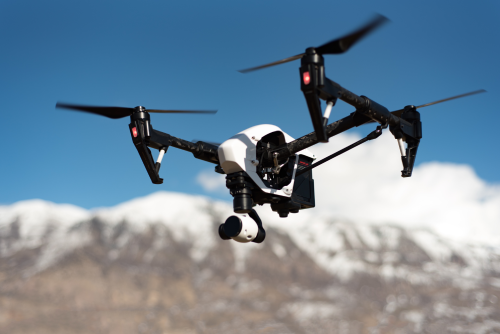
If you are wondering how drones are used in wedding pre-wedding shoots, the short answer is this: they add scale, movement, and location context that ground cameras cannot. In Indian weddings, drones are most useful for venue reveals, couple movement shots, baraat coverage, outdoor rituals, and destination wedding storytelling. But they only work well when safety, permissions, weather, and crowd control are planned properly.
Quick Take
- Drones are best used as a storytelling tool, not as a camera that stays in the air all day.
- In pre-wedding shoots, they are ideal for scenic reveals, couple walks, wide romantic frames, and short cinematic reels.
- On the wedding day, they work best for outdoor venues, baraat coverage, décor reveals, family group patterns, and destination wedding atmosphere.
- Drones do not replace photographers or videographers on the ground. They complement them.
- Indoor drone work is limited and risky unless handled by a very experienced team with venue approval.
- In India, always verify the latest DGCA, Digital Sky, airspace, venue, and local permission requirements before any shoot.
- Safety matters more than spectacle. Avoid low flying near crowds, fireworks, wires, animals, and sensitive rituals.
Why drones fit wedding storytelling so well
A wedding film is not only about faces and close-ups. It is also about place, scale, energy, and timing.
Ground cameras are excellent for expressions, rituals, jewelry details, décor close-ups, and emotional moments. A drone adds the missing layer: where the event is happening and how everything looks as one complete scene.
That is why drone footage is especially powerful in Indian weddings, where venues can be visually rich and the celebrations can spread across multiple functions like:
- Haldi
- Mehendi
- Sangeet
- Baraat
- Varmala
- Pheras
- Reception
- Vidai
For pre-wedding shoots, drones help couples look small against a beautiful landscape, which often creates a more cinematic and premium feel.
For wedding-day coverage, drones help capture movement and atmosphere: a groom’s procession entering a palace lawn, a mandap set against mountains, or a beachside ceremony at sunset.
How drones are used in pre-wedding shoots
Pre-wedding shoots are usually where drones shine the most. There is more time, less crowd pressure, and more control over location and movement.
Location reveal shots
A drone can begin with a high wide shot of the place and then slowly move to reveal the couple.
This works especially well in open settings such as:
- Beaches
- Desert landscapes
- Tea estates
- Hill viewpoints
- Resort lawns
- Lakesides
- Farmhouses
- Heritage-style outdoor venues
A reveal shot gives the video a cinematic opening and helps establish the mood immediately.
Example: a slow rising shot that starts behind a wall, tree line, or slope and reveals the couple standing in the middle of a large scenic backdrop.
Couple walk-and-follow shots
One of the most common drone uses in pre-wedding shoots is a tracking shot, where the drone follows the couple as they walk, run, dance, or move through a path.
This can look natural and elegant if:
- The path is open and obstacle-free
- The couple’s movement is simple
- The drone is kept at a safe distance
- The pace is steady, not rushed
Good examples include:
- Walking through a vineyard or garden path
- Running on a beach
- Entering a fort courtyard with wide space
- Riding in a convertible on a private property road, where permitted
- Walking hand-in-hand along a lakeside
Orbit shots around the couple
An orbit shot is when the drone circles around the couple while keeping them in the center of the frame.
This is popular because it creates motion even when the couple is standing still.
It works best when:
- The couple is placed on a clean, open patch
- Background clutter is low
- Wind is manageable
- The drone operator can fly a smooth, consistent circle
It does not work well in tight urban spaces, near trees, wires, or crowded public spots.
Top-down compositions
A top-down shot means filming from directly above.
This can create striking frames when the ground itself is visually interesting, such as:
- A patterned courtyard
- A flower setup
- A symmetrical staircase landing
- A white beach with clean sand lines
- A colorful pre-wedding prop arrangement
Top-down shots are often short, but very effective in teasers and reels.
Scenic transitions between outfits or locations
Many pre-wedding videos have more than one look or location. Drones are often used to bridge those changes.
For example:
- A drone pulls away from the couple at one location.
- The edit cuts to another wide drone shot in a new outfit or scene.
- The viewer feels a smooth transition rather than a hard jump.
This is a practical use of drones that many couples notice only after editing. It makes the final film feel larger and more polished.
Save-the-date reels and short social clips
A lot of pre-wedding content today is made for short-form viewing.
Drone footage is commonly used for:
- A 10 to 30 second teaser
- A save-the-date announcement
- A destination montage
- A dramatic final shot with date text added in post-production
Because drone shots naturally feel grand, even a small amount of footage can make a short reel look premium.
How drones are used on the wedding day
Wedding-day drone work is different from pre-wedding work. There is less control, more people, more movement, and more risk.
That is why the best teams do not fly continuously. They choose a few high-value moments.
Where drones add the most value during wedding events
| Wedding phase | Best drone use | Why it works | Better avoided |
|---|---|---|---|
| Venue before guests arrive | Wide establishing shots, décor reveal, entrance approach | Clean frames with less crowd chaos | Flying too low near setup crew, cables, and trusses |
| Baraat | Elevated follow shots, wide crowd energy, arrival coverage | Shows movement and celebration scale | Flying low among dancers, band, horses, or vehicles |
| Varmala outdoors | One or two wide context shots | Captures stage, guests, and setting together | Hovering close over the couple or dense crowd |
| Haldi or mehendi outdoors | Wide festive atmosphere, poolside or lawn reveal | Great for colors and layout | Flying near water splashes, powder, canopies, and décor strings |
| Pheras in open venue | High safe-angle context shots | Shows mandap location and ambience | Constant flying during sacred moments |
| Reception | Venue-wide openers, crowd scale, exterior night establishing if conditions allow | Useful for destination or luxury venues | Aggressive low-light flying close to stage lights or fireworks |
| Vidai | Pull-back or wide farewell scene | Emotional and cinematic | Chasing vehicles on public roads |
Venue and décor reveal
This is one of the simplest and safest uses of a drone if done before the crowd builds up.
A drone can capture:
- The full property from above
- Entry gate to main venue movement
- Mandap placement
- Lawn layout
- Lighting design
- Poolside or waterfront setup
- Stage and dining zones in one frame
For destination weddings in places like Udaipur, Jaipur, Goa, Kerala, Coorg, Mussoorie, or similar scenic venues, this footage often becomes the opening sequence of the wedding film.
Baraat and procession coverage
The baraat is one of the most drone-friendly wedding moments because it has movement, color, rhythm, and crowd energy.
A drone can show:
- The procession moving through a road or driveway
- The scale of the dancing group
- The groom’s arrival at the venue
- The band, dhol, lights, and overall flow
But this is also one of the most safety-sensitive moments.
Low flying during a baraat is risky because of:
- Dense crowds
- Unpredictable hand movements
- Raised objects and lights
- Horses or other animals
- Moving vehicles
- Wires on urban roads
- Fireworks or smoke
A good operator usually stays wider and higher, capturing the scene safely instead of trying overly dramatic low passes.
Bride and groom entry shots
Drone entry shots can work well in outdoor spaces, especially when:
- The couple is entering along a long path
- The stage is outdoors
- The shot is planned in advance
- The venue has enough clear overhead space
These shots are usually strongest when they are simple: one rising shot, one pull-back, or one wide follow.
Too much drone movement around an entry often becomes distracting.
Ritual context shots
On the wedding day, drones should support the ritual, not interrupt it.
Aerial shots can help show:
- The mandap in relation to the venue
- A sunset ceremony in an open lawn
- Family gathered around a central space
- The scale of a destination setup
What drones should not do is dominate the moment with constant noise or fly low over guests during sacred rituals.
In many wedding films, just two or three well-timed aerial clips are enough for the ceremony section.
Group arrangements and family patterns
At some weddings, especially smaller or more stylized ones, drones are used for creative group shots.
Examples:
- Family members standing in a circle around the couple
- Friends forming a shape or pattern
- A symmetrical layout around the mandap or lawn
- Post-ceremony celebration frames
These are usually quick to shoot, but they require coordination and a safe open area.
Multi-day destination wedding coverage
Drones are especially useful when the wedding is spread over multiple days and spaces.
They can show:
- Day 1 location atmosphere
- Guest arrival and venue surroundings
- Different functions at different outdoor setups
- Morning-to-evening transitions
- Landscape and architecture around the property
This gives the final film a sense of travel and occasion, not just a sequence of close-up event footage.
The most common drone shot types in weddings
You do not need 20 kinds of aerial shots. A few basic ones cover most wedding needs.
Reveal shot
The drone begins behind an object or low angle and rises to reveal the couple or venue.
Best for: – Pre-wedding openings – Mandap reveals – Scenic destination shots
Pull-back shot
The drone starts closer and moves backward to show more of the scene.
Best for: – Couple portraits – Vidai mood shots – Venue scale
Tracking shot
The drone follows a moving subject.
Best for: – Couple walks – Baraat processions – Entry paths
Orbit shot
The drone circles the subject.
Best for: – Stationary couple poses – Small group celebratory moments
Top-down shot
The drone films straight down.
Best for: – Patterned locations – Group formations – Decorative layouts
Static wide shot
The drone holds mostly still and lets the scene move inside the frame.
Best for: – Crowd atmosphere – Ritual overview – Venue ambience
FPV shot
FPV means first-person view, usually flown with a much more dynamic and immersive style.
FPV can create dramatic fly-throughs and fast movement, but it is not automatically better for weddings. It requires a specialist pilot, a highly controlled environment, and careful risk management. For most standard weddings, a regular camera drone is more practical and safer.
A practical workflow for wedding drone coverage
The difference between good drone footage and chaotic drone footage is planning.
1. Check legal and venue feasibility first
Before the shoot, confirm:
- Whether the area is legally flyable
- Whether the venue allows drones
- Whether any local approval is needed
- Whether the operator’s documentation is in order as required under current rules
Do not assume that because a venue hosts weddings, drones are automatically allowed.
2. Recce the location
A site recce means visiting or assessing the location before the shoot.
The team should identify:
- Trees
- Electric wires
- Light poles
- Tent trusses
- Water bodies
- Narrow pathways
- Takeoff and landing areas
- Guest movement zones
This step is critical in Indian venues, where decorative structures and temporary installations can change quickly.
3. Build a short shot list
A wedding drone operator should not “just capture whatever happens.”
A better plan is a short list such as:
- Venue exterior wide shot
- Mandap reveal before guests arrive
- Baraat wide follow
- Couple entry pull-back
- Sunset ceremony wide
- Reception exterior night opener if conditions allow
That is enough for many weddings.
4. Coordinate with the main photo-video team
Drone work is best when the aerial operator and ground crew are aligned.
They should decide:
- Which moments need aerial coverage
- Who gets priority position
- When the drone should stay out of frame
- How drone clips will fit the final edit
Without coordination, the drone can ruin clean ground shots, and the ground team can accidentally block the drone’s key angle.
5. Fly only in the best windows
For most wedding shoots, the best windows are:
- Early morning
- Late afternoon
- Sunset
- Pre-crowd setup time
Midday light can be harsh, and late-night operation may be limited by visibility, venue rules, and safety concerns.
6. Keep flights short and purposeful
Short flights are better because they:
- Reduce battery pressure
- Reduce crowd annoyance
- Lower risk
- Improve decision-making
- Keep the footage more intentional
7. Capture backup frames
Weather changes, guests move unpredictably, and timing slips.
A professional team will usually capture:
- One safe version
- One slightly more creative version
- A backup wide shot
8. Edit drone clips as support, not overload
Drone clips are strongest when used as:
- Openers
- Transitions
- Atmosphere builders
- Location context
- Emotional pull-backs
A wedding film made mostly of drone shots often feels repetitive. Also, drone audio is rarely usable because of propeller noise, so natural sound and music usually come from other sources.
Choosing the right drone approach
You do not need the biggest drone for a wedding.
Standard camera drone
This is the most common and practical choice for wedding work.
Best for: – Venue reveals – Couple shoots – Outdoor ceremony context – Baraat wide shots
Small lightweight drone
A smaller drone is easier to transport and can be less intimidating at a venue. It may also suit tighter spaces better.
But do not assume that smaller weight removes all legal or safety obligations. Always verify the current rules for the drone, the operation, and the location.
FPV drone
Best for: – Highly stylized wedding films – Resort fly-throughs – Controlled outdoor scenes – Specialist cinematic shots
Not ideal for: – Beginners – Dense crowds – Uncontrolled wedding chaos – Venues with many obstacles
For many couples, standard aerial coverage delivers most of the value without the added complexity of FPV.
Safety, legal, and compliance checks in India
This part matters more than the shot list.
Rules can change, venue conditions can differ, and local enforcement can vary. Before any wedding or pre-wedding drone shoot in India, verify the latest official requirements instead of relying on old social media advice.
What to check before flying
- Current DGCA and Digital Sky guidance for the type of drone and operation
- Airspace status of the location
- Whether the drone and operation need specific compliance steps such as current permissions or NPNT-related requirements where applicable
- Venue management approval in writing
- Any local administration, event, or site-specific restrictions
- Whether the location is near an airport, military area, sensitive installation, coastline with restrictions, wildlife zone, or heritage-controlled area
- Whether the shoot is commercial in nature and requires additional documentation or operator qualifications under current rules
- Insurance requirements, if any, under the venue contract or current regulations
Practical safety rules that should never be ignored
- Avoid flying directly over dense crowds.
- Keep a clear takeoff and landing zone.
- Stay away from wires, tent rigs, fireworks, and stage lighting structures.
- Do not fly close to horses, pets, or other animals in processions.
- Pause operations if wind, rain, or visibility becomes unsafe.
- Respect privacy around guest rooms, changing areas, neighboring homes, and non-consenting people.
- Do not pressure the pilot to get a “crazy shot” in unsafe conditions.
If the legal status or safety setup is unclear, the right decision is to skip the flight.
Common mistakes in wedding and pre-wedding drone shoots
Treating the drone like the main camera
A drone adds value in selected moments. It does not need to cover every minute.
Flying without a site recce
Wires, poles, trees, and temporary décor installations cause many avoidable problems.
Overusing the same shot
Too many orbits and pull-backs make the final film feel repetitive.
Ignoring the time of day
A beautiful location can still look flat in harsh noon light. Golden hour often gives better results.
Flying too close to people for drama
Close passes may look exciting in a short reel, but they increase risk and often make guests uncomfortable.
Poor coordination with the ground team
If the drone operator and videographer are not working together, both can ruin each other’s footage.
Trying FPV without specialist skill
FPV wedding work is not a beginner add-on.
Forgetting weather realities
North Indian winter fog, coastal winds, sudden rain, and heat haze can all affect aerial work.
Not planning a backup
A wedding does not stop because a drone cannot fly. The rest of the team should still be able to cover key moments beautifully.
If you are hiring a drone team for a wedding
Couples and planners do not need to know every technical detail, but they should ask better questions.
Ask these before booking
- Can you show complete wedding films, not only short highlight reels?
- Have you shot at venues similar to ours?
- How do you check airspace and permissions?
- What is your safety plan around crowds?
- Do you coordinate with the photographer and videographer?
- What happens if weather or venue restrictions stop drone use?
- Which functions do you recommend for drone coverage, and which ones would you skip?
- Do you have a backup plan if the main drone cannot fly?
A good team will answer clearly and will not promise impossible shots.
FAQ
Are drones allowed for weddings in India?
Sometimes yes, sometimes no. It depends on the drone type, location, airspace, venue rules, and current DGCA-related requirements. Always verify the latest official guidance before the shoot.
Is a drone necessary for every wedding?
No. Drones add the most value at outdoor venues, destination weddings, scenic pre-wedding shoots, and large processions. At tight indoor venues, they may add very little.
Can drones be used indoors?
Only in limited cases and with a very experienced operator, safe space, and venue approval. For most weddings, indoor drone flying is not the best option.
Is drone footage enough without a regular videographer?
No. Drones are a support tool. Ground cameras are still essential for faces, rituals, emotion, audio, and detail shots.
What is the best time for drone shots?
Early morning and late afternoon are usually best. Pre-crowd setup windows and sunset are especially useful for venue and couple shots.
Are night drone shots practical?
Sometimes, but they are harder and riskier. Low light, bright stage lights, reduced visibility, and venue restrictions can make night flying a poor choice. Only do it if conditions are safe and the team is experienced.
Is FPV a good option for weddings?
It can look excellent in the right hands, especially for resort fly-throughs or dynamic outdoor sequences. But it is not necessary for most weddings and should not be treated as a casual add-on.
Who should arrange permissions for a wedding drone shoot?
The operator usually handles the technical and regulatory checks, but the couple, planner, and venue should also confirm venue approval and any local restrictions. Do not assume someone else has covered it.
What if the venue is near an airport or in a busy city area?
That can be a major limitation. Airspace restrictions may apply, and some flights may not be permitted at all. Verify before planning drone-dependent shots.
How much drone footage is ideal in a wedding film?
Usually a small amount used well is enough. A few strong aerial clips can elevate the whole film more effectively than constant drone coverage.
Final takeaway
Drones are used in wedding and pre-wedding shoots to add scale, movement, and location beauty, not to replace the core wedding crew. If your venue is open, your permissions are clear, and your drone team plans a few high-impact moments instead of flying blindly, drone footage can lift the final film significantly. If those conditions are not in place, skip the drone and protect the wedding, the guests, and the story.
