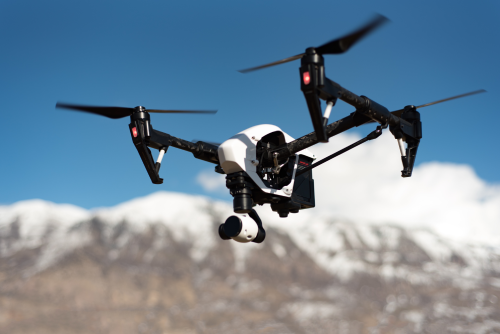
Drones have changed how destinations are marketed. Aerial footage can show the scale, setting, and mood of a place in seconds, which is why tourism boards, hotels, tour operators, and travel creators now use drones heavily in tourism promotion.
In India, this matters even more because so many destinations compete visually: beaches, hill stations, forts, backwaters, deserts, wildlife zones, pilgrimage circuits, and city breaks. Used well, drones can make a place look clearer and more memorable. Used badly, they can look generic, misleading, or even violate local rules.
Quick Take
- Drones are used in tourism promotion to showcase destinations from angles that ground cameras cannot easily capture.
- They help promote entire states, cities, resorts, homestays, adventure activities, routes, festivals, and local experiences.
- The best tourism drone content is not just “pretty aerials.” It shows context, access, scale, and the visitor experience.
- In India, drones are especially useful for promoting lesser-known destinations and visually rich stays such as hill properties, desert camps, beach resorts, and backwater stays.
- Common deliverables include reels, short ads, hero films, booking-page visuals, route previews, and event aftermovies.
- Major risks include airspace violations, privacy issues, flying near crowds, disturbing wildlife, and creating unrealistic expectations.
- Before any commercial tourism shoot in India, verify the latest DGCA and Digital Sky requirements, airspace status, and any local permissions for the specific site.
Why drones work so well in tourism marketing
Tourism is a visual business. People often decide where to travel based on what they can imagine themselves experiencing. Drone footage helps because it answers three questions very quickly:
- What does the place look like?
- Where exactly is it situated?
- What will it feel like to be there?
A ground photo can show a room, a café, or a monument. A drone can show the room plus the river beside it, the café plus the mountain backdrop, or the monument plus the old city around it.
That wider context is powerful in tourism promotion because it does four things at once:
It shows scale
A fort looks more impressive when viewers can see its size relative to the surrounding town. A beach feels more inviting when the coastline, water colour, and crowd spread are visible.
It builds trust
For hotels and homestays, drone shots can reduce uncertainty. Guests can see the approach road, parking area, distance from the water, nearby greenery, and overall layout. That can lead to better-qualified inquiries.
It adds emotion
Slow sunrise reveals, boat-tracking shots, valley passes, and wide festival scenes trigger a sense of anticipation. Tourism marketing is not only about information. It is also about desire.
It helps smaller players compete
A small homestay in Himachal Pradesh or a farm stay in Maharashtra may not have the budget for a large ad campaign. But one strong drone shoot can create content for months across social media, listings, and ads.
How drones are used in tourism promotion
Destination branding by tourism boards
State and regional tourism bodies use drones to create destination films, campaign teasers, and social media content.
These videos usually combine scenic aerials with culture, food, transport access, and signature experiences. The drone’s role is to create the “big picture” view:
- coastlines and beach belts
- hill station valleys and lakefronts
- desert landscapes and camp clusters
- riverfronts, ghats, and temple towns
- city skylines and old heritage quarters
For example, a tourism campaign for a hill state may use drone footage to show winding roads, forest cover, a lake promenade, adventure activity zones, and nearby stay options in one short film. This helps viewers understand not just one attraction, but the whole destination story.
Hotels, resorts, homestays, and houseboats
This is one of the most practical uses of drones in tourism promotion.
Hospitality businesses use drones to show:
- full property layout
- room blocks and open areas
- pools, lawns, private decks, and rooftops
- beach or river access
- surrounding scenery
- parking and approach
- how isolated or connected the property feels
In India, this is especially effective for:
- Goa beach properties
- Kerala backwater stays and houseboats
- Rajasthan desert camps
- hill-view resorts in Himachal, Uttarakhand, and the Northeast
- vineyard stays and farm stays
- lake-facing boutique hotels
A listing with drone visuals often communicates more clearly than ten static photos. But the footage must remain honest. If the best view is visible only from a far-off angle and not from the guest area, the edit should not mislead viewers.
Adventure tourism and outdoor activities
Drones are ideal for showing movement. That makes them valuable for promoting:
- trekking and hiking routes
- rafting stretches
- kayaking and paddleboarding
- paragliding sites
- mountain biking trails
- ATV tracks and desert rides
- camping experiences
- boating and island transfers
Aerials help potential visitors understand the terrain and atmosphere before booking. A rafting operator can show river sections, camp setting, and meeting point. A trek company can show trail segments, campsite surroundings, and viewpoint scale.
This kind of footage also works well for safety communication. A drone can visually show how organized a setup is, where activities begin, and how participants move through the site.
That said, action shoots bring higher risk. The drone should never distract participants, pressure the pilot into risky flying, or create hazards around moving people or vehicles.
Heritage, cultural, and spiritual tourism
India has huge demand for heritage and pilgrimage tourism, and drones are often used to add context to these stories.
Typical promotional subjects include:
- forts and palaces
- stepwells and temple complexes
- old city precincts
- ghats and riverfronts
- heritage hotels
- craft villages
- cultural routes and townscapes
In this use case, drones work best as a framing tool rather than a stunt tool. Aerials can establish the location, layout, and setting, while ground footage carries the detail, texture, ritual, and human emotion.
For spiritual tourism, sensitivity matters. The goal is not to invade sacred spaces or fly aggressively over devotees. Even when the visuals look appealing, permissions and local sentiment should guide every decision.
Festivals, fairs, and event-led tourism
Many destinations attract visitors because of seasonal events rather than permanent landmarks. Drones are useful for promoting:
- cultural festivals
- beach festivals
- music and food events
- desert fairs
- boat races
- marathon and cycling events
- tourism expos and local celebrations
Drone footage helps capture scale, crowd energy, venue setting, and nearby attractions. This can be useful both before the event and after it:
- before: teaser campaigns to drive attendance
- after: recap videos to attract the next year’s audience, sponsors, and media interest
However, events also create the biggest safety and compliance concerns. Flying near crowds, stages, temporary structures, or public gatherings requires very careful planning and often additional permissions. In many cases, what is technically possible is not what is responsible.
Scenic routes and journey-based tourism
Not all tourism is destination-first. Much of it is route-first.
Drones are commonly used to promote:
- coastal drives
- mountain road trips
- river cruises
- backwater transfers
- cycling circuits
- bike tours
- caravan routes
- island approach journeys
This is especially useful in India because many travel decisions are based on the journey experience itself. A viewer may book a road trip because the route looks dramatic, not just because the endpoint is attractive.
A good route-focused drone film often includes:
- starting landscape
- road or water movement
- stop points
- scenic reveals
- nearby food or stay options
- final arrival shot
This turns a simple route into a sellable itinerary.
Eco-tourism and nature interpretation
Eco-tourism operators and destination marketers use drones to show wetlands, forests, tea estates, mangroves, coastlines, and rural landscapes. From a storytelling point of view, drones can explain ecosystems better than ground-only footage.
For example, aerials can show:
- how a mangrove belt protects a coast
- the shape of a wetland system
- the scale of tea gardens
- the relation between a village and its surrounding landscape
- a river’s path through a tourism zone
But this is also one of the most sensitive use cases. Wildlife disturbance is a real concern. Birds, nesting zones, and protected habitats may be affected by drone noise or proximity. Many eco-tourism areas also fall under additional local restrictions. If the location involves forests, sanctuaries, or protected species, extra caution is essential.
Social media reels and creator campaigns
Short-form travel content relies heavily on visual hooks, and drones provide those hooks quickly.
Common tourism promotion formats include:
- 10 to 20 second destination teasers
- vertical reels for Instagram and YouTube Shorts
- hotel check-in reveal videos
- “hidden gem” style clips
- sunrise and sunset mood films
- creator collab videos
- before-and-after seasonal transitions
For creators and small businesses, this is often the highest-value use of drone footage. One day of shooting can produce dozens of short clips for weeks of posting.
The key is to shoot for platform needs:
- vertical framing for reels
- short attention-grabbing opening shot
- clear subject within the first few seconds
- easy-to-read captions for silent viewing
- realistic, not exaggerated, colour grading
Pre-booking orientation and virtual familiarity
One underrated use of drones in tourism promotion is reducing booking friction.
Travelers often hesitate because they cannot picture:
- how remote a place is
- whether access is easy
- what the surroundings look like
- whether the view is genuine
- how the property sits in relation to attractions
Drone clips help solve this. A short visual walkthrough from the road, jetty, or entrance to the stay can make a remote property feel more bookable. For tour operators, aerial route previews can make unfamiliar itineraries feel more accessible.
This is especially valuable for:
- family travelers
- older travelers
- premium travelers comparing stays
- guests visiting a remote property for the first time
Where different tourism players get the most value
| Tourism player | Best drone deliverables | Main outcome |
|---|---|---|
| State tourism board | Destination film, campaign teaser, route montage | Builds broad awareness |
| Hotel or resort | Property overview, surroundings, hero reel | Increases booking confidence |
| Homestay or farm stay | Location context, experience clips, short social videos | Helps small properties stand out |
| Adventure operator | Activity tracking shots, terrain overview, safety-focused visuals | Improves inquiries and trust |
| Event organizer | Venue aerials, teaser, aftermovie | Drives attendance and sponsor interest |
| Travel creator | Vertical reels, cinematic edits, itinerary stories | Improves reach and engagement |
What effective tourism drone content actually looks like
Pretty footage is easy. Useful tourism footage is harder.
The best campaigns usually follow a simple structure.
1. Start with one business goal
Before flying, ask what the content needs to do:
- increase direct bookings
- promote a new season
- launch a new experience
- attract event visitors
- support a state or district tourism campaign
- improve social media reach
If the goal is unclear, the footage often becomes generic.
2. Build a shot list around the visitor journey
A practical tourism shot list usually includes:
- arrival approach
- wide establishing shot
- main attraction
- one or two human-scale moments
- surrounding landscape
- signature experience
- closing shot with the strongest visual payoff
This is better than collecting random aerial clips.
3. Use the right drone style for the right purpose
Different drone moves tell different stories:
- Reveal shot: good for beaches, forts, lakes, and viewpoints
- Orbit shot: useful for resorts, monuments, and isolated landmarks
- Top-down shot: good for boats, pools, patterns, and coastlines
- Tracking shot: useful for vehicles, cyclists, hikers, and boats
- Static hover: best when you want viewers to understand layout and access
Not every location needs fast movement. Sometimes a stable wide frame is more convincing than a dramatic swoop.
4. Include people to show scale
Empty drone footage can look beautiful but emotionally cold. A tiny group walking on a trail, a couple at a deck, or a boat crossing a river helps viewers feel the size of the place.
The people shown should fit the destination honestly. A quiet eco-stay should not be edited like a nightclub resort.
5. Mix drone footage with ground visuals
Drone content works best when paired with:
- room interiors
- food shots
- local faces
- activities
- texture and close-ups
- ambient sound
Aerials attract attention. Ground shots complete the story.
6. Edit for multiple uses
One shoot should produce more than one video. A smart tourism business can turn the same footage into:
- one main promotional film
- three to five short reels
- booking-page clips
- still frames for thumbnails and posters
- seasonal teasers
- ad variations
This is where drone shoots become cost-effective.
A simple workflow for tourism businesses in India
If you run a resort, homestay, tour company, or destination campaign, this process works well.
1. Define the message
Decide exactly what you want viewers to remember.
Examples:
- “This property is peaceful and scenic.”
- “This destination is easier to reach than people think.”
- “This river trip is adventurous but professionally organized.”
- “This festival is large, lively, and worth planning for.”
2. Choose the right season and time
Tourism visuals are highly seasonal in India. A monsoon destination, a winter desert camp, and a summer hill stay all need different timing.
Also pay attention to light:
- early morning gives softer light and cleaner shadows
- late afternoon often gives warmer tones
- midday can look flat and harsh
3. Verify permissions before anything else
Do not assume that because a site is popular or private, flying is automatically allowed.
Check:
- current airspace status
- drone and pilot compliance
- landowner or property permission
- local authority approval where required
- special restrictions near monuments, wildlife areas, religious zones, or public events
4. Capture both beauty and utility
A useful tourism shoot should show:
- where the place is
- what people do there
- how it feels
- how visitors arrive
- what makes it different
5. Edit with honesty
Avoid edits that create false expectations:
- do not hide nearby construction if it is obvious on site
- do not imply private access where none exists
- do not present an uncrowded festival as permanently empty
- do not oversell weather that is highly seasonal
Good tourism promotion attracts the right visitor. Misleading promotion creates complaints.
Safety, legal, and compliance basics in India
Tourism shoots often happen in visually attractive places that are also operationally sensitive. That is why compliance matters so much.
A few practical principles:
Verify the latest DGCA and Digital Sky guidance
Rules, procedures, and airspace status can change. Before any tourism promotion shoot in India, verify the latest official requirements on:
- where the drone can fly
- whether prior authorization is needed
- applicable operator and drone compliance
- platform requirements such as NPNT, which means No Permission, No Takeoff
Do not rely on old social media advice or a one-time permission from the past.
Local permission still matters
Even if airspace appears permissible, the site itself may have local restrictions.
This can apply to:
- heritage sites
- temple and mosque precincts
- beaches with policing controls
- lakes and dams
- national parks and forest zones
- government properties
- resorts inside sensitive areas
- major public events
Always confirm with the site manager, property owner, organizer, or local authority as relevant.
Respect privacy
Tourism footage often includes guests, bathers, pilgrims, and families. Avoid intrusive flying, especially over private areas, balconies, pools, and crowded public spaces. When people are clearly identifiable, consent and privacy norms matter.
Avoid unsafe operations around crowds and wildlife
Tourism locations can be windy, crowded, and unpredictable. Do not treat a marketing shoot like a stunt performance. Use trained pilots, proper takeoff zones, visual observers when needed, and conservative flight planning.
Consider insurance and client risk planning
For commercial shoots, many operators and clients prefer insurance and a clear operating plan. Verify what is covered rather than assuming.
Common mistakes in tourism drone promotion
Shooting only wide scenic views
Aerial beauty alone rarely converts. People also want to understand access, experience, comfort, and authenticity.
Making every place look the same
Many tourism videos now use the same orbit, the same reveal, and the same dramatic music. If the footage does not reflect local character, it becomes forgettable.
Ignoring legal and local restrictions
This is the most serious mistake. A visually attractive location may still be restricted or sensitive.
Flying too close to people, temples, boats, or wildlife
Even if the shot looks cinematic, it may be unsafe, invasive, or offensive.
Over-editing the footage
Extreme saturation, fake sky colours, aggressive speed ramps, and misleading cuts can make a place look unreal. That may get views, but it weakens trust.
Not planning for vertical video
Many tourism businesses still shoot only for horizontal edits. Then they struggle to create strong reels later. Plan framing for both.
Forgetting the booking goal
A tourism video is not only about views. It should support a clear action such as inquiry, booking, itinerary interest, or event attendance.
FAQ
Are drones legal for tourism promotion in India?
They can be, but legality depends on the latest DGCA rules, airspace classification, drone compliance, and local permissions. Always verify the current official position before a commercial shoot.
Does owning a hotel or homestay mean I can freely fly a drone over it?
No. Property ownership does not automatically override airspace rules or local restrictions. You may still need to check permissions, site sensitivity, and privacy issues involving guests or neighbours.
Can drones be used near forts, temples, beaches, and national parks?
Sometimes, but these locations often have extra restrictions or site-specific controls. Heritage areas, wildlife zones, airports, military areas, and large public gatherings require special caution. Verify with the relevant authority before planning a shoot.
Are drones worth it for small tourism businesses?
Yes, if the location itself is part of the product. A small homestay, camp, farm stay, or local experience can gain a lot from one well-planned shoot that creates reusable content for listings and social media.
What type of drone footage works best for bookings?
Short, clear videos that show approach, setting, one standout feature, and a human-scale moment usually work better than long cinematic montages.
Is FPV better than a normal camera drone for tourism promotion?
Not usually. FPV, or first-person-view drone flying, can create exciting immersive shots, but it requires high pilot skill and stricter safety judgment. Standard camera drones are more suitable for most tourism work.
Can drone footage replace ground photography and video?
No. Drone footage is strongest as an opening and context-building tool. Ground visuals are still needed for rooms, food, people, details, and emotional connection.
How often should tourism businesses refresh drone content?
Usually before a key season, after renovations, when launching a new experience, or when the landscape changes significantly. Refreshing for every minor update is not necessary, but outdated visuals can hurt trust.
What should I include in a brief for a drone operator?
Include your goal, target audience, location details, key experiences to highlight, required video formats, desired length, must-avoid areas, expected permissions, and where the final content will be used.
Final takeaway
Drones are used in tourism promotion not just to make destinations look dramatic, but to make them easier to understand, trust, and desire. If you run a tourism business, start with one clear booking goal, verify permissions first, and plan a shoot that shows arrival, setting, experience, and local character. That is what turns aerial footage into actual tourism marketing.
