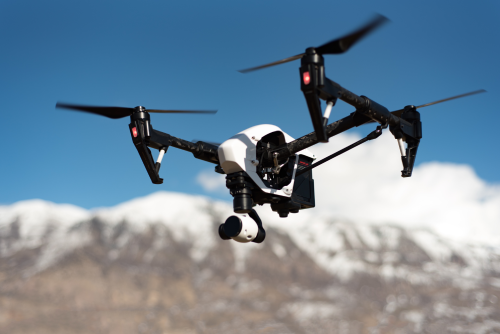
Solar plants are built to run for years, but even a small fault in a few panels can quietly reduce output. This is where drones have become useful: they help inspect large solar sites faster, more safely, and with better visual evidence than many manual checks.
For Indian solar owners, EPC companies, O&M teams, and even rooftop operators, understanding how drones are used in solar panel inspection can save time, reduce downtime, and improve maintenance decisions.
Quick Take
- Drones are used in solar panel inspection mainly to find faults, hotspots, cracks, dirt patterns, shading issues, and damaged modules.
- The most useful setup combines a normal RGB camera with a thermal camera.
- Drone inspections are especially valuable for large solar parks, industrial rooftops, and hard-to-access installations.
- Thermal images help identify panels or strings that may be underperforming, but they do not replace electrical testing.
- Good inspection results depend heavily on the right flight timing, weather, sunlight conditions, and data interpretation.
- In India, always verify the latest DGCA and Digital Sky requirements before commercial drone operations.
Why solar panel inspection needs drones
Solar systems are simple in principle, but difficult to inspect at scale.
A technician can walk through a small rooftop installation and spot obvious issues. But once you move to a large commercial roof or a utility-scale solar plant spread across many acres, manual inspection becomes slow, tiring, and inconsistent.
Drones solve three big problems:
- They cover more area quickly.
- They inspect from angles that are difficult or unsafe for people.
- They capture thermal and visual data that can be reviewed later.
This matters even more in India because many sites operate in tough conditions:
- High heat
- Dust and pollution
- Bird droppings
- Seasonal monsoon exposure
- Large open solar parks in remote areas
- Rooftops with limited access or safety risks
A plant may look fine from the ground but still have a few faulty modules, loose connectors, heavy soiling in one section, or a developing hotspot. A drone helps the maintenance team find those issues before the energy loss becomes expensive.
What drones actually inspect on a solar site
Drone-based solar inspection is not just about taking nice aerial photos. It is mainly about finding signs of underperformance and damage.
Thermal inspection: finding heat-related anomalies
A thermal camera sees heat differences across the solar array. In a healthy solar installation, panels of the same type under similar sunlight should show fairly consistent temperature patterns. When one panel or one part of a panel is much hotter than nearby modules, it may indicate a problem.
Common thermal anomalies include:
- Hotspots: Small areas heating more than surrounding cells
- Abnormally hot modules: Entire panels running hotter than others
- String-level irregularities: A row or group of panels behaving differently
- Bypass diode or interconnection issues: These can create unusual heating patterns
- Soiling-related heating: Dirt, leaves, or bird droppings can create mismatch and local heating
- Shading effects: Partial shade can cause uneven thermal behavior
Important point: thermal imaging shows symptoms, not always the exact root cause. A hot panel may need on-ground confirmation by the electrical team.
Visual inspection: visible defects and site condition
A high-resolution RGB camera captures normal photographs. These are useful for defects that a thermal camera may not clearly explain.
Visual inspection can reveal:
- Cracked or broken glass
- Burn marks or visible discoloration
- Frame damage
- Delamination, where panel layers start separating
- Loose mounting hardware
- Misaligned or tilted modules
- Vegetation growth causing shade
- Debris accumulation
- Damaged cable routing
- Water pooling near structures
- Access path issues for maintenance teams
For many jobs, thermal and visual data work best together. A thermal image may show a suspicious hot panel, and the RGB image helps the team see whether it is caused by a crack, dirt patch, physical damage, or something else.
Site-level issues beyond individual panels
At larger plants, drones are also used to inspect broader site conditions such as:
- Row alignment
- Tracker misalignment on tracker-based plants
- Shadowing from nearby structures or growing vegetation
- Damage after storms
- Flooding or drainage issues around the array
- Fence or perimeter condition in some O&M inspections
So while the main focus is usually the panels themselves, the drone often becomes a general inspection tool for the whole solar asset.
Which drone sensors are used in solar inspection
Not every solar inspection needs the same drone setup.
| Sensor type | What it helps detect | Best use case | Main limitation |
|---|---|---|---|
| RGB camera | Cracks, dirt, broken glass, mounting issues, visible damage | Basic visual inspection and record-keeping | Cannot reliably detect heat-based faults |
| Thermal camera | Hotspots, temperature anomalies, string irregularities, possible faulty modules | Performance-focused inspection and fault detection | Needs correct flight timing and careful interpretation |
| Zoom camera | Closer view of suspected defects without flying too close | Detailed inspection on large sites or rooftops | Still does not replace thermal data |
For serious solar diagnostics, thermal imaging is usually the key feature. For basic maintenance documentation, RGB-only surveys may still be useful.
How a typical drone-based solar inspection works
A good solar drone survey is a workflow, not just a flight.
1. Define the inspection goal
The team first decides what they want to know.
Typical goals include:
- Find underperforming modules
- Inspect after a storm or dust event
- Verify system condition before handover
- Compare before-and-after cleaning results
- Audit a large site faster than manual checks
- Prepare a maintenance priority list
This matters because the flight plan, altitude, camera settings, and report format all depend on the goal.
2. Check site access, safety, and compliance
Before flying, the operator should confirm:
- Site owner or operator permission
- Safe takeoff and landing area
- Worker movement on site
- Nearby towers, cables, substations, or obstacles
- Local airspace restrictions and current drone compliance requirements
In India, drone operations must follow the latest applicable DGCA rules. Requirements may depend on drone category, operator qualifications, airspace, and nature of the operation. Always verify the latest official guidance before commercial work.
3. Plan the mission
Most solar inspections use automated waypoint flights. That means the drone follows a pre-set route over the array to capture consistent images.
The operator decides:
- Flight altitude
- Overlap between images
- Speed
- Camera angle
- Area boundaries
- Battery plan
Automated flights are useful because they make data more repeatable. If the plant is inspected again later, the same route can be flown for comparison.
4. Choose the right time and weather
This is one of the most important parts.
Thermal solar inspection generally works best when the panels are under stable sunlight and producing power. In practice, this often means clear or mostly clear conditions during the brighter part of the day, not early dawn, not during rain, and not under rapidly changing clouds.
Bad timing can lead to bad conclusions.
Common conditions to avoid:
- Rain or wet panels
- Very low sunlight
- Fast-moving cloud cover
- Strong reflections
- Excessive wind
- Very unstable power conditions
In Indian summers, heat management also matters. Batteries, pilots, observers, and laptops can all be affected by high ambient temperatures.
5. Fly the inspection
The flight itself usually includes two parts:
Automated mapping pass
The drone flies a grid over the solar field and captures overlapping images for stitched maps.
Manual review pass
If the software flags suspicious areas, the operator may fly manually for closer images of specific modules, rows, or structures.
For rooftops, the operator may use shorter, more careful flights because of obstacles such as parapet walls, HVAC equipment, and neighboring buildings.
6. Process the data
After the flight, software is used to stitch images into an orthomosaic, which is a map made from many photos aligned into one large view.
Thermal software can then highlight:
- Hot modules
- Abnormal cell patterns
- Row-level issues
- Clusters of anomalies
- Temperature differences compared to nearby modules
This step is where a lot of value is created. Raw images alone are not enough. The real benefit comes from organized analysis.
7. Ground verification
This is the step many people underestimate.
A drone may show that module A-17 is hotter than nearby panels. But the maintenance team still needs to confirm why. That may involve:
- Visual check at close range
- Electrical testing
- Connector inspection
- String or inverter review
- Cleaning check
- Replacement decision
A strong solar drone workflow always includes some level of ground truthing.
8. Create an action report
A useful final report does more than say “some panels are hot.”
It should include:
- Site map or thermal map
- Exact location of anomalies
- Severity or priority level
- Visual images of each issue
- Likely fault category
- Recommended next action
- Notes on items needing on-ground electrical confirmation
That makes the report practical for the O&M team, asset owner, or EPC contractor.
Where drones are most useful in solar panel inspection
Utility-scale solar parks
This is where drones show their biggest advantage.
Walking a very large solar park row by row is slow and costly. A drone can inspect a large area much faster and generate a consistent thermal overview of the plant.
Typical use cases:
- Periodic preventive inspection
- Fault localization before sending technicians
- Post-storm or post-dust inspection
- Warranty documentation
- Performance troubleshooting
For large Indian solar parks in hot and dusty environments, fast thermal scanning can save a lot of labour and downtime.
Commercial and industrial rooftops
Industrial rooftops are another strong use case.
These sites often have:
- Limited roof access
- Heat exposure
- Safety concerns for manual inspection
- Mixed obstructions like ducts and vents
- Large spread-out panel layouts
A drone helps inspect without sending people across every corner of a hot roof. It is especially useful after monsoon weather, after maintenance work, or when the owner suspects generation loss.
Residential and small rooftop systems
Drones can be used here too, but the economics are different.
For a very small and easy-to-access rooftop, manual inspection may be simpler. But drones still make sense when:
- The roof is steep or unsafe
- Access is difficult
- The owner wants visual documentation
- The installer manages many homes in one region
- There is suspected damage after bad weather
Floating solar plants
Floating solar is a special case where drones can be extremely helpful.
These sites are harder to inspect on foot or by boat, and a drone can quickly scan panel rows, floating structures, and access pathways. For operators of reservoir-based solar projects, drones reduce the need to physically reach every section.
Benefits of using drones for solar panel inspection
Faster coverage
A drone can inspect a broad area in a fraction of the time required for manual walkthroughs. That speed matters when plants are large or when production loss is ongoing.
Safer operations
Inspectors do not need to walk every rooftop edge or move deep into wide, hot solar fields just to locate the first suspected issue. The drone reduces exposure to heat, slips, and access risks.
Better fault visibility
Thermal anomalies are easier to spot from above than from ground level. A panel that looks normal to the eye may stand out clearly in a thermal map.
Better maintenance planning
Instead of checking every module manually, technicians can focus on the exact rows or panel IDs flagged by the drone report.
Repeatable records
Drone data creates a time-stamped record of site condition. That is useful for:
- Maintenance history
- Insurance-related documentation
- Warranty support
- Trend tracking over repeated inspections
Less disruption
Many inspections can be performed without large-scale shutdowns or intrusive access to every row, though site-specific electrical safety rules still apply.
What drones cannot do on their own
Drone marketing sometimes makes solar inspection sound almost magical. It is not.
Drones are excellent for finding clues, but they do not solve every problem.
Limitations include:
- They cannot always identify the exact electrical root cause
- They can miss issues if flown at the wrong time or wrong altitude
- Reflections and poor thermal conditions can create false positives
- They do not inspect the inside of inverters, combiner boxes, or internal electrical components
- Some roof sections may remain difficult because of obstacles or airspace limits
- Very small installations may not justify a full thermal drone survey
The right way to think about it is this: drones improve inspection efficiency, but skilled technicians still matter.
Choosing the right drone setup for solar inspection
You do not always need the most advanced drone. You need the right combination of sensor quality, flight stability, and workflow.
For basic visual checks
Suitable for:
- Installers documenting completed work
- Small rooftop maintenance
- Basic damage review after wind or debris
Look for:
- Stable hover
- Good image quality
- Reliable obstacle awareness
- Easy waypoint planning if available
For fault detection and O&M work
Suitable for:
- Large rooftops
- Commercial solar assets
- Utility-scale inspections
Look for:
- Integrated thermal camera
- Good RGB camera
- Repeatable automated missions
- Accurate positioning
- Reliable software for thermal analysis
For larger professional operations
Suitable for:
- EPC companies
- Asset managers
- O&M contractors
- Service providers covering multiple plants
Useful features include:
- RTK, or Real-Time Kinematic positioning, for better location accuracy
- Fleet battery management
- Standardized reporting workflow
- Better support and calibration handling
- Interchangeable or high-quality thermal payloads, if supported
For many Indian businesses, the real buying decision is not just the drone. It is the full workflow: pilot skill, software, report quality, battery logistics, and service support.
Common mistakes in solar drone inspections
Flying at the wrong time
Thermal solar inspection depends on proper sunlight and stable conditions. Flying too early, too late, or under inconsistent clouds can produce misleading data.
Using only thermal images
Thermal data is powerful, but not enough by itself. Pairing it with RGB images reduces misdiagnosis.
Flying too high or too fast
If the drone is too high, small defects may be lost. If it flies too fast, image quality and thermal detail can suffer.
Ignoring reflective surfaces
Solar panels can reflect sunlight and surroundings. Poor camera angle or bad interpretation can create false readings.
Skipping ground verification
A hot panel is not a final diagnosis. Confirming the issue on the ground avoids unnecessary replacement or incorrect repair.
Poor site safety practice
Launching too close to metal structures, transformers, or moving workers can create unnecessary risk. Solar plants are still industrial environments.
Treating one inspection as enough
Solar inspection works best as a periodic process. Comparing data over time is often more useful than a one-time survey.
Safety and compliance in India
If you plan to use drones for solar panel inspection in India, take compliance seriously.
Key points to verify before any operation:
- Current DGCA drone rules applicable to your drone and use case
- Airspace status on Digital Sky or the relevant official system
- Whether the operation requires a trained or certified remote pilot under current rules
- Whether the drone must meet current NPNT and other compliance requirements, if applicable
- Site owner authorization
- Any local restrictions near sensitive infrastructure
On the operational side, also follow good field safety:
- Keep takeoff and landing zones clear
- Do not fly over uninvolved people
- Maintain safe separation from power equipment and structures
- Watch for electromagnetic interference near substations and heavy metal installations
- Avoid rain, high winds, and unsafe rooftop conditions
- Manage batteries carefully in hot weather
- Use an observer when the site is busy or complex
If you are hiring a service provider, ask them about both flight compliance and solar-specific reporting experience. A legally flown drone survey is important, but a technically useful report is what actually saves you money.
Practical examples
Example 1: Large solar park after a dust event
A utility-scale plant sees a drop in output after high winds and dust accumulation. Instead of sending teams across the entire site, the operator runs a drone thermal and RGB survey.
What the drone helps identify:
- Sections with unusual heating
- Rows with concentrated soiling
- A few visibly damaged modules
- Areas that need urgent cleaning versus areas that need electrical checks
Result: the maintenance team prioritizes the right rows instead of treating the entire site the same.
Example 2: Industrial rooftop after monsoon
A factory rooftop system appears to be generating less than expected. Access is difficult and the roof has multiple obstacles.
A drone inspection reveals:
- Water-related staining in some areas
- Debris build-up near drains
- A cluster of modules with abnormal thermal patterns
- Shading from newly added rooftop equipment
Result: the owner gets a targeted repair and cleaning plan instead of a blind manual search.
FAQ
Can drones detect every faulty solar panel?
No. Drones can detect likely anomalies, especially thermal irregularities and visible damage, but not every root cause. Final confirmation often requires on-ground electrical testing.
Is a thermal camera necessary for solar panel inspection?
For serious fault detection, usually yes. A normal camera can show cracks, dirt, or physical damage, but thermal imaging is what helps reveal hotspots and performance-related anomalies.
What is the best time of day for drone solar inspection?
Usually when the system is under steady sunlight and generating power, often in clear or mostly clear daytime conditions. Exact timing depends on weather, site layout, and inspection method.
Are drones useful for small home solar systems?
Sometimes. For a very small and accessible rooftop, manual checks may be enough. Drones are more useful when the roof is unsafe, access is difficult, or the operator manages many sites.
How often should a solar plant be inspected by drone?
There is no one rule for every site. Many operators do periodic inspections, plus additional surveys after storms, dust events, or unexplained generation loss.
Do drones replace solar technicians?
No. Drones help locate and document issues faster, but technicians are still needed to verify faults, test electrical components, and perform repairs.
What should a client expect in a professional solar inspection report?
A useful report should include a site map, thermal findings, visible images, exact locations of anomalies, severity levels, and recommended next steps for verification or repair.
Is drone inspection allowed for commercial solar projects in India?
It may be, but the operation must follow the latest applicable Indian drone rules. Always verify current DGCA, Digital Sky, airspace, pilot, and equipment requirements before flying.
Can drones inspect solar panels during rain or at night?
Rain is generally unsuitable and unsafe for inspection. Night flights are not useful for normal performance-based thermal assessment because the panels are not operating under sunlight.
If you run or maintain a solar installation, the smart next step is simple
Use a drone survey when the site is large, hard to access, safety-sensitive, or showing unexplained performance loss. For the best results, choose a workflow that combines thermal imaging, visual confirmation, ground verification, and up-to-date compliance with Indian drone rules.
