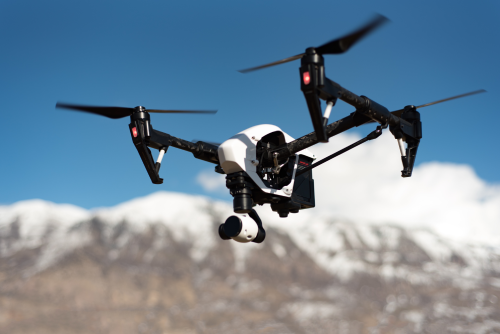
Drones are now used in site safety audits to inspect roofs, scaffolding, excavations, plant areas, solar fields, and other risky locations without sending people into danger first. For Indian businesses, they can speed up audits, create clear photo evidence, and make follow-up actions easier to track, as long as the flight is properly planned and fully compliant with current rules.
Quick Take
- Drones help safety teams inspect hard-to-reach and high-risk areas faster than many manual methods.
- They are especially useful for construction sites, industrial plants, warehouses, solar parks, mines, roads, bridges, and large campuses.
- A drone does not replace a safety officer or engineer. It gives better visual evidence and helps them make decisions.
- The best drone audits are checklist-driven, not just “flying around and taking video.”
- Useful outputs include annotated photos, top-down maps, thermal scans, 3D models, and before-and-after records.
- In India, always verify the latest DGCA and Digital Sky requirements, airspace status, site permissions, and pilot compliance before flying.
- Drones improve safety, but poor planning, poor data capture, or poor reporting can make the audit weak.
What drones add to a site safety audit
A site safety audit is a structured inspection of hazards, unsafe conditions, and compliance gaps at a worksite. Traditionally, this might involve walking the site, climbing ladders, using boom lifts, checking roofs, inspecting temporary structures, and reviewing records.
Drones add a new layer to that process: quick airborne visibility.
Instead of exposing an inspector to every risky area first, the team can often use a drone to:
- look at elevated locations
- inspect large open areas
- document unsafe practices from above
- check whether barriers, signage, and access routes are in place
- identify visible defects before someone goes in for a close inspection
This matters because many safety issues are easiest to understand from a top-down or oblique aerial view. A scaffold may look acceptable from the ground, but an aerial pass may reveal missing guardrails, unsecured materials, or poor access planning.
In simple terms, drones are used in site safety audits as a safer first look, a documentation tool, and a way to monitor whether corrections were actually made.
Why this matters in India
Indian worksites often face a combination of scale and complexity:
- fast-moving construction schedules
- large infrastructure projects
- hot weather and dust
- monsoon-related waterlogging and surface changes
- crowded urban surroundings
- remote industrial or energy sites
- multiple contractors working at the same time
These conditions make regular inspection essential, but they also make manual inspection slow and sometimes risky.
A drone can be particularly valuable when:
- the site is too large to inspect properly on foot in one session
- there are elevated work areas
- there are unstable edges, pits, slopes, or stockpiles
- the site changes every day
- management needs photographic proof, not only verbal observations
For Indian companies, another major benefit is recordkeeping. A drone-based audit can create timestamped, geotagged evidence. “Geotagged” simply means each image is tied to a location. That is useful for internal review, contractor coordination, and repeat inspections.
Where drones are used in site safety audits
Here is where drones commonly fit into a real audit workflow:
| Audit area | What the drone checks | Why it helps |
|---|---|---|
| Roofs and elevated structures | Damage, loose sheets, edge protection, blocked drains, unsafe access | Reduces need for immediate manual climbing |
| Scaffolding and formwork | Guardrails, toe boards, ties, platforms, material storage | Gives a clear view of upper levels |
| Excavations and trenches | Edge collapse risk, barricading, water accumulation, equipment proximity | Helps identify hazards around pits and cuttings |
| Construction progress zones | Worker movement, vehicle paths, exclusion zones, housekeeping | Reveals unsafe site layout patterns |
| Industrial plants | Flare areas, pipe racks, roof sections, tank tops, hard-to-access structures | Cuts exposure to risky zones during first inspection |
| Solar farms and substations | Damaged fencing, access roads, standing water, hotspot checks with thermal camera | Covers large areas quickly |
| Warehouses and factories | Roof condition, drainage, loading zones, external fire access routes | Supports maintenance and emergency planning |
| Mines and quarries | Haul roads, slopes, berms, stockpiles, water hazards | Useful over large, changing terrain |
| Bridges, roads, and civil works | Barriers, deck condition, traffic interface, work-at-height risks | Gives context that ground inspections may miss |
Real-world examples of drone use in safety audits
High-rise construction
On a multi-storey building site, one of the biggest challenges is verifying work-at-height controls.
A drone can help inspect:
- slab edges
- temporary guardrails
- material storage near edges
- scaffold ties and platform continuity
- debris netting coverage
- tower crane surroundings
- access pathways between levels
Practical example: a project team wants to check whether edge protection is complete across several upper floors. Instead of sending multiple people up immediately, the drone captures high-resolution images from a safe distance. The safety officer then marks missing rail sections and flags areas requiring physical verification.
Warehouses and factory roofs
Many warehouse safety issues are not obvious from the ground.
A drone may reveal:
- rusted or loose roof sheets
- water ponding after rain
- blocked gutters and drainage points
- damaged skylights
- unsafe roof access routes
- proximity of nearby electrical lines or structures
Practical example: after heavy monsoon rain, a warehouse operator uses a drone audit to find ponding water on the roof and blocked drainage outlets. This helps prioritise maintenance before leaks and slip hazards worsen.
Industrial plants and process sites
In industrial environments, a drone is useful for remote visual inspection before a human enters a potentially hazardous area.
Typical uses include checking:
- corrosion on elevated structures
- condition of platforms and ladders
- roof-mounted equipment
- flare stacks and pipe bridges
- external tank shell issues
- perimeter security and access routes
In some cases, thermal imaging may help identify abnormal heat patterns on electrical equipment or surfaces. Thermal imaging uses a camera that detects heat differences, making hot or cold spots easier to see.
Important note: in complex industrial sites, a drone inspection must be coordinated very carefully. Presence of hazardous atmospheres, security restrictions, radio interference, and sensitive infrastructure can make planning more demanding.
Solar plants and energy sites
Large solar parks are a strong fit for drone audits because they spread across wide land areas.
A drone can help check:
- broken fencing
- panel row access
- standing water
- erosion along roads
- damaged mounting structures
- vegetation encroachment
- hotspots with thermal scans, where appropriate
Practical example: a site manager wants to know whether rain has created unsafe access around inverter stations and whether any section has visible damage. A drone can quickly survey the site and create a map showing concern areas.
Mining and quarry operations
In mines and quarries, safety depends heavily on terrain awareness.
Drones may be used to monitor:
- bench edges
- slope conditions
- haul road width and condition
- berm integrity
- stockpile shape
- water collection zones
- separation between vehicles and workers
Because terrain changes rapidly, repeat flights can show whether a hazard is stable, worsening, or corrected.
Roads, bridges, and infrastructure corridors
Infrastructure projects often stretch over long distances and include public interface risks.
Drone audits can support checks such as:
- barricading around work zones
- traffic diversion effectiveness
- access route blockages
- overhead work conditions
- bridge deck or pier access issues
- debris or material storage near carriageways
For safety teams, the real advantage is context. From above, it becomes easier to see whether the work zone is truly separated from traffic and pedestrians.
How a drone-based site safety audit usually works
The most useful drone audits follow a repeatable process.
1. Define the audit scope
Start with the question: what are we trying to inspect?
Examples:
- work-at-height controls
- roof safety
- excavation hazards
- fire access routes
- plant perimeter risks
- post-rain condition checks
- contractor compliance
Without a defined scope, the drone may collect impressive footage but miss the actual safety problem.
2. Review legal and site permissions
Before flying:
- confirm that the location can be flown legally under the latest applicable rules
- verify airspace status
- check if the area falls near an airport, defence location, refinery, city restriction, or other sensitive zone
- ensure the organisation has site approval
- confirm pilot and drone compliance for the planned operation
In India, rules can change, and permissions may depend on location, drone type, and purpose. Always verify the latest DGCA and Digital Sky guidance before acting. If your operation requires compliant features, permissions, or documentation such as airspace clearance or NPNT-related compliance, confirm those beforehand.
3. Plan the mission and risk controls
A good pre-flight plan includes:
- take-off and landing zone
- emergency procedures
- no-fly pockets within the site
- safe stand-off distances from people, cranes, cables, and machinery
- weather check
- communication with the site manager and safety officer
- worker awareness, so the flight does not surprise people on site
This step is critical. A safety audit drone flight should reduce risk, not create new distractions.
4. Capture the right data
Depending on the task, the team may capture:
- close-up photos of defects
- overview video for context
- top-down mapping images
- thermal imagery
- zoomed inspection shots
- repeat photos from the same angle for later comparison
For mapping work, the drone may take many overlapping photos that software stitches into an orthomosaic, which is a detailed top-down map created from multiple images.
5. Compare findings against a checklist
The footage is only useful when reviewed systematically.
Typical checklist points include:
- missing barriers
- unsafe storage near edges
- blocked access or exits
- standing water
- loose debris
- damaged structures
- missing signage
- poor traffic segregation
- unauthorised worker presence in restricted areas
6. Mark and prioritise issues
A professional report should not just say “unsafe condition observed.”
It should show:
- what the issue is
- where it is
- how serious it appears
- what action is needed
- who should act
- when reinspection is required
7. Re-fly after corrective action
One of the most practical uses of drones in site safety audits is verification.
After the contractor says the issue is fixed, a short follow-up flight can confirm:
- barrier installed
- slope stabilised
- access cleared
- drainage improved
- roof defect patched
- housekeeping corrected
This creates a clean before-and-after record.
What data types are most useful
Not every audit needs expensive sensors. The best choice depends on the site and the risk.
Standard visual camera
This is enough for many audits.
Useful for:
- scaffolding checks
- roof inspections
- access route review
- site housekeeping
- barricades and signage
- excavation perimeter checks
Zoom camera
A zoom camera helps inspect from farther away, which is useful when flying close would be unsafe or impractical.
Useful for:
- elevated steel structures
- facades
- tower elements
- roof features
- industrial equipment exteriors
Thermal camera
A thermal camera detects heat differences. It is not a magic fault detector, but it can support certain safety checks.
Useful for:
- overheating electrical components
- unusual heat patterns on panels
- potential hotspot locations
- some moisture or insulation-related investigations, depending on conditions
Thermal results need careful interpretation. Heat anomalies can be caused by many factors.
Mapping and 3D modelling
For larger sites, a drone can create:
- an orthomosaic map
- a 3D model
- terrain information
These are especially useful for:
- excavation and slope review
- haul road evaluation
- drainage planning
- emergency access route checks
- change detection over time
Benefits of using drones for safety audits
Less exposure to risky areas
This is the biggest benefit.
If a drone can safely inspect a roof edge, unstable slope, or elevated platform first, fewer people need to enter that area immediately.
Faster site coverage
Large sites can be reviewed much more quickly than with foot patrols alone.
This is useful for:
- mines
- solar parks
- industrial campuses
- large construction projects
- road corridors
Better visual evidence
A written note saying “guardrail missing on upper level” is useful.
An annotated aerial image showing the exact spot is much better.
Easier trend tracking
Repeat drone flights help compare changes over time.
This supports:
- weekly safety reviews
- contractor performance checks
- post-incident documentation
- pre- and post-monsoon inspections
Better communication
Drone images are easier for non-technical managers to understand than long written observations alone.
That can speed up decisions and corrective action approvals.
Limits you should understand
Drones are useful, but they are not a full replacement for traditional inspection.
They only show what sensors can see
A drone can miss:
- internal structural issues
- hidden corrosion
- gas leaks not detectable by its equipment
- defects covered by dirt or cladding
- problems inside enclosed spaces
Weather matters
High wind, rain, dust, glare, and poor light can reduce image quality and flight safety.
Indoor inspection is harder
GPS may not work well indoors, and tight spaces demand specialised skills and equipment.
A drone flight can create false confidence
A clean aerial view does not mean the area is fully safe.
Some issues still require physical inspection by a competent person.
Data is only as good as the workflow
If the pilot captures random footage with no checklist, the audit may look professional but add little value.
Safety, legal, and compliance points in India
If you plan to use drones for site safety audits in India, treat compliance as part of the audit process itself.
Verify current regulations before every job
Do not assume last year’s process is still valid.
Check the latest official guidance on:
- where you can fly
- what category of drone is allowed
- whether the airspace is restricted
- operator and pilot requirements
- any platform-based approvals or declarations
- applicable equipment compliance requirements
Coordinate with the site owner
Even if the site is private, that does not automatically mean every drone operation is allowed.
You may still need:
- written site approval
- timing restrictions
- security clearance
- coordination with EHS teams
- restrictions near sensitive assets
Protect people on the ground
Avoid flying over uninvolved workers, visitors, or public roads unless the operation has been properly planned and controlled.
Set clear ground controls such as:
- a marked take-off area
- a spotter, if needed
- restricted movement around the launch point
- radio coordination on busy sites
Respect privacy and confidentiality
A drone audit may capture:
- worker faces
- nearby properties
- vehicle numbers
- sensitive industrial layouts
The organisation should decide in advance:
- who can access the footage
- how long it will be stored
- whether faces or sensitive details need to be masked in reports
Document the mission
For professional use, basic records matter:
- purpose of the flight
- date and time
- location
- pilot details
- weather
- battery and equipment status
- incidents or anomalies
- audit output files
This helps with traceability and professional credibility.
Common mistakes in drone-based site safety audits
Treating the flight like a marketing shoot
Safety audits are not cinematic projects. Smooth video is nice, but it is not the goal.
The goal is usable evidence.
Flying without a checklist
A drone operator may capture many visuals but miss the exact hazards the safety team wanted checked.
Always define inspection points before take-off.
Getting too close to structures
Close flying near steel, concrete edges, cranes, and cables can increase collision risk and reduce safety margin.
Use zoom where possible.
Ignoring the time of day
Early morning, harsh noon glare, or late-evening shadows can affect what is visible. Thermal inspections are also time-sensitive.
Not coordinating with active site work
A drone flight during lifting operations, blasting activity, traffic movement, or shift change can create unnecessary risk or distraction.
Producing reports with no action priority
A long list of images is not enough.
Issues should be prioritised, assigned, and rechecked.
Assuming drones replace competent inspection
Drones support safety professionals. They do not replace engineers, safety officers, electricians, or structural experts.
What a useful drone safety audit report should include
A strong report usually contains:
- audit objective
- site area covered
- date and conditions
- method used
- key findings
- annotated images
- map or location references
- issue severity
- recommended action
- reinspection plan
If the client receives only raw video files, the audit is incomplete.
The value comes from interpretation, not just capture.
FAQ
Are drones legally allowed for site safety audits in India?
They can be, but legality depends on the location, airspace, drone type, and current requirements. Always verify the latest DGCA and Digital Sky rules, plus any local or site-specific restrictions, before flying.
Do drones replace safety officers or inspectors?
No. Drones help safety officers and inspectors see more, document better, and reduce exposure to risky areas. Final judgement still depends on qualified people.
What type of drone is best for site safety audits?
For many jobs, a stable camera drone with good image quality, obstacle sensing, and reliable flight performance is enough. Larger sites may benefit from mapping capability. Thermal payloads are useful only when the audit actually needs heat-based inspection.
Is a thermal camera necessary?
Not always. Standard visual cameras handle many common safety checks such as barriers, roofs, scaffolding, drainage, and housekeeping. Thermal is valuable for certain electrical, solar, or heat-related issues.
Can drones inspect indoor sites?
They can, but indoor flying is more complex because GPS may be weak or absent. Warehouses, plants, and enclosed structures may require smaller aircraft, better pilot skill, added lighting, and stricter risk control.
How often should a site use drone safety audits?
It depends on the risk and speed of change. Fast-moving construction sites may benefit from weekly or milestone-based audits. Large industrial or energy sites may use drones after weather events, shutdowns, maintenance periods, or before major inspections.
What should a client expect to receive after the audit?
At minimum, expect a structured report with key findings, annotated images, location references, issue priority, and recommended actions. For larger sites, top-down maps or repeat-comparison visuals are also useful.
Are drones useful for small sites too?
Yes, if the site has roof access problems, height-related risks, or areas that are difficult to inspect safely. On very small and simple sites, manual inspection may still be enough.
What are the biggest risks of using drones for safety audits?
The main risks are poor planning, non-compliance, distractions to workers, flying too close to hazards, weak data capture, and overreliance on visuals without expert verification.
Final takeaway
The best way to think about drones in site safety audits is simple: they are a practical inspection tool, not a magic solution. If you have a site with height, scale, changing conditions, or hard-to-reach hazards, a properly planned drone workflow can improve safety, speed, and documentation. Start with a clear checklist, use the right pilot and permissions, and demand a report that leads to action, not just footage.
