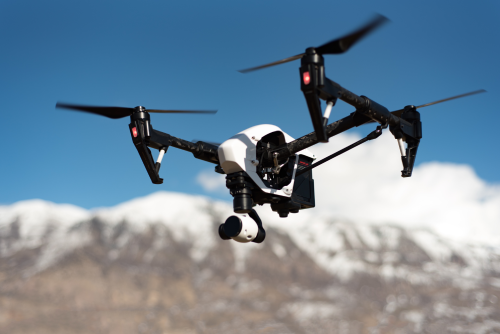
Drones are increasingly used in school and university promotions because they show a campus in a way ground cameras often cannot: scale, layout, greenery, infrastructure, and the overall student environment. When planned properly, drone footage can make admission campaigns, campus tours, event videos, and social media content feel more credible and engaging for students and parents in India.
But good educational marketing is not just about dramatic aerial shots. The most effective drone promotions combine clear storytelling, privacy safeguards, and strict compliance with safety and airspace rules.
Quick Take
- Schools and universities use drones mainly for campus tours, admission videos, event coverage, social media reels, and infrastructure showcases.
- Drone footage works best when it supports a clear message such as safety, academic quality, student life, or campus facilities.
- In India, a private campus is not automatically free to fly in. Always verify the latest DGCA and Digital Sky requirements before any shoot.
- For schools, privacy and consent are especially important because minors may be visible in the footage.
- For colleges and universities, drone videos are often strongest when they show academic blocks, labs, hostels, sports areas, and campus connectivity in one visual flow.
- A small, well-planned drone shoot can outperform a long, unfocused promotional film.
- Not every campus needs FPV or highly cinematic flying. In most cases, stable and simple shots work better.
Why educational institutions use drones for promotions
A school or university is selling more than a building. It is presenting an environment.
Parents want to know whether a campus looks safe, organised, clean, and well-managed. Students want to see whether the place feels modern, active, and worth joining. A drone helps show that quickly.
This is why drones are used in school and university promotions:
They show the full campus story in seconds
A normal camera can show a classroom, a lab, or a sports ground. A drone can show how all of these fit together.
That matters for:
- Large universities
- Residential campuses
- Institutions with multiple blocks
- Schools with strong sports or activity facilities
- Campuses in scenic or green settings
They make virtual tours more believable
Admission decisions are increasingly influenced by digital research. Students and parents often shortlist institutions before they visit in person.
Drone footage helps them understand:
- Campus scale
- Building placement
- Open spaces
- Movement between departments
- Hostel and sports access
- Overall atmosphere
They help smaller or lesser-known institutions compete visually
A regional college or private school may not have a national brand. But if it has a clean campus, good facilities, and a strong learning environment, drone visuals can help communicate that quickly.
A smart drone video can make a lesser-known institution look transparent, confident, and professionally run.
They fit modern content formats
Admissions marketing is no longer only about brochures.
Drone footage now appears in:
- Website hero videos
- Instagram reels
- YouTube campus tours
- Admission campaign ads
- Prospectus launch videos
- Convocation highlights
- Annual day recaps
- Alumni and placement films
The main ways drones are used in school and university promotions
Below are the most practical and common use cases.
| Promotion goal | How drones help | Best output format | Key caution |
|---|---|---|---|
| Campus overview | Shows scale, layout, greenery, access roads | 60 to 120 second film | Check airspace and privacy |
| Admissions marketing | Makes campus feel real before a visit | Website video, ad cutdowns, reels | Keep messaging clear, not just cinematic |
| Event coverage | Adds energy and scale to festivals or convocation | Short recap film | Avoid unsafe flying over crowds |
| Facility showcase | Highlights labs, libraries, sports areas, hostels | Department videos, brochure video | Do not oversell facilities not in regular use |
| Social media branding | Produces visually strong hooks | Vertical reels, shorts | Do not over-edit or use repetitive shots |
| Reputation building | Supports alumni, research, or placement stories | Documentary-style promo | Drone should support the narrative, not replace it |
Campus overview films
This is the most common use.
A school or university records wide aerial shots of:
- Main gate and entrance road
- Academic blocks
- Assembly areas
- Library
- Labs
- Playground or stadium
- Amphitheatre
- Hostel blocks
- Cafeteria
- Green zones and walkways
- Parking and transport areas
These shots are then edited into a campus film.
For schools, the focus is often reassurance: organised layout, safe environment, play areas, cleanliness, transport access.
For universities, the focus is often scale and opportunity: departments, innovation spaces, hostels, sports infrastructure, and student life.
Virtual admission tours
Many institutions now create virtual campus tours for students who cannot visit immediately.
Drone footage is useful at the beginning of the tour because it provides orientation. It shows where everything is before the viewer sees indoor footage.
A simple flow works well:
- Aerial campus opening
- Main entrance and welcome
- Academic blocks
- Labs and learning spaces
- Student facilities
- Sports and extracurricular spaces
- Hostel and dining
- Closing message with admissions call to action
This is especially useful in India for institutions that attract outstation students from other districts or states.
Social media reels and short-form promotion
A full admission film may be three minutes. But many students will first discover a campus through a 20 to 45 second reel.
Drone clips are often used for:
- “A day at our campus” edits
- Freshers’ welcome teasers
- Exam season calm-campus visuals
- Festival and cultural day highlights
- Placement season campaign videos
- Sports day recaps
- New block or new lab reveal videos
Short-form content works best when each video has one clear purpose. For example:
- Show the campus in monsoon greenery
- Highlight the engineering block
- Promote open house or admission day
- Show sports facilities in action
Event coverage
Drones can add production value to educational events, but this is also where many institutions make mistakes.
Useful events include:
- Convocation
- Annual day
- Inter-college festivals
- Sports meets
- Freshers’ programmes
- Founders’ day celebrations
- Campus marathons or parades
Drone footage can capture:
- Crowd scale from a safe distance
- Decor and stage environment
- Processions and formations
- Sports field activity
- Fireworks area only if legally and safely managed, and without reckless flying nearby
Important limit: event shoots create the highest safety risk. Flying near dense crowds, stage rigging, flags, cables, or lighting structures requires professional judgment and may not be appropriate at all in some situations.
Infrastructure and facilities showcase
This is one of the most practical uses of drone footage because it answers a core question: “What does the campus actually offer?”
Drones are commonly used to show:
- Science and computer labs
- Library blocks
- Auditorium approach
- Sports grounds and courts
- Hostel exteriors
- Cafeteria surroundings
- Transport bays
- Solar installations
- Medical room or wellness area building exterior
- Incubation centres and workshop zones
A school can use this for parent-focused trust building.
A university can use it for programme-specific marketing. For example:
- Engineering admissions can highlight workshops and large labs
- Design colleges can show studio spaces and creative zones
- Agricultural universities can show field plots and research land
- Medical or allied health institutions may show campus scale, though sensitive facilities should be filmed carefully and only where appropriate
Sports and extracurricular branding
Many institutions in India now promote themselves through holistic development, not only academics.
Drone footage helps show:
- Football or cricket grounds
- Athletic tracks
- Basketball courts
- NCC or parade areas
- Open-air performance spaces
- Cultural festival layouts
- Adventure or activity zones where applicable
These visuals matter because they communicate campus life, not just classrooms.
New campus launches and development updates
A newer institution may not yet have strong alumni stories or a long reputation history. In such cases, drone footage is often used to show physical progress and seriousness.
Typical use cases include:
- Launch video for a new campus
- Construction progress updates for approved projects
- New academic block announcement
- Hostel opening
- New sports complex reveal
This can be effective, but the footage should not imply facilities are fully operational if they are still being developed.
Alumni, placement, and reputation films
Drone shots are not only for “beauty shots.” They can also support credibility-focused stories.
For example:
- An alumnus speaks about their journey while the film opens with the campus
- A placement video uses aerial visuals to create context and identity
- A research achievement film shows where the department is located within the campus
- A university branding film uses drone footage to connect its history, scale, and present ambitions
In these cases, the drone is part of the storytelling framework, not the entire story.
What makes drone promotion effective in India
Educational promotion in India usually targets more than one decision-maker.
A college may be speaking to:
- The student
- Parents
- Local guardians
- Alumni
- Management
- Recruiters or partners
A school may be speaking even more strongly to parents than students.
That changes what the drone should show.
For schools
Parents care about reassurance. They want to see:
- A safe and orderly campus
- Clean grounds
- Secure entry and exit areas
- Play and activity spaces
- Classroom block surroundings
- Transport and drop-off areas
- Adequate open space
The tone should be calm, clean, and trustworthy.
For colleges and universities
Students care about aspiration and experience. Parents care about legitimacy and quality.
So the drone should help show:
- Campus size and planning
- Department locations
- Labs and practical spaces
- Hostels and student life zones
- Sports and cultural facilities
- Green campus appeal
- Ease of movement within campus
For institutions outside metro cities
Drone footage is especially useful for campuses in tier-2 and tier-3 areas because it answers location concerns visually.
Aerial shots can help communicate:
- A spacious campus
- Road approach
- Peaceful environment
- Self-contained facilities
- Expansion potential
But this should be balanced with honest messaging. A remote location should not be edited to look like a city-centre campus.
A practical workflow for creating a drone promotion video
The best school and university promotions are planned like a communication project, not just a flying session.
1. Define the message first
Ask one question:
What should a viewer feel or understand after watching?
Examples:
- “This school is safe and well-organised.”
- “This university offers a full student life experience.”
- “Our campus is modern and industry-ready.”
- “Our sports facilities are a real strength.”
If this is unclear, the drone shoot will become random.
2. Make a shot list around real priorities
Do not shoot everything.
Prioritise 8 to 15 locations that matter most for admissions or branding, such as:
- Main entrance
- Academic block
- Library
- Top labs
- Sports ground
- Hostel
- Assembly or activity area
- Signature architecture
- Central pathway or green spine
3. Choose the right time of day
Morning and late afternoon usually give softer light and a more inviting look.
Avoid harsh midday light when possible, especially in summer.
For India-specific planning, also account for:
- Monsoon unpredictability
- Dust and haze
- Seasonal greenery
- Examination schedules
- School timings and assembly hours
- Birds, especially near open grounds or trees
4. Combine drone footage with ground footage
A complete promotion should rarely be drone-only.
The drone establishes place.
Ground cameras show:
- Teaching
- Labs in use
- Student interaction
- Faculty presence
- Club activity
- Classroom detail
This combination is what makes a film persuasive.
5. Create multiple edits from one shoot
A good institution can get several assets from one planned drone shoot:
- One main campus film
- One admission reel
- One event teaser
- One sports facilities reel
- Short clips for the website and digital ads
That improves value without needing repeated flying.
6. Add a clear call to action
A beautiful aerial video without direction becomes only a visual montage.
The ending should guide viewers toward the next step:
- Apply now
- Register for open day
- Download brochure
- Book campus visit
- Contact admissions
Should schools and universities use FPV drones?
Sometimes, but not always.
FPV stands for first-person view. It is a style of drone flying where the pilot usually flies using a live headset feed, often to create fast, flowing indoor-to-outdoor or corridor-style shots.
FPV can look impressive in:
- University openers
- Auditorium walkthroughs
- Sports complex reveals
- Lab-to-campus transitions
- Tech or design institute branding
But it is not automatically better.
FPV is less suitable when:
- There are children moving unpredictably
- The space is crowded
- The campus has many wires, poles, or tree branches
- The institution needs a conservative, parent-trust tone
- The pilot is not highly experienced
For most schools and many colleges, stable cinematic drone shots are enough.
Safety, legal, and compliance points institutions should not ignore
This is the most important practical section.
Drone promotion may look simple, but compliance is not optional.
Verify Indian airspace rules before every shoot
Even if the campus is privately owned, the airspace above it may still be restricted or regulated.
Before any operation, verify the latest official requirements from the relevant Indian authorities, especially:
- DGCA guidance
- Digital Sky airspace status for the exact location
- Any current permissions or restrictions that apply to the drone and operation type
- NPNT-related requirements where applicable
Rules can change, so do not rely on old assumptions.
Get institutional approval in writing
The school or university should formally approve:
- Shoot date and time
- Areas to be filmed
- Areas to be avoided
- Safety perimeter plan
- Privacy rules
- Person responsible on campus
This is essential when security teams, wardens, transport managers, or event organisers are involved.
Be careful with minors and privacy
For schools, this is critical.
If children may appear clearly in footage, the institution should have a clear consent and privacy process. Policies vary, so the safest approach is to verify with the school administration and legal team before filming identifiable students.
Also avoid filming:
- Hostel room interiors without proper permission
- Medical or counselling areas
- ID cards, notice boards, or sensitive records
- Security posts and sensitive equipment
- Neighbouring homes or private property unnecessarily
Avoid unsafe flights over crowds
Promotional event shoots often tempt teams to fly directly above audiences, assemblies, or sports crowds.
That is where risk rises sharply.
If the situation involves dense crowds, temporary stage structures, power lines, or high movement, consider whether a drone should be used at all. A long-lens ground camera is often the safer choice.
Check weather and local hazards
On Indian campuses, common hazards include:
- Strong gusts over open grounds
- Rain or sudden monsoon changes
- Kites
- Birds
- Tall flagpoles
- Power cables
- Trees and narrow corridors
- Dust affecting sensors and optics
A visually successful shoot is never worth a risky takeoff.
Common mistakes institutions make with drone promotions
Making the video all about the drone
A drone is a tool, not the message.
If the final film is just one aerial shot after another, viewers may still not understand what makes the institution different.
Overselling the campus
If a school uses dramatic editing to make a modest campus look unrealistically huge, viewers may feel misled on first visit.
Trust matters more than spectacle.
Showing spaces that do not reflect everyday reality
A lab set up only for the shoot, an empty sports ground presented as a major sports culture, or a hostel shown selectively can create the wrong expectations.
Ignoring privacy
This is especially serious for schools.
Children, hostels, and student activity areas should be filmed thoughtfully and with proper approvals.
Flying at the wrong time
Bad light, heavy heat haze, or a half-empty campus can make even a good institution look flat.
Copying viral FPV trends without need
A school promotion is not a stunt video.
Parents often respond better to stable, clear, confidence-building visuals than to aggressive cinematic tricks.
Forgetting the admissions objective
Every promotional video should answer at least one admissions question:
- Why should someone trust this institution?
- What facilities matter here?
- What kind of student experience can be expected?
- What is the next step to enquire or apply?
When a drone is not the right promotional tool
There are cases where using a drone is unnecessary or unwise.
Avoid or rethink drone use when:
- The campus lies in sensitive or restricted airspace
- The main need is indoor storytelling, not campus scale
- The event is too crowded for safe operation
- The institution has unresolved consent or privacy concerns
- Weather is unstable
- A ground-based gimbal camera can do the job more safely
Sometimes one well-shot ground film is better than forcing aerial footage into the project.
FAQ
Are drones really useful for school and university promotions?
Yes, when used with purpose. They are most useful for showing campus layout, infrastructure, and atmosphere. They are less useful if the institution relies only on aerial beauty shots without clear messaging.
Can a school fly a drone on its own campus without further checks?
Not automatically. Private property does not remove airspace rules. The institution should verify the latest DGCA and Digital Sky requirements for the exact location and operation before flying.
Is drone footage more useful for schools or universities?
Both can benefit, but the goals differ. Schools usually use drones to build parent trust and show a safe environment. Universities use them more for campus scale, facilities, student life, and brand positioning.
Do we need consent if students appear in the footage?
You should treat this seriously, especially for minors. The institution should follow its privacy and consent process and avoid filming identifiable students casually if approvals are unclear.
What is the best time to shoot an educational campus?
Morning or late afternoon is usually best because the light is softer and the campus looks more inviting. Avoid harsh midday light where possible.
Should every institution use FPV drones?
No. FPV can look impressive, but it requires high skill and is not suitable for every campus or crowd situation. Most institutions can get excellent results from stable standard drone shots.
Can drones be used during convocation or annual day events?
Sometimes, but only with careful safety planning and full compliance. Dense crowds, stage structures, and active event environments increase risk. In many cases, partial or distant aerial coverage is safer than close flying.
How long should a school or university drone promotion video be?
For most institutions, a main film of around 60 to 120 seconds works well, supported by shorter vertical clips for social media. Longer videos should be reserved for full virtual tours.
Is it better to hire a drone professional or build an in-house team?
For most schools and colleges, hiring an experienced professional is the safer and simpler choice, especially when compliance, editing, and risk assessment matter. In-house teams only make sense if content needs are frequent and the institution can manage training and compliance properly.
What should never be shown in a drone promotion?
Avoid sensitive security areas, private residential views, hostel privacy violations, student records, medical spaces, or anything that creates a misleading impression of the institution.
Final takeaway
If you want to use drones in school and university promotions, start with one simple goal: show the campus honestly and clearly in a way that helps students and parents decide. Plan the story, verify compliance, protect privacy, and use drone footage to support trust, not just to create spectacle.
