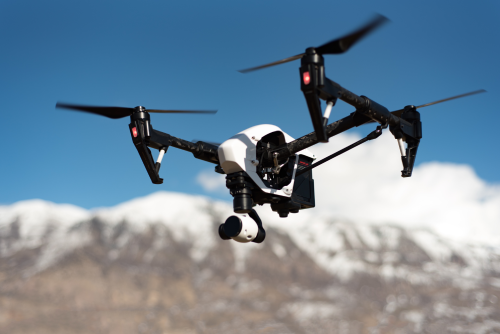
Drone footage has become one of the most effective tools in real estate marketing because it shows what ground photos often cannot: scale, surroundings, access, and layout. In India, this is especially useful for villas, plotted developments, townships, resorts, commercial sites, and under-construction projects where buyers want context before they make a visit.
Quick Take
- Drones help real estate marketers show the full property, nearby roads, amenities, open space, and neighborhood context in one visual story.
- They work best when combined with ground photos, walkthrough video, floor plans, and accurate listing details.
- In India, drone content is particularly valuable for villas, farmhouses, plots, gated communities, large apartment projects, warehouses, and resort-style properties.
- Good drone marketing is not just about “flying high.” It depends on planning, the right time of day, smooth shots, and honest editing.
- Before any commercial shoot, verify the latest DGCA and Digital Sky requirements, local restrictions, airspace status, and property permissions.
- Drone visuals should help buyers understand a property, not mislead them with exaggerated angles or edited-out surroundings.
Why drones matter in real estate marketing
Real estate marketing is about reducing uncertainty.
A buyer usually wants answers to simple questions:
- How big does the property actually feel?
- What is around it?
- How wide is the access road?
- Is it close to other buildings or open land?
- How do the amenities sit within the project?
- Does the location feel premium, crowded, remote, or practical?
Ground-level photos can show interiors and finishes well, but they struggle to explain the bigger picture. Drone footage solves that problem.
For Indian buyers, this matters because many property decisions depend on context, not just interiors. A 3BHK flat may look good inside, but the buyer also wants to see:
- the tower layout
- the clubhouse position
- open spaces
- parking areas
- road approach
- nearby metro line, highway, or school zone
- surrounding density
- construction progress nearby
That is why drones are now used by:
- individual brokers
- builders and developers
- luxury property consultants
- architects and project marketers
- homestay and resort owners
- commercial leasing teams
- land aggregators and plot sellers
The main ways drones are used in real estate marketing
1. Aerial listing photos
This is the most basic and still one of the most useful applications.
Aerial stills help a property stand out on listing portals, brochures, social posts, and ad creatives. One strong top-angle or elevated oblique shot can instantly show:
- the full plot
- the building footprint
- driveway and parking
- garden or pool area
- terrace size
- nearby open land
- distance from adjacent structures
For a villa, a drone photo can show the house, gate, lawn, and road access in one frame.
For a plotted development, it can show the site layout far better than a normal camera can.
For a large apartment project, it can show tower spacing, podium, club area, and green zones without needing complicated diagrams.
2. Property overview videos
Aerial video gives motion and orientation. Instead of seeing random photos, the buyer gets a guided visual introduction.
Common real estate drone video shots include:
- an opening reveal of the building or villa
- a slow rise to show the neighborhood
- a side tracking shot along the facade
- a gentle orbit around the structure
- a top-down view of land or layout
- an approach shot from the entrance road
- a pull-away shot that ends with the surrounding area in view
These shots help the audience understand the property in relation to its surroundings. That is especially helpful for larger sites where scale is hard to judge from the ground.
3. Showing neighborhood and connectivity
This is one of the biggest reasons drones are used in real estate marketing.
A buyer is not only buying the unit. They are also buying the location.
Drone visuals can show:
- the width and quality of the access road
- distance to nearby highways or service roads
- relation to lakes, parks, or open spaces
- nearby schools, commercial blocks, or transit points
- how isolated or connected the property is
- whether the neighborhood is dense, premium, industrial, or developing
This matters a lot in India, where “location advantage” is one of the most overused phrases in property ads. Drone footage can make that claim more believable when used honestly.
For example:
- A township project can show internal roads, entry gate, clubhouse, and the highway connection.
- A farmhouse can show how private it is and what lies around it.
- A commercial property can show loading access, frontage, and nearby business activity.
4. Highlighting amenities and shared spaces
In many projects, the sale is not only about the apartment or villa. It is also about lifestyle.
Drones are regularly used to show:
- clubhouse and pool
- sports courts
- landscaped areas
- children’s play zones
- jogging tracks
- rooftop spaces
- parking circulation
- community entrance and security gate
For large residential developments, a drone can tie these elements together in a way ground video usually cannot. That makes the project feel more complete and easier to understand.
5. Marketing plotted land and large parcels
This is one of the strongest use cases.
Plots, land parcels, industrial sites, and farm properties are difficult to market with only ground photos because they often look flat and confusing from eye level. A drone helps show:
- boundaries and shape
- road access
- neighboring development
- terrain condition
- open frontage
- nearby water bodies or utilities
- internal roads in plotted layouts
- the site’s relation to landmarks
For plotted developments, aerial views can be combined with simple map graphics, but those overlays must be accurate. If the visuals or boundaries are approximate, marketers should clearly say so rather than presenting them as exact survey evidence.
6. Construction progress updates
Builders and developers use drones not only for launch marketing, but also for trust-building during construction.
Aerial progress videos are useful for:
- monthly or quarterly updates to existing buyers
- social media proof of work progress
- sales team communication
- investor presentations
- comparing project development over time
This is common in India, where buyers of under-construction property often want visual proof that work is moving forward. A professionally shot progress video can show tower status, podium work, facade progress, internal road work, landscaping, and amenity construction.
7. Commercial real estate and industrial property marketing
Drones are very effective for office parks, warehouses, factories, logistics hubs, and retail projects.
Why? Because the key selling points are often spatial:
- frontage and visibility
- loading and unloading space
- truck movement area
- campus layout
- parking
- access to highway networks
- nearby industrial ecosystem
A drone can communicate these features quickly to business decision-makers who do not want to spend time decoding dozens of ground photos.
8. Social media teasers and ad creatives
Short-form content has changed property marketing.
A 20- to 40-second drone teaser can be used for:
- Instagram Reels
- YouTube Shorts
- WhatsApp marketing clips
- project launch campaigns
- lead-generation ads
- broker page promotions
These videos are not meant to explain everything. Their job is to stop the scroll and create interest.
A good teaser usually includes:
- one strong opening reveal
- one or two location context shots
- a clean amenity or facade shot
- a clear branding frame or call to action
9. Luxury branding and premium positioning
High-end real estate uses drones not just for information, but for perception.
Luxury villas, penthouses, golf-facing homes, coastal stays, and private estates benefit from aerial visuals because premium buyers care about:
- privacy
- view quality
- approach experience
- surrounding landscape
- land spread
- architectural form
- exclusivity
Aerial footage helps present these qualities in a polished way. But the quality of the shoot matters here. Poorly exposed footage, jerky movement, or cluttered framing can make an expensive property look average.
Where drone marketing works best
| Property type | Best drone use | What buyers want to see | Main caution |
|---|---|---|---|
| Independent villa or bungalow | Overview photos and cinematic flyovers | Plot size, lawn, driveway, surrounding homes, privacy | Avoid hiding nearby clutter or cramped surroundings |
| Apartment project | Tower overview, amenity coverage, location context | Tower spacing, club area, open space, access roads | Don’t exaggerate distance from nearby congestion |
| Plotted development | Top views, site layout, road access | Plot arrangement, entry, internal roads, neighboring development | Boundary graphics must be accurate |
| Farmhouse or resort | Landscape storytelling | Open land, views, approach route, water or greenery | Weather and lighting affect the “feel” heavily |
| Commercial building | Facade, frontage, parking, connectivity | Main road visibility, access, surroundings | Keep movement clean and informative |
| Warehouse or industrial site | Campus layout and truck movement areas | Loading zones, road access, scale, site planning | Safety and restricted-area checks are critical |
A practical workflow for real estate drone marketing
The best real estate drone shoots are planned like a small production, not treated as a random flying session.
1. Decide the goal of the content
Ask first: what is this shoot for?
Different goals need different shots.
- Listing photos for one villa
- Launch film for a residential project
- Construction progress update
- Social media teaser
- Commercial leasing presentation
- Plot sales brochure visuals
If the goal is unclear, the footage usually becomes generic.
2. Verify compliance before the shoot
Before flying, confirm:
- current airspace status in the area
- whether the operation is allowed under the latest DGCA and Digital Sky rules
- whether the drone and operator meet current compliance requirements
- whether local restrictions, police guidance, society rules, or site permissions apply
- whether the property owner or developer has explicitly approved filming
Do not assume that because a site is private, flying is automatically allowed. Airspace rules and local sensitivities still matter.
3. Build a shot list
A simple shot list saves time and battery.
For example, a villa shoot may include:
- front elevation reveal
- driveway and gate
- top-angle showing full plot
- backyard or lawn
- neighborhood context
- sunset hero shot
A township project may need:
- entry gate
- entire project overview
- clubhouse and amenities
- internal roads
- tower relationship
- road connectivity
- progress areas
4. Pick the right time of day
Lighting changes everything.
For most real estate drone work, the best light is:
- early morning
- late afternoon
- just before sunset
These times give softer shadows and better depth.
Midday often creates:
- harsh highlights
- flat-looking buildings
- dull greenery
- strong haze, especially in warmer cities
In India, weather matters a lot. Dust, summer haze, monsoon wind, and winter smog can all reduce image quality.
5. Prepare the site
A drone sees more than people expect.
Before takeoff, ask the client to check:
- parked vehicles in awkward spots
- construction debris
- loose materials on terraces
- drying clothes in visible areas
- temporary banners
- garbage or clutter near the entrance
- unfinished landscape patches
Small cleanup can improve the result more than expensive editing.
6. Capture a mix of informative and attractive shots
Real estate drone footage must balance beauty and usefulness.
A good shoot usually includes:
- one or two “hero” shots for ads
- clear overview shots for understanding layout
- some closer low-altitude shots for architecture
- one or two wider context shots for location
- still photos for portal listings and print use
Do not rely only on dramatic moves. Buyers need clarity.
7. Edit for trust, not just drama
Editing should improve clarity, not distort reality.
Good editing includes:
- stable pacing
- natural colors
- simple labels if needed
- accurate sequencing
- short runtime for social content
- longer version for serious buyers
Avoid:
- excessive speed ramps
- misleading map pins
- unrealistic sky replacements
- over-sharpening
- hiding problematic surroundings that a site visit would immediately reveal
8. Use the footage in the right places
One shoot can create many assets:
- listing thumbnails
- brochure cover visuals
- social media teasers
- sales presentation slides
- builder website header videos
- WhatsApp clips for brokers
- construction update reels
That is why drone shoots often deliver the best value when planned as a content package instead of a single video.
Drone-only marketing is not enough
A common mistake is to think drone content can replace everything else.
It cannot.
A buyer still needs:
- interior photos
- walkthrough video
- floor plans
- dimensions
- pricing and payment details
- legal clarity
- on-ground neighborhood understanding
Drone footage is strongest when it answers spatial and location questions. It should support the listing, not carry the entire campaign alone.
Safety, privacy, and compliance in India
Real estate drone marketing is one of the areas where “it looks easy” can be misleading.
A smooth property video may take only a minute to watch, but the shoot itself involves safety, privacy, and legal responsibility.
What to verify before flying
Rules can change, so always verify the latest official guidance before acting. In general, check:
- DGCA rules applicable to your drone and type of operation
- current Digital Sky airspace status
- any NPNT-related requirements that apply
- temporary local restrictions
- state or district instructions
- site owner permission
- insurance expectations for commercial work, if relevant
Privacy matters
Even when the target is a listed property, a drone can easily capture:
- neighboring balconies
- people on terraces
- children in play areas
- vehicle number plates
- private portions of nearby homes
That creates privacy risk and can also upset residents or housing societies.
Good practice includes:
- informing the client and site management in advance
- limiting unnecessary hovering
- avoiding intrusive angles into neighboring homes
- filming only what is relevant to the property story
- taking extra care in dense urban areas
Safety matters even more in cities
Many Indian real estate sites are surrounded by:
- narrow roads
- overhead cables
- cranes
- telecom towers
- trees
- people movement
- traffic
- active construction zones
These are not beginner-friendly flying conditions.
Do not use client property shoots as practice sessions. If the location is complex, the safer choice is to hire an experienced, compliant operator.
Common mistakes in real estate drone marketing
Flying without a clear purpose
A generic aerial montage may look nice, but it may not help sell the property.
Overusing dramatic movements
Fast or aggressive moves are more suited to action content than to property marketing. Real estate usually needs smooth, readable motion.
Shooting only from too high up
Very high shots can make everything look impressive, but they often fail to show usable detail. Mix heights.
Ignoring the surroundings
If the key selling point is connectivity, viewers need to see the approach road and neighborhood, not just the roof.
Hiding flaws too aggressively
If a drain, unfinished road, or dense neighboring block is a real part of the property context, trying to completely conceal it can damage trust.
Shooting in bad light
A premium property can look weak if shot in harsh noon light or heavy haze.
Treating all properties the same
A villa, a plot, and a warehouse need different visual storytelling.
Breaking the law or local rules
This is the biggest mistake. Real estate urgency is never a good reason to ignore safety or compliance.
DIY or hire a professional?
For some simple use cases, an experienced hobbyist or creator may be able to shoot a small rental, homestay, or independent property, provided the operation is legal and safe.
But a professional is usually the better choice when:
- the site is in a dense urban area
- the property is high value
- the campaign is for a builder launch
- the location is sensitive or restricted
- the client expects polished editing and fast delivery
- the site includes active construction
- compliance documentation may be needed
If you are hiring someone, ask for:
- samples of real estate work
- clarity on legal and operational compliance
- deliverables included
- number of edited photos and videos
- turnaround time
- revision policy
- whether location recce is needed
FAQ
Are drones useful for marketing small flats?
Sometimes, but not always. For a small flat in a dense city block, drone footage may help show the tower, surroundings, and access road, but interior and walkthrough content usually matter more.
Can drone footage replace ground photography?
No. Drone footage is best for context, layout, and scale. Buyers still need interiors, facade details, and close-up visual proof.
What is the best time to shoot real estate drone video?
Usually early morning or late afternoon. Softer light makes buildings, greenery, and open spaces look more natural and appealing.
Do I need permission for every drone shoot in India?
Requirements depend on the drone, location, airspace category, and operation type. Always verify the latest DGCA, Digital Sky, and local rules before flying.
Is FPV drone footage good for real estate marketing?
It can be, but only in selective cases. Smooth camera drones are usually better for clean, easy-to-understand property visuals. FPV is more stylized and can feel too aggressive if overused.
Are drones especially useful for land and plot sales?
Yes. This is one of their best applications because aerial views show boundaries, road access, terrain, and surrounding development much better than ground photos.
How long should a real estate drone video be?
For most listings, 30 to 90 seconds is enough. For builder projects or commercial presentations, longer versions may be useful if the information stays clear and relevant.
Can a drone be flown indoors for real estate?
Sometimes, but indoor flight is a separate challenge because GPS performance can be limited and spaces may be tight. It is usually done only when really needed and by someone comfortable with indoor control.
What should never be exaggerated in editing?
Property size, distance to landmarks, boundary lines, open-space extent, and views. If the video creates a misleading impression, it may generate leads, but it can also destroy credibility.
Final takeaway
Drones are used in real estate marketing not just to make properties look cinematic, but to make them easier to understand. If you want better results, plan a shoot around what buyers actually need to see: layout, access, surroundings, amenities, and scale, then make sure the flight is legal, safe, and honest.
