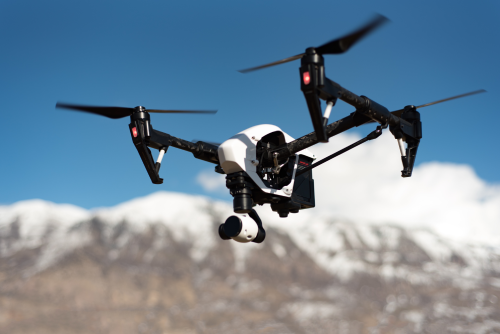
Hotels and resorts sell more than rooms. They sell a sense of place, space, arrival, and experience. That is why drones have become such a powerful tool in hotel and resort marketing, especially for properties in scenic or spread-out locations across India.
Quick Take
- Drones help hotels show what ground photos often cannot: scale, surroundings, views, access, and the overall guest experience.
- They are especially useful for beach resorts, hill properties, jungle stays, wedding venues, luxury retreats, and large business resorts.
- The best hotel drone content is not just pretty footage. It is planned around a business goal such as more direct bookings, more wedding enquiries, or better social media reach.
- A single drone shoot can be turned into website hero videos, vertical reels, still photos, wedding sales decks, and short ad clips.
- In India, drone shoots for commercial marketing must be handled carefully. Always verify the latest DGCA, Digital Sky, airspace, privacy, and local permission requirements before flying.
- Drones are most effective when they are combined with strong ground-level photography and video, not used alone.
Why drones work so well for hotel and resort marketing
In hospitality, people want answers fast.
Before booking, a guest usually wants to know:
- What does the property actually look like?
- How close is it to the beach, lake, forest, highway, or city centre?
- How big is the resort?
- Are the pool, lawns, villas, and activity zones really as spacious as they seem?
- Is this place suitable for a wedding, family holiday, workcation, or weekend trip?
Ground photography can show detail. Drone footage shows context.
That is the main reason drones are used in hotel and resort marketing. They help viewers understand the full property in seconds. A good aerial shot can show the relationship between the entrance, lobby, rooms, pool, restaurant, spa, lawns, and natural surroundings far better than ten separate static photos.
For Indian properties, this matters even more because many resorts are destination-led. A buyer may be comparing a Goa beach resort, a Rajasthan heritage retreat, a Coorg plantation stay, and a Mussoorie hill property on the same day. Drone visuals help one property stand out by clearly showing its unique setting.
That said, drones are not equally valuable for every hotel. A compact city business hotel with little open area may get limited benefit from aerial footage, especially in dense urban zones with restrictions and cluttered surroundings. But for larger campuses and scenic properties, drones can be one of the highest-impact visual tools in the marketing mix.
The main ways drones are used in hotel and resort marketing
1. Creating the hero shot for the property
The most common use is the opening “hero” shot.
This is the cinematic establishing shot that answers the question: where is this property, and why should I care?
Examples:
- A beach resort revealed with the Arabian Sea behind it
- A hill resort emerging through early morning mist
- A desert property showing courtyards, dunes, and open skies
- A jungle lodge framed by forest edges and river bends
- A large convention resort showing lawns, banquet areas, and room blocks in one move
This shot is ideal for:
- Homepage banners
- Brand films
- Social media intros
- Travel trade presentations
- Wedding and event sales decks
The key advantage is emotional impact. It creates aspiration before the viewer even looks at room categories or tariff details.
2. Showing location and surroundings
For many hotels, location is the product.
Drones help show:
- Distance from the beach or waterfront
- Valley views or mountain-facing rooms
- Access to a private lawn or riverside edge
- Proximity to golf courses, tea estates, backwaters, or desert stretches
- Resort placement within a larger destination
This is valuable because guests often distrust vague claims like “near the beach” or “surrounded by nature.” Aerials can make location claims feel more credible.
For example:
- A Goa resort can show whether it is truly walkable to the shore.
- A hill resort can show whether the views are open or blocked.
- A wedding venue can show parking, lawn size, and entry access.
- A luxury villa property can show privacy from neighboring buildings.
Used honestly, drone footage reduces uncertainty and helps attract better-fit guests.
3. Explaining the property layout
One of the strongest practical uses of drone content is layout clarity.
This is especially useful for:
- Family resorts
- Villa resorts
- Wellness retreats
- Large nature properties
- Wedding destinations
- MICE properties
MICE means meetings, incentives, conferences, and exhibitions.
Guests and planners want to know how things connect. Drone shots can show:
- Where the villas sit relative to the pool and restaurant
- How far banquet lawns are from guest room blocks
- Whether the kids’ zone is separate from quiet relaxation areas
- How easy it is to move between event spaces
- Whether the property feels compact or sprawling
This helps set the right expectations. For sales teams, that can reduce repetitive pre-booking questions and make the property easier to pitch.
4. Highlighting amenities that need scale
Some amenities look average from the ground but impressive from above.
These include:
- Infinity pools
- Multiple pools in one campus
- Landscaped gardens
- Beach decks
- Tennis or pickleball courts
- Adventure zones
- Outdoor dining areas
- Spa pavilions
- Water features
- Private villa clusters
A drone can show how an amenity sits within the larger resort experience, not just as an isolated object.
For example, a rooftop pool shot from above may reveal both the pool design and the surrounding skyline or sea view. A lawn shown from the air may immediately communicate that it is large enough for sangeet, cocktail, or corporate gala use.
5. Promoting weddings and celebrations
In India, wedding marketing is one of the best uses of drones for resorts.
A resort wedding buyer is not only booking rooms. They are evaluating:
- Venue size
- Decor potential
- Entry paths
- Guest flow
- Photo opportunities
- Open-air capacity
- Scenic value
- Privacy
Drone footage can show a mandap lawn, poolside cocktail area, main stage lawn, and room wings in a single smooth sequence. That is much more persuasive than separate still images, especially when the sales team is pitching to wedding planners, families, and destination wedding consultants.
Useful drone assets for wedding marketing include:
- Full-venue overview
- Sunset lawn reveal
- Decor-ready walkthrough from above
- Guest arrival route
- Night exterior clips, if legal and safe to capture
- Venue comparison cuts for different function spaces
A well-shot wedding venue film can become a long-term sales asset for banquet and events teams.
6. Selling corporate offsites and conferences
Many resorts now market themselves to companies for offsites, leadership retreats, training sessions, and reward travel.
Drone footage helps here because corporate buyers think differently from leisure guests. They want visibility on:
- Meeting room placement
- Breakout lawns
- Parking and coach access
- Large gathering areas
- Team-building spaces
- Privacy and exclusivity
- Capacity to host groups without crowding
Aerial content can quickly show whether a property is suitable for 50 people, 200 people, or a full-campus buyout.
This is especially useful in sales presentations, proposal decks, and outbound B2B marketing.
7. Creating short-form social media content
Not every drone shoot has to become a long cinematic film.
In fact, one of the most practical uses today is vertical short-form content for:
- Reels
- Shorts
- Story ads
- Launch teasers
- Festival campaigns
- Weekend getaway promotions
Short clips that work well include:
- Pool reveal
- Sunrise over the property
- Quick top-down of breakfast by the lawn
- Approach shot to a private villa
- Orbit around a gazebo or viewing deck
- Beachfront line-up at golden hour
These clips are especially effective when mixed with human moments, such as a couple walking to dinner, a family at the pool, or a yoga setup at sunrise. The drone provides scale; the people provide emotion.
8. Supporting seasonal campaigns
Many Indian resorts change character dramatically by season.
Examples:
- Monsoon in the Western Ghats
- Winter desert stays in Rajasthan
- Summer hill escapes
- Post-rain greenery in plantation resorts
- Festive décor during Diwali or Christmas
- Wedding season lawn setups
Drones help properties refresh their visual marketing without needing a full production every time. A short seasonal aerial shoot can create timely content for campaigns and social media while also keeping the property’s online presence fresh.
This matters because outdated visuals are a common hospitality problem. If a resort has renovated rooms, expanded lawns, added a new pool deck, or improved landscaping, fresh drone footage helps communicate those changes clearly.
9. Building trust through honest visibility
There is also a less glamorous but very useful benefit: trust.
Drone imagery can help potential guests understand:
- The true density of the property
- Whether it is isolated or near neighboring construction
- How much open space exists
- Whether the beach is directly accessible or separated by a road
- Whether the view is wide open or partially blocked
When used responsibly, aerial visuals reduce disappointment. That is good marketing because better-informed guests are more likely to be satisfied after arrival.
Best drone deliverables for common hotel marketing goals
| Marketing goal | Best drone asset | Why it works | Best for |
|---|---|---|---|
| More direct bookings | 30 to 60 second property film | Quickly communicates setting and overall experience | Resorts, villa properties, scenic stays |
| Better social reach | 10 to 15 second vertical clips | Easy to reuse across reels and ads | All visually strong properties |
| More wedding enquiries | Venue overview plus lawn and entry shots | Helps planners understand scale and flow | Destination wedding resorts |
| Corporate and offsite sales | Campus layout footage | Shows meeting spaces, lawns, and logistics | Business resorts and conference properties |
| Seasonal campaigns | Short aerial refresh shoot | Keeps visuals current and relevant | Properties with strong seasonal appeal |
| Premium positioning | Slow cinematic hero shots | Creates aspiration and brand value | Luxury hotels and high-end resorts |
What works best for different property types in India
Beach resorts
Best use cases:
- Shoreline context
- Sunset approach shots
- Pool-to-sea relationship
- Beach deck and activity zone visibility
Extra caution:
- Coastal restrictions may apply in some places
- Strong winds can affect safety and shot quality
- Privacy is important on public beaches
Hill and valley resorts
Best use cases:
- Morning mist reveals
- View-facing room blocks
- Arrival roads
- Valley-facing decks and lawns
Extra caution:
- Weather changes quickly
- GPS performance and visibility can be affected in some terrain
- Wind and elevation need experienced operators
Jungle, plantation, and nature stays
Best use cases:
- Property in landscape context
- River, trail, and open lawn visibility
- Wellness or slow-travel storytelling
Extra caution:
- Protected forest and wildlife rules can be strict
- Avoid disturbing animals and birds
- Many areas may require special permissions or may not permit drone flying at all
Heritage and palace-style resorts
Best use cases:
- Architecture reveal
- Courtyard symmetry
- Event layout
- Premium cinematic branding
Extra caution:
- Heritage and monument-related restrictions may apply nearby
- Privacy and neighborhood sensitivity matter
City hotels
Best use cases:
- Rooftop pool or terrace
- Skyline context
- Exterior branding and access points
Extra caution:
- Dense urban airspace can be restrictive
- Utility wires, traffic, nearby buildings, and limited takeoff space make shoots harder
- In some cases, a crane or elevated camera may be a better option than a drone
A practical workflow for hotels planning a drone marketing shoot
A drone shoot works best when the marketing team treats it like a sales project, not just a content day.
1. Start with one clear objective
Choose the main reason for the shoot.
Examples:
- Increase direct website bookings
- Improve wedding venue enquiries
- Launch a new resort wing
- Create better Instagram and ad content
- Sell more corporate offsites
If everything is the goal, the content usually becomes generic.
2. Build a shot list around selling points
List the property’s strongest features.
For example:
- Sea-facing lawn
- Infinity pool
- Private villas
- Sunset deck
- Large wedding lawn
- Spa surrounded by greenery
- Easy approach road
- Valley-facing breakfast space
Then decide which ones need aerial storytelling and which need ground coverage.
3. Shoot at the right time of day
Drone footage is very sensitive to light.
Usually, the best windows are:
- Early morning
- Late afternoon
- Sunset period, where permitted and safe
Harsh midday light often makes properties look flat, hot, and less premium.
4. Coordinate operations before flying
The hotel team should prepare:
- A point person on site
- Guest communication if needed
- Temporary clearing of key areas
- Housekeeping checks for visible spaces
- Pool and lawn readiness
- Event setup timing if relevant
Aerial footage exposes everything. Untidy roofs, parked maintenance vehicles, laundry areas, and patchy landscaping become very visible from above.
5. Capture for multiple formats
One shoot should create several assets, not just one film.
A practical output list might include:
- 1 hero film for website or presentations
- 4 to 8 short vertical clips
- 15 to 30 edited aerial stills
- 3 to 5 ad cutdowns
- Separate clips for weddings, leisure, and corporate sales
This improves return on the shoot budget.
6. Edit for clarity, not just drama
Good hotel marketing footage should make the property feel desirable and understandable.
That means:
- Smooth pacing
- Clear geography
- Natural colours
- Legible transitions between spaces
- Shorter versions for mobile viewers
Overly dramatic edits may look stylish but can hide the actual property experience.
7. Refresh the content when the property changes
Update drone assets when you:
- Renovate rooms or public areas
- Add a pool, deck, or event lawn
- Rebrand the property
- Change landscaping significantly
- Enter a new market segment such as weddings or corporate retreats
If the property has changed but the visuals have not, the marketing starts to feel dated.
Safety, legal, and compliance points hotels in India should not ignore
This is the part many businesses underestimate.
A hotel’s private land does not automatically make drone flying legal above it. In India, drone operations can involve central rules, airspace checks, platform requirements, and local restrictions. Rules may change, so always verify the latest official guidance before planning a commercial shoot.
Important points to check:
- Current DGCA requirements for the type of operation
- Airspace status and whether prior permission is required
- Digital Sky process, if applicable
- Whether your drone and operation fall under current registration or compliance requirements
- Whether the aircraft has any required technical compliance such as NPNT, which means “No Permission, No Takeoff,” where applicable under current rules
- Pilot qualifications and documentation, if required for that class of operation
- Local restrictions from airport authorities, district administration, police, forest department, coastal security, or other agencies
- Property-specific approvals from the owner or management
- Insurance suitability for commercial work
- Privacy and guest consent practices
Also be careful about the location itself. Extra caution is needed near:
- Airports and helipads
- Military or security-sensitive areas
- Ports and coastal security zones
- Wildlife sanctuaries and national parks
- Heritage or monument zones
- Large public gatherings
- Busy beaches
- Crowded wedding functions
- Urban areas with overhead wires and tight flight paths
A few practical rules help reduce risk:
- Do not fly over uninvolved guests or crowds.
- Use a spotter and keep a controlled takeoff area.
- Brief staff in advance.
- Avoid surprise flights during guest-heavy hours.
- Do not capture identifiable guests without consent where privacy expectations apply.
- Avoid low-altitude passes near balconies, private villas, or pool users.
- Stop immediately if conditions become windy, crowded, or unclear.
For hotels, the easiest safe approach is usually to hire an experienced, compliant commercial operator and plan the shoot during low-occupancy or controlled hours.
Standard camera drones vs FPV for hotel marketing
FPV means first-person view, where the drone is flown more manually for immersive, fast-motion shots.
Both styles can be useful, but they do different jobs.
Standard camera drones
Best for:
- Smooth cinematic reveals
- Exterior beauty shots
- Layout clarity
- Website hero films
- Premium branding
FPV drones
Best for:
- Dynamic one-take fly-throughs
- Entering from outdoor spaces into lobbies or courtyards
- Energetic social content
- Showing guest flow through multiple spaces
But FPV is not automatically better. It needs a highly skilled operator, careful safety planning, and often a more controlled environment. Indoor and close-proximity FPV work is not suitable for every hotel, especially if guests are present.
For most properties, a standard stabilized camera drone is the safer and more versatile starting point.
Common mistakes hotels make with drone marketing
Using drone footage as a substitute for all other visuals
Aerials are powerful, but guests still want room detail, food shots, spa visuals, and human moments. Drone footage should support the story, not carry it alone.
Shooting with no clear sales purpose
A pretty edit may win compliments but not enquiries. Decide whether the content is for weddings, leisure, luxury branding, or corporate sales.
Flying at the wrong time
Midday footage often makes even beautiful resorts look harsh and ordinary.
Ignoring rooftops and back-of-house areas
What looks perfect from the ground may look messy from above. Clean up visible service zones before the shoot.
Over-editing the final film
Excessive speed ramps, unrealistic colours, and dramatic transitions can make the property feel less trustworthy.
Not planning for privacy
Guests in swimwear, families with children, and private villa occupants should not be casually turned into marketing content.
Choosing the cheapest operator without checking compliance
Hospitality shoots need more than drone ownership. They require planning, safety discipline, stable footage, and a good understanding of what sells a property.
Not repurposing the footage properly
If a hotel only posts one video and forgets the rest, it wastes the value of the shoot. Good aerial content should be reused across multiple channels.
FAQ
Are drone shoots for hotel marketing legal in India?
They can be, but legality depends on the location, airspace, type of drone, purpose of use, and current regulatory requirements. Always verify the latest DGCA, Digital Sky, and local authority rules before flying.
Do small hotels and boutique resorts need drone footage too?
Sometimes yes, but only if the location or layout is a selling point. A small hillside stay, riverside retreat, or heritage property can benefit a lot. A tightly packed urban hotel may get less value.
Is drone footage more useful for resorts than city hotels?
Usually yes. Resorts have more open space, more scenic context, and more amenities that benefit from aerial views. City hotels often face more airspace and operational constraints.
What is the best time to shoot a hotel with a drone?
Early morning and late afternoon are usually best because the light is softer and more flattering. Exact timing depends on the property’s orientation, weather, and guest activity.
Can hotels use drone footage for wedding marketing?
Yes, and it is one of the strongest use cases. Drone content helps show lawn size, venue flow, room blocks, and overall destination appeal. Just ensure safety and permissions are handled properly.
Can guests appear in drone marketing videos?
Only with care. Hotels should respect privacy and obtain consent where needed, especially if individuals are identifiable. Avoid casual capture of private moments or sensitive situations.
Is FPV necessary for resort marketing?
No. FPV can create impressive fly-throughs, but most properties can do very well with a standard camera drone. FPV is a specialist tool, not a requirement.
How often should a hotel refresh drone content?
A good rule is to refresh after major renovations, new amenities, major landscaping changes, repositioning of the brand, or when entering new sales categories such as weddings or corporate retreats.
Can one drone shoot create content for a full campaign?
Yes, if planned well. A single shoot can generate a hero film, short ad clips, reels, still images, and separate versions for leisure, wedding, and corporate sales.
What should hotels ask before hiring a drone operator?
Ask about compliance, experience in hospitality shoots, safety process, location planning, editing style, deliverables, backup plans for weather, and whether they understand your actual sales goal.
Final takeaway
Drones are used in hotel and resort marketing to do one job extremely well: show the full experience faster and more convincingly than ground visuals alone. If you run a hotel or resort, the smartest next step is not “book a drone shoot” in the abstract. It is to define one sales goal, hire a compliant operator, and create a focused set of aerial assets that help guests understand why your property is worth booking.
