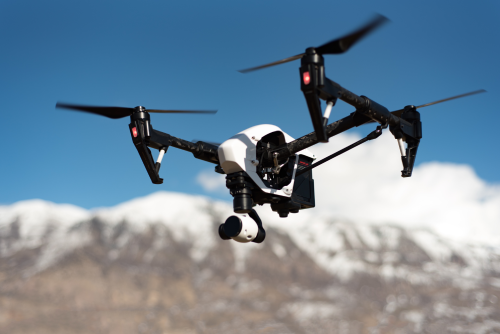
How drones are used in film production is no longer just a big-budget cinema question. From feature films and ad shoots to documentaries, music videos, tourism promos, and wedding films, drones help creators capture movement, scale, and perspective that were once expensive or difficult to achieve.
For filmmakers in India, drones can add real production value, but only when they are used with a clear shot plan, the right crew, and proper legal checks. The drone is not the story by itself; it is a tool to make the story feel bigger, smoother, and more immersive.
Quick Take
- Drones are used in film production for establishing shots, reveal shots, tracking motion, overhead views, scene transitions, action sequences, and location scouting.
- They often replace or reduce the need for cranes, jibs, and helicopters for many shoots.
- A drone shot works best when it supports the scene, not when it is added just because it looks impressive.
- Standard camera drones are ideal for smooth cinematic movement, while FPV drones, short for First-Person View drones, are used for fast and dynamic shots.
- Drones are also useful before filming starts, especially for recce, also called location scouting, and pre-visualisation.
- In India, always verify the latest DGCA, Digital Sky, airspace, pilot, and local shoot permission requirements before flying for any commercial or professional production.
Why drones matter in film production
Before drones became common, aerial shots often meant helicopters, cranes, cable rigs, or large support teams. Those options still have their place, but they are expensive, slower to deploy, and not practical for every project.
Drones changed that by giving filmmakers a compact flying camera platform that can:
- lift above ground level in seconds
- move through space smoothly
- reveal a location dramatically
- follow subjects from angles ground cameras cannot easily reach
- give smaller productions a more cinematic feel
This matters a lot in India, where filmmakers often work across very different environments: dense cities, beaches, mountains, farms, forts, highways, studios, and event venues. A drone can help show the scale of a location quickly, especially when time on set is limited.
That said, drones are not magic. They have limits in wind, low light, battery life, sound recording, airspace restrictions, and safety around people. Good drone work is less about flying everywhere and more about knowing exactly when an aerial perspective improves the scene.
The main ways drones are used in film production
Establishing shots
An establishing shot introduces the location and mood of a scene. This is one of the most common uses of drones in film production.
A drone can start high above a city, coastline, forest, village, or hill road and then slowly move toward the main subject. In one shot, viewers understand where the story is happening and how big or isolated the place feels.
Common examples include:
- opening a travel documentary with a wide view of a valley
- showing a factory, campus, or resort in a corporate film
- introducing a palace, fort, temple area, or film set from above
- setting the mood for a song sequence or dramatic opening
Why it works:
- it gives instant scale
- it helps viewers understand geography
- it makes the production feel more polished
The risk is overuse. If every video starts with the same rising aerial shot, it becomes predictable.
Reveal shots
A reveal shot hides the subject at first and then gradually shows it. Drones are excellent for this.
For example, the drone may begin behind trees, a rooftop, a hill edge, or a wall, then rise or slide sideways to reveal:
- a bride and groom on a decorated venue stage
- a car on a mountain road
- an actor standing on a cliff edge
- a heritage building at sunrise
- a film set or event crowd
Reveal shots feel cinematic because they create anticipation. But they need careful planning. The height, speed, and direction must match the mood of the scene. A slow reveal feels elegant. A fast reveal feels energetic or dramatic.
Tracking moving subjects
Tracking means following a subject in motion. This is one of the most practical drone uses in film production because it adds energy without making the camera feel shaky or chaotic.
A drone can track:
- a running actor
- a cyclist on a trail
- a vehicle in a controlled road setup
- a boat in open water
- dancers moving across a large outdoor space
- wildlife in documentary situations, where legally and ethically appropriate
In cinema and ad production, drone tracking shots are often used to make movement feel bigger than it would from the ground. Even a simple walk can look more dramatic when the camera moves with it from above or behind.
Important point: vehicle tracking should only be done in properly controlled conditions by an experienced team. Public roads, traffic, and uninvolved people make this far riskier and may be unlawful depending on the location and airspace.
Orbit and parallax shots
An orbit shot is when the drone circles around a subject. This creates a dramatic sense of motion while keeping attention on the person, vehicle, or structure in the center.
A related visual effect is parallax, which means foreground and background objects appear to move at different speeds as the camera moves. This adds depth and makes the shot feel more three-dimensional.
These shots are useful for:
- actors standing in a dramatic location
- statues, monuments, and architecture
- song sequences
- product launches and outdoor ads
- hero shots of cars or bikes in controlled settings
Orbit shots look simple when done well, but they are easy to get wrong. The pilot has to control:
- distance from the subject
- speed consistency
- altitude changes
- framing
- wind drift
If the drone drifts unevenly or changes speed suddenly, the shot feels amateur.
Overhead and top-down shots
A top-down shot, sometimes called a bird’s-eye shot, looks straight down from above. It is used when the shape, pattern, or choreography of a scene matters.
Filmmakers use it for:
- dancers or crowds forming patterns
- vehicles moving along roads or tracks
- waves hitting a shore
- a marketplace, festival ground, or field layout
- action geography, where the director wants to show where everyone is
Top-down footage can also simplify a complex scene. Instead of showing one subject at eye level, the shot can reveal the full arrangement of people and objects.
This works especially well for:
- music videos
- event films
- documentaries
- montages
- transitions between scenes
Scene transitions and one-take movement
Drones are often used to connect one space to another in a way that feels fluid. A camera may start close to a window, move up and out, then reveal the street, landscape, or building exterior.
In more advanced filmmaking, drones can also be part of a one-take style sequence. That means the shot is designed to feel continuous, even if the edit hides cuts.
Examples:
- moving from a terrace to a street below
- following a performer out of a building into an outdoor set
- starting on a ground-level detail and pulling away into a wide shot
- linking different areas of a venue for a promo film
This kind of movement is popular because it keeps the audience inside the scene. But it takes rehearsals, timing, and careful coordination between the director, drone pilot, and actors.
Action sequences and FPV shots
FPV stands for First-Person View. FPV drones are usually used for more aggressive, fast, and highly immersive movement. They can dive, weave, and fly close to subjects in ways that standard camera drones generally do not.
In film production, FPV is used for:
- action scenes
- sports coverage
- chase sequences
- music videos with fast pacing
- factory or warehouse fly-throughs
- venue tours
- dynamic interior-to-exterior transitions
FPV footage feels exciting because it puts the viewer inside the motion. It is very different from the calm floating style of a standard aerial shot.
But FPV is not a beginner tool for commercial shooting. It requires high pilot skill, strong safety discipline, and careful risk assessment. It is also not suitable for every scene. A romantic drama or luxury brand film may need slow, stable motion instead of aggressive flying.
Location scouting and recce
Drones are used long before the shoot day. During recce, a drone can help the director and director of photography, often called the DOP, understand a location better.
A short scouting flight can help with:
- finding the best angles
- checking sunrise and sunset direction
- identifying obstacles like trees, wires, poles, and uneven terrain
- planning takeoff and landing zones
- judging whether the area is too crowded or restricted
- deciding if the location actually supports the storyboard
This can save time and money. Sometimes a location looks perfect from the ground but becomes visually messy from the air because of construction, clutter, traffic, or poor surroundings.
For Indian shoots, drone recce can be especially valuable in mixed urban areas where rooftops, cables, and airspace restrictions can quickly complicate a plan.
Pre-visualisation and blocking
Pre-visualisation, often shortened to pre-vis, means planning how a scene will look before filming it properly. Drones can be part of that process.
A recce or test flight can show:
- where the camera should begin and end
- how actors or vehicles should move
- whether the timing matches the dialogue or music
- whether the light works at the planned hour
- whether the shot is actually achievable safely
This is useful for ad films, song shoots, action scenes, and even small-budget productions that cannot afford wasted shooting time.
The drone can also help with blocking, which is the placement and movement of actors in a scene. If a wide outdoor sequence involves many people, a top-down planning shot can help the director and assistant directors organise everyone more efficiently.
Visual effects support and post-production plates
Drones are not only used for final shots. They can also support post-production.
Filmmakers may use drones to capture:
- clean background plates for visual effects
- environment references
- aerial textures and atmosphere
- transition shots for editing
- alternate angles for coverage
For example, a production might shoot a location from multiple heights to help the editor bridge scenes smoothly. Or a VFX team may need clean aerial footage of a location without actors in frame.
This is less visible to audiences, but it is an important practical use.
Where drones fit in the production process
| Production stage | How drones are used | Main benefit | Main concern |
|---|---|---|---|
| Pre-production | Recce, pre-vis, location study | Better planning | Airspace and site restrictions |
| Shooting day | Establishing, tracking, reveal, overhead shots | Strong cinematic value | Safety, weather, battery limits |
| Action coverage | FPV and dynamic movement | Speed and immersion | Higher skill and risk |
| Post-production support | Plates, transitions, scene geography | Smoother edits and VFX support | Footage continuity and exposure matching |
What a drone filming workflow looks like on set
A good drone shot is usually the result of planning, not improvisation.
1. Break down the script or storyboard
First decide why the drone is needed.
Ask:
- What story information does this shot add?
- Is the scene about scale, speed, mood, or geography?
- Would a handheld, gimbal, crane, or dolly shot be better instead?
If the answer is only “because aerial shots look cool,” the shot may not be necessary.
2. Check the location
The team should inspect:
- airspace status
- obstacles
- crowd conditions
- wind direction
- takeoff and landing area
- RF interference, which means signal interference from nearby equipment or structures
3. Verify permissions and compliance
Before the shoot, confirm the current legal position for:
- airspace access
- drone registration or platform compliance where applicable
- pilot credentials or training requirements
- local film permits
- property owner approval
- special restrictions near airports, military areas, government sites, monuments, or sensitive zones
For India, always verify the latest official requirements instead of relying on old advice or social media posts.
4. Rehearse the movement
Even a short drone shot benefits from rehearsal.
The pilot, DOP, and director should agree on:
- start point
- end point
- speed
- altitude
- frame composition
- subject timing
If actors or vehicles are moving, rehearse them too.
5. Lock the safety plan
A basic on-set plan should cover:
- no-go areas
- emergency landing options
- crowd separation
- who can enter the takeoff zone
- callouts between crew members
- weather limits
6. Capture multiple versions
A production usually benefits from more than one take style:
- wide and safe
- slightly tighter
- slower movement
- alternate direction
- extra buffer at the start and end for editing
7. Back up footage immediately
Drone footage is just as valuable as footage from the main camera. Copy and verify it as early as possible.
Choosing the right drone setup for the job
Not every film shoot needs the same kind of drone.
Standard camera drones
These are the most common for:
- ad films
- documentaries
- travel content
- weddings
- corporate videos
- general cinematic aerials
They are best for smooth, stable movement and quick setup.
FPV drones
These are used for:
- dynamic fly-throughs
- action-heavy sequences
- sports-style motion
- fast reveals
- interior-to-exterior movement
They need more pilot skill and more safety planning.
Heavy-lift cinema drones
These are used on higher-end productions that need larger cameras or more advanced lens options. They usually involve a bigger crew, more setup, and stricter operating discipline.
For many Indian production houses, a standard camera drone will cover most everyday film needs. The key is not buying the most advanced platform. The key is matching the drone type to the shot.
Benefits and limits filmmakers should understand
Major benefits
- Faster setup than large rigging solutions
- Lower cost than many traditional aerial methods
- Access to new angles and movement styles
- Useful in both pre-production and principal photography
- Strong production value for smaller teams
- Better visual geography for outdoor scenes
Real limits
- Wind can ruin smooth motion
- Battery life limits long shooting windows
- Drone noise makes live dialogue difficult
- Low light performance may be weaker than larger cinema cameras
- Airspace and location permissions can block a planned shot
- Crowded or tight spaces may be unsafe or impractical
- Repetitive drone shots can make editing feel generic
A drone is best treated as one camera tool among many, not as the answer to every shot problem.
Safety, legal, and compliance points for India
This topic matters because film crews often work under time pressure, and that is exactly when mistakes happen.
Always verify the current official rules
Drone operations in India can involve DGCA requirements, Digital Sky checks, airspace classification, pilot eligibility, drone registration or compliance status, and location-specific restrictions. These rules can change, and the correct requirement depends on the drone, the type of operation, and where you are flying.
Before any professional film shoot, verify the latest official position.
Check local permissions too
DGCA-related compliance is only one part of the puzzle. A legal drone flight may still require:
- landowner permission
- event organiser approval
- municipal or local authority clearance
- location shooting permission
- special approvals for controlled sites
For example, a film crew shooting near a fort, public beach, government complex, stadium, or tourist area may face local restrictions even if the drone itself is otherwise compliant.
Build a safety perimeter
For any professional shoot:
- keep takeoff and landing areas controlled
- avoid flying directly over uninvolved people
- use a spotter when needed
- brief the crew before takeoff
- stop flying if the area becomes crowded or unpredictable
Respect privacy
If you are filming in residential or mixed public spaces, avoid capturing people or private property unnecessarily. Aerial footage can easily cross into privacy concerns when crews focus only on the shot and ignore what else is in frame.
Plan for weather and environment
Indian conditions can be challenging:
- strong coastal wind
- summer heat
- dust
- sudden weather changes
- mountain gusts
- signal issues in dense urban areas
The location may look beautiful but still be a poor drone environment.
Think about insurance and liability
Professional productions should consider current insurance options, equipment cover, and third-party liability where appropriate. What is “enough” depends on the project, location, and risk.
Common mistakes when using drones in film production
1. Using a drone for shots that should stay on the ground
Not every wide shot needs to fly. Sometimes a slider, gimbal, or crane gives a more intimate and controllable result.
2. Flying too high just because the drone can
Many weak drone shots come from going up without purpose. Height alone does not create drama.
3. Moving too fast
Beginners often think speed equals excitement. In cinematic work, smoothness and intention matter more.
4. Ignoring the light
Harsh midday light can flatten landscapes and make footage look less premium. The best drone shot can still look ordinary in bad light.
5. Forgetting about sound
Drones are noisy. If the scene needs live dialogue, plan separate audio capture or another shot design.
6. Repeating the same style everywhere
Too many pull-backs, straight rises, and orbits can make a film feel formulaic.
7. Not matching the main camera look
If frame rate, colour profile, exposure style, or movement quality do not match the rest of the film, the drone shot can feel disconnected.
8. Leaving legal checks to the last minute
A great storyboard is useless if the location does not allow the operation.
FAQ
Are drones only useful for big-budget films?
No. Drones are now used across indie films, ad films, documentaries, wedding films, music videos, travel content, and corporate productions. The value comes from planning, not just budget size.
What is the most common drone shot in film production?
The establishing shot is probably the most common. It introduces the location, scale, and mood of a scene quickly and effectively.
Are FPV drones better than standard camera drones?
Not better in every case. FPV drones are best for fast, immersive movement. Standard camera drones are better for stable, smooth cinematic shots. Most productions choose based on the shot style they need.
Can drones be used indoors on film sets?
They can be, but indoor flying is more demanding because of tight space, obstacles, and signal or positioning limitations. It should only be done by skilled operators with clear safety control.
How do filmmakers handle drone noise during dialogue scenes?
Usually by not relying on the drone audio at all. Dialogue is often recorded separately, replaced, or the aerial shot is used as a visual cutaway rather than a sync-sound scene.
Do I need special permission to use a drone for filming in India?
You may need multiple approvals depending on the drone, location, airspace, and nature of the shoot. Always verify the latest official DGCA and Digital Sky requirements, plus local filming permissions, before operating.
Can a drone replace a crane or helicopter completely?
No. It can replace them for some shots, but each tool has strengths. Drones are flexible and cost-effective, but cranes are often better for precise repeatable movement near actors, and manned aerial platforms still serve certain large-scale productions.
Is buying a drone better than hiring a drone operator for film work?
If you only need occasional aerial shots, hiring an experienced operator is usually smarter. If your business shoots regularly and you are ready to handle compliance, training, maintenance, and safety, owning a drone may make sense.
What should a beginner filmmaker focus on first?
Learn shot purpose before camera movement. A simple, smooth reveal or establishing shot is more useful than a flashy but poorly controlled flight.
Final takeaway
Drones are used in film production to show scale, follow motion, reveal locations, plan scenes, and add cinematic energy that ground cameras often cannot match on their own. If you want drone footage that actually improves your film, start with a clear shot purpose, verify the latest legal requirements in India, and work with a safety-first operator who understands storytelling as well as flying.
