If you have seen a logo, a peacock, or a wedding monogram appear in the night sky, you have already seen how drones are used in drone light shows. These shows combine aviation, software, design, and event planning to turn many small drones into a single moving display.
For Indian readers, drone light shows are becoming more relevant at weddings, brand launches, stadium events, festivals, and public celebrations. But behind the visual magic is a tightly controlled workflow with serious safety and compliance requirements.
Quick Take
- A drone light show uses many LED-equipped drones flying in pre-planned positions to create shapes, animations, text, and 3D-looking scenes in the sky.
- Each drone acts like a flying pixel, and the show software tells every drone where to go and what colour to display.
- These are usually not standard camera drones. Professional light show drones are built for swarm flying, visibility, repeatability, and safety.
- The real work happens before takeoff: concept design, airspace checks, simulation, field planning, battery management, and emergency procedures.
- In India, organisers must verify the latest DGCA, Digital Sky, local authority, venue, and airspace requirements before any show.
- Drone shows can be quieter and cleaner than fireworks, but they are still weather-sensitive and operationally demanding.
- The biggest mistakes usually come from poor planning, weak safety buffers, unrealistic designs, or treating a drone show like a simple stage effect.
What is a drone light show?
A drone light show is a coordinated performance in which multiple drones fly together to form visuals in the sky. Each drone carries bright LEDs and follows a carefully programmed route. From the audience’s point of view, the drones blend into patterns, symbols, words, and animations.
Think of it like this:
- One drone is just one point of light.
- Fifty drones can make simple shapes.
- A few hundred drones can create richer animations and larger visual scenes.
- More drones usually mean more detail, smoother transitions, and stronger branding.
The show is normally flown at night or in low light so the LEDs stand out clearly. The effect can be artistic, promotional, celebratory, or ceremonial.
How drones are used in drone light shows
They act as flying pixels
The simplest way to understand a drone light show is to imagine a giant digital screen in the sky. On a screen, pixels light up in specific positions. In a drone show, each drone is that pixel.
The system assigns every drone:
- A position in 3D space
- A flight path over time
- A lighting colour or pattern
- A safe height and spacing relative to other drones
This allows organisers to create:
- Brand logos
- Product outlines
- Wedding initials and names
- Festival motifs
- National symbols
- Countdowns
- Animated storytelling scenes
They create motion, not just static shapes
A good drone show is not only about one still image. Drones are used to transition smoothly from one image to another.
For example, a show might go from:
- A rising diya shape
- Into a map outline
- Then into a brand logo
- Then into a final message in the sky
The movement between formations is where software, timing, and precision matter most. A show that looks simple to the audience may involve hundreds of tiny path adjustments in the background.
They sync with music, stage moments, and announcements
Drone light shows are often tied to a larger event. They may be used:
- At the finale of a wedding sangeet
- During a product launch reveal
- Alongside a concert sequence
- After a speech or countdown
- As a replacement for part of a fireworks segment
The drones are usually timed to cues. That cue could be music, a spoken line, a stage lighting moment, or a timer in the show control system.
They help tell a story
The best drone shows are not just “look what we can draw in the sky.” They tell a story in short visual chapters.
For example:
- A tourism event may show a monument, then local wildlife, then a slogan.
- A wedding show may show a ring, then two initials, then a heart, then the couple’s names.
- A corporate show may move from problem, to product, to logo, to message.
That storytelling ability is one reason drone shows are being used more often in live events.
Drone show drones are different from regular camera drones
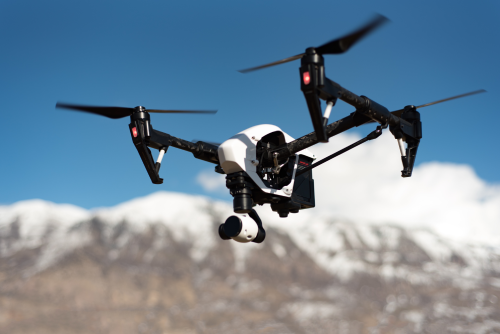
Many beginners assume any consumer drone can be used for a light show. In practice, professional drone light shows usually use purpose-built show drones, not everyday camera drones.
| Feature | Drone show drone | Regular camera drone |
|---|---|---|
| Main job | Fly in a coordinated swarm | Capture video and photos |
| Payload | Bright LEDs, lightweight design | Camera and gimbal |
| Flight style | Pre-programmed formation flying | Pilot-controlled or semi-automated filming |
| Visibility | Built to be seen from far away at night | Built to capture footage, not be a visual element |
| Show control | Managed by swarm software | Usually controlled individually or in small groups |
| Design priority | Repeatability, spacing, timing | Stabilisation, imaging, portability |
This matters because a drone light show is not just “many drones flying at once.” It is a managed swarm with precise planning and safety logic.
What makes a drone light show possible
Several technologies work together to make a show look smooth and safe.
| System part | What it does in a drone light show |
|---|---|
| Flight controller | Keeps the drone stable and follows the assigned route |
| GNSS/GPS positioning | Helps the drone know where it is in the sky |
| RTK or higher-precision positioning in some systems | Improves accuracy for tighter formations |
| LED lighting module | Produces the visible colours and effects |
| Swarm control software | Plans, simulates, and coordinates the entire show |
| Ground control station | Supervises launch, flight status, and landing |
| Radio/data link | Sends control or monitoring data between drones and ground crew |
| Battery system | Powers the aircraft and strongly affects show length |
| Failsafe logic | Handles events like low battery, signal issues, or abnormal behaviour |
Positioning is everything
For a drone show to work, every drone must know its position accurately. Even a small position error can make text unreadable or distort a shape.
That is why professional operators pay close attention to:
- Satellite lock quality
- Compass health
- Interference near the field
- Calibration procedures
- Safe spacing between drones
Software does the choreography
The audience sees art. The crew sees coordinates, timing, simulation, and risk control.
Show software is used to:
- Design shapes and animations
- Assign specific positions to each drone
- Check whether paths cross unsafely
- Preview how the show will look from the audience angle
- Simulate timing before the real flight
- Export the final mission to the drone fleet
LEDs carry the visual message
Without lights, the drones would barely stand out. The LED system is what makes the show visible from a distance.
Brightness, colour control, and timing all matter. A show with strong choreography but weak lighting may still look underwhelming to the audience.
How a drone light show is planned and executed
A drone light show is closer to a live production workflow than a casual drone flight. The process usually looks like this.
1. Define the purpose of the show
The first question is not “how many drones?” It is “what should the audience remember?”
The organiser usually decides:
- Is the show for celebration, branding, or storytelling?
- What is the key visual moment?
- How long should it feel, not just how long should it last?
- Is it the main attraction or a short finale?
A wedding may want emotion and personal symbols. A brand launch may want a crisp logo reveal. A public event may want larger, simpler shapes that read well from far away.
2. Design the visuals
Next comes concept art and motion design.
The team chooses:
- Which images will appear
- In what order
- What colours will be used
- Whether the visuals need text
- How one image transitions into the next
A practical rule: sky visuals must be simpler than phone or TV graphics. Fine detail often disappears at distance.
3. Match the design to the number of drones
This is where expectations must meet reality.
As a rough planning principle:
| Drone count range | What it is generally best for |
|---|---|
| Smaller fleets | Simple symbols, initials, basic logos, short animations |
| Mid-size fleets | Better transitions, richer shapes, more layered designs |
| Larger fleets | Large public visuals, more detail, stronger 3D effect, smoother storytelling |
More drones do not automatically mean a better show, but they do allow more visual resolution.
4. Simulate the show before flying
Before the real event, the show is tested digitally.
Simulation helps answer questions like:
- Will formations look right from the audience angle?
- Are there risky crossing paths?
- Does the timing fit the music or event cue?
- Is the final image readable?
- Can the battery support the planned sequence safely?
This stage catches many problems that would be expensive or dangerous to discover on site.
5. Survey the venue
The flying area must be studied carefully. A beautiful venue is not automatically a suitable venue.
The team checks:
- Open airspace above the launch area
- Nearby buildings, towers, poles, cables, and trees
- Audience location and viewing angle
- Wind exposure
- Lighting conditions
- Potential signal or magnetic interference
- Access for equipment setup and crew movement
A palace wedding lawn, beachfront venue, stadium edge, or exhibition ground each brings different operational challenges.
6. Verify legal and local permissions
This step is critical in India. Before any show, organisers should verify the latest applicable requirements with official sources and the relevant authorities.
Depending on the location and nature of the event, this may involve checking:
- DGCA-related drone operating requirements
- Digital Sky process or approvals where applicable
- Airspace restrictions
- Proximity to airports or controlled zones
- Venue permissions
- Local police or district administration permissions
- Event safety conditions imposed by authorities
- Additional approvals if fireworks or pyrotechnics are also involved
Rules can change, and event-specific restrictions may also apply. Never assume that a previous event’s process is enough for the next one.
7. Prepare the fleet and crew
A drone show depends heavily on disciplined ground operations.
Typical crew responsibilities may include:
- Show operator or mission controller
- Licensed or qualified drone pilot roles as required
- Safety officer
- Battery management staff
- Launch and recovery technicians
- Event coordinator
- Spotters or perimeter staff
The drones are checked for:
- Firmware consistency
- Battery condition
- Propeller health
- LED operation
- Positioning system readiness
- Mission file correctness
8. Set up launch pads and safety zones
Professional shows usually launch from organised ground positions, not random placement.
The team creates:
- A restricted launch area
- Clear landing zones
- Buffer zones away from crowds
- Emergency procedures
- Crew communication channels
- A show abort plan if conditions change
Audience separation is important. People should never be allowed to drift into active launch or recovery space.
9. Wait for suitable weather
Weather can decide whether the show flies at all.
Operators watch for:
- Strong or gusty winds
- Rain
- Dust
- Poor visibility
- Sudden weather shifts
A show may look perfectly ready in software and still need to be delayed or cancelled because of conditions on the ground.
10. Launch, monitor, and recover
During the live show, the drones follow the pre-planned sequence. The crew monitors health data and watches for irregularities.
When the show ends, recovery is just as important as launch. After landing, the team checks:
- Fleet status
- Battery condition
- Any anomalies
- Damage or maintenance needs
- Show log records
Where drone light shows are used in India
Drone light shows are especially attractive in India because many events here are large, visual, and highly shareable.
Weddings and luxury celebrations
High-end weddings often use drone shows for:
- Couple initials
- Proposal or ring visuals
- Family names
- Ceremony countdowns
- Grand finale moments
These shows work best when the venue has enough open space and the audience is placed at the right viewing angle.
Brand launches and corporate events
Companies use drone shows for:
- Logo reveals
- Product silhouettes
- Campaign taglines
- Milestone celebrations
- Opening or closing ceremonies
For brands, the big advantage is customisation. A drone show can be designed specifically around the message of the event.
Festivals and public celebrations
Drone shows can also fit festivals and civic events because they allow symbolic visuals such as:
- Cultural motifs
- Seasonal icons
- Monument outlines
- Public messages
- Countdown sequences
They are particularly useful where organisers want a high-visibility visual moment without relying only on fireworks.
Sports and stadium-adjacent events
Drone shows can support:
- Team branding
- Opening visuals
- Sponsor integration
- Trophy celebrations
The biggest challenge here is airspace, crowd safety, venue layout, and event timing. These shows need especially careful coordination.
Tourism and destination marketing
States, cities, resorts, and tourism promoters can use drone light shows to showcase:
- Landmarks
- Wildlife symbols
- Cultural identity
- Festival branding
- Destination campaigns
This makes the show both a live attraction and a piece of promotional content for social media and press coverage.
Why organisers choose drone light shows
Drone light shows are not a complete replacement for every other event effect, but they offer clear advantages.
Key benefits
- Custom visuals instead of generic bursts
- Better brand storytelling
- Lower noise than many fireworks setups
- No smoke cloud from the drones themselves
- Strong visual content for photos and video
- Repeatable, pre-planned sequences
- Cleaner look for premium events
Real limitations
- Weather can stop the show
- Bright city lighting can reduce impact
- Daytime visibility is poor
- Setup and planning are intensive
- Flight time is limited by batteries
- Permissions and compliance can be complex
- Poor audience placement can weaken the effect
In short, drone shows are impressive, but they are not effortless.
Safety, legal, and compliance considerations in India
Anyone planning or offering a drone light show in India should take compliance seriously. The rules for drones, airspace, and public events are not something to “sort out later.”
What to verify before acting
Always verify the latest official position on:
- DGCA drone operating requirements
- Digital Sky procedures where applicable
- Airspace restrictions for the event location
- Whether the drones and operators meet current compliance expectations
- Whether additional local permissions are required for the event
Do not rely on old social posts, outdated guides, or verbal assumptions from vendors.
Event safety basics
A responsible drone show plan should include:
- A controlled takeoff and landing area
- Adequate crowd separation
- Wind and weather limits
- Emergency stop or abort procedures
- A contingency plan for technical failure
- Trained crew with clear roles
- Communication with venue and event management
- Insurance review where appropriate
Special care for urban and sensitive areas
Extra caution is needed near:
- Airports
- Heli routes
- Government-sensitive zones
- Dense residential areas
- Tall structures
- Stadiums or packed public grounds
Even if a venue looks suitable from the ground, the airspace and event risk profile may say otherwise.
Common mistakes in drone light shows
Even experienced event teams can misunderstand what makes these shows work.
1. Designing visuals that are too detailed
Tiny design elements may look good on a laptop but disappear in the sky. Strong shapes read better than complicated artwork.
2. Ignoring audience viewpoint
A formation can look perfect from the control area and weak from the actual audience seating. Viewing angle matters a lot.
3. Underestimating setup time
Drone shows are not plug-and-play. Field layout, fleet prep, checks, and synchronisation take time.
4. Treating weather as a minor issue
Wind is not a small inconvenience. It can distort formations, increase battery use, or stop the show.
5. Poor battery discipline
A fleet is only as reliable as its battery handling. Inconsistent battery health can lead to uneven performance.
6. Using the wrong drones
Trying to build a professional light show with ordinary camera drones is usually the wrong approach.
7. Writing too much text in the sky
Short, bold words work better than long lines of text. The audience needs to read the message quickly.
8. Skipping legal checks because the event is “private”
A private venue does not automatically remove aviation or local authority requirements. Always verify.
9. No backup plan
If the show cannot fly, what is the alternative finale? Smart event planning includes a fallback option.
FAQ
Can regular hobby drones be used for a drone light show?
Usually not in a professional sense. Drone light shows generally use purpose-built swarm drones designed for coordinated formation flying and LED visibility. Regular hobby drones are better suited for photography or casual flying, not large managed aerial displays.
How many drones are needed for a light show?
It depends on the visual goal. Simple logos or initials need fewer drones than animated public-event displays. The more detail and smoother motion you want, the more drones are generally required.
Do drone light show drones also record video?
Most show drones are not primarily used for filming. Their main role is to act as visible points of light in a coordinated formation. Event organisers often use separate camera drones or ground cameras to record the show.
Are drone light shows safer than fireworks?
They can reduce some issues associated with fireworks, such as loud noise and smoke from the display itself, but they are not risk-free. They still involve aircraft, batteries, electronics, weather exposure, and crowd safety planning. Proper operations are essential.
Can drone light shows happen in rain or strong wind?
Generally, bad weather is a major problem. Rain, gusts, and poor visibility can affect safety and performance. Operators usually set strict weather limits and may delay or cancel the show if conditions are not suitable.
How long does a drone light show usually last?
The practical length depends on the drone system, battery performance, design complexity, and safety margins. The visible show itself is often designed to be concise and high-impact rather than overly long.
Do drone light shows need internet to run?
Not necessarily in the way people assume. The show is typically pre-programmed, and on-site operations rely more on dedicated control systems and communication links than public internet. But technical setup varies by provider.
What permissions are needed in India for a drone light show?
There is no one-line answer that fits every event. Organisers should verify the latest DGCA, Digital Sky, airspace, venue, and local authority requirements for the specific location and date. Do this early, not at the last minute.
What happens if one drone has a problem during the show?
Professional systems usually include failsafe behaviour for abnormal conditions, and the crew monitors the fleet during operations. A single drone issue may affect a visual shape, but the bigger priority is safe handling of the aircraft and protection of people on the ground.
Can a small event company add drone light shows as a service?
Yes, but not casually. It requires serious understanding of operations, compliance, venue assessment, safety management, and vendor capability. For many small businesses, partnering with an experienced specialist is smarter than trying to build a show fleet too quickly.
Final takeaway
Drone light shows use fleets of LED-equipped drones as flying pixels to create timed sky visuals for weddings, brands, festivals, and public events. If you are planning one in India, start with the message, venue, and permissions first, then match the design to a qualified operator, realistic drone count, and a safety-first execution plan.
